Mycelium Insulation: A Revolution in Eco-Friendly DIY Repairs
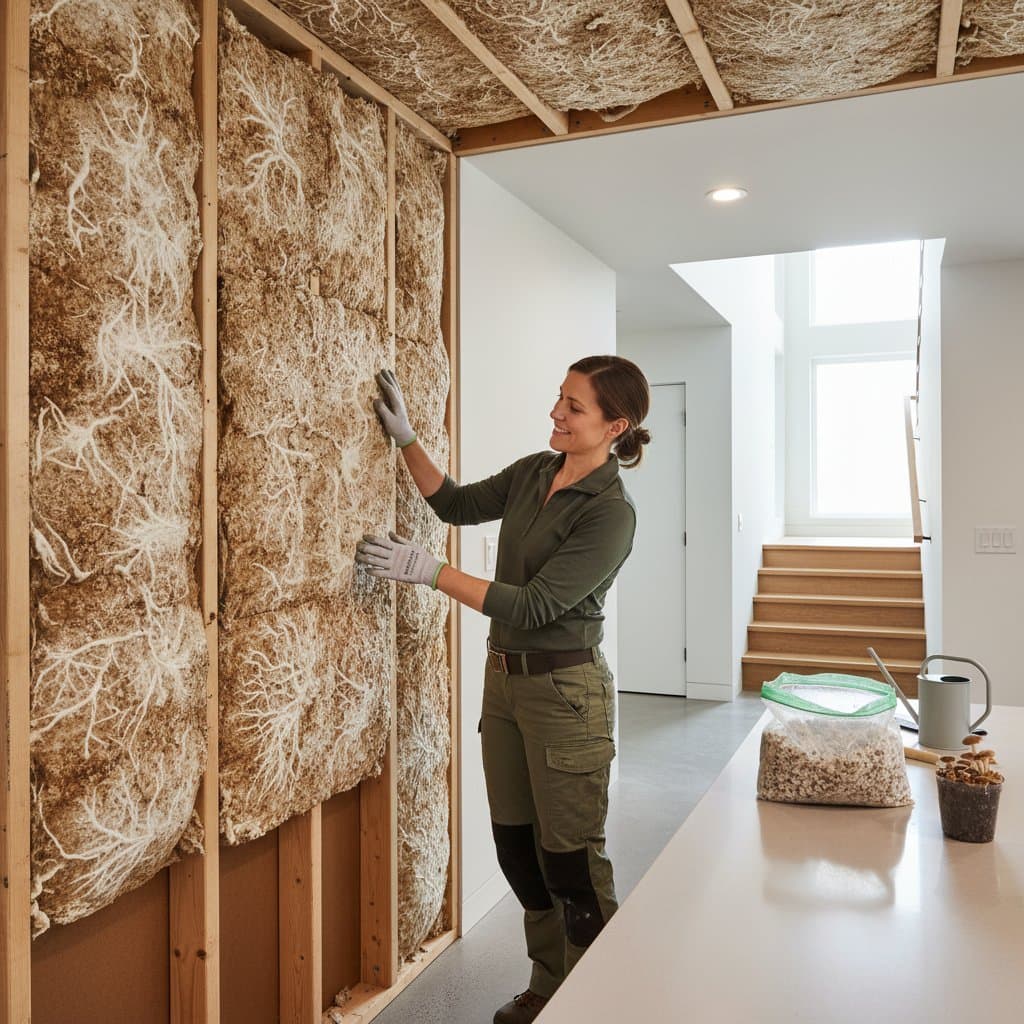
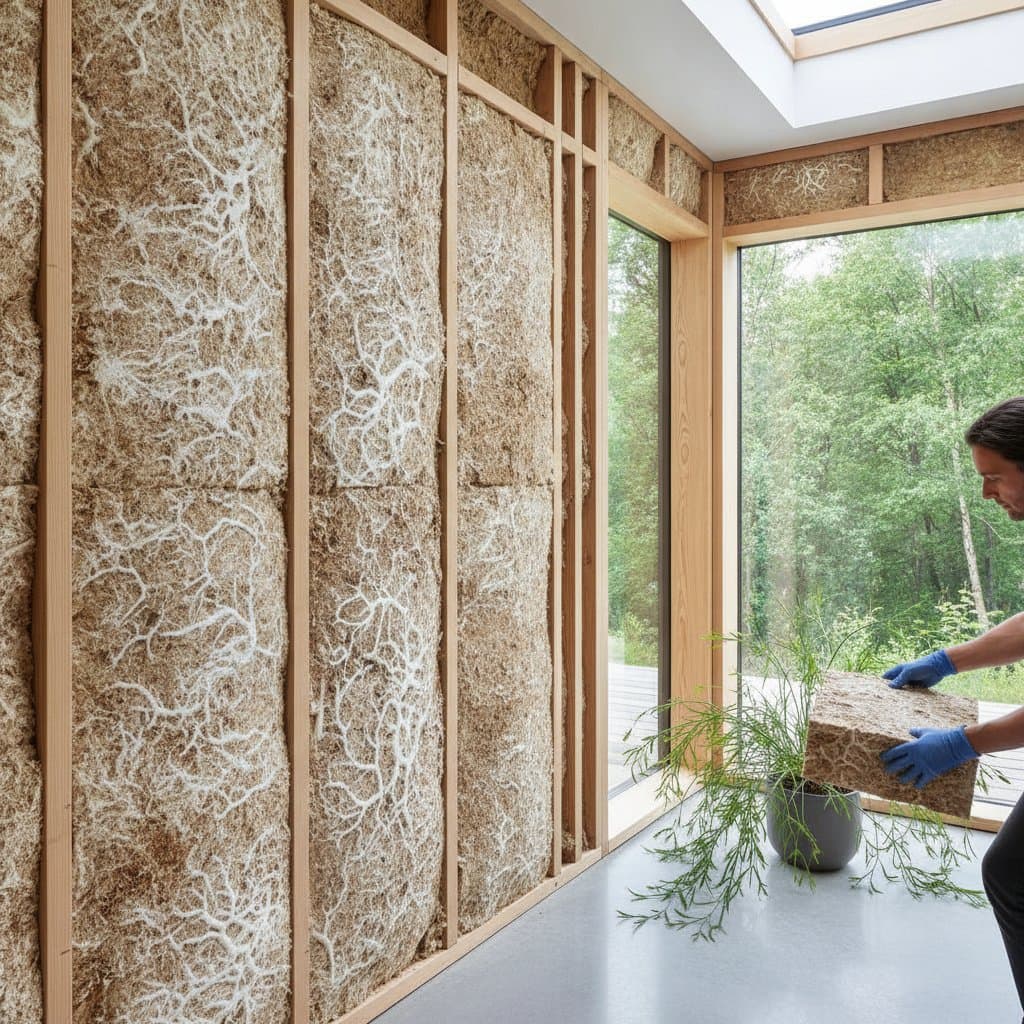
The concept of mushroom insulation may initially seem unconventional, yet it represents a significant advancement in home improvement. For those focused on sustainable living, mycelium provides a practical solution to common insulation challenges. This material, derived from fungal roots, delivers warmth and efficiency while aligning with environmental goals.
Challenges of Conventional Insulation
Replacing traditional insulation often involves discomfort and environmental drawbacks. Fiberglass causes irritation, releases chemicals, and contributes to long-term waste in landfills. Many materials rely on petroleum derivatives, complicating disposal and sustainability efforts.
These issues prompted exploration into mycelium insulation, which utilizes the root-like network of mushrooms. Grown from renewable sources, it offers biodegradability and strength, positioning it as a viable option for everyday homeowners beyond mere trends.
Initial Experiences with Mycelium
Mechanisms Behind Its Effectiveness
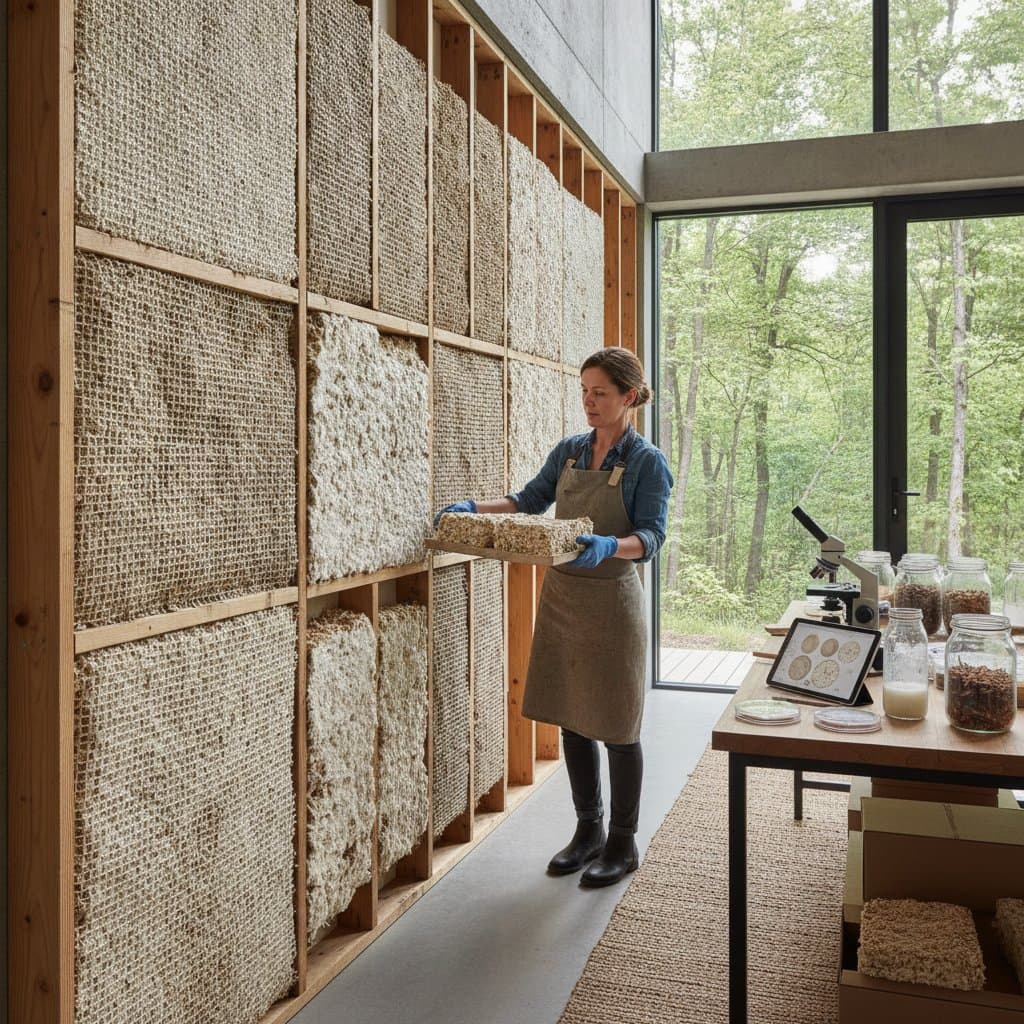
Mycelium expands through intricate fibrous threads that bind organic substrates. In a controlled mold, it creates a compact matrix resistant to fire, lightweight, and adept at temperature control. Drying stabilizes the material, yielding a durable form akin to natural cork.
Versatility stands out as a key feature. Homeowners can shape it into panels, blocks, or custom forms to navigate obstacles like pipes or frames. This adaptability simplifies installation in irregular spaces, reducing waste and effort compared to rigid synthetics.
Steps for DIY Implementation
Starting with mycelium insulation requires minimal equipment. The following guide draws from practical trials to ensure success:
-
Select an appropriate project
Focus on a small patch or panel to familiarize yourself with the material's properties before larger undertakings.
-
Acquire a quality kit
Purchase pre-inoculated kits from reliable suppliers to avoid handling raw spores.
-
Prepare the mold
Employ a plastic bin or wooden frame lined with parchment or silicone for straightforward demolding.
-
Initiate growth and drying
The substrate colonizes in days; once fully white and firm, low-heat baking halts development and strengthens the piece.
-
Fit and secure the insulation
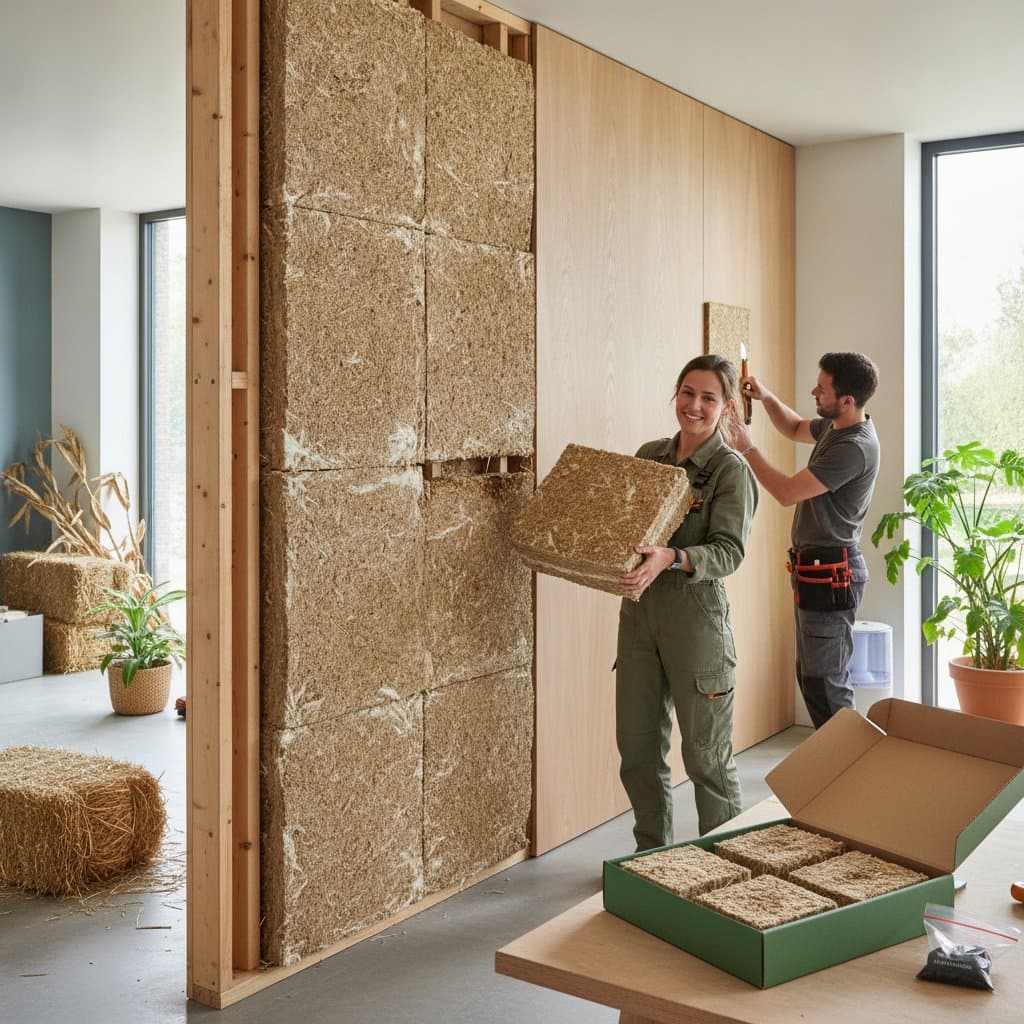
Trim to size and position behind drywall, within studs, or as sound barriers, sealing edges for optimal performance.
Insights from Practical Application
Early attempts revealed the importance of precise watering to prevent sogginess and delays. Subsequent batches, adhering closely to guidelines, produced robust results with an initial earthy aroma that fades upon drying.
Patience proves essential, as growth demands time unlike instant synthetics. This process fosters a deeper connection to home maintenance, evolving it from mere fixes to intentional cultivation.
Environmental Advantages
Mycelium leverages byproducts such as corn husks and sawdust, diverting waste from disposal. Fully compostable, it manages humidity to deter mold without chemicals. For reducing reliance on plastics and toxins, it delivers tangible improvements in daily living.
Sustainable materials often promise much but underdeliver; mycelium excels in performance, handling, and integration into home routines.
Outcomes in Everyday Use
Following installation in a basement, the area exhibited reduced dampness and drafts, improving comfort near foundation walls. Further applications in attics and outdoor structures confirmed consistent benefits, encouraging broader adoption.
Advancing Home Sustainability with Mycelium
Mycelium insulation embodies an intelligent shift toward nature-aligned building. It empowers homeowners to insulate and repair responsibly, yielding lasting efficiency and ecological harmony.