Mushroom-Based Cleaners Revolutionize Bathroom Hygiene
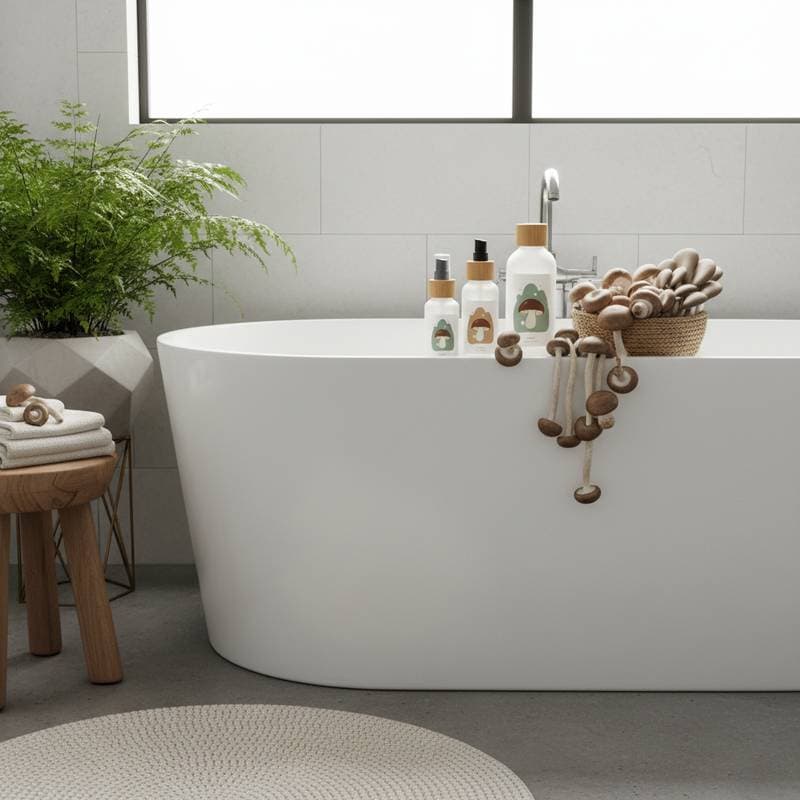
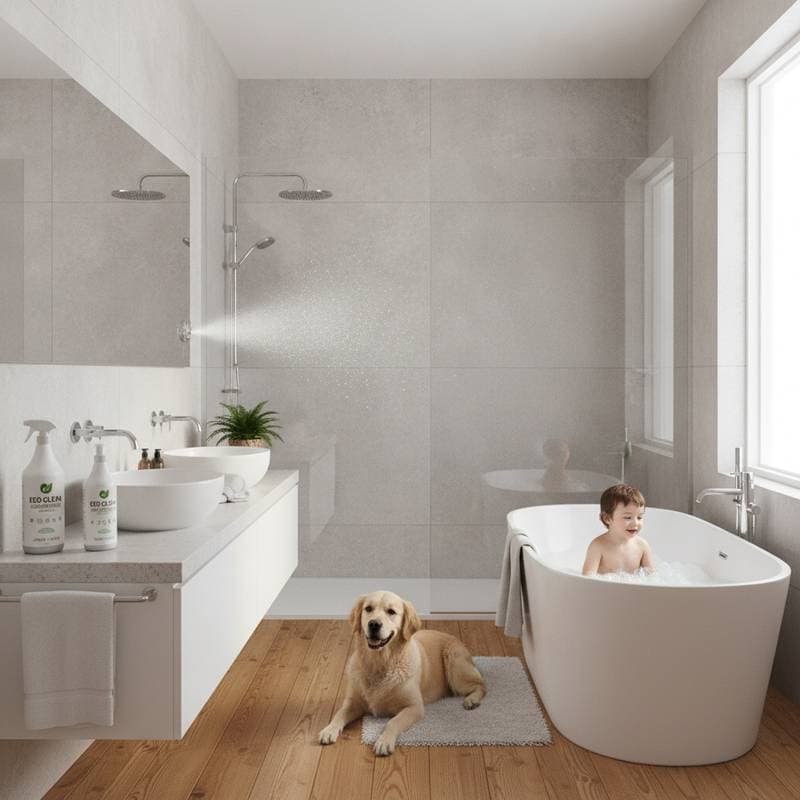
Sunlight streams through a frosted bathroom window and reflects off polished chrome fixtures and softened tiles. The atmosphere carries a fresh, earthy scent, achieved not through synthetic sprays or bleach vapors, but through a natural alternative. This transformation stems from mushroom-based cleaning products that reshape sustainable bathroom care.
These products have evolved from a niche sustainable option into a widespread trend. Social media platforms feature videos of individuals replacing colorful chemical cleaners with bottles containing fungi-derived formulas. Homeowners and renters alike praise these innovations for their effectiveness and environmental benefits.
Enzymatic Action in Cleaning
Mushrooms serve roles beyond food or natural ecosystems; they act as decomposers that convert organic material into nutrients. Cleaning products harness this ability to address soap scum, mildew, and grime in bathrooms.
Transition to Natural Cleaning Methods
Households increasingly seek toxin-free options to minimize health risks. Mushroom cleaners support this transition with their biodegradable composition, absence of animal testing, and use of recyclable packaging. They reflect broader recognition that drain contents impact ecosystems.
Conventional cleaners frequently include ammonia, chlorine, and synthetic scents that harm skin, respiratory systems, and water sources. Mushroom alternatives employ biodegradable surfactants and plant-based components that integrate with natural processes. Cleaning becomes an effective and principled routine.
Users report a sense of contribution to environmental health while maintaining spotless bathrooms. This dual benefit enhances the overall experience.
Factors Driving Popularity
Visual demonstrations fuel much of the enthusiasm. Videos depict mushroom extracts forming foam that effortlessly clears grimy grout. The transformation appears remarkable, supported by scientific principles.
The appeal extends to sensory aspects. These cleaners impart a mild earthy scent, evoking rain or woodland air, rather than overpowering fragrances. In intimate spaces like bathrooms, this connection fosters a sense of calm and ties cleaning to natural rhythms.
Incorporating Mushroom Cleaners into Routines
These products prove accessible for everyday use, available in liquid or foam formats suitable for sinks, tiles, and tubs. Follow these steps for optimal results:
-
Shake the bottle gently to distribute enzymes evenly, as natural elements may separate.
-
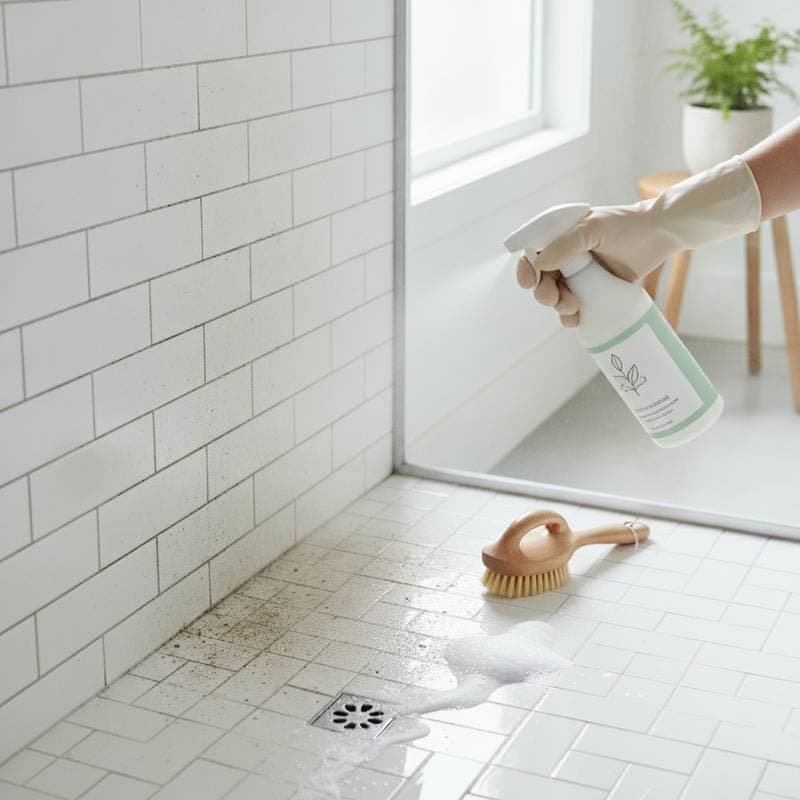
Apply the spray to targeted areas such as soap residue, water stains, or mildew spots.
-
Allow several minutes for enzymes to break down organic matter.
-
Wipe with a soft cloth or brush to remove loosened particles.
-
Rinse completely to reveal a clean surface with a neutral aroma.
Most formulas suit porcelain, glass, and stainless steel, though label verification ensures material compatibility. Regular application maximizes enzyme efficacy over aggressive methods.
Creating Homemade Mushroom Cleaners
Enthusiasts can craft their own versions using accessible ingredients. Select chaga or reishi extracts for their antimicrobial qualities. Mix with distilled water, white vinegar, and essential oils like tea tree or eucalyptus to form a surface spray.
Infusion time enhances potency; allow the blend to rest for deeper integration of mushroom properties. Store in a glass bottle in a cool, shaded area. The result delivers an organic clean without commercial foaming agents.
Broader Environmental Impacts
Selecting mushroom cleaners influences production and waste management. Brands often employ regenerative agriculture, utilizing farm waste for cultivation. Excess mycelium supports composting or packaging materials, minimizing resource use.
This method emulates natural cycles where materials renew rather than deplete. Adopting such products encourages a lifestyle aligned with sustainability in home maintenance.
Insights from Specialists
Consultants in eco-homes and green chemistry view mushroom cleaners as a significant advancement. They commend reductions in biodegradation time, residue levels, and production energy compared to synthetics.
Discernment remains key; some products include minimal mushroom content for branding. Prioritize labels listing mycelium ferment, fungal enzyme complexes, or concentrated extracts prominently. Clear disclosures indicate genuine formulation.
Advantages for Bathroom Environments
Bathrooms present unique challenges with humidity fostering mold and buildup. Mushroom enzymes address these issues by targeting organics without surface damage or fumes.
Shower tiles maintain luster free from bleach irritation, and sinks avoid plumbing corrosion from residues. This gentleness ensures hygiene alongside material preservation in demanding areas.
Embracing Sustainable Shifts
Adopting these cleaners alters perceptions of cleanliness. Renters experience atmospheric improvements without major renovations, gaining fresher air and a sense of eco-conscious achievement.
The change instills lasting appreciation for natural efficacy.
Extending Sustainable Practices
Mushroom cleaners inspire further choices like bamboo tools or reusable dispensers. They demonstrate nature's readiness to provide solutions. Apply these insights to cultivate renewal in daily habits.