The Emergence of Acoustic Art in 2026 Home Design
Many individuals experience moments when external noises, such as a neighbor's music or urban traffic, intrude upon domestic peace. Sound profoundly influences personal comfort within living spaces. Homeowners increasingly recognize that managed acoustics represent a premium feature, fueling a compelling evolution in interior design known as acoustic art.
Acoustic art combines utility with visual elegance. It focuses on environments that perform acoustically as effectively as they appear aesthetically pleasing. This development extends beyond specialized venues like recording studios; ordinary residences now incorporate sound management into routine design practices, yielding practical and visually impressive outcomes.
Reasons Sound Management Rises as a Design Essential
Defining Acoustic Art
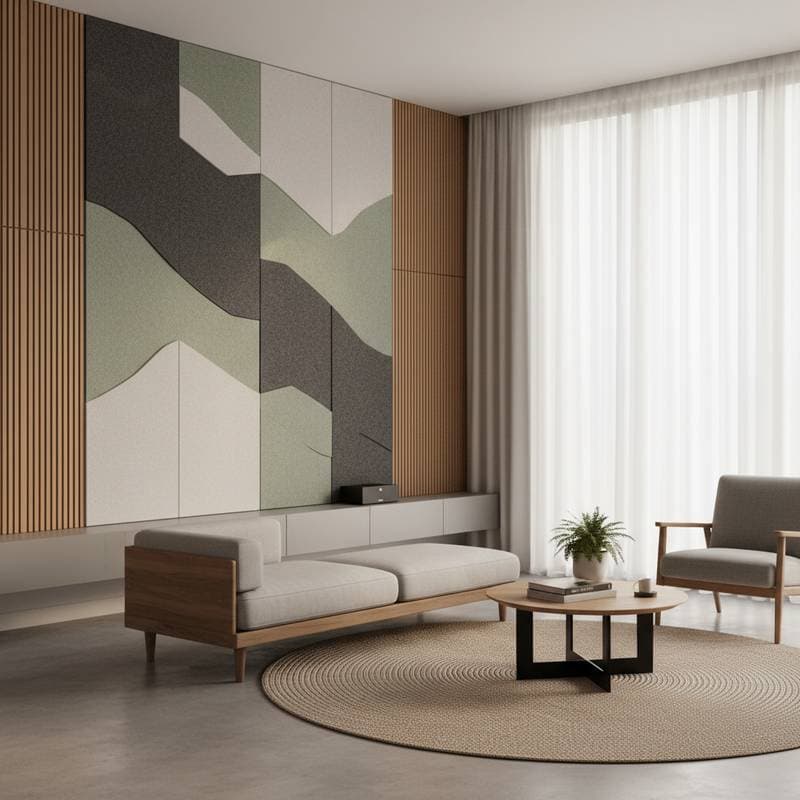
Acoustic art encompasses ornamental fixtures or wall elements that simultaneously serve as sound-absorbing mechanisms. Consider panels resembling sculptures or framed artworks, constructed from substances that capture and scatter auditory waves. These reduce resonance, rendering rooms more hushed and intimate.
The appeal derives from their multifunctional nature. Options range from subdued felt installations in neutral palettes to vibrant geometric configurations that command attention. Certain designs integrate illumination, enhancing multisensory interaction.
A key advantage lies in harmonizing utility with aesthetics. Traditional soundproofing often concealed utilitarian foam with drapery or flooring. Modern solutions permit the display of inherently attractive, effective pieces.
Key Materials Driving Acoustic Innovation
Effective acoustic engineering relies on appropriate substances. Absorption occurs as materials disrupt and disperse sound waves, preventing reflection. Designers favor these options for their performance and style:
- Felt and wool composites: Dense and versatile in coloration, ideal for wall applications and overhead diffusers.
- Recycled polyethylene terephthalate fibers: Sustainable and adept at noise reduction, commonly formed into adaptable panels.
- Wood-based composites: Featuring slots or perforations, these provide organic tones while channeling sound to underlying absorbers.
- Fabric-encased panels: Suitable for bespoke illustrations or motifs, emulating conventional framed art.
Each substance delivers unique visual and auditory qualities, allowing customization to spatial needs. For example, dense configurations suit media areas, whereas gentle textiles enhance bedroom subtlety.
Integrating Acoustic Art into Residential Spaces
Comprehensive renovations prove unnecessary for acoustic enhancements. Begin by assessing areas with auditory imbalances, such as echoing lounges or offices affected by external clamor.
Targeted interventions include:
- Artistic wall installations: Select abstract panel designs as singular accents or coordinated arrays.
- Overhead elements: Deploy hanging absorbers or cloud-like forms to mitigate resonance without wall occupancy.
- Textile integrations: Incorporate area rugs, cushioned seating, and substantial window treatments for inherent absorption, augmented by dedicated panels.
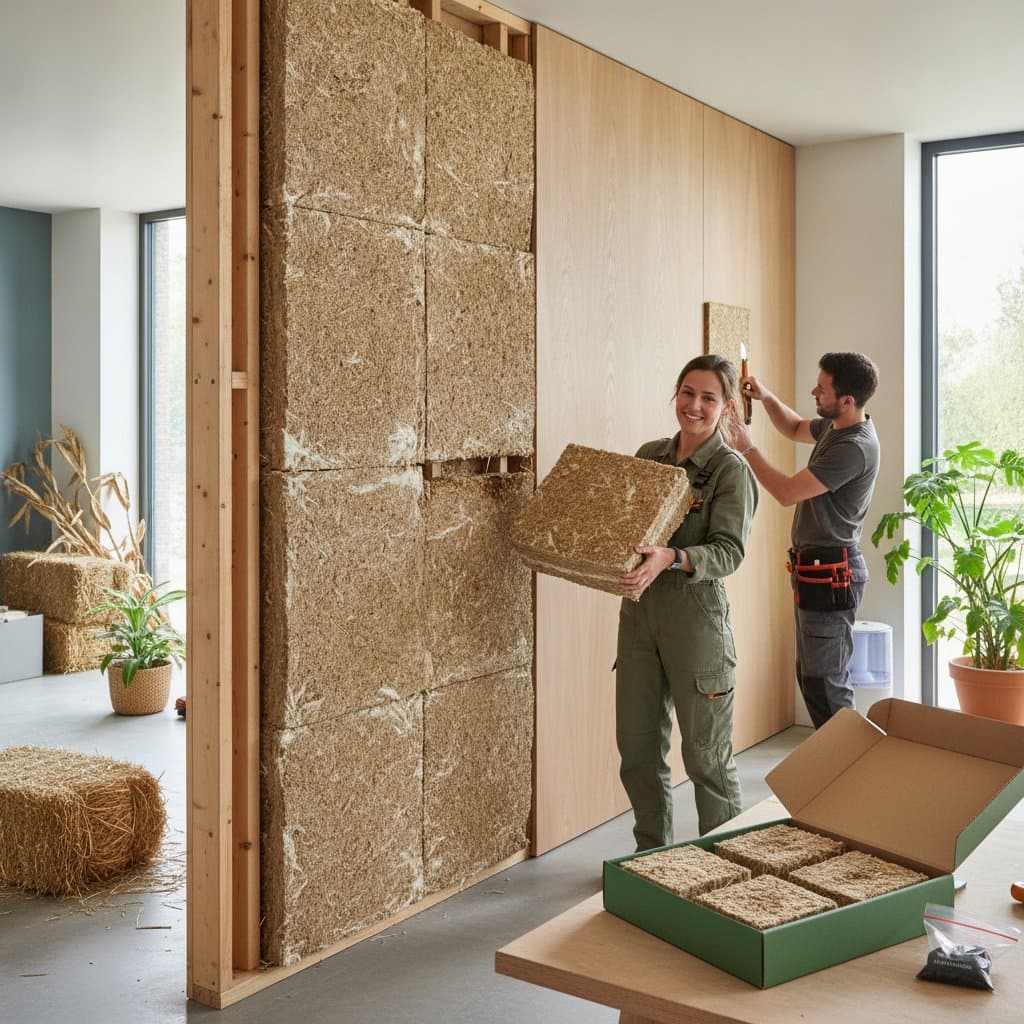
- Custom fabrication: Assemble panels from textiles, insulating cores, and framing for those inclined toward hands-on projects.
Equilibrium remains paramount. Avoid total sonic suppression; aim for environments where auditory elements feel subdued and organic.
The Visual Language of Acoustic Harmony
Managed sound imparts a distinctive refinement to interiors. Rooms exhibit intentionality, with softened vocal projection and enhanced auditory clarity for dialogue or melody. This understated quality delivers profound contentment.
Creatives leverage this through innovative pairings. Neutral panels align with timber or fabrics for coziness; vivid hues or forms assert presence. The interplay of surface intricacy and sonic poise generates dynamic yet soothing atmospheres.
Personalization elevates the trend. Configurations craft intimate reading corners or delineate open layouts sans barriers, blending practicality with individuality.
Alignment with Contemporary Design Paradigms
Acoustic art integrates seamlessly with prevailing movements. Wellness-oriented design prioritizes sensory health; reduced noise alleviates tension and sharpens focus, positioning acoustics within self-nurturing practices.
Sustainability benefits from eco-conscious materials like reclaimed fibers or natural wool, promoting responsible enhancements.
Biophilic principles draw on organic textures such as cork or timber, which absorb sound while evoking nature. Paired with verdure and daylight, these foster rooted serenity.
Such synergies position acoustic art as an enduring element, advancing homes that sustain sensory and lifestyle needs.
Achieving Acoustic Elegance Affordably
Premium panels command investment, yet accessible strategies exist. Balance expenditure through varied approaches.
- Hybrid investments: Acquire standout items for prominence, supplemented by economical additions like weighted drapes or textile wall coverings.
- Inventive alternatives: Employ padded bedframes, draped textiles, or shelving with pliant fillers for supplementary absorption.
- Phased implementation: Initiate in one area and progress gradually; modest additions yield tangible improvements.
Design thrives on gradual refinement rather than exhaustive overhauls.
Pitfalls in Acoustic Implementation
Simplicity belies potential errors.
- Excessive application: Overabundant absorbers risk muting vitality; retain reflective elements for equilibrium.
- Misplaced positioning: Auditory propagation follows patterns; situate panels opposite primary noise origins.
- Aesthetic oversight: Prioritize harmony in selection to ensure visual cohesion.
- Illumination disregard: Absorbers may subtly dim areas; incorporate warm, diffused lighting to complement textures.
Deliberate planning preserves personal essence alongside efficacy.
Experiencing Acoustic Enhancements Daily
Acoustic art enriches routine subtly. Homes register as more composed, with fluid exchanges unmarred by resonance. Such modifications address overlooked comfort gaps.
Adaptability endures; rearrangements or palette shifts maintain relevance, embedding acoustics into foundational well-being.
To embark, engage senses actively. Traverse interiors, attuned to auditory dynamics. Experiment with placements and substances, balancing intuition with observation.
Practical Steps for Acoustic Integration
Acoustic art embodies a philosophy honoring tranquility, aesthetics, and purpose. Regardless of urban density or suburban calm, spaces merit support for optimal living.
Expertise proves dispensable; attentiveness to sonic alongside visual qualities suffices.
Assess your environment auditorily. Envision enhancements through targeted design, unlocking serene potential.