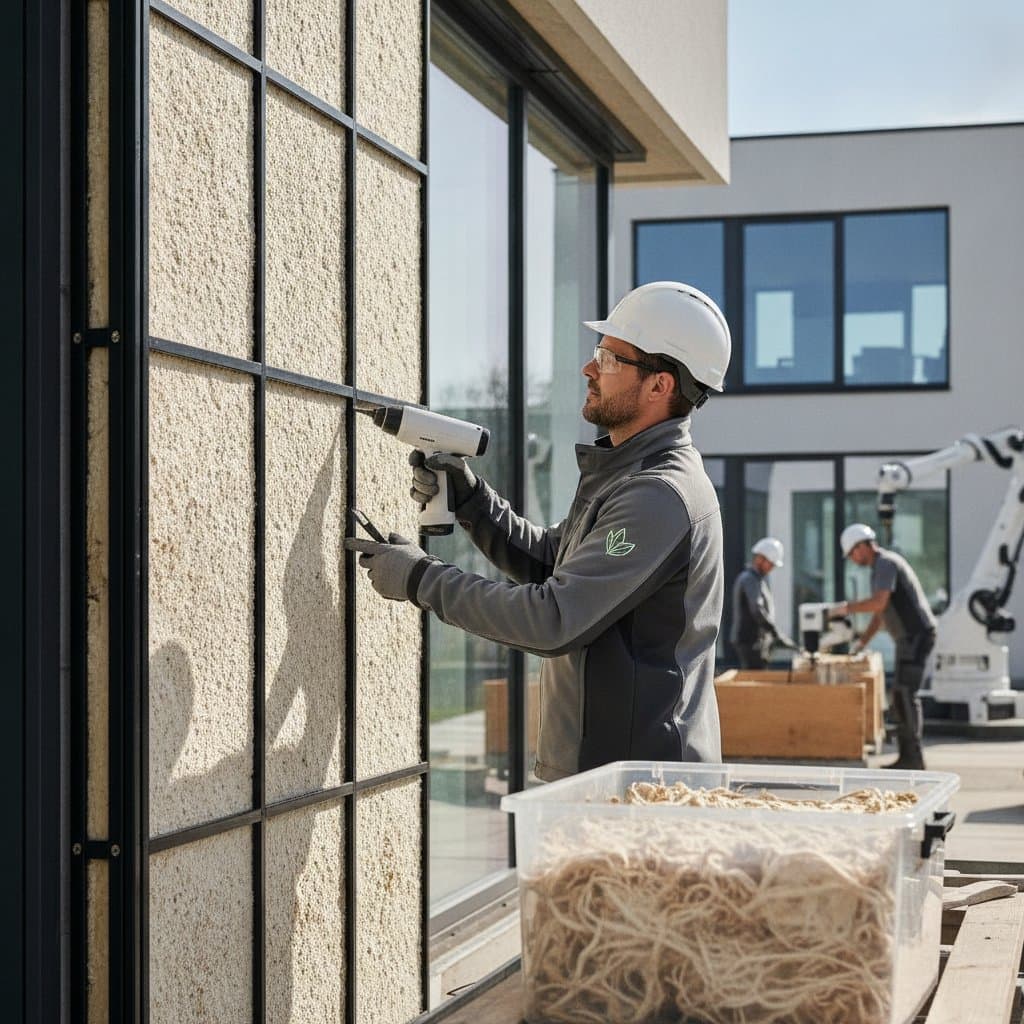
Mycelium Insulation: Revolutionizing Sustainable Homes
Mycelium insulation emerges as a leading innovation in eco-friendly building materials. This renewable and biodegradable option replaces traditional insulation while enhancing home comfort and energy efficiency. Homeowners and renters seeking sustainable choices without sacrificing performance find in mycelium a vital step toward greener living.
Challenges of Traditional Insulation
Conventional insulation materials often rely on synthetic fibers, foams, or plastics. These provide solid thermal performance yet carry significant environmental drawbacks. Derived from non-renewable sources, they release volatile organic compounds that compromise indoor air quality. Moreover, their non-biodegradable nature leads to landfill accumulation upon disposal.
Understanding Mycelium
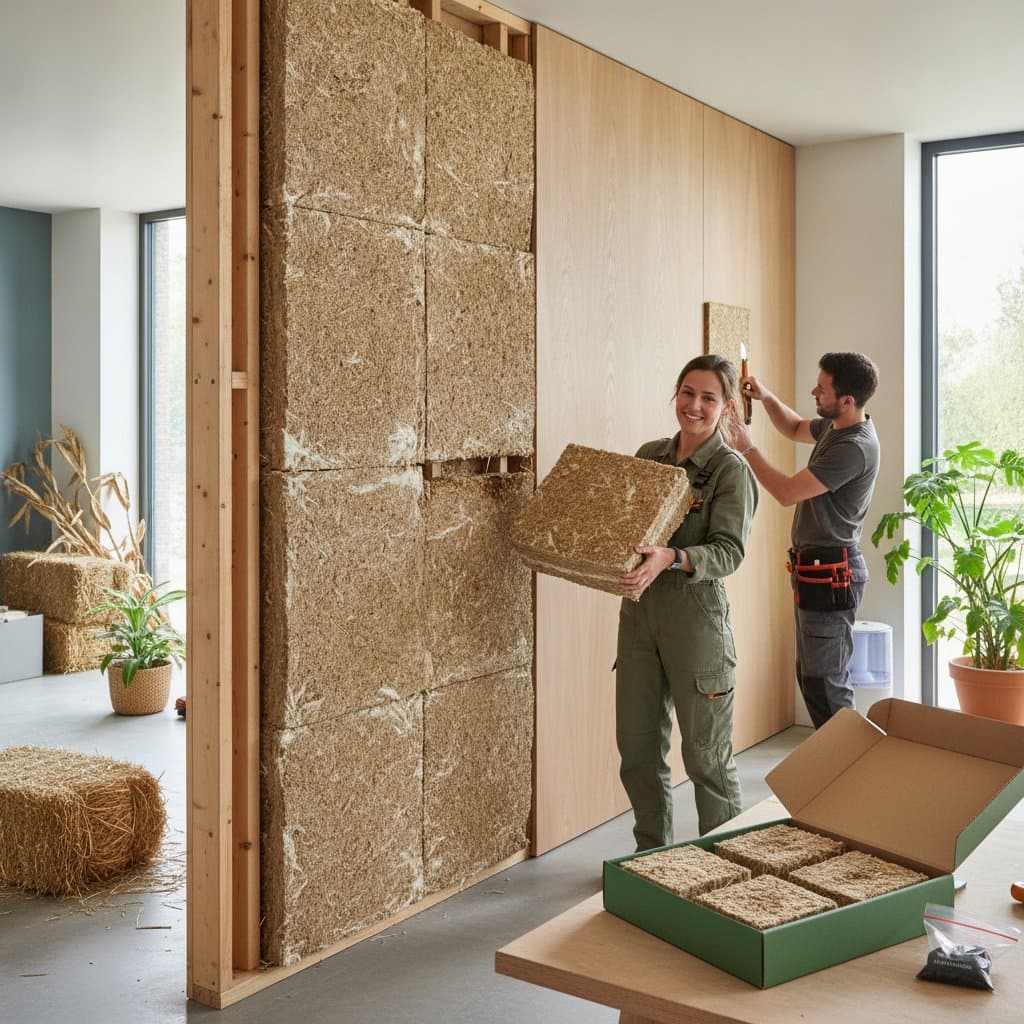
Mycelium forms the root-like network of fungi that thrives underground or in organic substrates. It integrates agricultural waste such as corn husks or sawdust to produce a dense, foam-like material. Cultivated in controlled environments, mycelium yields lightweight panels shaped and dried into insulation blocks or sheets. Drying halts growth, resulting in a robust natural composite.
Production emphasizes growth over manufacturing, demanding low energy and avoiding synthetic chemicals. The outcome delivers a fully biodegradable, fire-resistant, and insulating material. This blend of biology and design represents an efficient natural process.
Key Advantages for Residential Use
Thermal Efficiency
Mycelium insulation matches the thermal resistance of mineral wool and fiberglass. It stabilizes indoor temperatures, retaining warmth during winter and coolness in summer. Reduced dependence on heating and cooling systems lowers energy consumption and utility costs.
For those prioritizing savings, this material delivers enduring benefits. It avoids the ecological compromises of conventional options and retains integrity over time with little deterioration.
Fire and Mold Resistance
Mycelium surprises with its fire resistance; its carbon-rich density chars instead of burning, outperforming many synthetics in safety. It also resists mold and pests inherently, proving valuable in humid or fluctuating climates.
Architect and green building expert Luis Prado notes, "Mycelium achieves equilibrium: a living essence adapted to contemporary safety requirements without chemical interventions." This trait reduces the need for treatments, improves air quality, and minimizes upkeep.
Acoustic and Humidity Control
Mycelium serves as an acoustic absorber, dampening sound waves to lessen echoes and external noise. In urban settings or lively homes, this feature elevates tranquility.
Flexible unlike rigid foams, mycelium panels manage humidity by absorbing and releasing moisture. Such regulation fosters a stable indoor climate.
Integration in Eco-Conscious Design
Adopting mycelium insulation extends beyond functionality to redefine material and waste perspectives. Grown from farm byproducts, it repurposes discards that might otherwise accumulate. At lifecycle's end, it decomposes harmlessly, avoiding toxic remnants.
Those aiming for green certifications or reduced impact discover seamless alignment with mycelium. It complements upgrades like lime plasters, reclaimed woods, and natural fibers. Together, these create healthful, cohesive living spaces.
Practical Installation Guidance
Though emerging, mycelium insulation now includes standardized panels compatible with standard wall, floor, and ceiling setups. Installation mirrors batt or panel methods, accessible to contractors or skilled DIY enthusiasts.
Custom growth suits experimental projects, yet prefabricated options suit most needs. Focus on thorough drying and sealing to avert moisture issues.
Carla Jenks advises integrating with breathable systems. "Select materials that collaborate, permitting vapor flow rather than confinement," she states. "This preserves insulation efficacy and spatial well-being."
Pricing and Availability Insights
Mycelium currently exceeds the cost of fiberglass or foam due to limited-scale production and regional distribution. Demand from builders and buyers should drive prices lower over time.
Begin modestly in renovations, targeting areas like attics, sheds, or studios. These trials allow direct assessment of advantages before broader use.
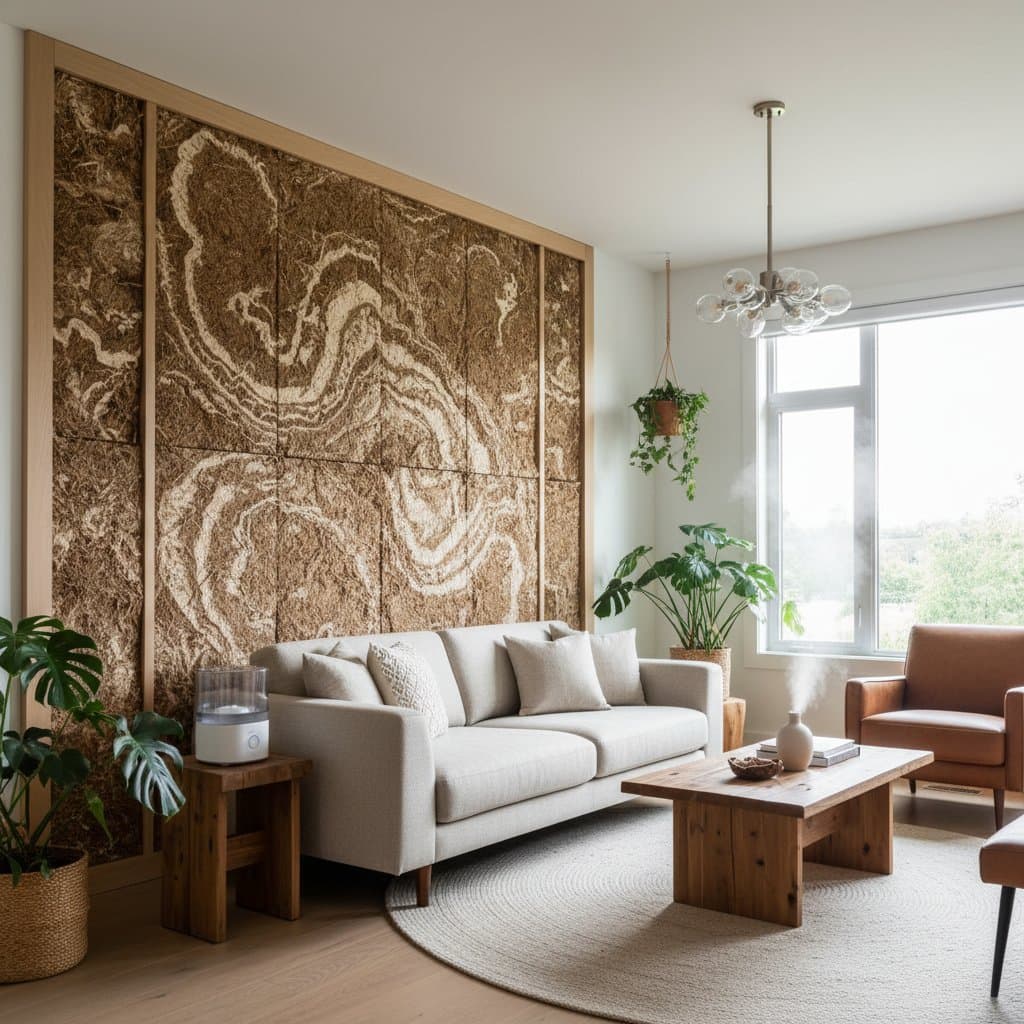
Renters benefit from mycelium acoustic panels or tiles as non-permanent enhancements. They offer aesthetic and functional improvements without structural changes.
Maintenance Strategies
Installed mycelium demands minimal care, thriving when shielded from moisture like other naturals. Routine checks on exterior barriers and seals sustain performance.
Repairs involve swapping individual panels, with waste compostable due to biodegradability. This cycle distinguishes mycelium amid prevalent waste in construction.
Embracing Biological Design
Selecting mycelium insulation transcends upgrades; it embodies deliberate harmony between comfort and ecology.
Luis Prado summarizes, "Materials aligned with nature integrate homes into vital ecosystems. That defines forward-thinking design."
Envision structures cultivated from regenerative elements like mycelium. Incremental bio-material adoption propels construction toward sustainability.
Steps to Adopt Mycelium
For renovations or insulation improvements, inquire with contractors about mycelium availability. Such requests spur suppliers to broaden options locally.
Initiate with a single initiative, evaluate outcomes, and appreciate residing amid nature-sourced, earth-returning elements. Sustainable dwellings evolve gradually, yet purposeful enhancements advance personal and planetary well-being.