Mycelium Insulation: A Sustainable Solution for Homes
Homeowners often encounter frustration when dealing with traditional insulation that degrades into irritating particles upon disturbance. These conventional materials excel at retaining heat yet impose significant drawbacks. Fiberglass causes skin and respiratory irritation, foam emits volatile compounds, and mineral wool demands substantial energy for production. Consequently, such options safeguard homes while burdening the environment. Mycelium-based mushroom insulation introduces a transformative approach to this challenge.
Challenges Posed by Conventional Insulation
Achieving a comfortable indoor climate requires reliable insulation, yet standard materials carry concealed expenses. The production of fiberglass and foam requires extensive energy inputs, and their disposal contributes to persistent landfill accumulation. Installation processes release fine particulates that pose respiratory risks without adequate protective gear.
Unique Properties of Mycelium Insulation
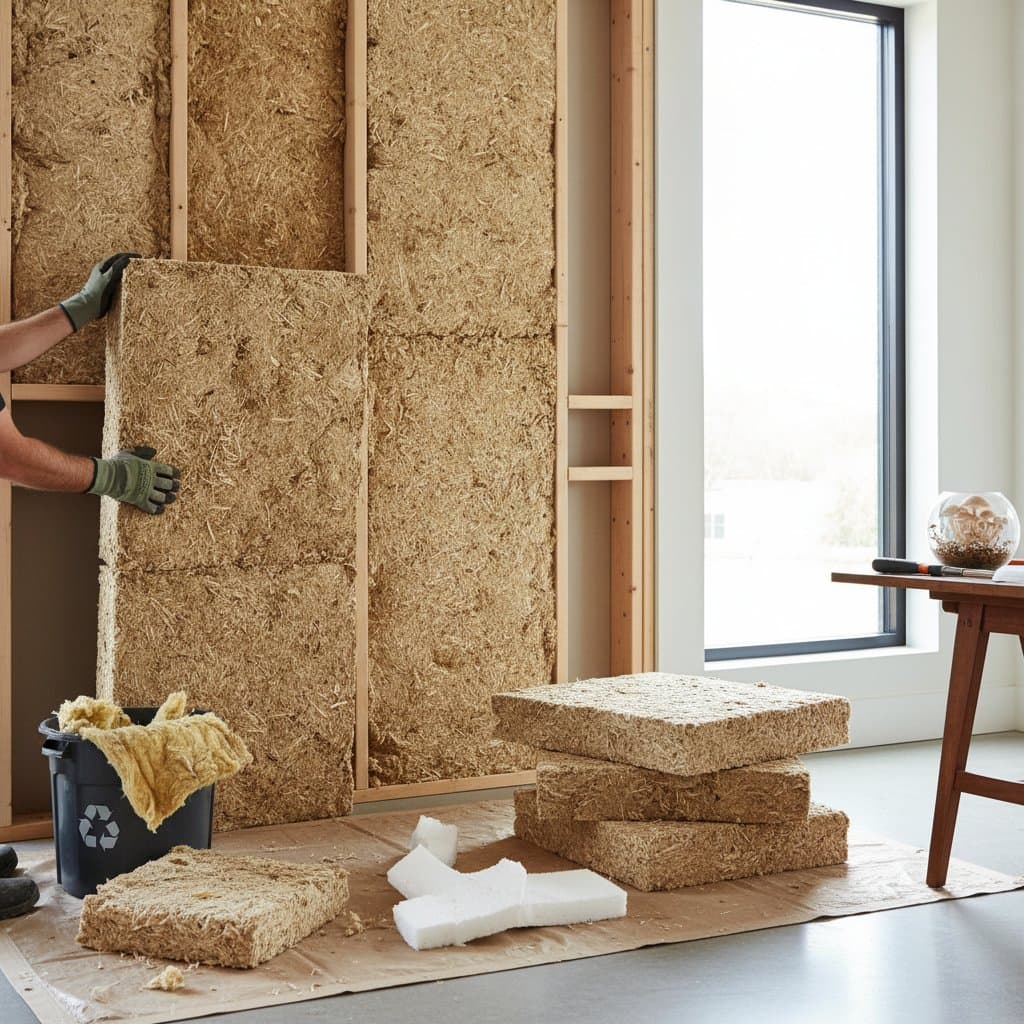
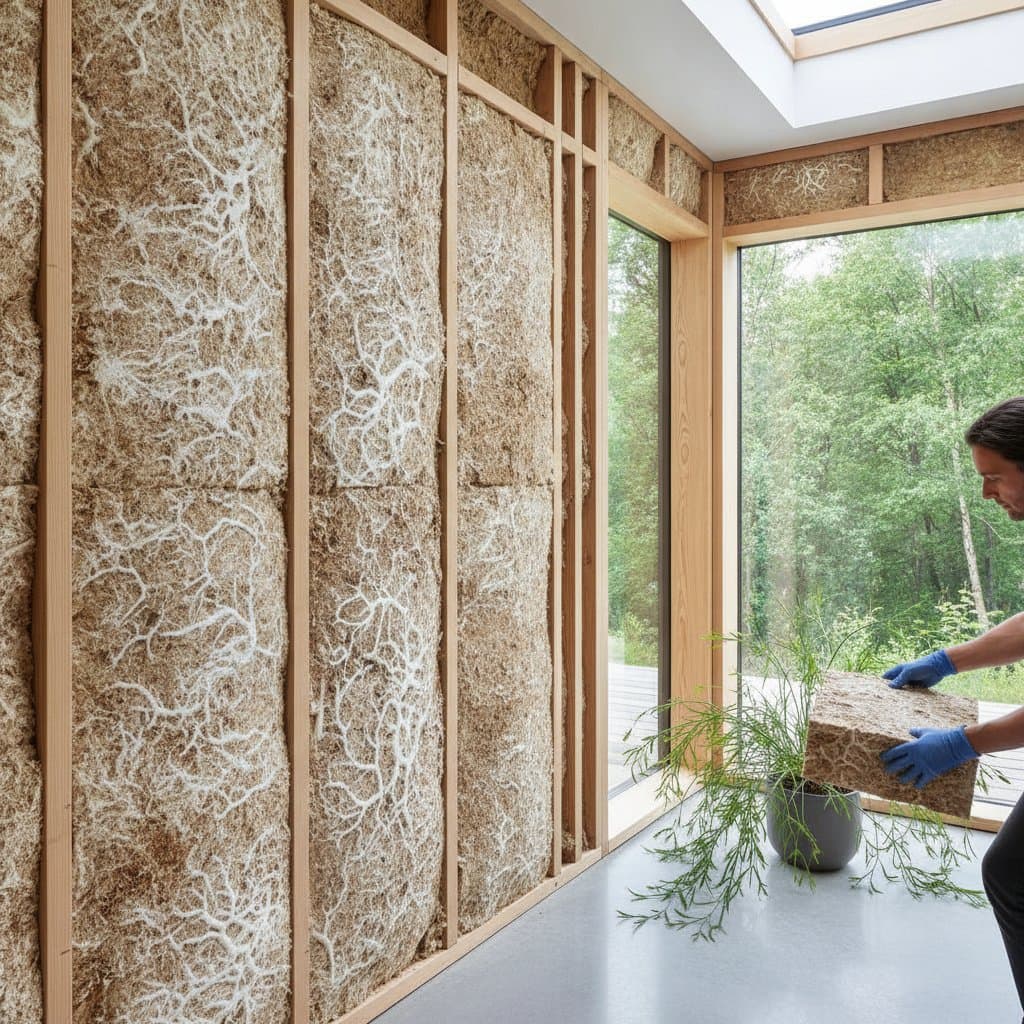
Mycelium, the underground network of fungal threads, forms the basis of this innovative insulation. Paired with substrates such as straw or corn stalks, it colonizes the material over several days, creating a cohesive, foam-like structure. The growth halts through drying or low-heat treatment, yielding rigid panels that resist fire and decompose naturally.
Builders appreciate its chemical-free composition and end-of-life compostability, which integrates seamlessly into circular economies. Unlike synthetic alternatives, this material aligns with biological processes, reducing reliance on petroleum-derived components and minimizing toxic residues.
Evaluating Performance and Feasibility
Mycelium insulation matches fiberglass in thermal resistance, typically achieving R-values of 3.5 to 4 per inch, suitable for walls, attics, and floors. It also excels in acoustic absorption, mitigating noise transmission in residential settings.
Production timelines extend to one or two weeks due to the biological growth phase, limiting immediate availability compared to mass-produced options. Sourcing occurs through specialized suppliers or custom orders, making it ideal for projects emphasizing environmental priorities. As adoption grows, distribution networks expand to accommodate broader demand.
Preparing for Installation: Essential Tools and Materials
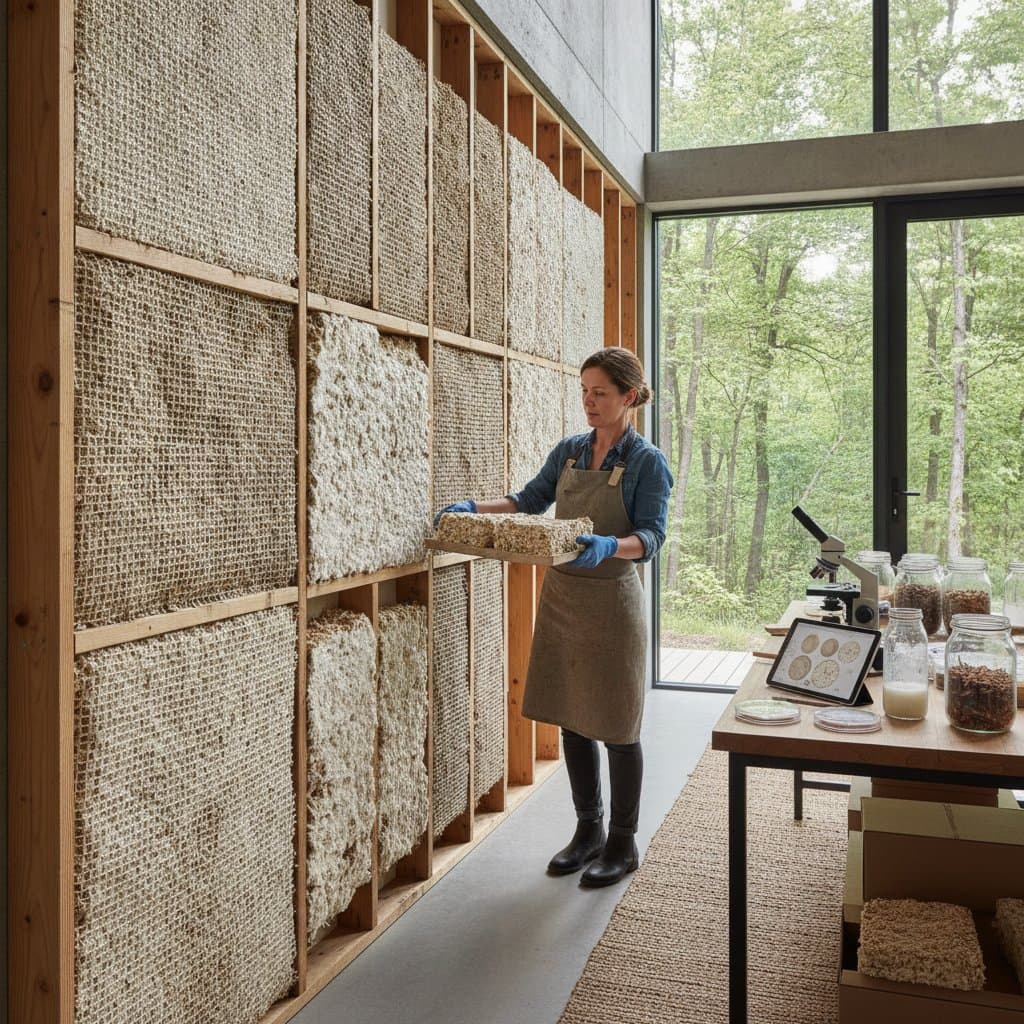
Approaching mycelium insulation resembles cultivating plants more than applying industrial products. Commercial panels simplify the process, but DIY enthusiasts can utilize starter kits with pre-inoculated substrates.
Required tools and materials:
- A controlled workspace maintaining 70-80% humidity and temperatures around 70-75°F
- Custom molds or frames, such as wooden forms lined with plastic sheeting
- Mycelium inoculum or complete growth kits from reputable suppliers
- Substrate fillers including chopped straw, hemp hurds, or wood chips
- Nitrile gloves and basic sterilization tools like alcohol wipes
- A drying space equipped with fans or a low-temperature oven (under 150°F)
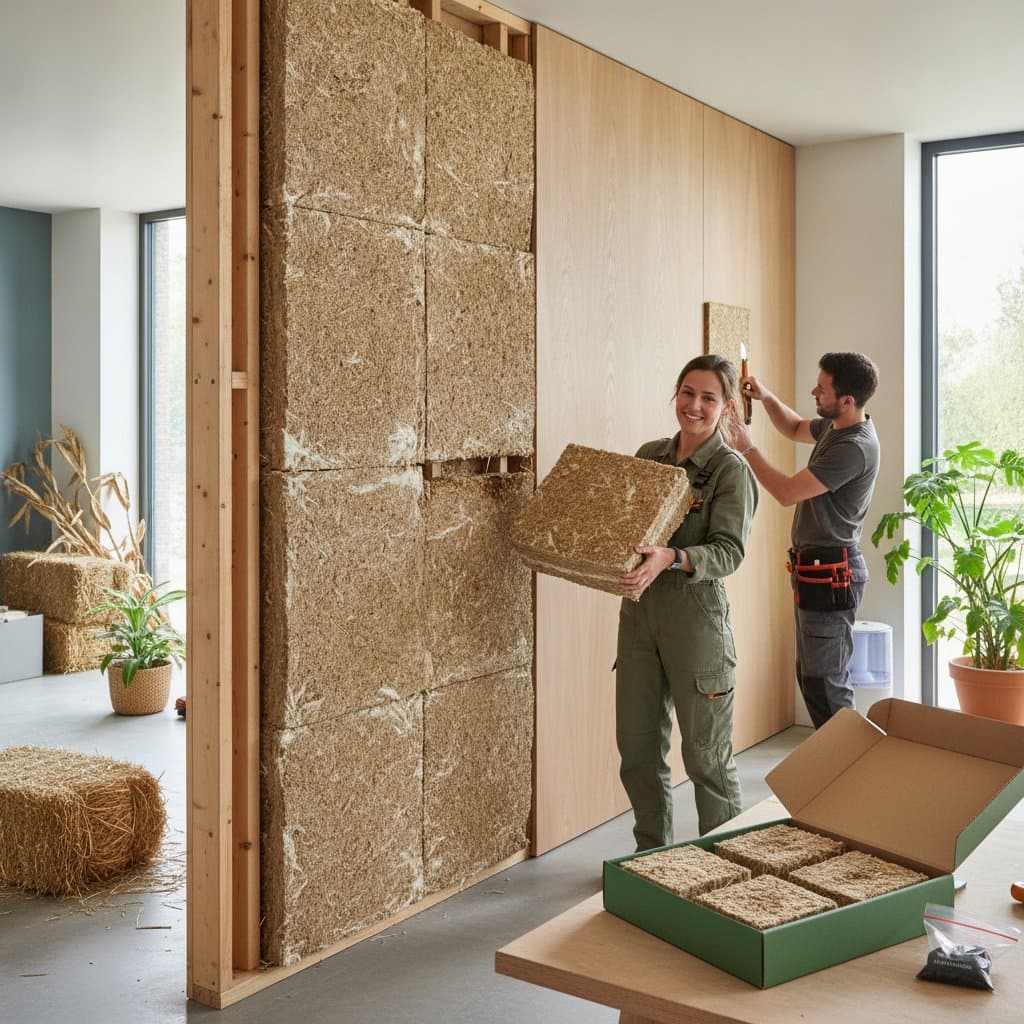
Combine the substrate with inoculum in a sterile environment, pack into molds, and incubate in darkness for 5-7 days. Monitor for uniform white mycelial coverage, then dehydrate thoroughly for 24-48 hours. Trim and fit the resulting panels into standard framing, securing with non-toxic adhesives if needed.
Installation Safety and Structural Guidelines
Handling mycelium panels avoids the need for respiratory protection, as they produce no airborne irritants or vapors. Their inherent fire retardancy stems from the fungal composition, which chars rather than ignites.
Compliance with local regulations remains crucial; verify certifications for fire ratings (often Class A) and structural integrity. In regions with stringent codes, submit documentation from manufacturers demonstrating performance equivalence to approved materials.
Moisture management demands vigilance post-installation. Panels maintain efficacy in dry conditions but soften if saturated. Integrate vapor barriers, such as polyethylene sheets or house wraps, and ensure proper ventilation in attics or crawl spaces. For moisture-prone areas like bathrooms or basements, pair with drainage systems or consult structural engineers.
Avoiding Pitfalls in Application
A frequent error involves installing panels before complete dehydration, which invites mold growth within walls. Always test dryness by weight or moisture meter, targeting under 10% content.
Inadequate sealing at edges compromises efficiency; apply plant-based sealants or mycelium-compatible tapes to bridge joints. This prevents air infiltration and sustains uniform insulation.
During home cultivation, contamination from wild molds disrupts growth. Sterilize all surfaces and substrates via pasteurization (heating to 160°F for 1 hour), and isolate the setup from household dust. Healthy growth appears as dense, even white filaments without green or black spots.
Engaging Professionals for Complex Projects
Projects involving structural modifications, wiring integration, or high-humidity environments benefit from expert involvement. Certified green builders assess site conditions, recommend hybrid systems combining mycelium with complementary materials, and ensure code adherence.
Professionals also optimize for longevity, incorporating sensors for moisture detection in vulnerable zones. Their expertise accelerates adoption of this material in commercial or large-scale residential applications.
Embracing Regenerative Building Practices
Mycelium insulation empowers homeowners to transition toward materials that regenerate rather than deplete resources. It fosters skills in bio-based construction, from small-scale experiments to full-home retrofits.
Beyond efficiency gains, it enhances air quality by eliminating chemical emissions and supports biodiversity through waste upcycling. Homeowners who integrate this option contribute to a broader shift in construction toward harmony with natural systems.