Why Choose Cork Walls for Superior Acoustics, Comfort, and Eco-Friendliness
Homeowners often dismiss cork as a wall covering due to its association with outdated bulletin boards or wine stoppers. In reality, cork panels revolutionize room acoustics, thermal performance, and overall sustainability. With over 20 years in renovations, the author confirms that cork delivers exceptional results in soundproofing, energy efficiency, and style without compromising durability.
Addressing Everyday Noise Challenges in Homes
Residents in apartments, townhouses, or noisy urban areas frequently contend with sound penetrating thin walls and resonant structures. Drywall, while common, fails to mitigate vibrations effectively, allowing echoes to amplify routine noises like footsteps or conversations. Temporary solutions such as acoustic foam or thick drapes provide superficial relief but do not address the root issue of vibration transmission. Effective noise control demands materials that inherently absorb and dissipate sound energy, positioning cork as an optimal choice.
The Science Behind Cork's Acoustic and Thermal Advantages
Cork's Inherent Sustainability Credentials
Harvesting cork involves stripping the bark from mature cork oaks, which regenerate every nine to twelve years without felling the trees. This process supports biodiversity in Mediterranean ecosystems and yields a material that sequesters carbon during growth. Unlike synthetic alternatives, cork decomposes naturally, recycles easily, and emits no volatile organic compounds, aligning with green building standards.
Its resistance to moisture, fungi, insects, and fire further reduces the need for preservatives or replacements, extending service life to 30 years or more. Homeowners committed to lowering their environmental profile find cork an ideal substitute for resource-intensive drywall production.
Step-by-Step Installation Guide for Cork Panels
Suitable for those with moderate DIY skills, cork wall installation demands precision for optimal results. Essential tools include a tape measure, spirit level, utility knife or fine-tooth saw for cuts, notched trowel and roller for adhesive application, cork-compatible construction adhesive, and protective gloves with clean cloths.
Prepare surfaces by ensuring they are smooth, dust-free, and fully dry. Plan the layout with chalk lines to achieve even panel alignment, avoiding visible seams. Spread adhesive in a consistent pattern, position panels starting from the bottom, and press firmly while using the roller to eliminate bubbles. For textured variety, alternate grain directions across adjacent panels to enhance visual interest.
Larger projects or those involving custom integrations, such as behind cabinetry, benefit from professional assistance. Experts manage complex measurements, substrate evaluations, and secure bonding to prevent future delamination.
Integrating Cork into Diverse Design Schemes
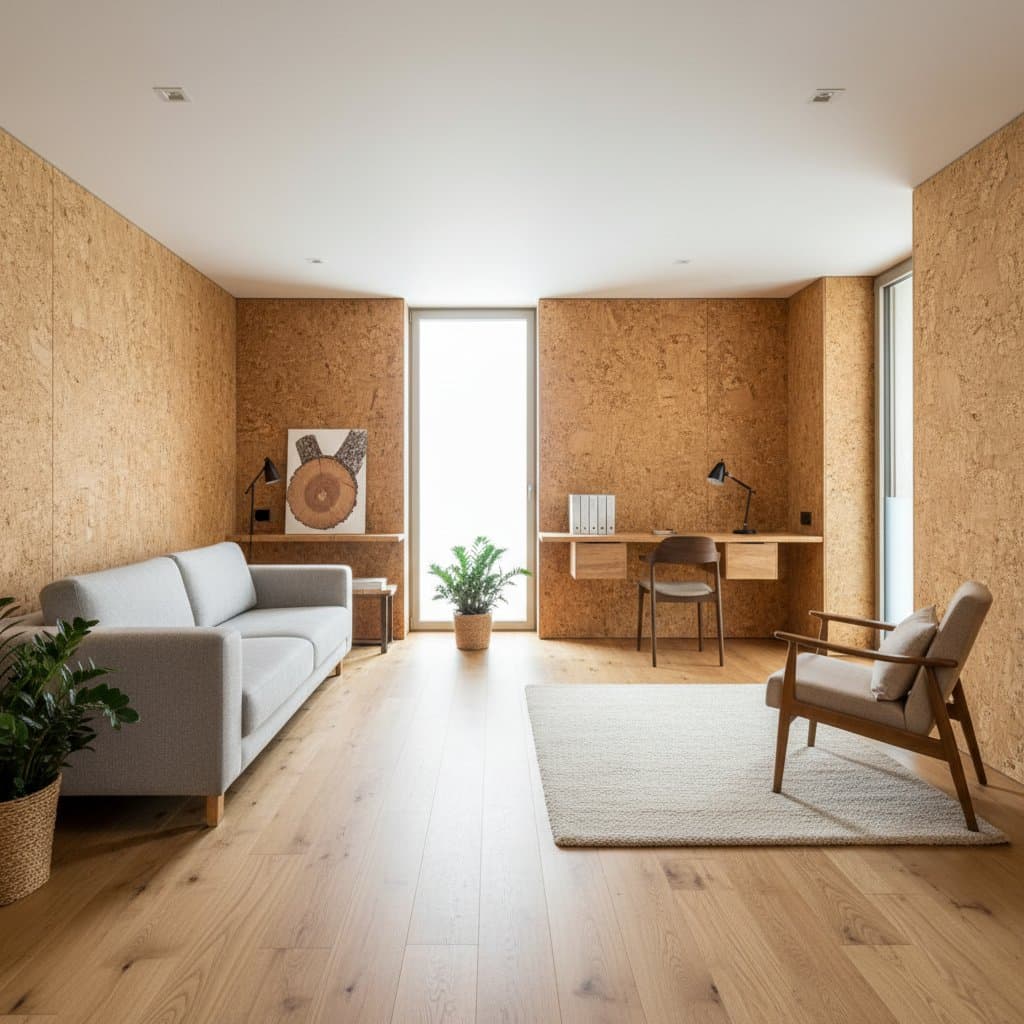
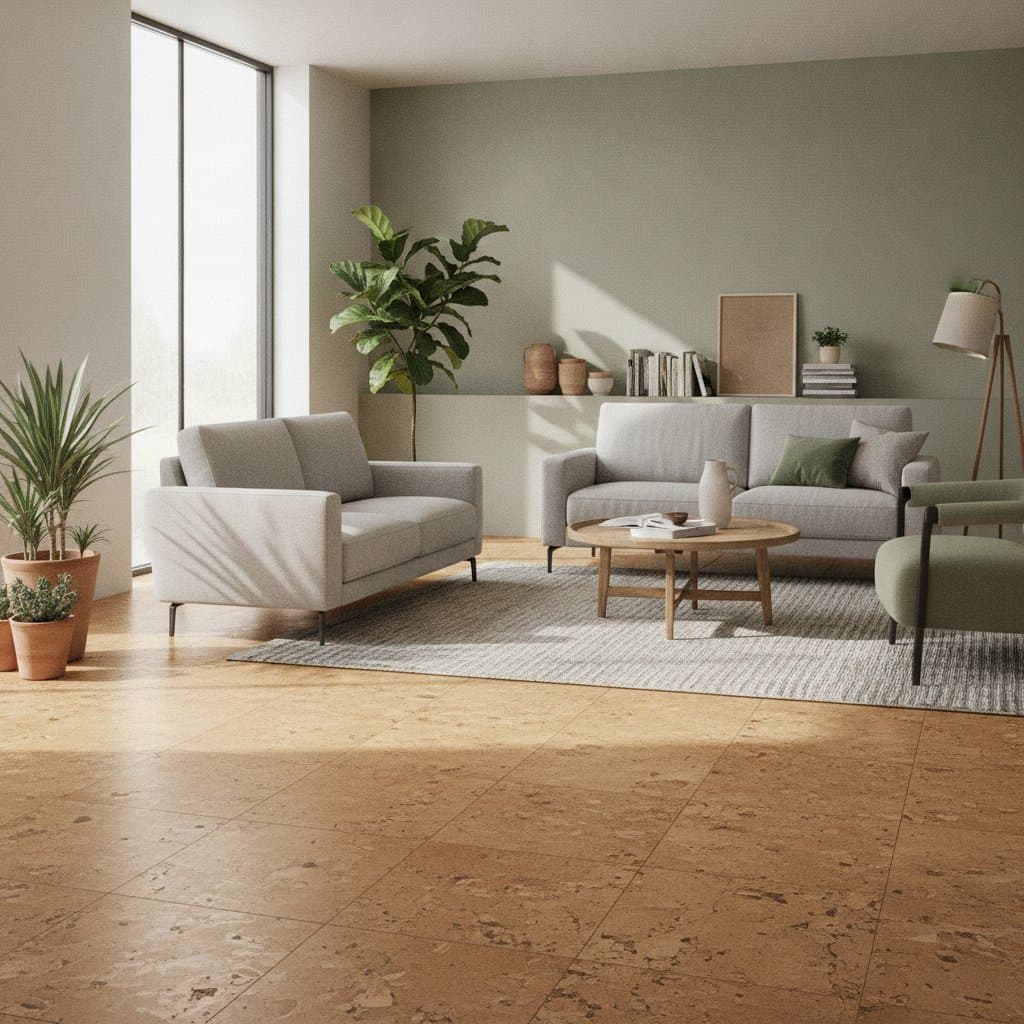
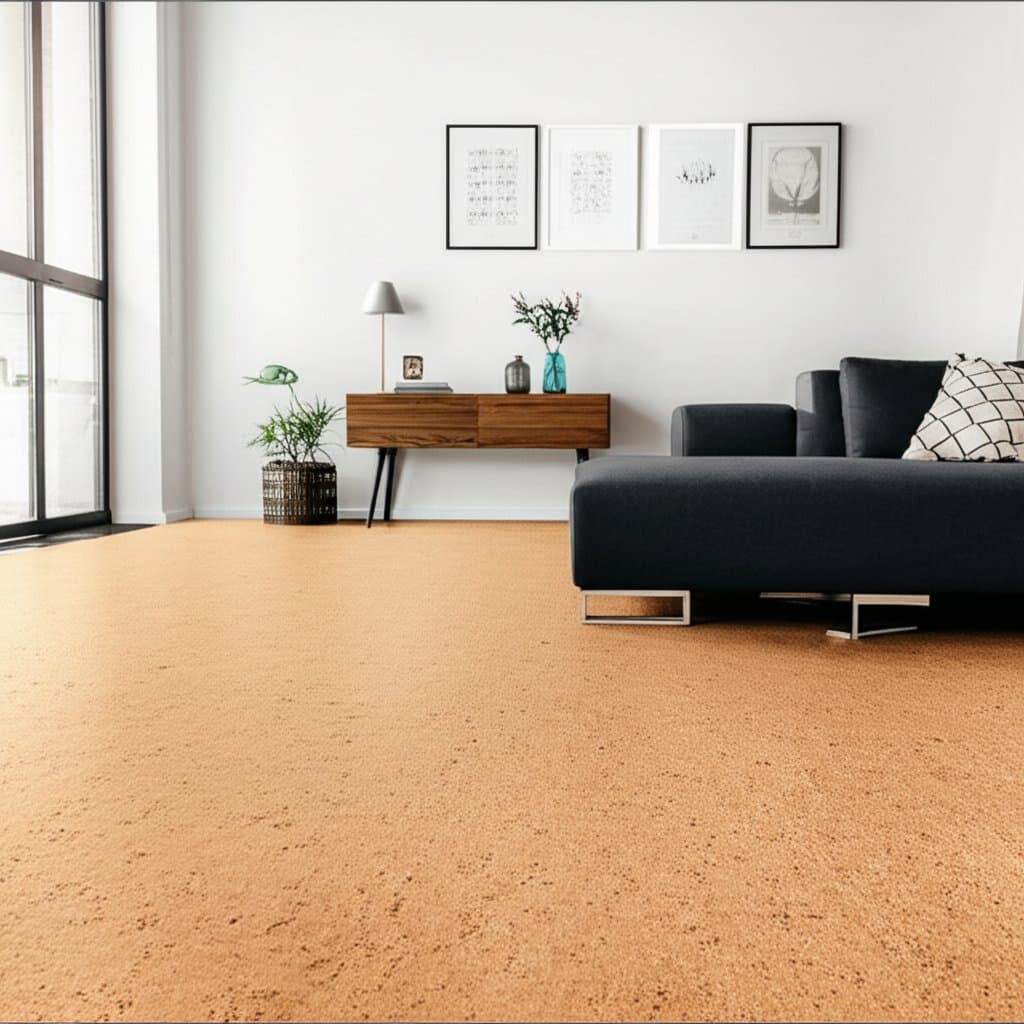
Modern cork panels transcend rustic origins, available in shades from pale beige to rich walnut and finishes from sleek matte to pronounced embossing. Customization options include light staining or protective sealing to harmonize with existing woodwork or textiles.
In contemporary settings, cork introduces subtle depth and warmth, complementing clean lines without dominating the palette. It suits high-traffic areas like home offices for focused work, bedrooms for restful nights, or entertainment spaces for immersive viewing, all while elevating tactile and auditory experiences.
Essential Tips for Flawless Cork Wall Implementation
-
Acclimate panels in the target room for 48 hours minimum to equilibrate with local humidity levels, preventing warping post-installation.
-
Apply sealant along all edges to shield against humidity fluctuations and preserve uniform coloration over time.
-
Retain 10 percent extra panels from the batch, as natural variations in cork ensure matching for any subsequent touch-ups.
-
For mounting artwork or shelves, employ wall anchors rated for the load, since cork's compressibility limits direct support for heavy objects.
Ensuring Lasting Performance Through Routine Care
Cork walls demand little maintenance to retain their vitality. Weekly dusting with a soft brush or microfiber cloth suffices, followed by spot-cleaning with mild soap and water as needed. Steer clear of abrasive or chemical-based products, which may dull the surface.
The material's resilience allows minor impacts to self-heal through elastic recovery, minimizing visible wear. In humid environments, periodic ventilation prevents any condensation buildup.
Cork walls deliver tangible improvements in quietude, coziness, and ecological responsibility, making them a worthwhile upgrade for discerning homeowners. Implement them strategically to enjoy enduring enhancements in daily living quality.