Understanding Self-Healing Paint
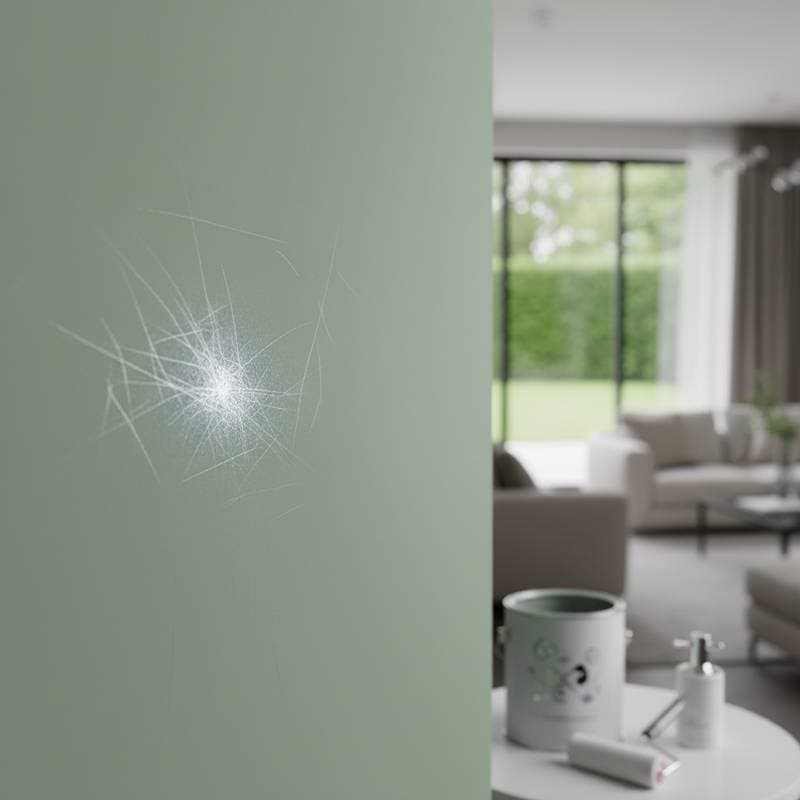
Self-healing paint introduces a breakthrough in home maintenance through nanotechnology. This coating contains microscopic particles that activate under everyday conditions like room temperature or light friction to close small scratches and scuffs. Homeowners benefit from walls that recover their smooth appearance without manual intervention, ideal for active households.
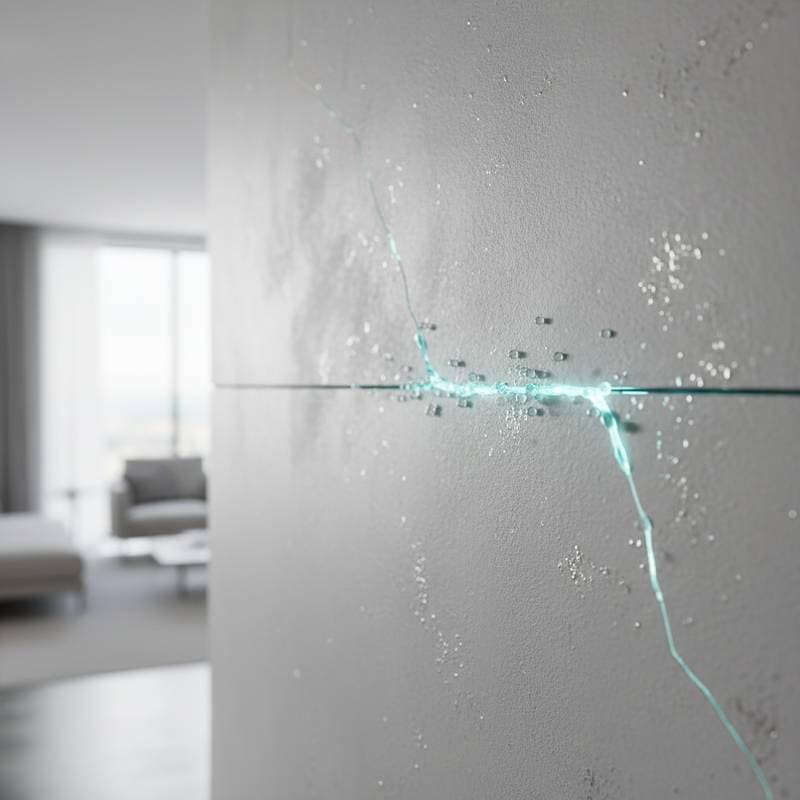
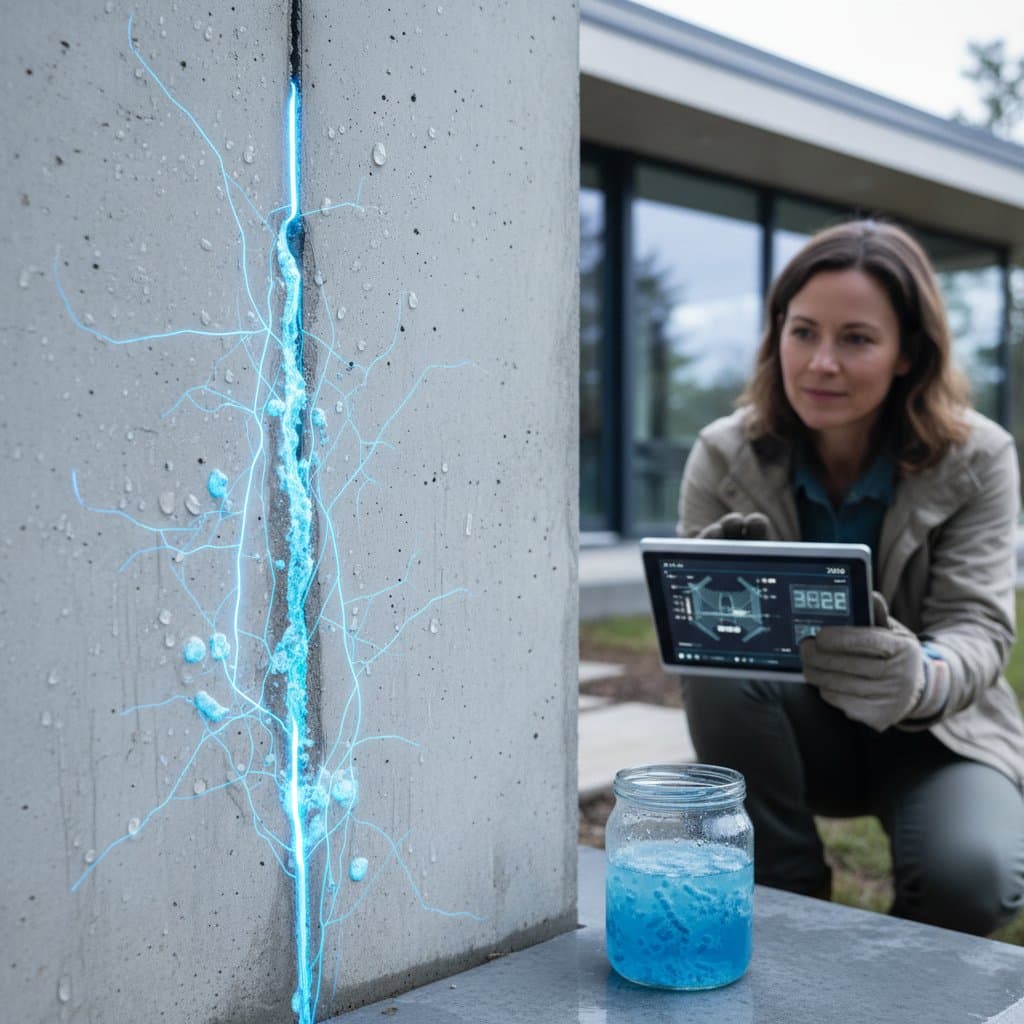
The technology mimics natural healing processes at a molecular level. When a surface encounters minor damage, the nano-agents realign to fill gaps, restoring integrity within hours. This results in fewer visible imperfections and a consistently fresh look, particularly valuable in areas prone to daily wear.
Project Essentials
Time and Cost Breakdown
Plan for 3 to 5 hours of active work to cover a standard room. Allow 24 hours total for drying, curing, and initial healing activation. Costs range from moderate to high, with a gallon priced 20 to 50 percent above conventional latex paints, depending on the brand and room size.
Skill Requirements
Intermediate DIY skills suffice for most applications. Familiarity with basic painting techniques ensures success, but always review the product's guidelines. Beginners may need guidance on surface preparation to maximize the healing properties.
Materials and Tools Needed
Essential Materials
- Self-healing interior paint matched to your wall type
- Compatible primer for bare or previously painted surfaces
- Painter's tape for clean edges
- Drop cloths or sheeting to protect floors and furniture
- Fine-grit sandpaper (220-grit recommended) for smoothing
- Mild detergent solution for cleaning
- Optional nano-topcoat to boost resilience in demanding areas
Required Tools
- Medium-nap roller for even application
- Angled brush for precise edging around trim and corners
- Paint tray with disposable liners for efficiency
- Stir stick or electric mixer to blend thoroughly
- Sturdy ladder or step stool for reaching high spots
- Gloves, respirator mask, and goggles for safety
- Lint-free rags to manage drips immediately
Application Process
Begin by preparing the surface: Clean walls thoroughly to remove dust and grease, then sand lightly for adhesion. Apply primer if switching colors or over unpainted drywall, allowing it to dry fully per instructions.
Stir the paint well to distribute nano-particles evenly. Use the roller for large areas, applying in a W-pattern to avoid streaks. Follow with the brush for details, maintaining a wet edge to prevent lap marks. Aim for two thin coats, spaced 4 to 6 hours apart, rather than one heavy layer.
After the final coat, ensure good airflow to aid curing. The self-healing mechanism activates during this phase, readying the surface for use within 24 hours. Test healing by gently scratching a inconspicuous spot and observing repair overnight.
Ensuring Quality and Longevity
Inspect for uniform sheen and texture once dry; uneven spots indicate poor coverage and may heal slower. Address patches with a light touch-up while wet. The nano-coating's flexibility withstands everyday impacts better than rigid paints, extending surface life by up to 50 percent in busy environments.
Regular checks every few months confirm performance. In homes with pets or children, this paint maintains vibrancy longer, reducing the visual toll of accidents. Professional results come from patience in layering and curing.
Everyday Maintenance Practices
- Clean surfaces weekly with a soft cloth dampened in soapy water; steer clear of harsh chemicals that might disrupt the nano-layer.
- Maintain indoor temperatures between 60 and 80 degrees Fahrenheit to support healing efficiency.
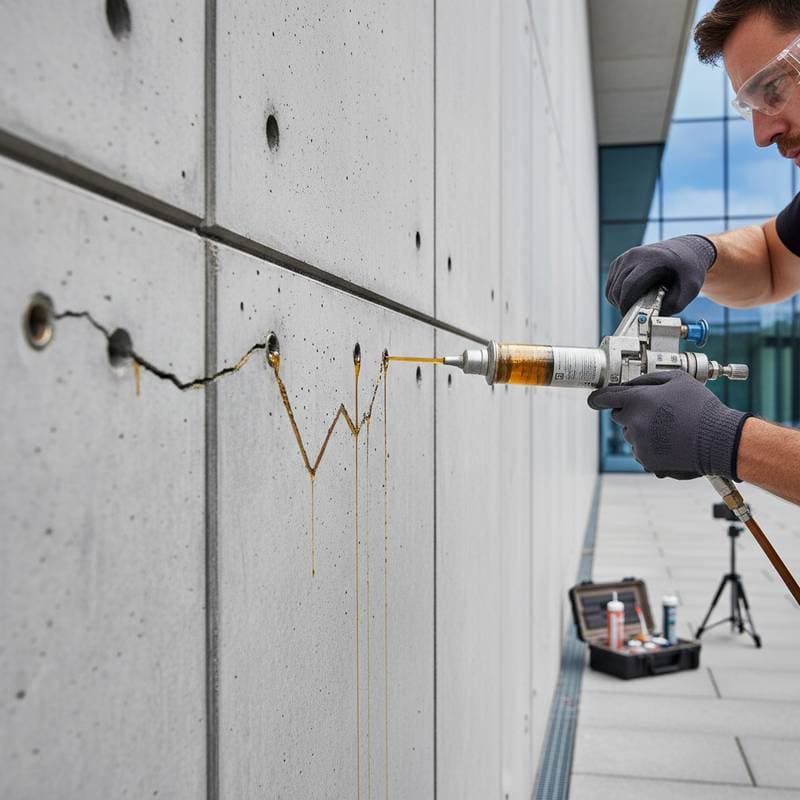
- For deeper damage, sand gently, reapply paint thinly, and let it bond naturally over 48 hours.
These routines keep walls looking new with far less effort than standard paints demand.
Self-Healing Versus Conventional Paints
Standard latex paints depend on rigid films that crack under stress, necessitating spot fixes or full recoats. Self-healing variants incorporate elastic polymers that reform after deformation, erasing fine marks autonomously.
Users notice sustained gloss and color depth, as the surface self-renews. This leads to 30 to 40 percent fewer interventions annually, freeing time and budget for other home projects. The shift proves especially worthwhile in modern, lived-in spaces.
Safety and Sustainability Notes
These paints typically feature low volatile organic compounds, making them suitable for family interiors. During application, ventilate the room and use personal protective equipment to avoid inhalation or skin contact. Follow community rules for disposing excess paint through recycling programs.
Advancements include water-based formulas that enhance eco-friendliness. Such options not only lower emissions but also stabilize the nano-elements for reliable, long-term function.
Expert Techniques for Optimal Results
Seal paint cans tightly after each use to safeguard nano-integrity from air exposure. Prioritize thin applications for superior activation. Keep remnants in a cool, dry spot to retain efficacy.
Skip wax polishes or oil sprays, which can seal out the healing agents. Always trial the product on a discreet area to verify adhesion and finish. These practices elevate outcomes to match expert standards.
Realizing Lasting Home Improvements
Adopting self-healing paint bridges traditional craftsmanship with innovative materials. Homeowners gain durable, low-maintenance walls that enhance daily living. This choice supports a more resilient interior, minimizing disruptions and maximizing enjoyment.