Key Points
- Mycelium insulation offers an eco-friendly alternative to fiberglass and foam, providing natural thermal protection without releasing harmful chemicals.
- Sourced from mushroom roots, this material is fully biodegradable, renewable, and carbon-negative across its entire production cycle.
- It matches the thermal resistance of traditional insulators while surpassing them in sound absorption and humidity regulation.
- Sustainable builders and architects choose it for its adaptability, affordability, and lower environmental footprint.
- Homeowners enjoy lower energy bills, better indoor air quality, and simple end-of-life composting that returns nutrients to the earth.
Cultural Shift: From Concrete Dreams to Living Materials
Home design once prioritized permanence with materials such as concrete, plastic, and synthetic foams. These choices represented progress but carried heavy costs, from energy-intensive production to lasting pollution and waste. Today, sustainable materials mark a reversal, emphasizing structures that perform responsibly in use and break down safely at the end.
The Performance Factor: How It Compares to Conventional Insulation
Skeptics question if a product from mushrooms can compete with proven insulators. Data proves otherwise, with strong performance indicators. Mycelium panels achieve thermal resistance levels equal to fiberglass and mineral wool, making them reliable for temperature control.
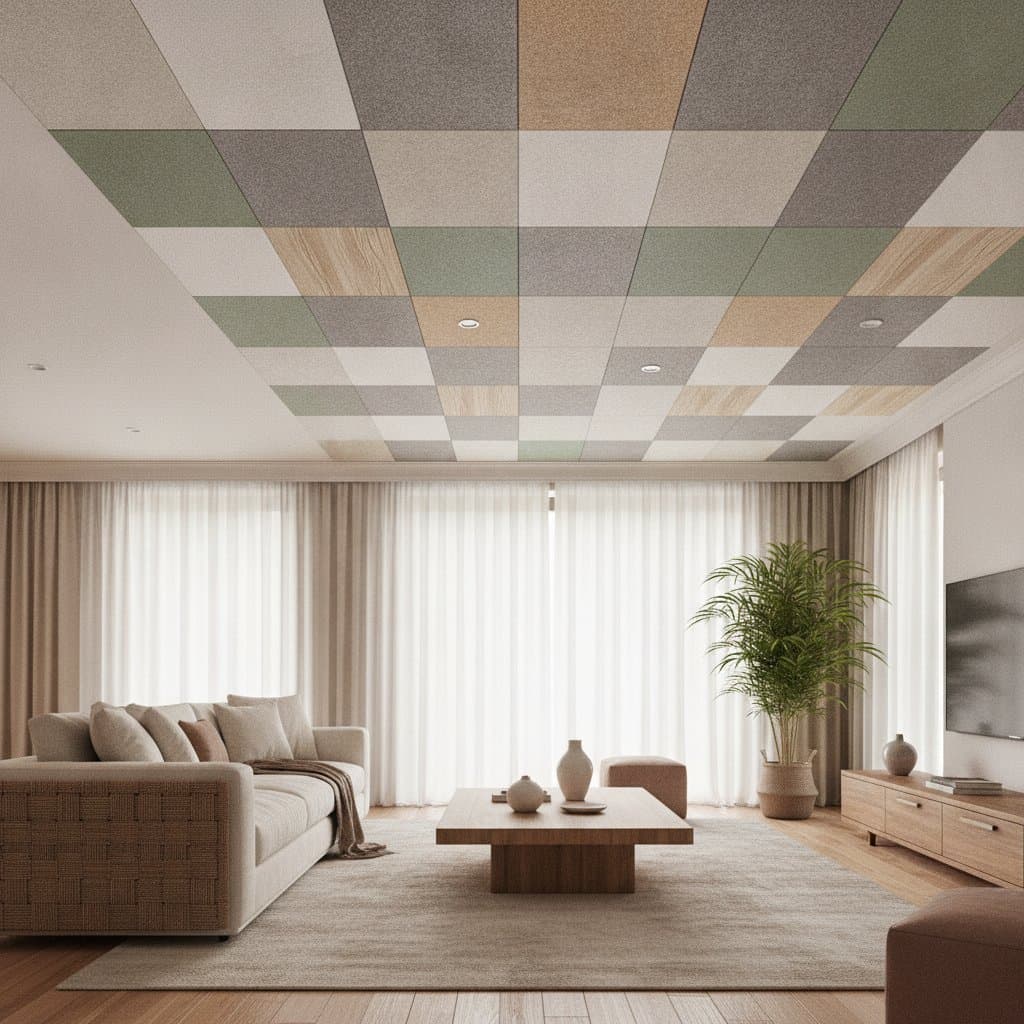
They go beyond in other areas, such as acoustic insulation, which helps in busy urban environments by reducing external noise. Fire safety adds another layer of assurance. The natural chitin in mycelium resists flames and slows fire spread, unlike synthetic foams that release toxic fumes when burned; mycelium simply carbonizes cleanly.
Air quality sees the biggest improvement. Traditional materials often off-gas volatile organic compounds, leading to breathing problems and poorer indoor environments. Mycelium avoids this entirely, creating safer spaces especially for families with children or those sensitive to allergens.
Expert Insights: Why Builders Are Paying Attention
Carla Mendoza, an architectural engineer focused on sustainable homes, describes mycelium insulation as a blend of performance and principle. "It is not just about lowering energy use," she explained. "It is about rethinking what building materials can be. When something grows instead of being manufactured, it changes our relationship with the environment."
Contractors appreciate its practical side. The lightweight panels reduce strain during installation, and basic tools work for cutting them to size. Fitting follows the same process as standard batts or boards between wall studs.
Its breathable quality allows moisture to escape, preventing the mold issues that plague non-porous synthetics. On the financial front, upfront costs match other innovative materials, and experts predict price drops with wider production. Real projects already show returns through better energy efficiency and easy, toxin-free disposal.
Real-World Scenarios: Where Mycelium Insulation Thrives
Mycelium insulation works well in a range of settings, adapting to different needs.
- In urban apartments, it cuts noise and manages humidity, suiting older buildings with limited ventilation.
- Suburban homes use it to cut energy use while maintaining fresh indoor air.
- Rural cabins or off-grid setups benefit from its compostability, aligning with independent lifestyles.
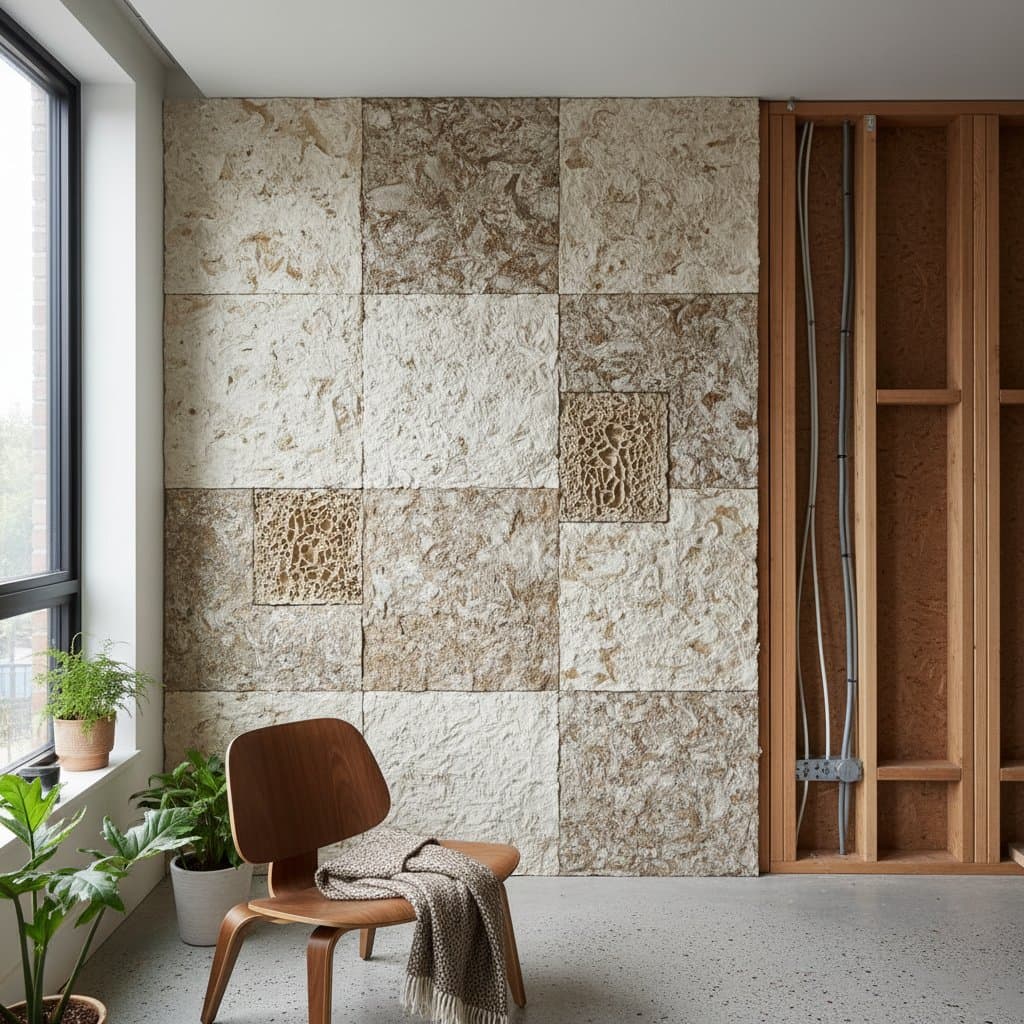
- Commercial spots like cafes and studios highlight its natural look, sometimes leaving panels visible for added appeal.
Designers often combine it with reclaimed wood or clay elements to create living walls. The material's subtle texture adds warmth to contemporary interiors, turning sustainability into a visible feature.
Making It Happen: Bringing Mycelium Into Your Home
To introduce mycelium insulation, first locate trusted suppliers who provide pre-made panels or blocks. These work for smaller updates, like adding dividers, soundproofing rooms, or customizing retrofits.
For larger renovations, partner with contractors skilled in biological materials. They assess details such as local humidity levels, airflow patterns, and how it integrates with existing structures. Best outcomes come in systems with good ventilation that match the material's breathability; steer clear of fully sealed installations.
Maintenance requires little effort. The sturdy mycelium holds up over time without chemicals or special care. If sections wear out, remove them easily for spot repairs and composting, keeping the full cycle sustainable.
Embracing Mycelium for Sustainable Living
Adopting mycelium insulation supports both personal comfort and global well-being. It brings quick wins in efficiency and health, plus long-term gains for the planet through reduced waste and carbon capture. As more people choose it, building practices evolve to work in rhythm with natural systems.