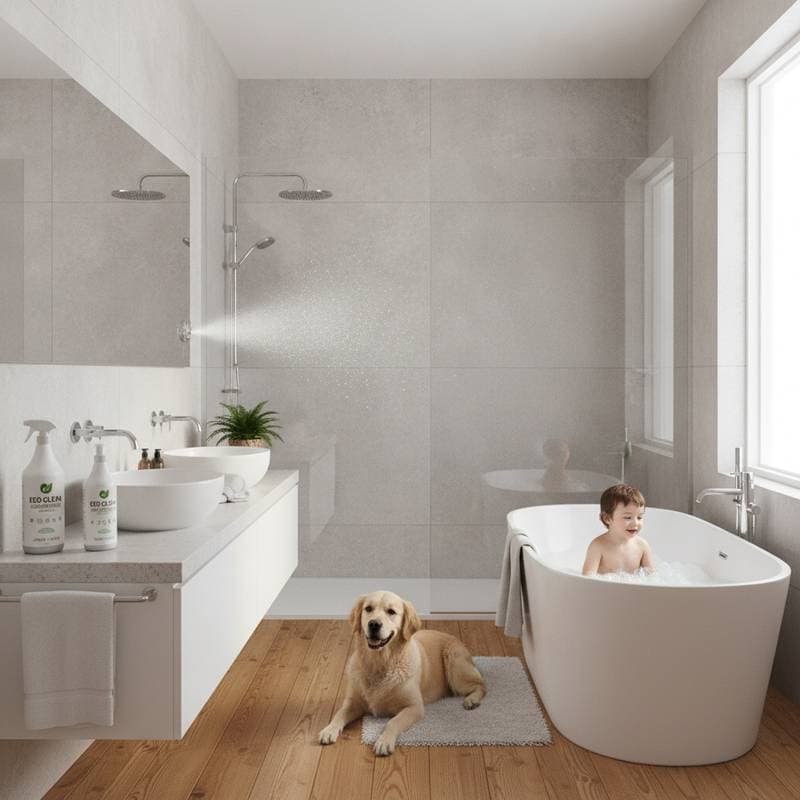
Grout-Free Tiles: The Easy-Clean Bathroom Game-Changer
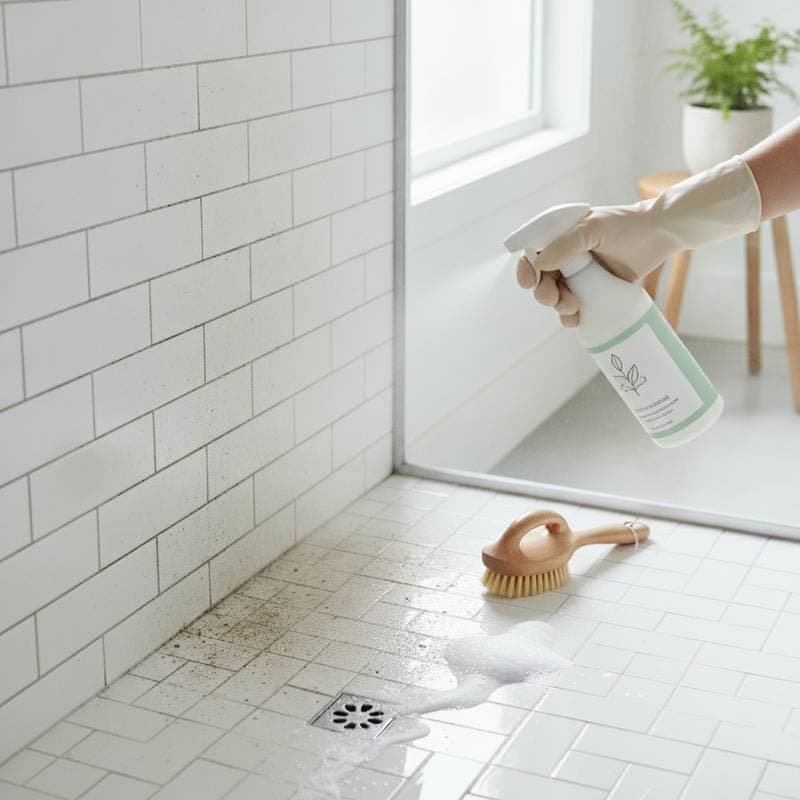
If you dread scrubbing bathroom grout lines, you are not alone. Grout stains easily, traps mildew, and never quite looks clean no matter how often you tackle it. That is why grout-free tiles are gaining major attention in bathroom design. They promise the sleek look of tile without the hassle of grout maintenance, and they are changing how homeowners think about both cleanliness and style.
Grout-free tiles are not just a passing trend. They are a smart response to one of the most persistent frustrations in bathroom upkeep. Whether you are planning a renovation or just exploring options for future updates, understanding what makes these tiles so practical can help you create a space that feels fresh, modern, and easy to maintain.
Why Grout-Free Tiles Are Getting So Much Attention
What Exactly Are Grout-Free Tiles?
The term "grout-free tile" can refer to several different types of wall and floor panels that create the appearance of tile without the need for traditional grout lines. Common materials include:
- Acrylic or PVC panels that imitate tile patterns
- Large porcelain slabs installed with nearly invisible seams
- Engineered stone panels like quartz or solid surface
- Laminate wall panels designed for wet areas
Each option has its own benefits, but all share one key trait: minimal or no grout. This makes cleaning faster and surfaces smoother, which also gives bathrooms a more spacious and refined look. For instance, acrylic panels offer flexibility for curved surfaces, while porcelain slabs provide superior heat resistance for heated floors.
The Appeal of a Seamless Surface
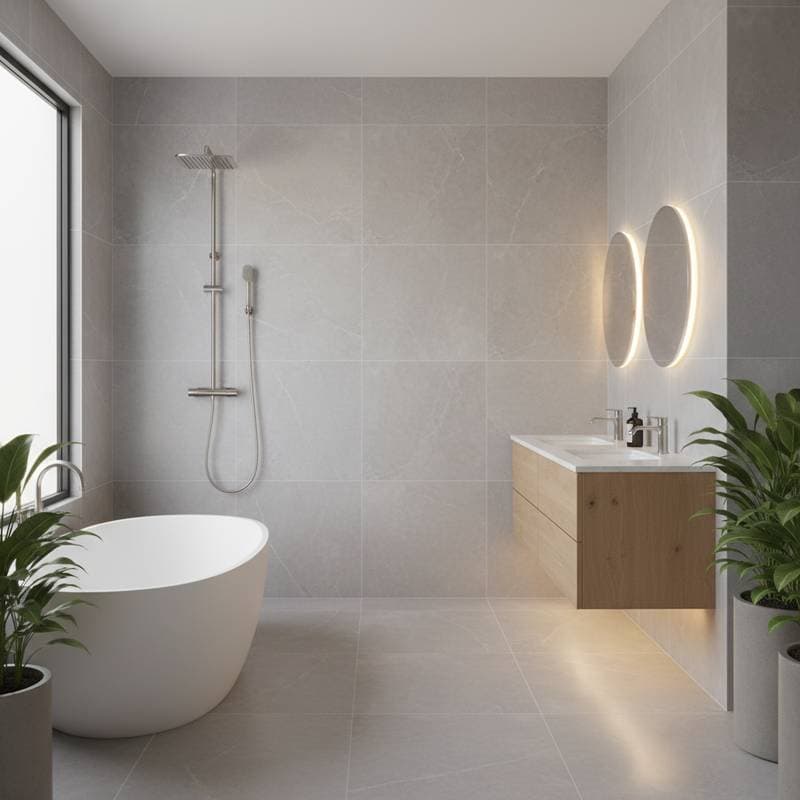
Grout-free surfaces have a distinct visual advantage. Instead of dozens of small tiles broken up by lines, you get a clean, uninterrupted finish. This makes small bathrooms look larger and more cohesive.
Designer Maya Torres of Brightline Interiors says, "When you remove the visual clutter of grout lines, your eye sees the whole wall as one plane. It feels calmer, more open, and more luxurious."
That sense of calm is exactly what many homeowners want in a bathroom. Smooth walls and floors reflect light more evenly, which brightens the space and can make even compact bathrooms feel airy. In addition, the lack of grout allows for bolder color choices, as the surface maintains uniformity without line interruptions.
Less Cleaning, More Living
The biggest reason people love grout-free tiles is the cleaning factor. Without grout, there are fewer crevices where soap scum or mildew can hide. Wiping down walls or floors becomes a quick task rather than a major chore.
Most grout-free panels only need mild soap and water for cleaning. Many are also resistant to stains, scratches, and moisture. If you have ever spent a weekend scrubbing tile lines with a toothbrush, this upgrade can feel life-changing.
Contractor Eli Navarro of Coastal Bathworks explains, "The maintenance difference is huge. Traditional tile needs resealing of grout and regular deep cleaning. With grout-free panels, you just wipe and go. It is that simple."
Design Versatility for Every Style
Just because a surface is practical does not mean it has to look plain. Grout-free tiles come in an impressive range of styles. You can find options that mimic marble, concrete, wood grain, or classic ceramic tile. Some even have printed tile patterns that give the illusion of grout without the real thing.
Here are a few popular design directions:
- Modern minimalism: Choose large-format porcelain slabs in matte white or soft gray for a spa-like feel.
- Warm and natural: Try engineered stone or quartz panels with subtle veining for a calm, organic look.
- Classic charm: Opt for printed acrylic panels that mimic subway tile or herringbone patterns without real grout.
- Bold statement: Go for dark stone-look surfaces or high-gloss finishes for a dramatic, high-end aesthetic.
The key is to choose a finish that fits your overall bathroom design while taking advantage of the easy maintenance these materials offer. Pairing a seamless white slab with brass fixtures, for example, elevates a simple powder room to boutique-hotel status.
Where Grout-Free Tiles Work Best
Grout-free tiles are ideal for wet zones like shower walls and tub surrounds, but they can also be used for full bathroom walls, vanity backsplashes, and even flooring. Because they are moisture-resistant, they perform well in high-humidity environments.
For floors, look for slip-resistant finishes designed for wet areas. Large porcelain slabs are a great choice for this, as they are both durable and elegant. For walls, lightweight acrylic panels can be installed quickly and are perfect for DIY-friendly projects.
If you are remodeling, discuss your options with your contractor early in the process. Some grout-free materials can be installed directly over existing tile, which can save time and reduce demolition mess. This approach works particularly well for shower enclosures, where access is limited.
Installation and Cost Considerations
While grout-free tiles simplify cleaning, their installation can vary depending on the material. Acrylic and PVC panels are relatively lightweight and can often be installed in a single day. Large porcelain or stone slabs typically require professional installation due to their weight and precision cutting.
The cost of grout-free tiles depends on the material and size of your space. Acrylic panels are usually the most budget-friendly, starting at around $10 per square foot, while engineered stone or porcelain slabs fall on the higher end, up to $50 per square foot. Even so, many homeowners find that the reduced maintenance and long-term durability make them well worth the investment.
Designer Aaron Blake of Studio Forma points out, "When you factor in the time and cost of cleaning products and resealing grout over several years, grout-free surfaces often come out cheaper in the long run."
Sustainability and Health Benefits
Beyond convenience, grout-free tiles can also support a healthier indoor environment. Traditional grout can harbor bacteria and mold spores, especially in humid bathrooms. Seamless panels reduce these risks by eliminating the porous lines where moisture tends to collect.
Some manufacturers now offer grout-free panels made from recycled materials or low-VOC composites, which can make them a more eco-conscious choice. They also tend to last longer than smaller tiles, which helps reduce waste from frequent renovations. For example, porcelain slabs can endure 20-30 years with minimal wear, compared to grout that may need replacement every 5-10 years.
As designer Leah Morton notes, "Sustainability is not just about what something is made of, but how long it lasts. A material that stays beautiful for decades is sustainable in its own right."
Common Misconceptions About Grout-Free Tiles
Because the term "grout-free" is fairly new in the mainstream market, there are a few common misunderstandings worth clearing up:
- They are not just for modern bathrooms. While they do lend a sleek look, there are plenty of traditional and transitional styles available.
- They are not fragile. High-quality panels, especially porcelain and engineered stone, are extremely durable.
- They can be repaired. If a section is damaged, many systems allow for panel replacement without removing the entire wall.
- They are not plastic-looking. New printing and finishing technologies create remarkably realistic stone and tile effects.
Understanding these points can help you confidently consider grout-free options without hesitation. Testing samples in your lighting conditions ensures the finish aligns with your vision.
Maintenance Tips for Long-Lasting Beauty
Even though grout-free tiles require less upkeep, a few small habits can help keep them looking their best:
- Use gentle cleaners. Avoid harsh abrasives that could dull the finish.
- Rinse after use. A quick rinse or wipe after showers prevents soap buildup.
- Inspect seals. If panels have joints or corners sealed with silicone, check them occasionally for wear.
- Avoid heavy impacts. While durable, large slabs can chip if struck with something hard.
With consistent care, these surfaces can maintain their fresh look for many years. Regular ventilation also prevents moisture accumulation, extending the material's lifespan.
Living with a Grout-Free Bathroom
Once you have experienced a bathroom without grout maintenance, it is hard to go back. Many homeowners describe the difference as liberating. The bathroom feels cleaner, looks sleeker, and requires less energy to maintain. That extra time can be spent enjoying the space instead of scrubbing it.
Designer Maya Torres sums it up perfectly: "Our homes should support our lives, not add to our to-do lists. A grout-free bathroom does exactly that."
Making It Happen
For small updates, acrylic or PVC panels can transform a shower quickly with minimal disruption. For full remodels, porcelain slabs or engineered stone create a luxurious finish that feels custom.
Bathrooms are personal spaces where design and function meet daily life. Choosing grout-free tiles is not just about following a trend; it is about upgrading your everyday experience. Start by measuring your space and gathering material samples to visualize the change.