Understanding AI's Role in Wall Repairs
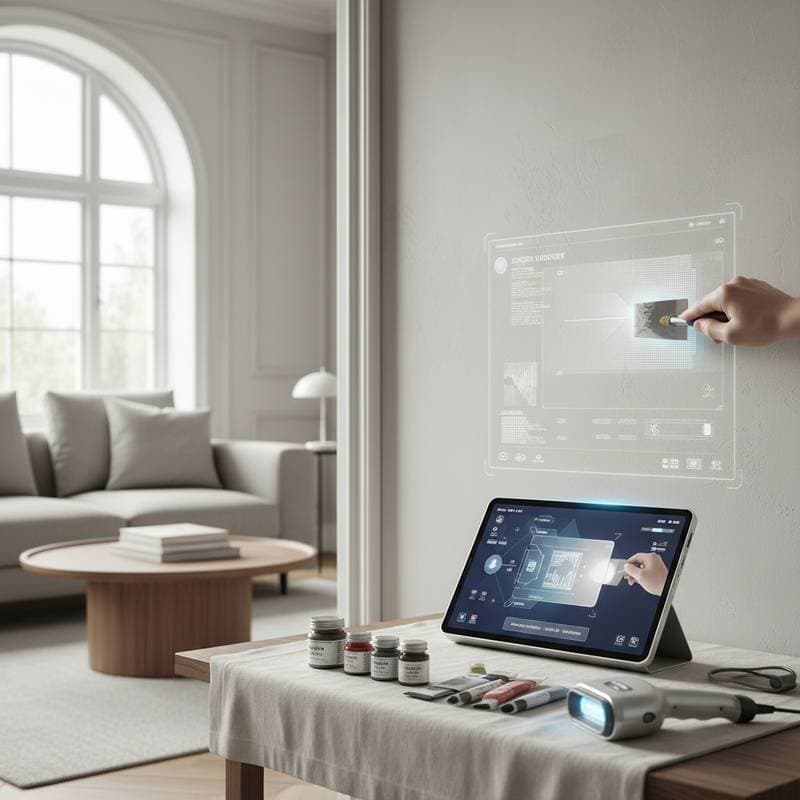
Wall repairs often challenge homeowners seeking professional results without expert help. AI tools now simplify this process by providing precise guidance on material selection and application. These innovations analyze images of damaged areas to suggest matching compounds, paints, and techniques, resulting in finishes that blend invisibly with surrounding surfaces.
For minor imperfections like nail holes or small dents, AI accelerates the workflow while maintaining quality. Homeowners benefit from reduced trial-and-error, as digital analysis accounts for variables such as wall texture and ambient lighting. This approach not only saves time but also conserves resources, making repairs accessible to a wider audience.
Key Benefits of AI-Assisted Patching
AI integration offers distinct advantages for wall maintenance projects. First, budget savings emerge through minimized waste; precise recommendations prevent excess purchases of paint or compound. Second, faster completion times allow projects to finish in hours rather than days, ideal for busy schedules.
Deciding Between DIY and Professional Help
Not all wall issues suit self-repair, even with AI support. Ideal candidates include superficial damage such as holes from wall anchors or minor scuffs from furniture. AI apps scan these areas via smartphone cameras, recommending joint compound types and paint shades tailored to the wall's finish.
Professionals handle more serious concerns to ensure safety and compliance. Seek expert assistance if damage reveals electrical wiring or plumbing lines, as improper handling risks hazards. Moisture intrusion or mold growth behind drywall demands thorough inspection to prevent health issues or further deterioration.
Structural problems, like cracks indicating settling foundations, require specialized evaluation. Large patches covering multiple square feet, especially in load-bearing walls, exceed typical DIY scope. AI aids by documenting issues for professionals, facilitating quicker assessments and consistent aesthetic outcomes across the home.
Essential Materials for Effective Repairs
Selecting appropriate materials forms the foundation of successful patching. Lightweight joint compound suits most drywall applications, offering easy application and quick drying. For holes larger than one inch, reinforce with mesh tape or a drywall patch to ensure stability.
Primer prepares the surface for optimal paint adhesion, chosen based on the existing wall finish, such as matte or semi-gloss. AI tools identify matching paints by processing scans, suggesting brands and formulas for exact replication. Fine-grit sandpaper, ranging from 120 to 220, smooths surfaces without damaging surrounding areas.
Clean microfiber cloths maintain a dust-free workspace, crucial for flawless results. Budget-conscious users start with free AI apps for color analysis; premium options deliver advanced suggestions on compound viscosity and primer compatibility. These choices support small-scale projects while scaling for broader repairs.
Step-by-Step Guide to AI-Guided Wall Patching
Begin by cleaning the damaged area thoroughly to remove debris and loose material. Use a utility knife to square off irregular edges, creating a clean rectangle for patching. AI apps then scan the site under even lighting, providing data on required compound depth and texture simulation.
Apply joint compound with a putty knife, feathering edges outward for gradual blending. For textured walls, employ a damp sponge to stipple the surface as it sets, following AI-recommended patterns. Allow drying intervals guided by the tool, typically 15 to 30 minutes per layer.
Sand lightly once dry, checking flatness with a straight edge. AI verifies progress through follow-up scans, adjusting advice for subsequent coats. Prime the patch, then apply paint in thin layers, using a roller for even coverage and a brush for edges.
Final inspection involves stepping back under various lights to assess seamlessness. AI comparison features highlight discrepancies, prompting minor touch-ups. This methodical process yields repairs that withstand scrutiny, enhancing home aesthetics durably.
Troubleshooting Common Challenges
Even guided repairs encounter hurdles, but proactive steps resolve them efficiently. Raised edges often result from over-application; mitigate by using multiple thin layers and gentle sanding passes. Maintain light pressure to avoid gouging adjacent paint.
Color mismatches arise from inconsistent scanning conditions; recalibrate under neutral daylight for accuracy. AI may recommend subtle tints or glazing techniques to harmonize hues post-drying. Texture variances on patterned walls demand careful replication; practice AI-suggested motions on scrap material first.
Drying inconsistencies prolong projects; ensure ventilation accelerates the process without cracking. If bubbles form in compound, puncture and smooth immediately. These solutions, informed by digital feedback, elevate amateur efforts to professional standards.
Blending Traditional Craftsmanship with AI Innovation
AI enhances rather than replaces skilled techniques honed over generations. Builders value the tactile feedback of material application, adjusting based on wall age and composition. For instance, vintage plaster walls benefit from lime-based fillers over synthetic compounds, despite AI defaults.
Integrate digital insights with manual expertise by cross-verifying suggestions. Feel the compound's consistency during mixing, and observe drying under real conditions. This hybrid method respects historical methods while leveraging technology for precision.
Experienced practitioners adapt AI outputs to site-specific nuances, such as humidity effects on paint. The result combines reliability with artistry, producing repairs that honor a home's character. Homeowners gain confidence through this balanced approach, fostering sustainable maintenance habits.
Practical Tips for Optimal Results
- Maintain uniform lighting during all scans to avoid skewed AI interpretations.
- Record paint color codes on containers for effortless future matching.
- Rinse tools promptly after sessions to preserve their effectiveness.
- Build paint coverage through several light applications for superior integration.
- Archive room-specific scan data in apps to streamline recurring maintenance.
Sustaining Repaired Walls for Lasting Appeal
Repaired walls demand ongoing care to retain their seamless appearance. Regular dusting prevents buildup that accentuates patches over time. Monitor for environmental changes, like humidity fluctuations, which could stress repairs.
Annual inspections identify early wear, allowing timely touch-ups with stored AI data. This vigilance extends the lifespan of patches, reducing frequency of major interventions. Homeowners enjoy enduring visual harmony, realizing the full return on AI-assisted efforts through proactive preservation.