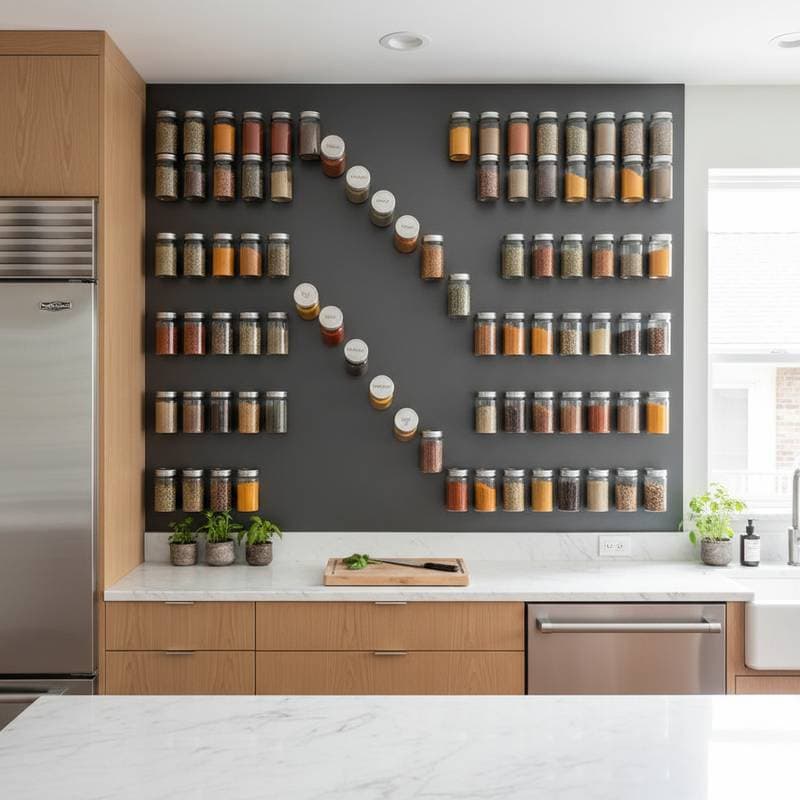
Why Magnetic Walls Outshine Traditional Shelving
Imagine entering your kitchen to find spice jars, utensils, and recipe cards arranged in flawless order. Counters remain clear, and no drilling mars the tile. This setup represents the reality of magnetic walls, an innovative solution that reshapes home organization.
From Static Shelves to Dynamic Surfaces
Traditional shelving serves as a standard storage option, yet it presents clear limitations. Fixed positions restrict adjustments, and rearrangements often require patching walls or repainting. These constraints turn even attractive shelves into inflexible elements.
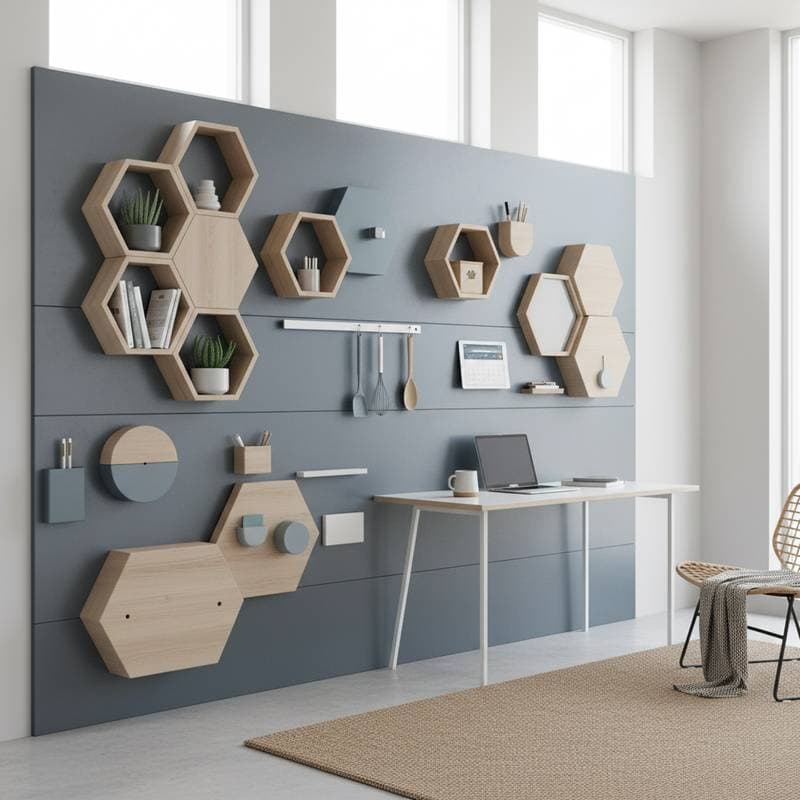
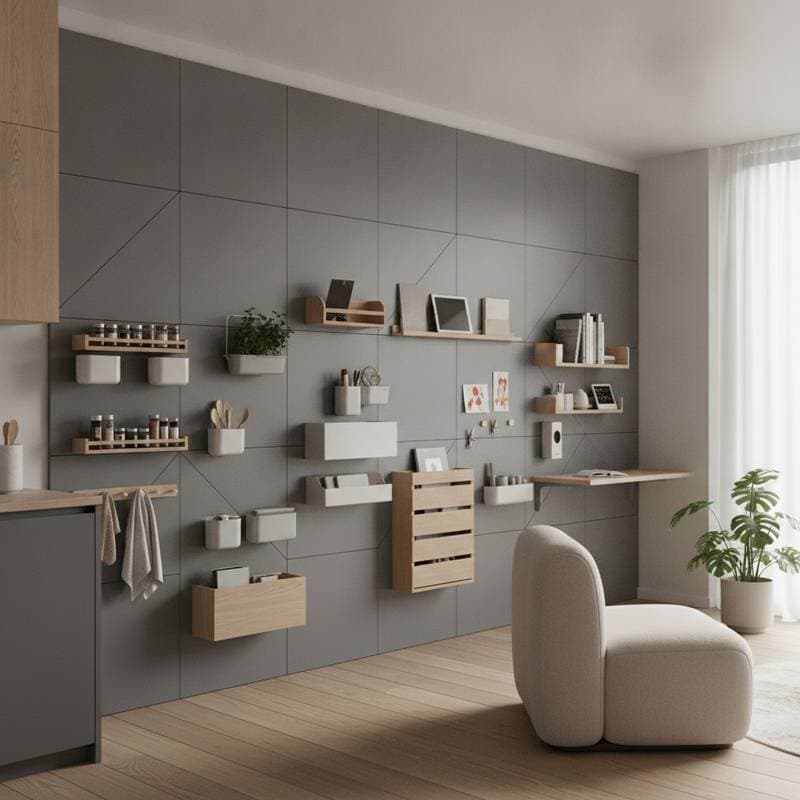
Magnetic walls offer a responsive alternative. They consist of steel panels or magnetic paint under a decorative layer, allowing shelves, hooks, and containers to attach and reposition easily. This design converts walls into adaptable systems that prioritize user needs over rigid structures.
The Art and Science of Magnetic Design
Magnetic walls appear straightforward, but their effectiveness stems from thoughtful material choices and magnet technology. The foundation includes steel sheets, magnetic boards, or magnetized plaster, topped with finishes like chalkboard paint or wood veneer. This approach delivers aesthetics and utility without exposed hardware.
Neodymium magnets support heavier loads, such as cookware or tools, while flexible strips secure lighter items like documents or samples. The setup accommodates diverse applications based on specific requirements.
Professional installation ensures a polished result, though DIY kits simplify the process. Apply magnetic paint over existing surfaces for an integrated look that matches surrounding decor.
Why Homeowners Are Making the Switch
Magnetic walls address practical issues while fostering innovation that fixed shelving lacks. They enable creative solutions to storage demands in modern homes.
1. Effortless Customization
Rearranging involves simply shifting magnets. Adjust a spice rack upward, relocate a tool organizer, or realign displays in moments. This method avoids tools, damage, or second-guessing decisions.
2. Space Efficiency
Vertical surfaces optimize room in compact areas like apartments. Floors and surfaces stay unobstructed, ideal for renters seeking non-permanent enhancements.
3. Style Versatility
Finishes range from understated to prominent. Select matte coatings for subtlety or metallic panels for emphasis, aligning with styles from modern industrial to rustic traditional.
4. Long-Term Sustainability
These systems endure changes without replacement, reducing waste. Reusability supports environmentally conscious choices by minimizing landfill contributions.
5. Safety and Simplicity
Secure attachments prevent falls from brackets or boards. Easy detachment suits households, educational settings, or professional environments emphasizing accessibility.
Rooms That Benefit Most
Magnetic walls integrate into various spaces, converting ordinary walls into efficient organizers.
Kitchen: Position knives, spices, and tools at convenient heights. Exchange seasonal items or notes without disrupting overall storage.
Home Office: Create an inspiration area with attached bookshelves, note clips, and supply holders for cables or markers.
Garage or Workshop: Install panels near workbenches to store tools and fasteners. Access becomes straightforward, eliminating drawer searches.
Bathroom: Secure shelves for essentials or planters to declutter surfaces. This addition introduces functional elegance.
Entryway or Mudroom: Organize keys, leashes, or baskets that adapt to routine variations across seasons.
Eco-Friendly Innovation in Action
Magnetic walls align with sustainable practices through low-impact materials. Water-based paints and coatings limit chemical emissions. Application over current walls avoids extensive renovations and resource consumption.
Sustainability extends to maintenance: no frequent repairs or material discards. This adaptability promotes efficient use of existing resources.
Accessories enhance this ethos. Opt for wooden shelves, cork attachments, or recycled containers that complement the surface while upholding environmental standards.
Creative DIY Tips for a Magnetic Wall Makeover
Transform a wall without expert skills using accessible materials and planning.
1. Start Small
Test the concept on a targeted spot, such as a kitchen backsplash. Evaluate finishes and magnet performance before larger projects.
2. Layer for Depth
Pair magnetic paint with writable surfaces like chalkboard or dry-erase options. Use for planning meals, drawing ideas, or listing tasks.
3. Frame It
Incorporate borders of wood or metal for a defined appearance. This elevates the wall from utilitarian to architectural.
4. Mix Materials
Incorporate containers, shelves, and pockets in varied textures. Diversity maintains visual and sensory appeal.
5. Think Seasonal
Refresh arrangements periodically. Feature cards during holidays, gardening tools in spring, or mementos in warmer months to sustain interest.
Expert Insight on Function and Flow
Experts praise magnetic walls for balancing aesthetics and utility. One consultant noted they function as responsive elements that align with daily routines, promoting serene environments.
Practically, they reduce upkeep expenses by preserving wall integrity. Renters avoid deposit concerns, while owners gain enduring adaptability and property enhancement.
Embracing Modular Storage in Daily Life
Adopting magnetic walls shifts perspectives on organization. Quick redesigns inspire ongoing refinement and accommodate life's changes.
Implementing Your Magnetic Solution
Begin with a modest installation in a high-use area like the kitchen. Observe improvements in accessibility and enjoyment. This step unlocks broader potential for fluid, effective home design.