Understanding Luxury Vinyl Plank Flooring for Home Transformations
Homeowners often seek ways to refresh interiors without extensive expenses or disruptions. Luxury vinyl plank flooring, known as LVP, emerges as an ideal solution. This material delivers the visual charm of natural wood while offering practical advantages that suit everyday demands.
LVP consists of multiple layers, including a durable wear surface, a printed design layer that replicates wood grains, and a stable core for stability. The result is a flooring option that withstands moisture, impacts, and wear. Professionals recommend LVP for its balance of style and resilience in diverse living environments.
Key Benefits Driving LVP Popularity
LVP gains widespread attention due to its realistic appearance and performance features. The planks feature embossed textures that capture the nuances of oak, hickory, or walnut, creating an authentic hardwood illusion. Unlike genuine wood, LVP resists fading from sunlight exposure and maintains its look over time.
Why LVP Suits DIY Projects
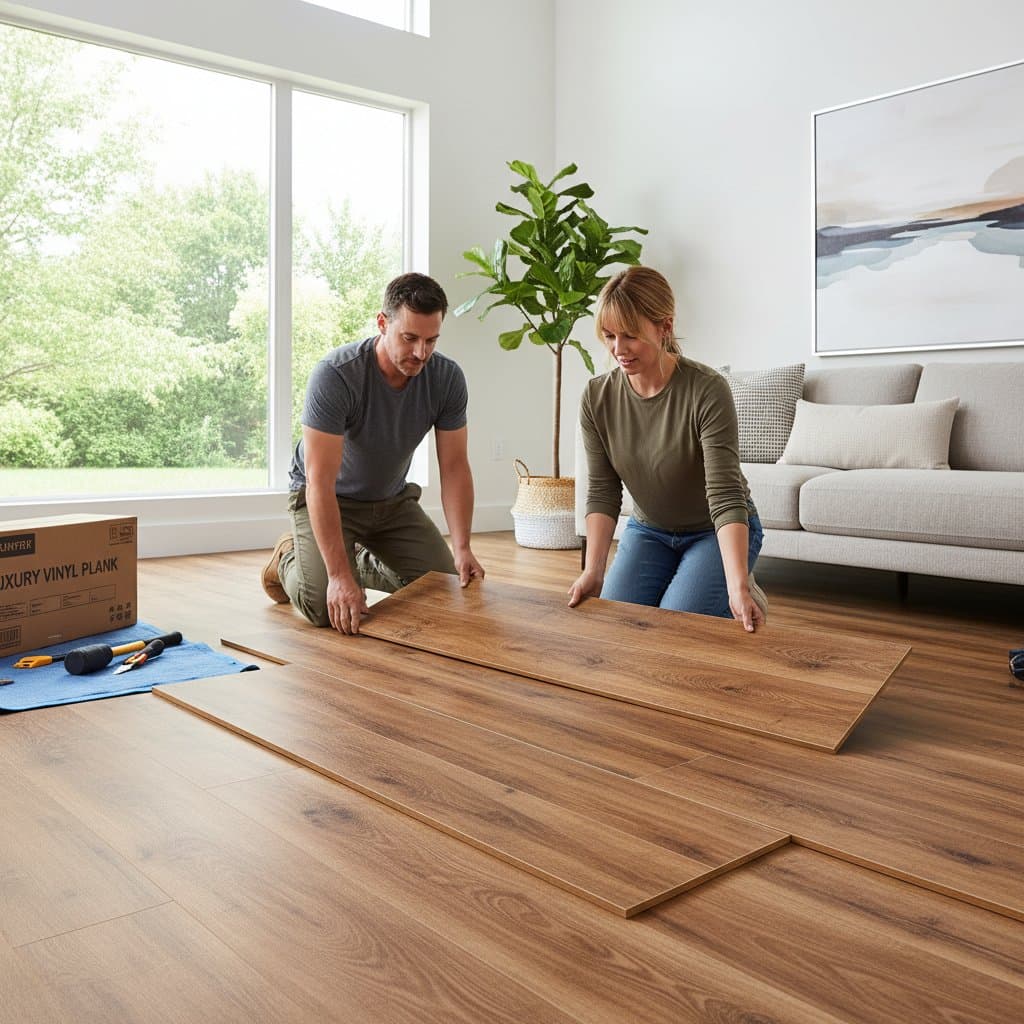
Installation represents one of LVP's strongest appeals for independent projects. The click-lock mechanism allows planks to interlock securely without adhesives or fasteners, simplifying the process. Homeowners require only basic items like a tape measure, utility knife, and straightedge to complete the job.
This approach eliminates the need for specialized equipment such as nail guns or wet saws. Floating installation permits placement over existing surfaces, including imperfect subfloors, after minimal preparation. Such accessibility enables even novices to produce seamless results with careful planning.
Selecting Styles That Elevate Interiors
Contemporary LVP options transcend outdated vinyl appearances. Manufacturers offer planks in widths from five to seven inches, with lengths up to 48 inches for natural variation. Finishes range from smooth matte to textured, distressed surfaces that enhance depth and realism.
Budget considerations favor LVP, as costs typically range from $2 to $5 per square foot, compared to $8 or more for hardwood. This affordability extends to reduced upkeep, since routine cleaning suffices without periodic refinishing. Homeowners achieve luxury aesthetics while preserving financial resources.
Adapting LVP to Room-Specific Needs
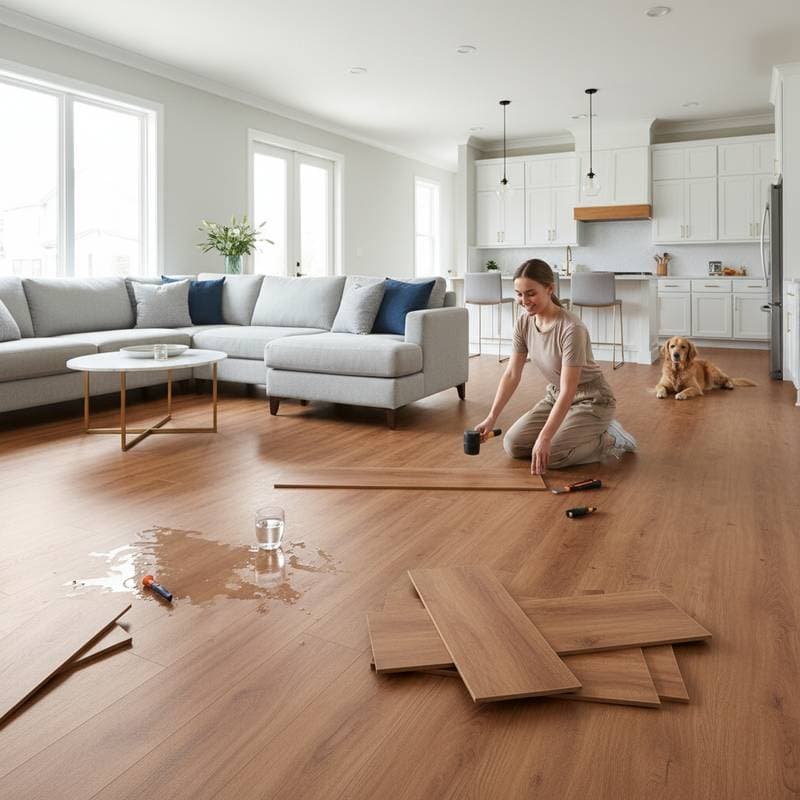
LVP's uniformity supports continuous flooring across multiple areas, fostering spatial continuity. In open-plan layouts, consistent plank directions guide the eye and amplify perceived size. Transitions between rooms remain subtle, often requiring no additional trim.
For varied aesthetics, select complementary tones such as warm grays for contemporary spaces or rich browns for traditional settings. Advanced patterns like herringbone demand precise cuts but yield sophisticated effects. This adaptability encourages creative expression tailored to personal tastes.
Ensuring Long-Term Durability
Engineered for resilience, LVP incorporates a thick wear layer, often 12 to 20 mils, to deflect everyday abrasions. Attached underlayments provide cushioning that absorbs sound and adds warmth, benefiting upstairs living areas. These elements contribute to a comfortable, quiet environment.
While robust, LVP benefits from preventive measures. Place felt pads under furniture to prevent drags, and use mats in high-wear zones. If damage occurs, targeted plank replacement restores appearance without full disassembly, a feature absent in many alternatives.
Step-by-Step Installation Guide
Prepare the space by clearing furniture and sweeping debris. Acclimate planks indoors for 48 hours to adjust to room conditions, preventing expansion issues. Measure the area and purchase 10 percent extra material to account for cuts and errors.
- Lay underlayment if needed, rolling it out perpendicular to the subfloor for even support.
- Start in a corner, positioning the first row along the longest wall with grooves facing outward.
- Insert tongues into grooves at a 45-degree angle and press down firmly until clicks confirm connection.
- For cuts, score planks with a utility knife along a straightedge and snap along the line.
- Continue rows, staggering seams by at least six inches for stability, and use spacers to maintain 1/4-inch expansion gaps around edges.
- Trim final pieces to fit precisely, then install baseboards to cover gaps.
This method yields a professional finish using everyday tools. Allow 24 hours for settling before heavy use.
Maintenance for Sustained Beauty
Daily care involves sweeping to remove grit that could cause micro-scratches. Weekly mopping with a diluted vinegar solution preserves the surface without residue buildup. Avoid steam cleaners, as excess heat may affect the vinyl composition.
Annual inspections reveal any loose seams or wear spots for prompt attention. Such routines ensure LVP retains its vibrancy, often lasting 15 to 25 years under normal conditions. This low-effort approach aligns with busy lifestyles.
Realizing the Impact of Your Installation
Completed LVP flooring transforms room dynamics by reflecting light and defining boundaries. Paired with area rugs, it accentuates furniture arrangements and color schemes. The upgrade fosters a sense of accomplishment and enhances overall home value.
Homeowners report increased satisfaction from spaces that feel refreshed and cohesive. LVP's practical elegance supports long-term enjoyment, proving that thoughtful DIY efforts yield enduring rewards.