Smart Robot Mowers Transforming Yard Care Today
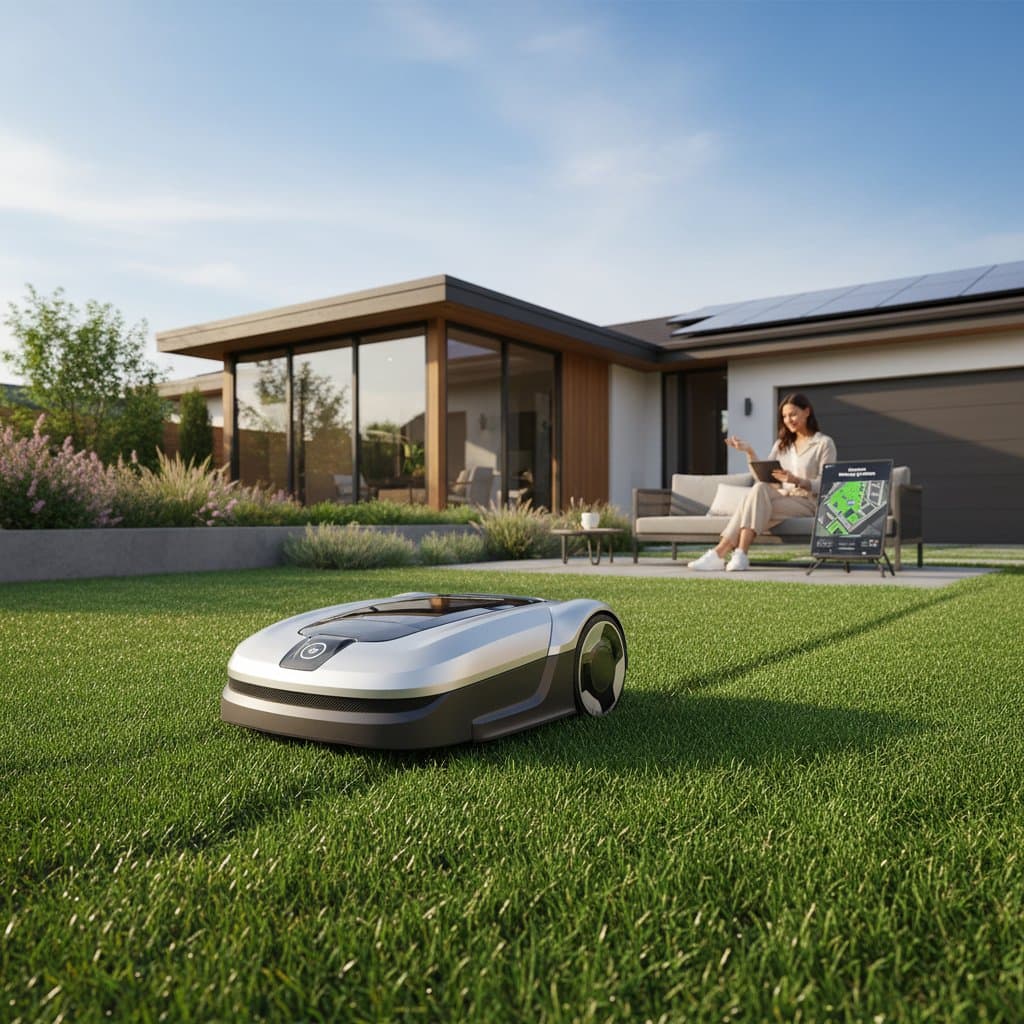
Homeowners often face the repetitive demands of lawn maintenance, especially during warm weekends when the task consumes valuable leisure time. Traditional mowing involves physical effort, equipment handling, and frequent interruptions to address missed areas. Smart robot mowers address these challenges by operating independently, which allows individuals to reclaim their schedules while achieving superior results.
These devices appeal beyond technology enthusiasts; they deliver practical benefits for everyday yard care. To determine if a robot mower suits a specific property, consider factors such as yard size, terrain, and desired features. The following sections examine the mechanisms behind their effectiveness and practical applications.
Why Consistent Cutting Creates Healthier Lawns
Overcoming Common Concerns
Prospective users frequently raise questions about the reliability and safety of robot mowers in real-world settings. Advances in engineering have resolved many initial limitations, making these tools suitable for diverse households. Below, key areas of concern receive detailed attention.
Safety Features
Robot mowers incorporate multiple sensors, including obstacle detection and lift sensors, to ensure safe operation. Upon encountering an object or being lifted, the unit halts blade rotation instantly and reverses course if necessary. This design protects children, pets, and wildlife, with many models featuring adjustable sensitivity settings for customized safety thresholds.
Security Measures
Theft prevention forms a standard component in contemporary models, often through integrated GPS modules and user-defined geofencing. Owners receive mobile notifications if the mower exits its programmed zone, and remote locking mechanisms disable the device until authorized access occurs. For added protection, select units with tamper-resistant docking stations that secure the mower when not in use.
Terrain Handling
Most robot mowers navigate slopes up to 35 percent grade effectively, thanks to enhanced traction from wide wheels and low centers of gravity. For properties with varied landscapes, including hills or obstacles, compatibility checks during purchase prevent performance issues. Professional setup services can optimize boundary definitions, ensuring the mower covers all areas without straying into restricted zones.
Sustainability and the Smart Garden Movement
Environmental considerations play a significant role in the appeal of robot mowers, as they eliminate the emissions associated with gasoline engines. Powered by rechargeable batteries, these units produce no exhaust and generate minimal noise, often below 60 decibels, which preserves neighborhood tranquility. Integration with home solar systems further reduces the carbon footprint, aligning with broader energy conservation goals.
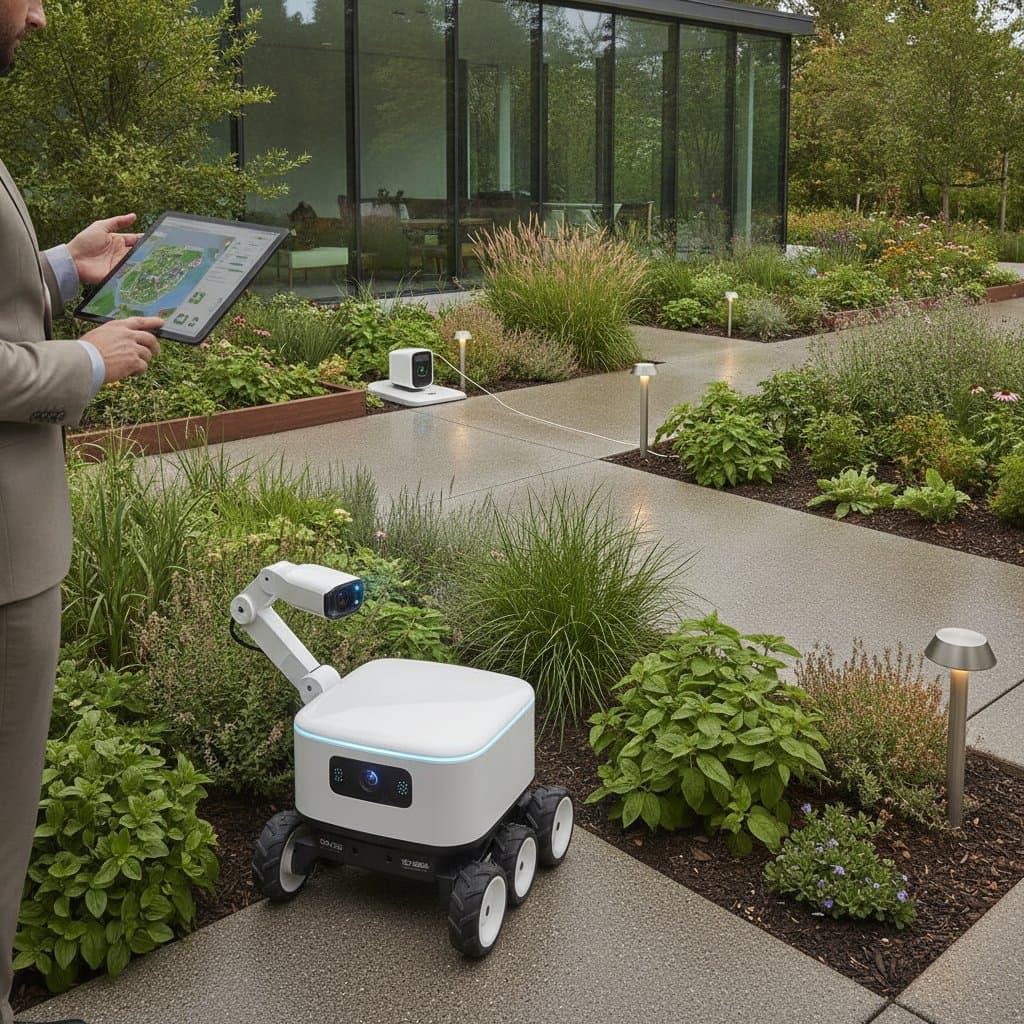
The precision of robotic mowing contributes to resource efficiency by leaving fine clippings that naturally fertilize the soil, thereby decreasing reliance on synthetic products. This method also preserves soil structure, reducing erosion and the need for repairs like overseeding. In the context of smart gardens, robot mowers complement devices such as automated sprinklers and nutrient monitors to create self-regulating ecosystems that optimize water and fertilizer use.
Practical Tips for Getting the Best Results
Successful integration of a robot mower requires initial preparation and ongoing maintenance. Follow these steps to maximize performance and longevity:
-
Prepare the Yard: Remove large obstacles, such as rocks, branches, or garden tools, to facilitate smooth navigation. A debris-free surface prevents jams and ensures even coverage.
-
Establish Boundaries: Install perimeter wires or configure app-based virtual boundaries to define the mowing area. Pay special attention to delicate features like flower borders to avoid unintended damage.
-
Set Cutting Height: Begin with a height slightly above the current grass level and reduce it incrementally over several days. This gradual adjustment prevents shock to the turf and encourages healthy adaptation.
-
Program Schedules: Operate the mower daily or every other day during active growth periods to maintain uniformity. Adjust frequencies seasonally to match grass needs and weather patterns.
-
Maintain Blades: Inspect and sharpen blades monthly, or more often in sandy soils, to achieve clean cuts that minimize disease risk. Replace worn components promptly for optimal efficiency.
Regular adherence to these practices yields a low-maintenance routine that delivers professional-quality results.
Embracing Effortless Lawn Maintenance
Adopting a robot mower shifts the focus from labor-intensive chores to appreciating the outdoor environment. Freed from weekly mowing sessions, individuals gain opportunities to garden, entertain, or relax amid a well-kept landscape. The technology fosters a deeper connection to the yard, highlighting natural beauty without the burden of upkeep.
Select a model based on yard dimensions, typically covering 0.25 to 1.5 acres, and desired automation levels. With proper configuration, the system operates seamlessly, providing year-round benefits that enhance property value and personal satisfaction.