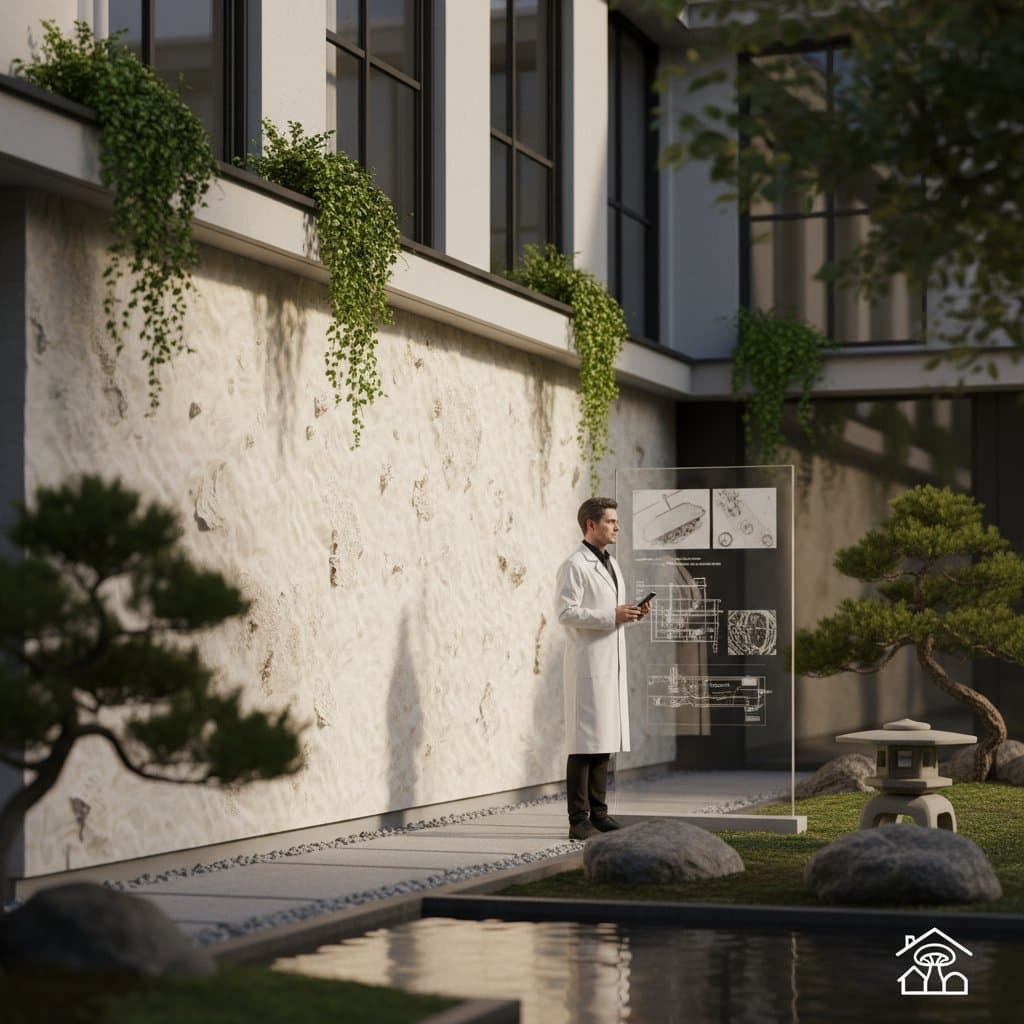
Mushroom Insulation: An Eco-Revolution for Home Walls
Many have heard the buzz surrounding bio-based materials, yet few innovations generate as much genuine excitement as mushroom insulation. This natural, renewable material is transforming perspectives among designers, builders, and homeowners on wall insulation. For those prioritizing sustainability, comfort, and healthier indoor air, understanding this development proves essential.
Understanding Mushroom Insulation
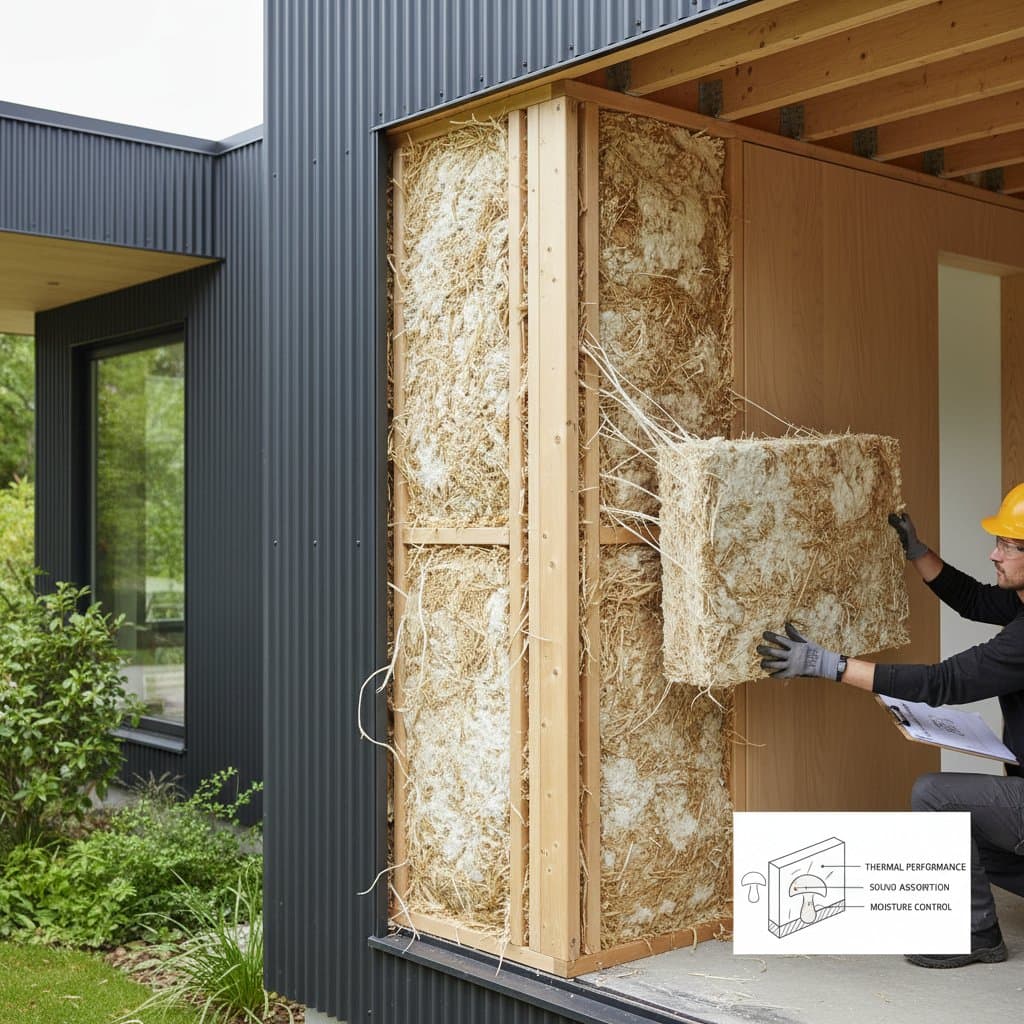
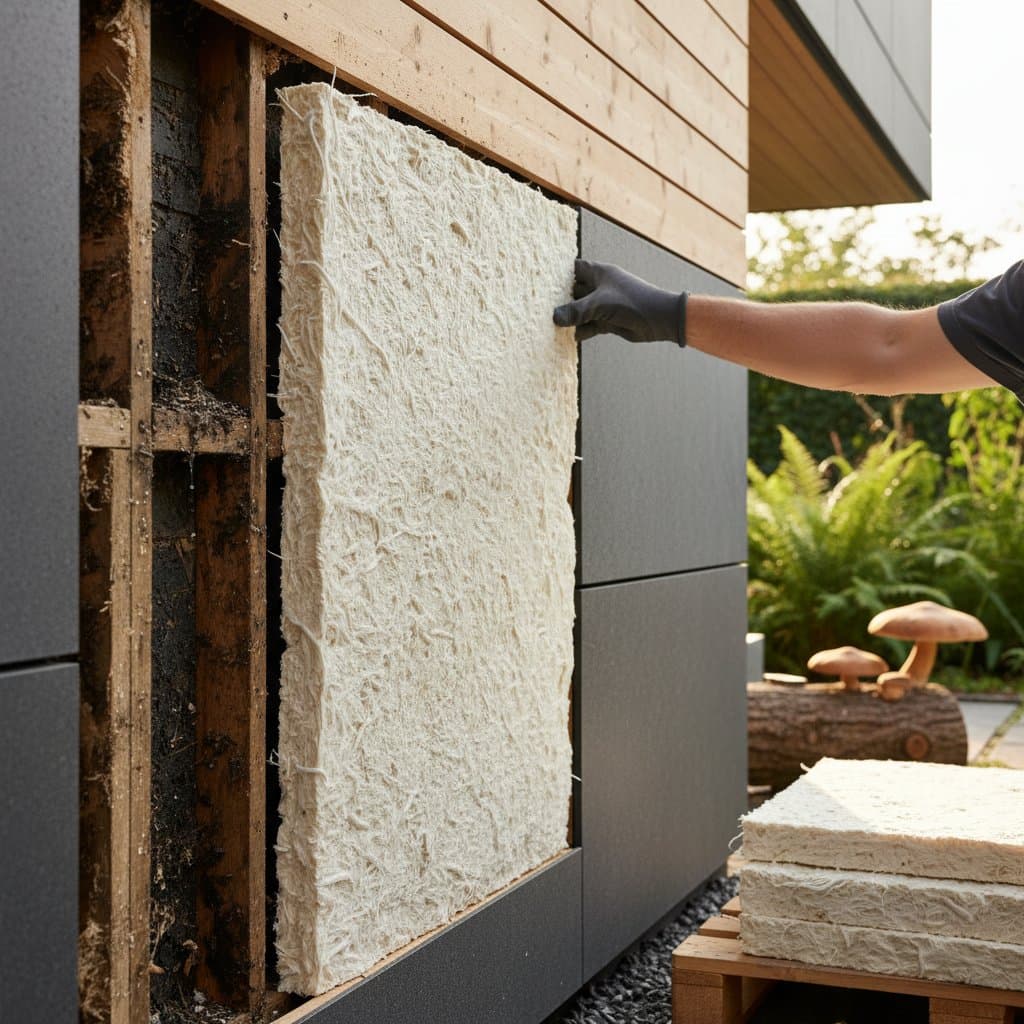
Mushroom insulation derives from mycelium, the root-like network of fungi found beneath mushroom surfaces. Combined with agricultural waste such as hemp hurds or corn stalks, it forms a dense, foam-like structure. Grown in molds and then dried to halt further growth, the result consists of lightweight panels suitable as replacements for traditional foam or fiberglass insulation.
The Shift Toward Bio-Based Materials
The building industry has historically depended on energy-intensive materials laden with chemicals. Increasing numbers of individuals now question whether comfort justifies compromised air quality or environmental harm. Bio-based materials like mushroom insulation address these concerns effectively.
Key advantages include:
- Low embodied energy: Mycelium requires minimal energy for growth, in contrast to foam production that demands high heat and chemical processing.
- Carbon sequestration: The material captures and stores carbon rather than releasing it.
- Natural breathability: Walls facilitate moisture release, thereby minimizing mold risks.
- Fire resistance: As an organic substance, mushroom insulation chars upon exposure to flames, which slows fire spread.
Designers value how this material elevates the concept of eco-friendliness from mere harm reduction to active regeneration. It supports cycles that benefit ecosystems over time.
Performance in Residential Applications
Performance remains crucial, as environmental benefits hold little value without practical comfort. Mycelium insulation competes effectively with conventional alternatives, providing robust thermal resistance, superior sound absorption, and effective humidity regulation.
In one renovation project, mycelium panels installed behind plaster walls enhanced acoustic comfort noticeably. The resulting space felt serene and stable, a subtle improvement appreciated in daily living. Such outcomes highlight benefits that emerge through experience.
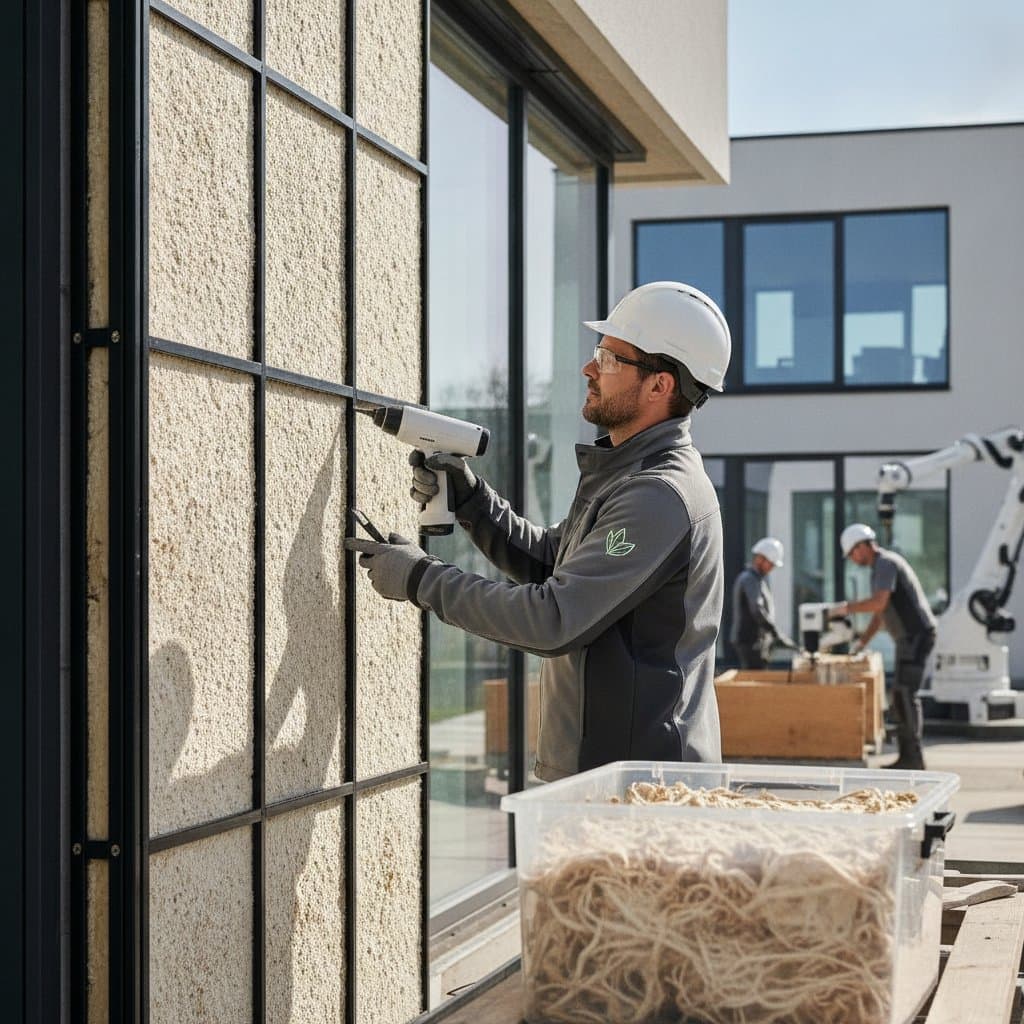
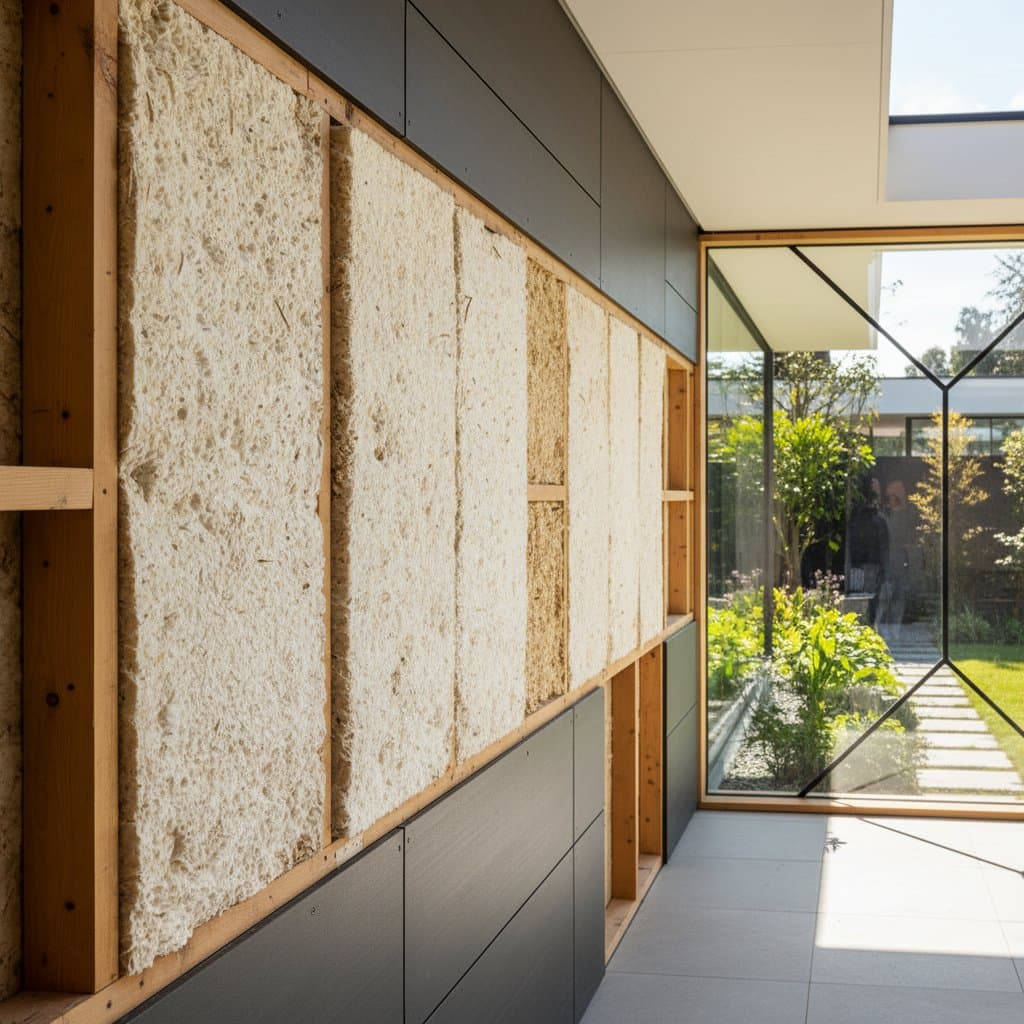
These panels integrate seamlessly into existing wall systems. Builders cut them using standard tools and install them similarly to rigid foam boards. The lightweight nature simplifies handling, while homeowners appreciate the biological origin over industrial manufacturing.
To optimize installation, select panels sized for specific wall cavities, ensuring tight fits to maximize thermal efficiency. Pairing with vapor-permeable finishes further enhances breathability, promoting long-term durability.
Aesthetic and Emotional Dimensions
Incorporating biologically derived materials into a home's structure offers profound satisfaction. Although the mycelium ceases activity post-installation, it fosters a tangible link to nature absent in synthetic counterparts.
The knowledge that walls participate in a biological cycle adds subtle elegance. At replacement, the material returns safely to the earth, embodying conscientious design.
This approach aligns with the rising preference for authenticity in interiors. Much like selections of genuine wood, stone, or linen, mushroom insulation conveys a narrative of origin and purpose, enriching the living environment.
Practical Aspects and Cost Analysis
Upfront costs for mushroom insulation exceed those of standard options, given its emerging market status and specialized production. However, considering longevity, recyclability, and the advantages of a toxin-free interior, the investment aligns with sound financial and health strategies.
Maintenance demands remain minimal, with no attraction to pests or rapid degradation. Once installed, performance proves reliable across seasons.
For budget-conscious projects, evaluate hybrid approaches by combining mycelium in high-impact areas like bedrooms for improved air quality. Over time, energy savings from enhanced insulation can offset initial expenses, particularly in climates with significant temperature fluctuations.
Integrating Mushroom Insulation into Your Build
Adopting mushroom insulation extends beyond energy conservation; it redefines comfort through intentional choices. Walls contribute positively to planetary health while maintaining coziness.
For upcoming builds or renovations, consult contractors or architects regarding bio-based insulation alternatives. Inquire about local suppliers or custom growth options to ensure availability. Voicing demand accelerates market expansion, bridging the gap from specialty to standard.
This progression reflects design's evolution: curiosity sparks experimentation, yielding spaces that nurture well-being. Mushroom insulation embodies a forward-thinking yet nature-rooted solution, poised to influence sustainable living profoundly.