Advancing Sustainable Bathroom Care
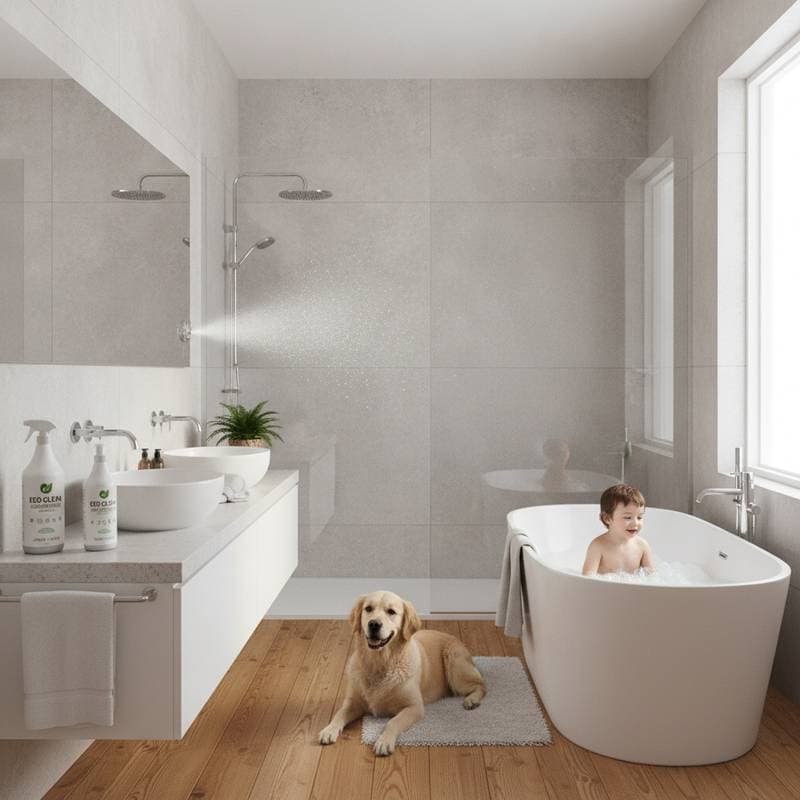
As consumers prioritize environmental sustainability, enzymatic cleaners align seamlessly with contemporary eco-conscious practices. Unlike numerous chemical counterparts, these cleaners biodegrade fully and pose no toxic risks. They reduce chemical discharge into waterways, and most formulations remain safe for use in proximity to pets and children. Leading brands often utilize recyclable packaging or concentrated solutions, which lessen plastic consumption and transportation emissions.
Experts in environmental science and sustainable living frequently endorse enzymatic cleaners as an optimal balance of efficacy and ecological stewardship. These products deliver thorough cleaning results comparable to commercial-grade options, absent the environmental consequences or noxious vapors that necessitate ventilation and protective gear. This transition proves valuable for individuals implementing gradual, enduring adjustments toward greener habits.
Practical Applications in Everyday Settings
In a family home where young children engage in daily routines like toothbrushing, enzymatic cleaners address common challenges effectively. Toothpaste residues on sinks, adhesive fingerprints on walls, and mildew on bath toys require gentle yet potent removal. These cleaners eliminate such residues without residual harsh chemicals, allowing parents to perform tasks in the presence of children without health concerns.
Shared living spaces, such as apartments occupied by multiple residents, benefit from enzyme-based maintenance. Applying a spray following showers or toilet use inhibits initial buildup accumulation. Property managers and landlords increasingly incorporate enzymatic products during unit turnovers, observing reduced time for intensive cleanings and resulting naturally scented bathrooms.
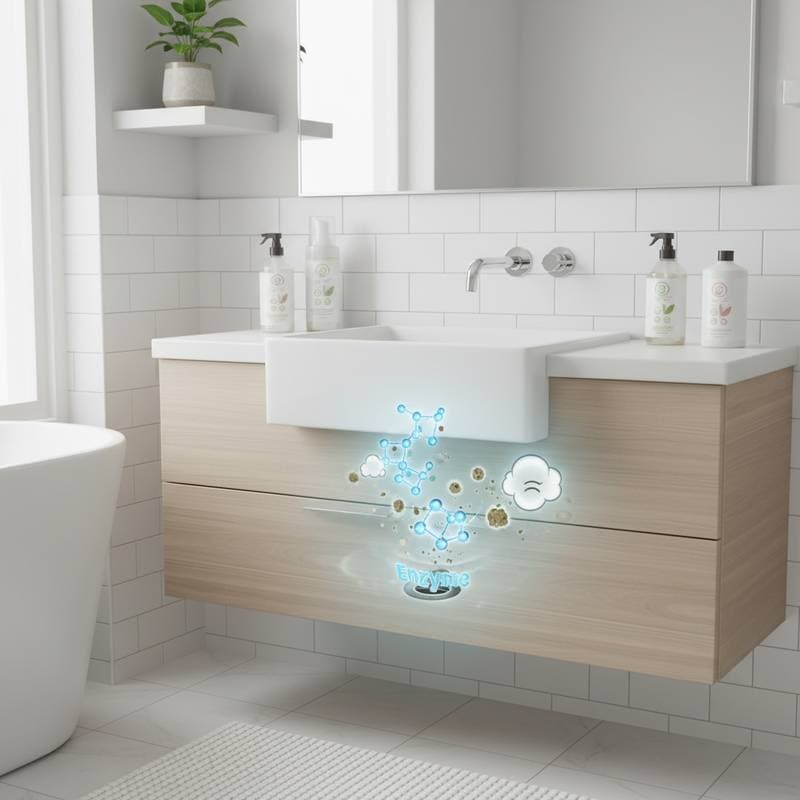
Households with pets gain substantial advantages as well. Enzymatic cleaners neutralize persistent organic odors from incidents like a cat missing the litter box or a dog introducing outdoor dirt. By addressing the underlying molecular sources, these products surpass mere surface scrubbing in effectiveness.
Selecting an Effective Enzymatic Cleaner
Enzymatic cleaners vary in composition and performance. Superior options specify the enzyme types and their targeted applications on labels. Multi-enzyme formulations suit bathroom environments best, given the diversity of organic matter encountered. Seek products certified safe for materials like tile, porcelain, and metal. Steer clear of vague designations such as "enzyme-enhanced" that lack detailed ingredient disclosure.
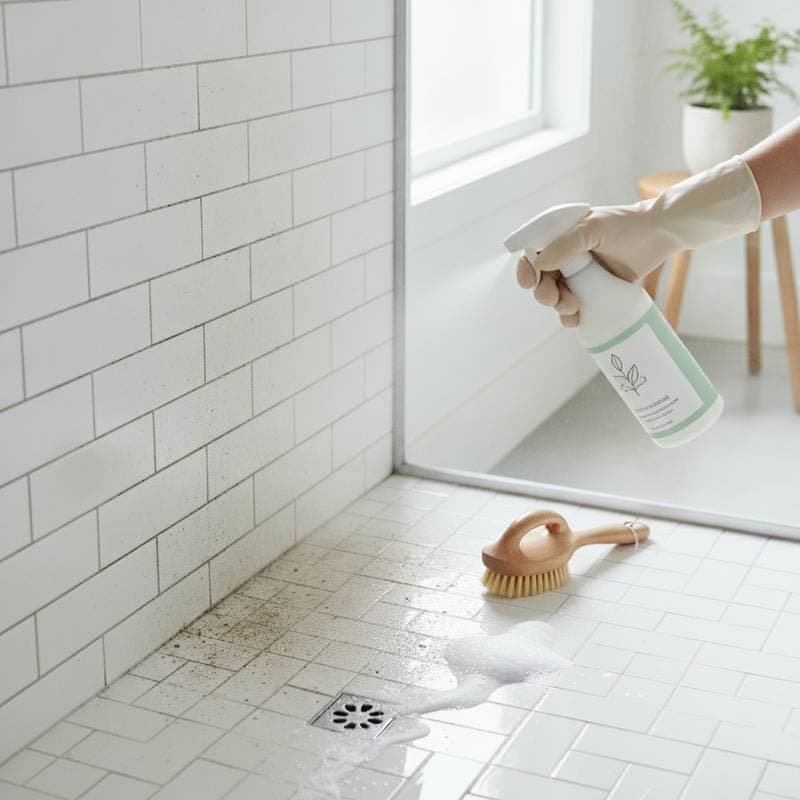
Certain enzymatic cleaners arrive in concentrated variants designed for dilution across tasks. This adaptability enhances utility, enabling a single container to manage toilet bowls, shower surfaces, and drain upkeep. Follow application instructions meticulously, as enzymes necessitate dwell time for optimal activity. A hasty application followed by immediate wiping may limit their efficacy; instead, permit the solution to remain in place before rinsing.
Incorporating Enzymatic Methods into Daily Practices
Adopting enzymatic cleaning requires minimal disruption to established routines. It involves substituting conventional harsh products with biologically advanced alternatives. Begin by pinpointing vulnerable areas, such as grout seams, shower enclosures, and drainage points. Implement regular applications to preempt visible grime and odor development.
For intensive treatments, apply the cleaner in the evening and allow overnight processing. Upon waking, a brief rinse or wipe-down typically uncovers revitalized surfaces. Complement enzymatic use with basic protocols, including post-shower ventilation and routine drying of damp zones. These combined measures establish a resilient, low-maintenance bathroom ecosystem.
Achieving Lasting Freshness Through Enzymatic Care
Integrating enzymatic cleaning yields observable improvements in bathroom quality. Ambient air quality enhances, fixtures retain luster, and persistent mildew concerns diminish. Cleaning efforts shift from laborious scrubbing to efficient upkeep, freeing time for appreciation of a revitalized space.
Enzymatic cleaners fulfill the demand for solutions that honor both household integrity and planetary health. They redefine bathroom maintenance as a partnership with biological processes. Subsequent cleaning sessions will reveal enduring freshness derived from inherent chemistry rather than artificial additives.