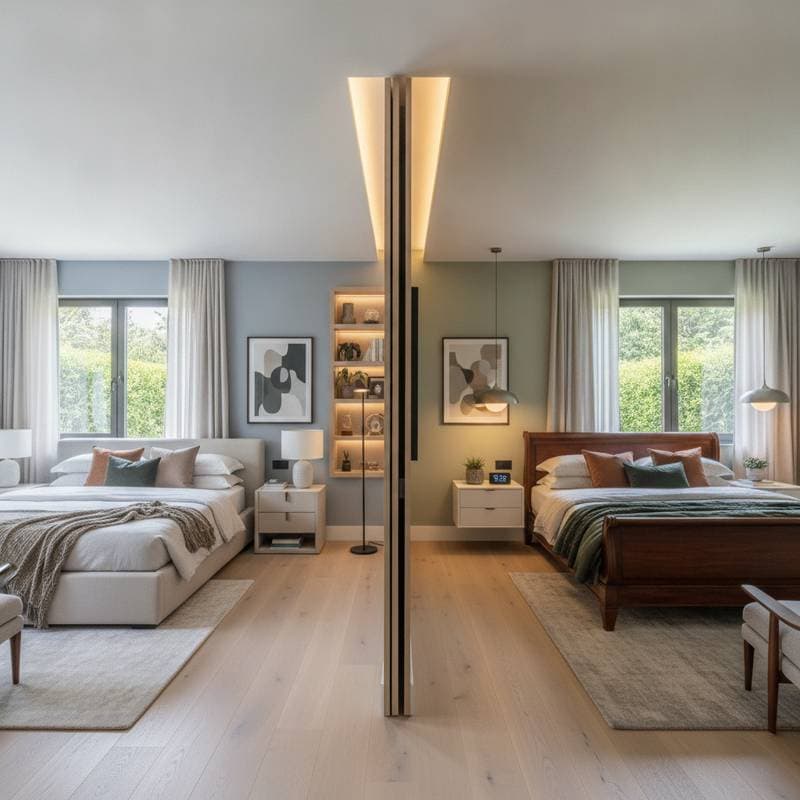
Dopamine Decor: Color-Blocking's Bedroom Boom
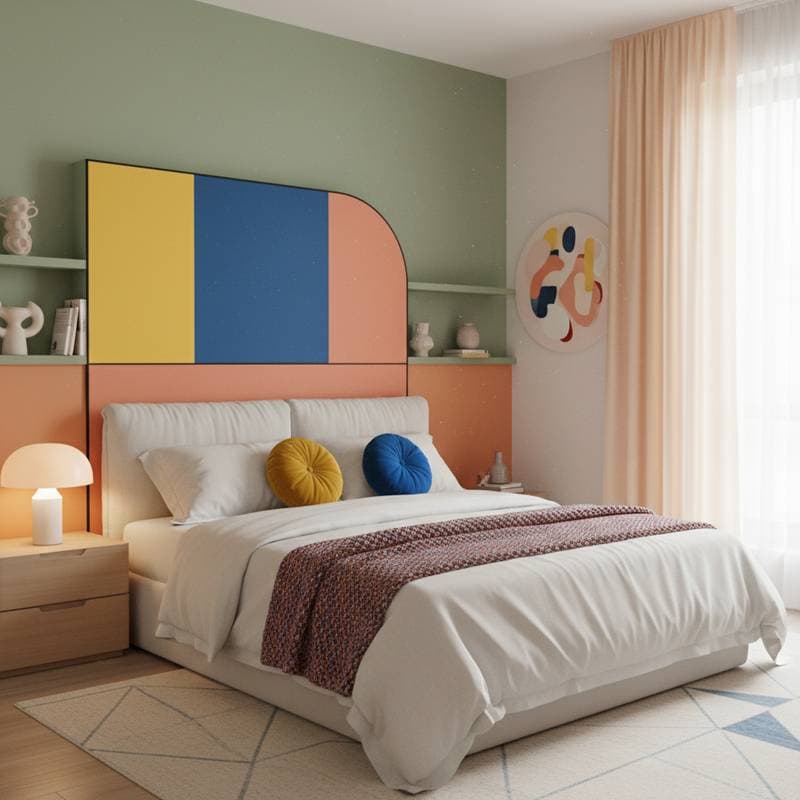
People often enter a room and experience an immediate uplift in mood. Consider a vibrant coral wall paired with fresh mint bedding, or a cheerful yellow headboard that prompts a smile. This sense of joy forms the foundation of dopamine decor, a trend now transforming bedrooms through strategic color-blocking to foster vitality, confidence, and personal connection.
Color-blocking in this context emphasizes deliberate use of hues to generate energy while maintaining harmony. It represents intentional design that enhances emotional well-being with both character and direction.
What Is Dopamine Decor, Really?
Dopamine decor focuses on evoking joy via vivid colors and individual expression. The term derives from dopamine, the neurotransmitter associated with pleasure and reward. The principle holds that visually stimulating environments can positively influence emotional states.
Why Color-Blocking Works So Well in Bedrooms
Color-blocking involves applying solid blocks of contrasting or harmonious colors to create visual impact. Long established in fashion for enhancing outfits, this technique now influences interior design for its ability to convey boldness within a framework.
Bedrooms typically favor serene, understated schemes, making color-blocking an ideal counterbalance. It infuses vitality without excess, relying on equilibrium for success. Key advantages include the following:
- It delineates functional areas, such as sleep and preparation zones, using color rather than physical dividers.
- It introduces visual flow through expansive color fields that guide the eye purposefully.
- It offers adaptability, scaling from intense statements to gentle accents based on preference.
- It supports personalization, as hue selections reveal individual narratives and influence daily sentiments.
Executed thoughtfully, color-blocking elevates a standard bedroom into a bespoke, mood-responsive sanctuary.
Getting the Palette Right
Selecting vibrant colors often induces hesitation due to perceived risk. Begin by assessing desired emotional outcomes rather than mere aesthetics. For invigorating mornings, combine coral with warm peach accents against crisp white. For tranquil evenings, blend dusty lavender with soft gray-green and cream.
Proven palettes that deliver consistent results include:
- Midnight blue paired with terracotta and ivory for a sense of grounding luxury.
- Lilac alongside chartreuse and warm taupe to achieve playful equilibrium.
- Burnt orange with blush pink and pale sand for a welcoming, sunlit vibe.
- Emerald green with cobalt blue and crisp white to project freshness and assurance.
Apply test swatches to walls and observe them over several days. Lighting variations alter perceptions dramatically; a hue that appears elegant in evening light may intensify under daylight.
How to Apply Color-Blocking in a Bedroom
Full wall repaints prove unnecessary; moderation amplifies the impact. Consider these implementation methods:
-
Painted Headboard Wall. Define a geometric form, such as a rectangle or arch, behind the bed in a striking color. This creates the appearance of bespoke millwork, enhancing even basic furnishings.
-
Two-Tone Walls. Section walls horizontally, applying a deeper shade below and a lighter one above. Such division heightens perceived depth and spaciousness.
-
Ceiling Accent. Introduce a contrasting color on the ceiling to foster intimacy and purpose. Select a subdued variant drawn from nearby textiles or flooring.
-
Color-Blocked Textiles. Opt for duvets, throws, and cushions in uniform color blocks if painting seems daunting. These elements provide uplift with minimal effort.
-
Furniture and Decor Accents. Position a mint-finished dresser against a coral backdrop, or coat nightstands to complement bedding hues, delivering subtle yet effective contrast.
Texture and Light Matter Too
Hues interact dynamically with illumination and surfaces to shape ambiance. Matte finishes absorb light, lending colors a soft, enveloping quality. Glossy surfaces reflect light, intensifying vibrancy and expansiveness.
Leverage these properties strategically. In sunlit rooms, incorporate deeper saturations without concern. For low-light areas, favor lighter tones or satin sheens to prevent heaviness.
Incorporate varied textures for added dimension. Pair plush fabrics like velvet or linen with sleek options such as polished wood or metal. This interplay sustains visual interest while avoiding disorder.
Balancing Energy and Calm
A frequent worry involves overwhelming the space with intensity. Aim for joy without excess by integrating vibrant elements with neutral anchors.
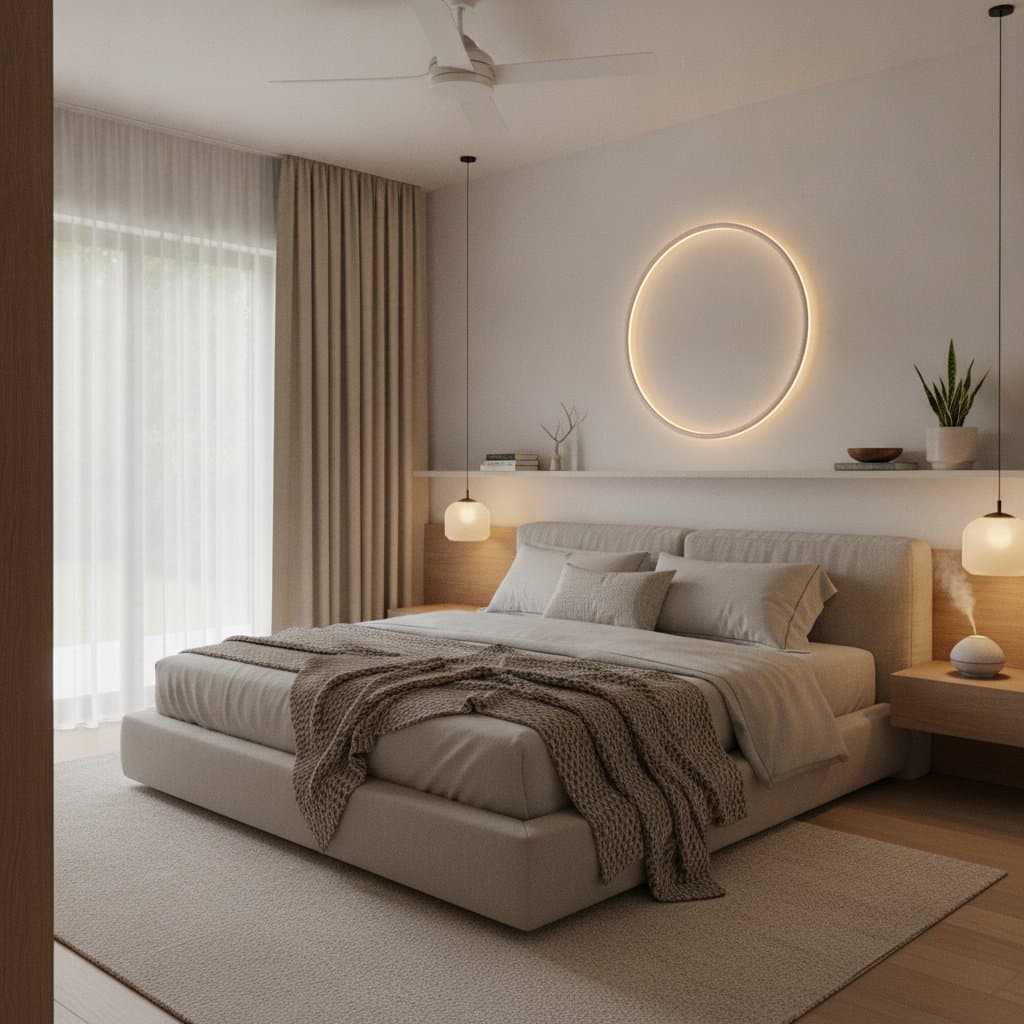
Pair bold walls with understated linens. Allow neutral floors and fabrics to provide respite amid colorful furnishings. These pauses enable the eye to rest, ensuring the room remains harmonious.
View the design as a dialogue between stimulation and serenity. Alignment between these forces results in an environment that energizes yet soothes.
Budget-Friendly Ways to Try It
Commitment to major changes suits not every situation or budget. Dopamine decor rewards ingenuity over investment. Practical starting points include:
- Applying removable wallpaper in defined geometric patterns, ideal for temporary or leased spaces.
- Repainting a single furniture item, like a chair or side table, in a decisive color to anchor the scheme.
- Stacking bedding layers in coordinated solid tones for straightforward refresh.
- Incorporating a rug with color-blocked sections to unify the overall palette.
Intentional choices, regardless of scale, cultivate a purposeful atmosphere that resonates emotionally.
Why This Trend Feels Right Now
Following an era of sparse minimalism and soft neutrals, enthusiasm for color surges. This shift emphasizes authentic expression over defiance. Color-blocking provides the discipline to channel such boldness effectively.
Its personal nature stands out; one individual's palette might feature citrus yellow and cobalt blue, while another's leans toward sage green and pale blush. This variability underscores the trend's inclusive appeal.
Bedrooms gain particularly from this genuineness as intimate domains bookending daily routines. They merit reflection of personal essence over generic ideals.
Living with Your Design
After establishing the color-blocked layout, observe its effects across varying times and conditions. Track how specific tones influence energy levels from dawn to dusk. Adjustments, such as introducing softening neutrals or fresh accents, refine the space iteratively.
Design thrives on adaptation rather than rigidity. The essence of effective dopamine decor lies in emotional resonance. It encourages trial, fosters delight upon entry, and aligns with evolving preferences. Initiate the process by sampling hues and following intuition. A bedroom that consistently evokes positive response signifies true accomplishment.