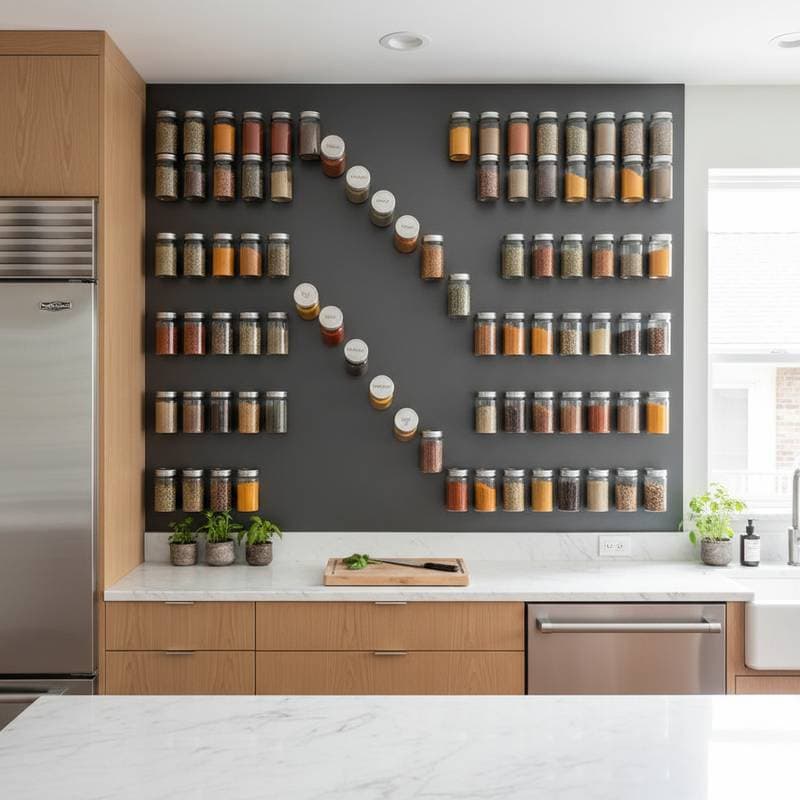
The Rise of Hidden Kitchen Storage in 2025
The kitchen serves as the central hub in many homes, yet it frequently becomes a repository for miscellaneous items. Coffee appliances from one family member, snack containers from children, and spice collections from culinary explorations accumulate on surfaces, turning organization into a persistent challenge. Upon relocating from a modest London apartment to a residence in the Cotswolds, the prospect of an expansive, orderly kitchen seemed attainable. However, additional space alone proved insufficient; effective storage hinges on thoughtful design principles.
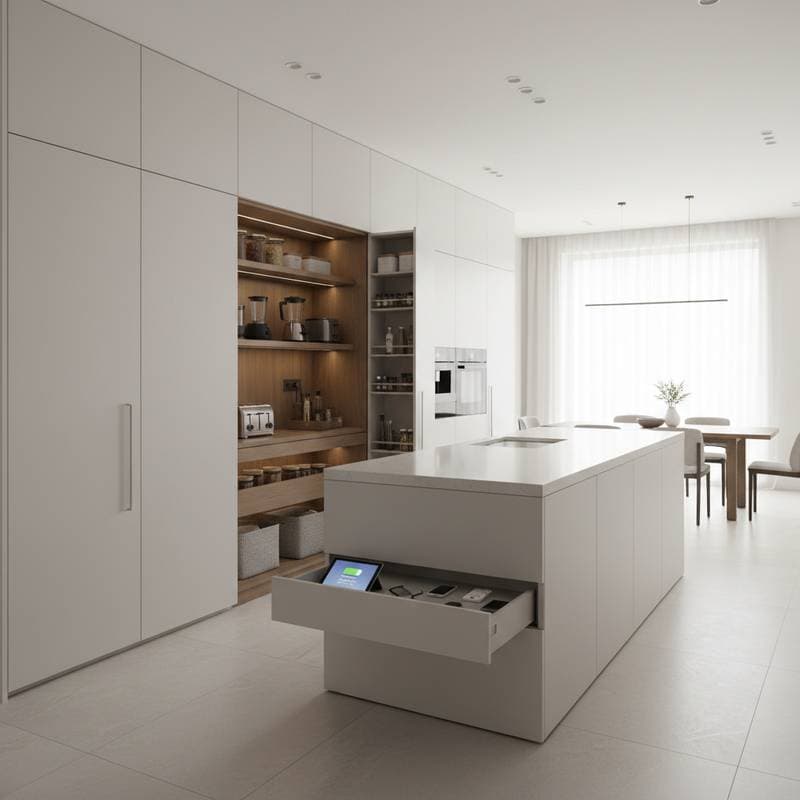
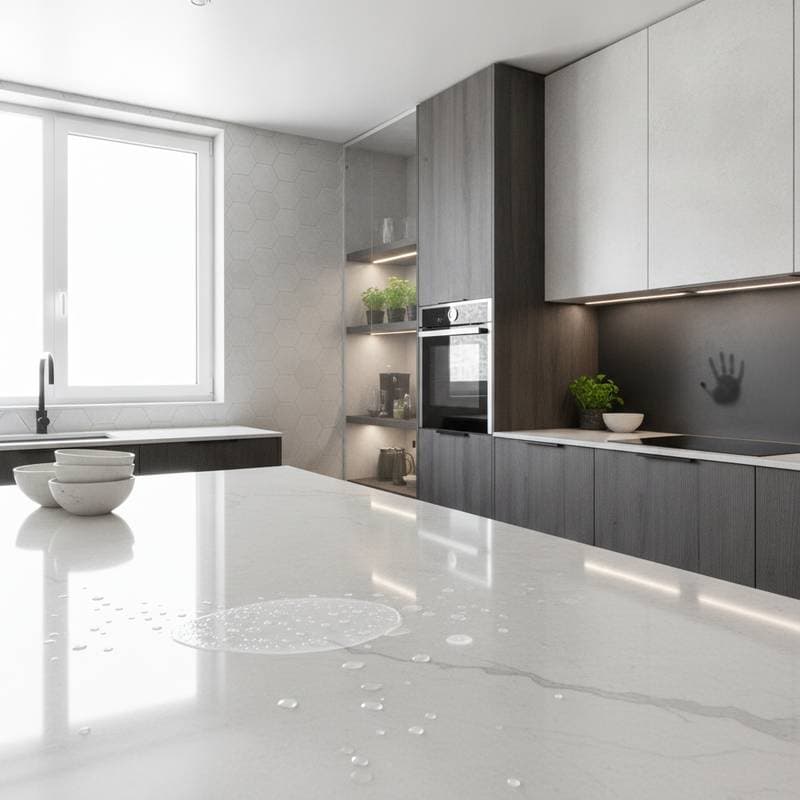
Social media platforms highlight hidden kitchen storage as a widespread phenomenon. Solutions such as retractable drawers and cabinets concealed within stone backsplashes redefine cleanliness and workflow. This approach provides enduring benefits for family dynamics, distinguishing it from transient fads.
Essential Insights
- Concealed storage promotes visual tranquility and streamlines operations.
- Features including appliance enclosures, toe-kick compartments, and built-in charging units alter the utilization of common areas.
- Influences from international design emphasize simplicity, quality construction, and subtlety.
- Individuals in rental properties or compact dwellings can implement these ideas through cost-effective modifications.
Psychological Benefits of an Organized Kitchen
An orderly kitchen extends beyond superficial appeal; it impacts emotional states and task efficiency. Clear surfaces encourage frequent meal preparation and cultivate a sense of peace among household members. Personal experience confirms this after incorporating a retractable breakfast module that tucks away a kettle, toaster, and coffee supplies behind unobtrusive panels. Morning routines transformed into more fluid and serene sequences, free from distracting disarray.
Psychologist and home consultant Dr. Lara Chen observes, "Our brains relax when we see order. Concealed storage minimizes sensory overload, helping people feel more in control of their environment." For parents balancing professional and domestic responsibilities, this empowerment holds significant value.
Implementing Hidden Storage in Your Kitchen
Major overhauls prove unnecessary to reap the advantages of discreet storage. Incremental changes yield substantial improvements.
- Evaluate routines. Determine frequently used items and identify counter clutter sources.
- Initiate with a single enhancement. Install a sliding spice organizer or compartment dividers as an initial step before larger investments.
- Coordinate materials. Ensure cabinetry and fixtures integrate seamlessly for optimal concealment.
- Utilize height. Incorporate internal shelving in upper cabinets or hooks on pantry door interiors for additional capacity.
- Focus on ease of access. Concealment must not hinder convenience; position everyday essentials within comfortable reach.
Interior organizer Maya Patel recommends, "Hidden storage should simplify your life, not complicate it. The goal is to create systems that support your routines."
Tailored Hidden Storage for Family Needs
In households with children, hidden storage transcends decoration; it becomes essential for maintaining harmony. During early parenting years, designated areas housed art materials, lunch vessels, and treats in labeled containers behind secure panels. As children mature, these zones accommodate baking implements and rotating dinnerware.
Design expert Claire Morton from Edinburgh explains, "Family kitchens evolve constantly. Hidden storage offers flexibility because it can adapt as needs change."
Parents may consider these targeted options:
- A spacious drawer dedicated to lunch containers and refillable bottles.
- A narrow sliding unit for cleaning products, positioned beyond the grasp of toddlers.
- A discreet charging compartment for electronic devices to minimize distractions at mealtimes.
Budget-Friendly Approaches to Hidden Storage
Custom installations carry higher costs, yet accessible alternatives mimic professional results. Adhesive-backed panels mask appliance exteriors effectively. Magnetic strips affixed to cabinet interiors secure spices or tools. A tension rod beneath the sink, paired with a fabric cover, conceals detergents tidily.
In a former compact Paris residence, a makeshift pantry utilized woven containers within a closet. This arrangement required minimal expenditure while ensuring tidiness and invisibility. Success depends on ingenuity over expense.
Enhancing Daily Life Through Smart Design
Hidden storage subtly reshapes household patterns. Meal preparation proceeds with greater composure, tidying requires less effort, and hosting guests flows effortlessly. Such kitchens appear more expansive and welcoming, fostering stronger family bonds and sustained well-being.