Key Benefits of Hidden Appliances
- Concealed appliances promote a streamlined, organized kitchen environment that enhances overall calm.
- This design trend prioritizes functionality alongside visual appeal and ease of use.
- Homeowners on a budget can implement elements through strategic planning and innovative cabinet solutions.
- Proper ventilation and safety protocols are essential when hiding large appliances.
- Durable hardware and expert installation guarantee long-term reliability and performance.
The Growing Appeal of Concealed Kitchens
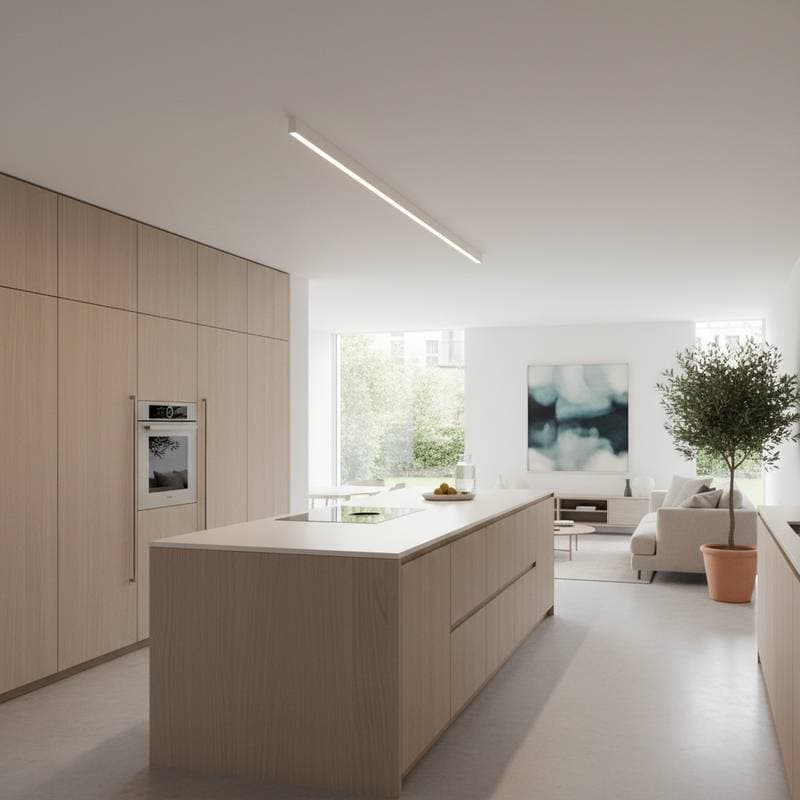
Contemporary kitchens serve as multifunctional hubs for cooking, socializing, and relaxation. As such, design preferences have moved toward minimalism and harmony. The rise of invisible kitchens addresses this by tucking appliances out of sight behind coordinated panels or cabinet fronts, preserving a serene and unified aesthetic without compromising utility.
Project Essentials
Working time: Varies by project scale
Total time: One to three weeks, encompassing design and construction phases
Skill level: Intermediate to advanced
Estimated cost: Moderate to high, influenced by material selections and appliance integrations
Concealing appliances ranges from basic covers for dishwashers to comprehensive systems featuring sliding partitions. Options scale with financial resources, spatial constraints, and desired level of integration.
Deciding Between DIY and Professional Help
Individuals with experience in cabinetry and access to a suitable workspace can manage modest tasks, such as fabricating panels for dishwashers or refrigerators. These efforts demand precise dimensions, suitable fittings, and consideration for airflow.
Complex projects involving embedded ovens, surface-mounted cooktops, or integrated exhausts benefit from professional involvement. Errors in setup may lead to overheating, electrical risks, or premature equipment failure. A practical guideline involves personal oversight of cosmetic elements while delegating electrical, gas, or load-bearing components to specialists.
Essential Materials and Tools
Materials:
- Plywood or medium-density fiberboard sheets for tailored facades
- Premium hinges and soft-closing mechanisms
- Cabinet-quality paints or veneers
- Edge banding to achieve polished edges
- Subtle ventilation screens or slatted inserts
Tools:
- Table saw or guided circular saw
- Router for profile detailing
- Comprehensive drill and screwdriver assortment
- Level, tape measure, and carpenter's square
- Clamps to secure components during assembly
Select materials compatible with current cabinetry. Solid wood provides enduring strength and refinishing potential, whereas medium-density fiberboard suits painted applications effectively.
Detailed Installation Guide
- Precise Measurement: Gauge each appliance thoroughly, accounting for protrusions and operational clearances. Allocate space for ventilation and unobstructed panel operation.
- Access Planning: Design layouts that permit straightforward access to service areas and filters. Concealment must not impede routine maintenance or safety mechanisms.
- Panel Fabrication: Shape and treat panels to harmonize with adjacent cabinetry. Apply resilient coatings or stains to withstand kitchen moisture.
- Hardware Attachment: Secure using appliance-specific mounts or robust hinges capable of supporting the load.
- Alignment Verification: Ensure even panel spacing and fluid hardware movement through careful positioning.
- Operational Testing: Cycle all components repeatedly to confirm absence of friction or obstruction, while verifying airflow integrity.
Successful implementations blend invisibility with intuitive use. Hasty work often results in misalignments or surface imperfections, underscoring the value of methodical execution.
Ensuring Professional-Quality Results
Precision distinguishes expert outcomes from novice attempts in invisible kitchen designs. Alignments must be flawless, and edges impeccably finished. Employ a straightedge for hinge checks prior to final securing. For painted surfaces, permit complete drying to prevent adhesion problems or flaking.
Invest in soft-closing systems for hidden setups to minimize impact and sustain alignment. Choose finishes resistant to humidity, thermal exposure, and regular sanitation.
Managing Costs Effectively
An invisible kitchen need not overwhelm finances. Begin with concealing prominent items like dishwashers or refrigerators. Panel-compatible models offer substantial visual upgrades at modest investment.
Expert Recommendations
- Confirm appliance compatibility for panel mounting, as not all units support enclosure.
- Strategize airflow meticulously near fridges and ovens; concealment requires breathability.
- Incorporate magnetic latches or touch-release mechanisms to forgo visible pulls, enhancing sleekness.
- Retain extra finishing materials for future touch-ups.
- Mark hidden units discreetly within panels to prevent mix-ups among household members.
Sustaining Long-Term Performance
Concealed kitchens demand attentive care to preserve their precision. Lubricate hinges and tracks periodically, and monitor for moisture-induced expansion or degradation. Clean panels using gentle soap solutions, avoiding abrasives. For wood elements, refresh protective coatings periodically to repel dampness.