Unlock Clutter-Free Kitchens with Hidden Appliance Garages
Key Points
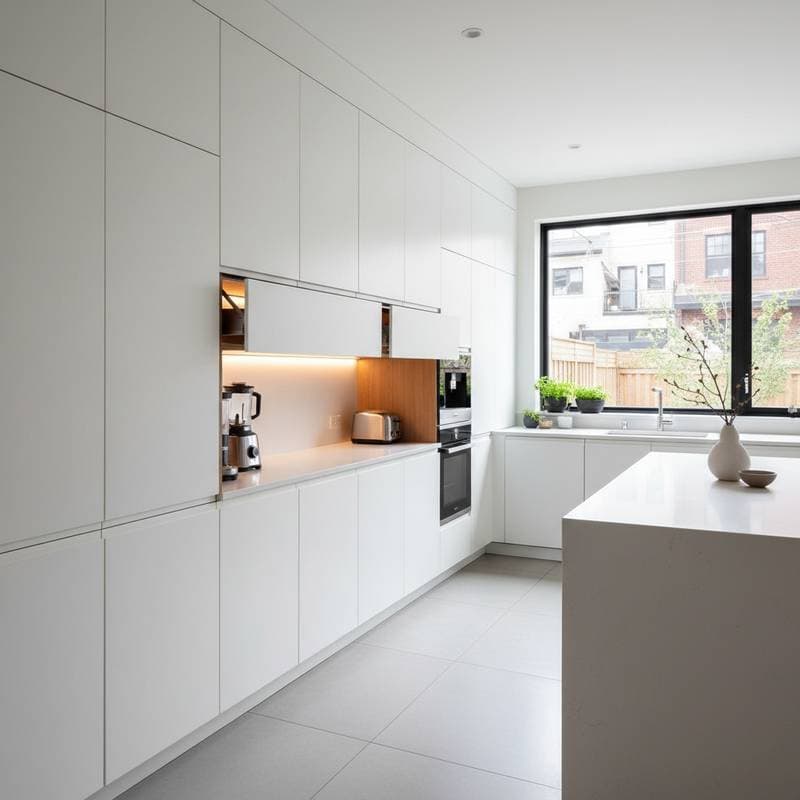
- Hidden appliance garages maintain clean countertops while providing easy access to daily appliances.
- Custom cabinetry conceals bulky items without disrupting overall design or usability.
- Essential features include proper ventilation, integrated lighting, and accessible power sources for safety and convenience.
- Innovative options such as sliding doors, lift-up panels, and pocket systems improve everyday functionality.
- Thoughtful implementation boosts home value and enhances daily comfort by merging aesthetics with utility.
A Cultural Shift Toward Invisible Functionality
Contemporary home design embraces minimalism that prioritizes serenity over starkness. Homeowners seek spaces that offer tranquility and character. Open-plan layouts position kitchens as central gathering areas, elevating their role beyond mere utility.
The Design Psychology of Hidden Storage
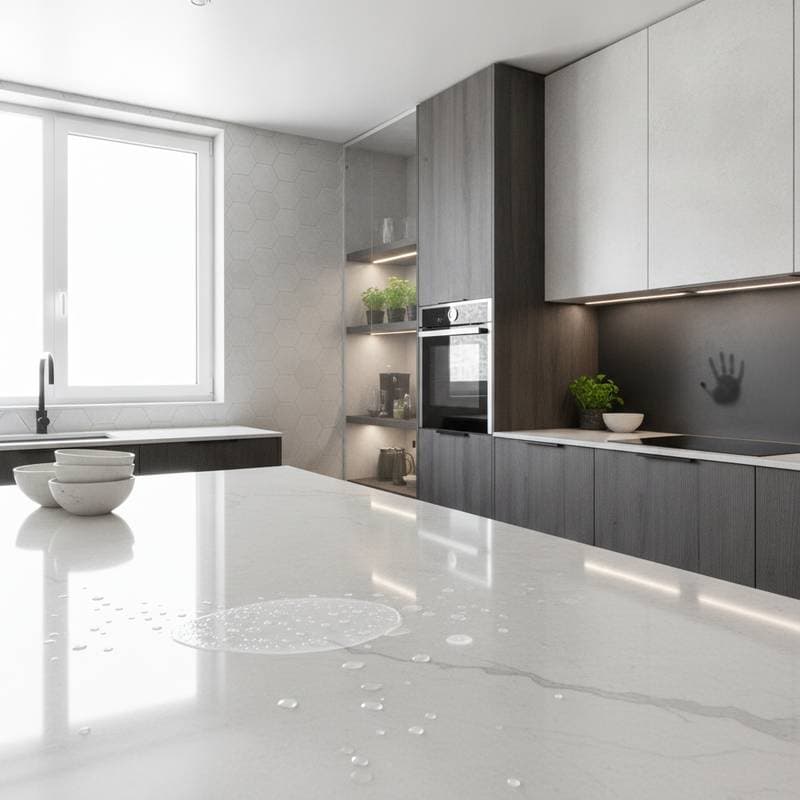
A pristine countertop induces a quiet sense of order. This response stems from reduced visual noise, which eases mental load and counters the exhaustion caused by disarray. Concealed storage amplifies this benefit, expanding perceived space and fostering an inviting atmosphere.
Designers refer to these elements as visual anchors that provide respite amid complexity. The impact resembles precise scene composition in visual arts, where extraneous details fade to highlight focal points. In kitchens, this allows features like textured tiles or elegant fixtures to shine without competition from appliances.
Expert Insights from Kitchen Designers
Seasoned professionals stress meticulous planning for effective appliance garages. Kitchen design consultant Marianne Lewis observes, "It is not merely about concealment. It involves understanding movement patterns to support seamless operations."
Placement proves critical. Position the garage adjacent to primary work zones, such as food preparation areas or beverage stations, rather than distant from key fixtures. Designers frequently utilize corner spaces or countertop endpoints to optimize underused areas.
Customization aligns with personal routines. Lewis adds, "Families relying on a toaster each morning require swift retrieval. Enthusiastic bakers may prefer a mixer on an extendable tray. The design must reflect actual usage, beyond superficial appeal."
Balancing Beauty and Budget
Costs for an appliance garage range from several hundred dollars for basic adaptations to thousands for bespoke setups. Factors include materials, mechanisms, and wiring. Premium cabinetry ensures fluid incorporation, though modular alternatives suit retrofits.
Consultant Avery Holt recommends integrated planning. "During full renovations, incorporate garages into cabinet specifications for cost efficiency and precision. For existing spaces, repurpose upper cabinets or carve out countertop recesses."
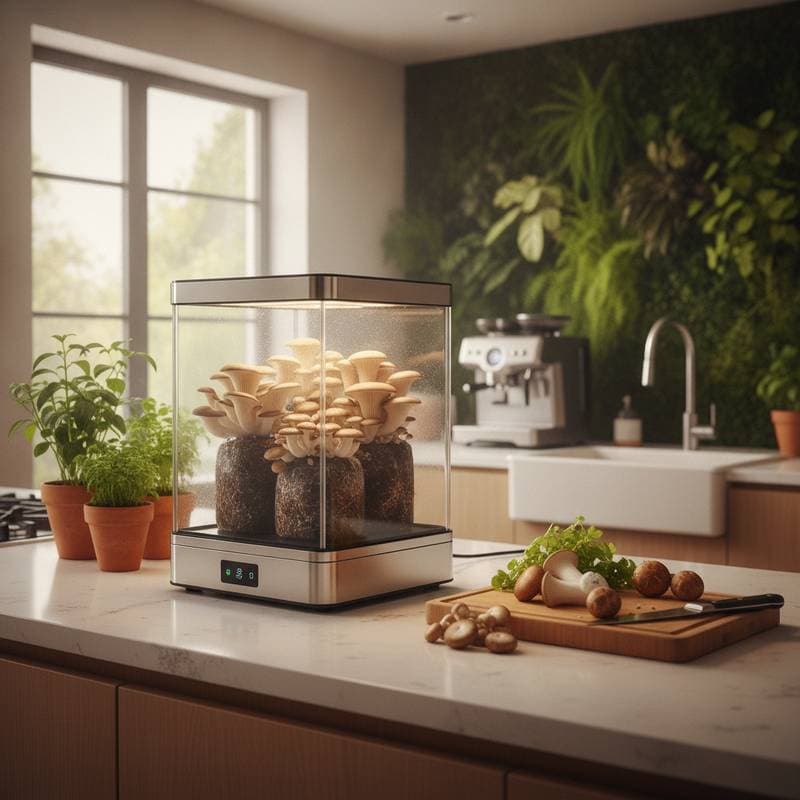
Freestanding models offer accessible entry points. These countertop units function like secure enclosures, providing rapid organization without structural changes. Although less refined, they yield prompt results.
Practical Tips for Designing Your Own Appliance Garage
- Assess usage patterns. List appliances by frequency of use, from daily essentials to occasional tools, to prioritize storage allocation.
- Measure precisely. Account for varying appliance dimensions, plus allowances for wiring, airflow, and handling clearance.
- Select appropriate door mechanisms. Roll-up styles fit compact areas; pocket doors vanish fully in expansive designs; lift-up panels offer modern access with single-hand operation.
- Incorporate electrical needs. Equip interiors with outlets, considering dedicated circuits for simultaneous appliance operation.
- Coordinate materials. Align with surrounding cabinetry for cohesion or introduce subtle contrasts for visual interest.
- Install internal lighting. Soft illumination elevates usability and imparts a premium quality.
- Ensure airflow. Incorporate subtle vents or perforations to mitigate heat buildup.
These considerations elevate routine kitchen interactions from adequate to exceptional.
Enhancing Resale Value Through Smart Storage
Prospective buyers prioritize kitchens that blend form and function. Hidden appliance garages signal thoughtful design, appealing to those who value streamlined aesthetics. Such features can elevate property appeal by 5 to 10 percent, depending on market trends and overall upgrades.
Real estate experts note that concealed storage conveys modernity and low maintenance. It eliminates visual distractions, allowing buyers to envision their lifestyle unencumbered. In competitive markets, this edge differentiates listings, often accelerating sales and supporting premium pricing.
Steps to Integrate an Appliance Garage
Begin by consulting a designer to map your kitchen layout and identify optimal locations. Gather appliance specifications and sketch potential configurations. Source materials that complement your existing scheme.
Proceed with professional installation to handle wiring and ventilation safely. Test accessibility and functionality post-completion. This process transforms underutilized space into a valuable asset, yielding long-term satisfaction and efficiency.