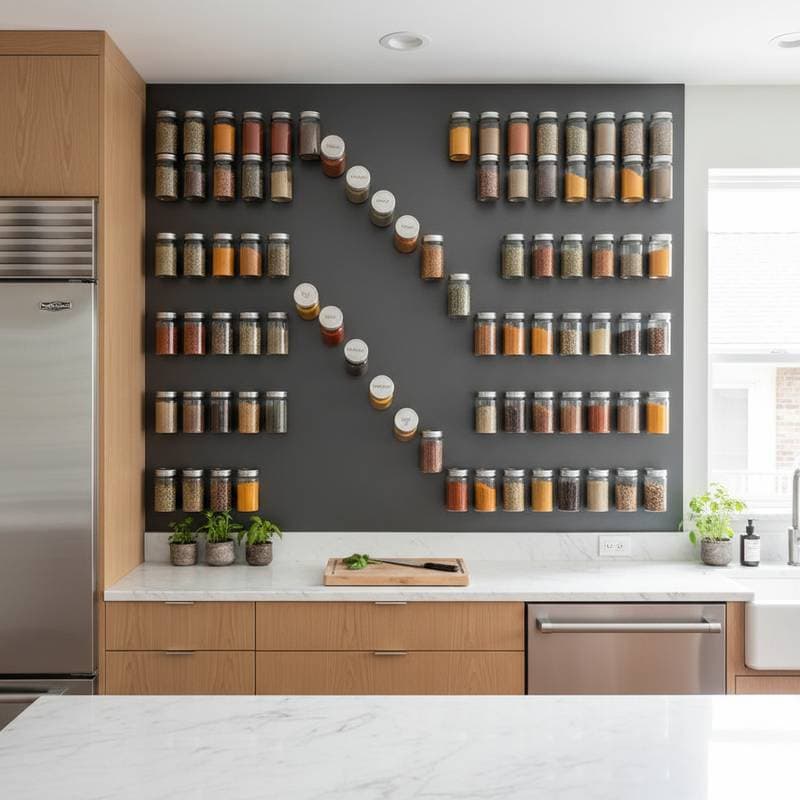
Invisible Storage Hides Kitchen Clutter in 2026
Professionals and homeowners seek kitchens that promote calm, organization, and style amid the demands of daily life. Grocery deliveries, small appliances, and stacks of dishes often disrupt even the most thoughtfully designed spaces. Leading designers now embrace invisible storage as a refined strategy to maintain order without sacrificing aesthetic appeal. This approach represents a pivotal evolution in kitchen design, prioritizing seamless integration over overt minimalism.
Invisible storage elevates functionality while preserving a sense of warmth and usability. It serves as an essential element in crafting environments that support both daily tasks and social gatherings.
Defining Invisible Storage
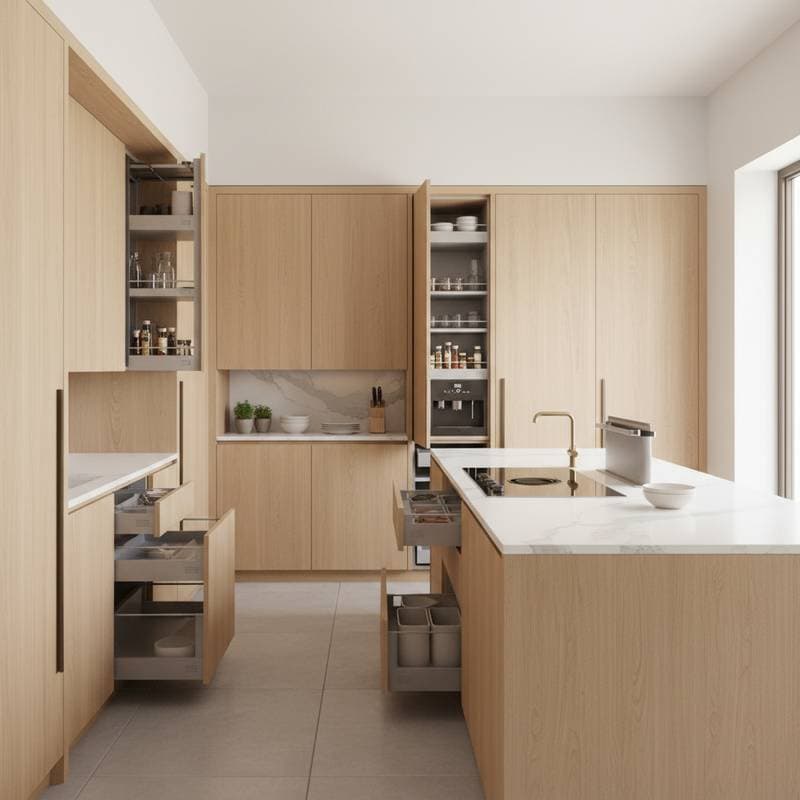
Invisible storage integrates practical elements into the overall design so that storage solutions appear as natural extensions of the space. Consider pantry doors that align flawlessly with surrounding cabinetry or drawers embedded within an island countertop. Designers achieve this through precise construction, including integrated hardware, uniform materials, and strategic spatial arrangements.
The Appeal of Seamless Integration
This trend gains popularity because it delivers simplicity alongside utility. Homeowners enjoy pristine surfaces and sophisticated finishes while accommodating everyday essentials like mixers, pantry staples, and serving ware.
Beyond practicality, the emotional benefits stand out. An organized kitchen streamlines meal preparation and hosting, allowing individuals to focus on the activity rather than the search for items. Invisible storage facilitates this efficiency discreetly, avoiding the imposition of bulky fixtures that could overwhelm the room.
Core Design Principles
Effective invisible storage requires layered planning that considers the kitchen's operational zones. Designers emphasize several key strategies:
- Material Continuity: Apply identical finishes to cabinets, appliances, and adjacent walls to create seamless transitions. Options such as matte surfaces, white oak veneers, or lacquered panels diffuse light evenly, enhancing the illusion of expanse.
- Integrated Hardware: Opt for push-to-open systems or flush-mounted pulls instead of protruding handles. These choices maintain clean lines and a contemporary profile.
- Concealed Compartments: Replace standard upper cabinets with full-height panels that hide shelving for spices, plates, and glassware. This maximizes capacity while preserving visual harmony.
- Modular Features: Incorporate nested drawers or sliding shelves within panels. These allow quick access to frequently used items without encroaching on work surfaces.
Proper execution ensures the kitchen operates intuitively. The layout promotes airflow, and cohesion persists across all viewpoints.
Ideal Applications
Invisible storage suits diverse environments, transcending specific styles from traditional to contemporary. Its versatility stems from a focus on utility rather than rigid aesthetics.
- Compact Spaces: In smaller kitchens, this method optimizes every centimeter, embedding storage to avoid a cramped appearance.
- Open Configurations: For areas blending with living spaces, concealed elements maintain tidiness during transitions from cooking to entertaining.
- Active Households: Families benefit from discreet cabinetry that organizes children's supplies, pet essentials, and paperwork without visual intrusion.
Ultimately, invisible storage enhances existing preferences rather than imposing new ones.
Practical Implementation Ideas
Homeowners can introduce invisible storage incrementally without a full remodel. Consider these targeted enhancements:
- Appliance Enclosures: Install sliding panels to conceal toasters, coffee makers, and mixers, freeing up countertops for active use.
- Baseboard Drawers: Utilize the toe-kick area under cabinets for shallow storage of cookie sheets, cutting boards, or towels.
- Narrow Pull-Out Units: Fit vertical organizers into tight spaces between appliances to store dry goods and condiments efficiently.
- Organized Drawer Systems: Equip deep drawers with adjustable dividers to position utensils vertically for effortless retrieval.
- Integrated Waste Solutions: Embed sortable bins within cabinetry to streamline recycling and trash management.
- Matching Appliance Panels: Apply cabinet fronts to refrigerators and dishwashers, ensuring a monolithic appearance.
These additions provide measurable improvements in usability and appearance.
Selecting Materials and Finishes
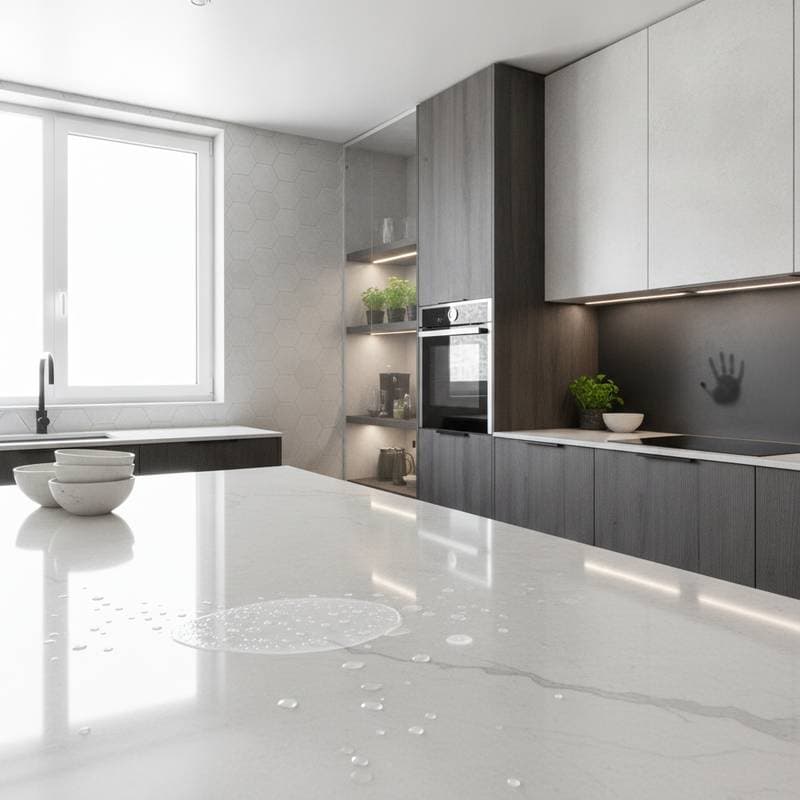
The effectiveness of invisible storage hinges on durable, cohesive materials. Light-toned woods or wall-matching paints suit bright, open kitchens, while deeper shades like walnut or matte gray foster intimate atmospheres.
Consistency proves essential; uninterrupted material flows expand perceived space and soothe the senses. Align wood grains and seams with room architecture to refine the overall effect.
Strategic lighting complements these choices. Install low-profile under-cabinet strips or edge-lit fixtures to accentuate surfaces subtly, illuminating paths and enriching the ambiance without highlighting boundaries.
Achieving Functional Harmony
Invisible storage must prioritize ease of access to avoid frustration. Designers evaluate usage patterns to position items logically: daily necessities remain prominent, while seldom-used objects retreat to concealed areas.
Assess personal routines during planning. Identify high-traffic zones for meal assembly and storage for seasonal tools. Combining concealed and exposed elements often yields the most balanced result, with open shelving adding character where appropriate.
Kitchens thrive on adaptability, not uniformity.
Embracing the Everyday Benefits
A kitchen equipped with invisible storage reshapes daily interactions. Cooking proceeds without distractions, cleanup accelerates, and the space invites lingering for meals or conversations.
During renovations, inventory countertop clutter to pinpoint priorities. Tailor solutions to habits, ensuring the design enhances life rather than merely impressing visually. This thoughtful integration fosters enduring satisfaction.