Why Steam Cleaning Works
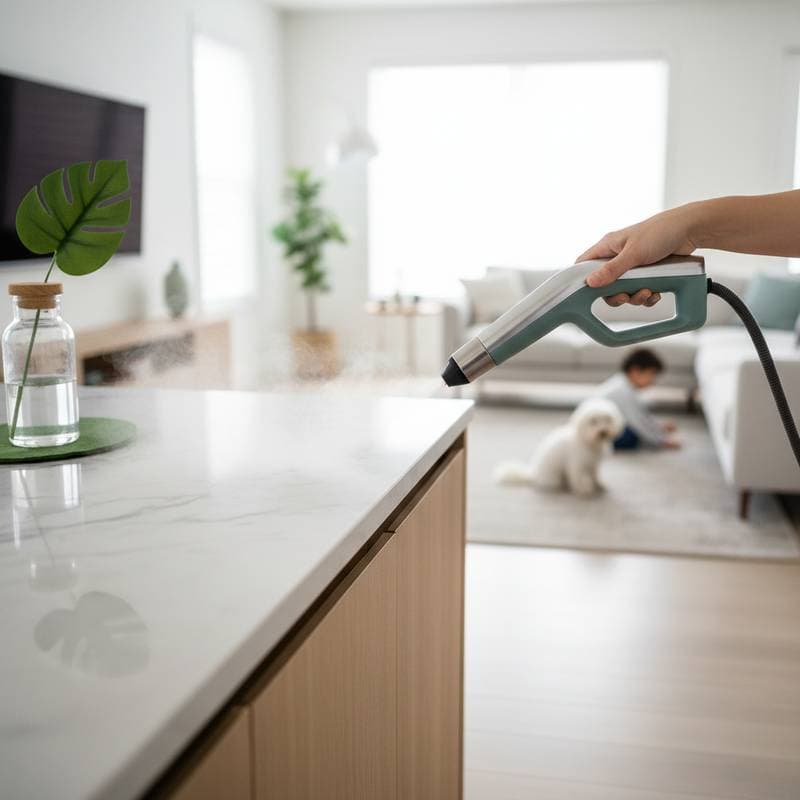
Steam cleaning harnesses thermal energy and humidity. Inside the device, water heats to produce vapor that infiltrates textured surfaces and elevates embedded particles. The intense heat destroys numerous bacteria, viruses, and dust mites upon contact, achieving thorough sanitation without chemical interventions.
Thermal action also disintegrates oily deposits resistant to standard cleaners. Vapor softens these substances for simple removal, resulting in streak-free finishes. Without chemical remnants, treated areas resist rapid re-soiling, as no adhesive layers attract fresh contaminants.
Project Overview
Working Time: Varies by surface area; plan for 1 to 2 hours per full home session.
Total Time: Factor in additional drying periods for fabrics or carpets.
Skill Level: Suitable for beginners to intermediate users.
Estimated Cost: Ranges from $80 to $300, based on machine model and included attachments.
Steam cleaners vary in design to suit different needs. Handheld versions offer portability and economy for tasks on countertops or bathroom elements. Canister units feature expansive reservoirs and versatile tools for floors, upholstery, and glass. Steam mops excel on sealed hardwood or ceramic floors, whereas industrial-strength options address grout and intensive disinfection.
When to DIY vs Hire a Professional
Most residential steam cleaning tasks suit independent efforts. Entry-level machines operate simply with plain water. However, complex jobs like extensive upholstery treatment, broad carpet coverage, or fragile heirloom textiles warrant expert intervention.
Professionals employ robust equipment that sustains elevated temperatures and steady output. For uncertain substrates or high-value installations, seek advice prior to starting. In routine upkeep, personal steamers provide dependable, economical performance.
Materials and Tools
Essential Items:
- Steam cleaning device matched to intended surfaces.
- Fresh microfiber cloths or mop covers.
- Distilled water to avoid mineral accumulation.
- Heat-resistant gloves for managing attachments.
- Gentle brushes for grout or irregular textures.
Optional Accessories:
- Specialized tools for upholstery on fabric pieces.
- Squeegee fittings for glass and reflective panels.
- Extended handles for low or elevated areas.
- Precision nozzles for confined zones near plumbing.
Distilled water prolongs device longevity by inhibiting scale formation. Municipal water often deposits minerals that obstruct outlets and impair efficiency.
Step-by-Step Process
1. Preparation
Clear surfaces by vacuuming or sweeping to eliminate loose particles. This step curbs dirt redistribution and enables direct steam access to embedded soils. Load the reservoir with distilled water per device guidelines, then permit full heating before operation.
2. Test a Small Area
Apply steam to a hidden section to verify material tolerance for heat and dampness. Vulnerable items like untreated timber or select coatings may buckle or fade under prolonged exposure.
3. Clean in Sections
Proceed methodically, guiding the applicator across limited zones with steady motion. Permit vapor infusion for several moments, followed by prompt wiping with a pristine cloth. For persistent marks, incorporate a brush to loosen without abrasion.
4. Handle Fabrics Carefully
Maintain distance from upholstery or drapery, advancing the tool steadily to prevent saturation. Vapor extracts discolorations and revitalizes threads, yet overexposure risks mold growth or shape alteration.
5. Finish and Dry
Conclude by buffing away dislodged residues and excess humidity. Promote air circulation with open vents or fans, particularly in humid zones or fiber-covered floors.
Quality Control: Achieving Professional-Level Results
Professional outcomes hinge on precise application. Employ measured strokes over hasty coverage to maximize efficacy. Position the applicator near enough for thermal transfer yet distant enough to avert liquid pooling.
Frequent cloth renewal during sessions halts contaminant transfer. Streaks or droplets signal the need for fresh materials and adjusted vapor levels. Routine device care proves essential: post-use, evacuate the reservoir, flush components, and air-dry thoroughly. Periodic vinegar rinses counteract internal deposits.
The Real Benefits of Steam Cleaning
Health and Safety
Traditional cleaners emit volatile organics that persist in enclosed atmospheres, potentially provoking sensitivities or breathing difficulties. Steam circumvents these issues with pure water, producing no vapors, leftovers, or artificial scents.
This purity benefits households with infants or animals, safeguarding contact zones like play spaces and furnishings. Beyond surface treatment, steam eradicates mites and microbes overlooked by basic wiping, elevating ambient purity.
Environmental Impact
Chemical products contribute to refuse via wastewater or discarded packaging. Steam minimizes this footprint by depending exclusively on water, bypassing container waste and pollutant discharge.
Device operation consumes less energy than the lifecycle demands of commercial formulations. Cumulative effects lessen domestic refuse and ecological pressure over extended periods.
Budget Considerations
Initial acquisition costs for durable equipment appear substantial, yet rapid amortization occurs through substitution of multiple supplies. One apparatus supplants varied formulas for glass, floors, baths, and textiles.
Longevity under maintenance spans years, offsetting repeated expenditures. Cabinet simplification follows, as specialized items dwindle. Such fiscal prudence appeals to prudent managers.
Versatility
Steam accommodates household diversity, from ceramic seams to appliance exteriors, yielding uniform sanitation. It refreshes bedding, neutralizes animal scents, and revives hangings in place, with minimal hazard to hues or buildup.
Common Mistakes to Avoid
- Overapplication of moisture: Surplus dampness harms timber or tile bonds; opt for restrained output.
- Overlooking preliminary clearance: Residual particles create smears upon vapor contact.
- Disregarding upkeep: Incomplete draining accelerates component degradation.
- Disregarding substrate limits: Review instructions for textiles or coatings prior to treatment.
These oversights compromise integrity; adherence preserves reliability.
When Steam Alone Is Not Enough
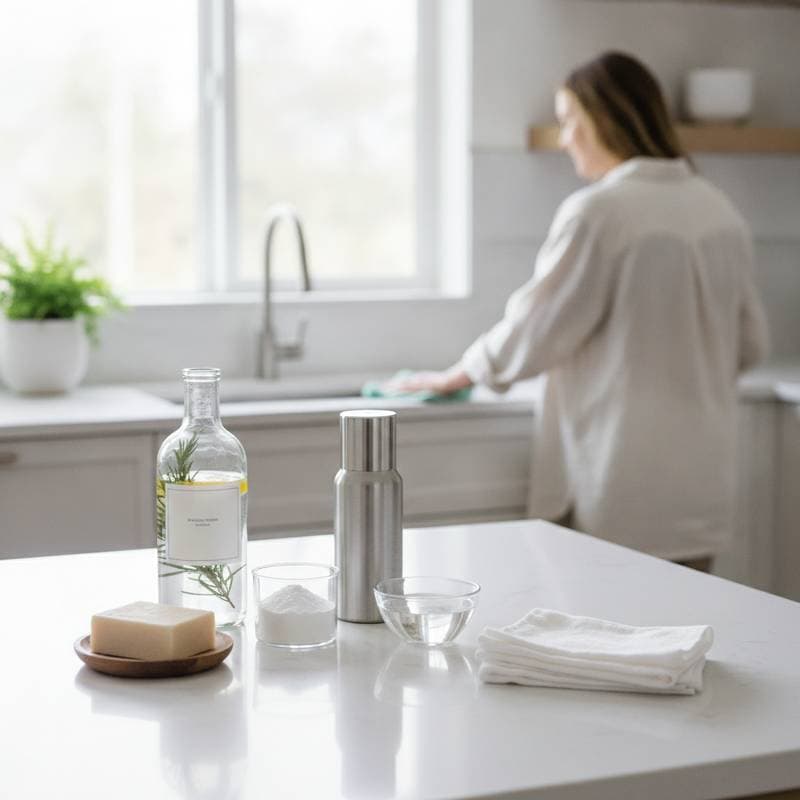
Steam suffices for routine soils, but entrenched accumulations like aged fats, fixture scales, or subsurface carpet blemishes demand preliminary aids. Apply gentle, natural agents initially, then steam to purify and clear remnants.
Severe fungal outbreaks or flood aftermath require specialist correction. Surface elimination addresses symptoms, not origins from persistent dampness. Acknowledging boundaries safeguards assets and welfare.
Building a Chemical-Free Cleaning Routine
Adopt steam incrementally, targeting intensive zones like lavatories and cooking areas first. Substitute products sequentially to build familiarity. Gradually incorporate across spaces as proficiency grows.
Integrate complementary naturals: vinegar for spot priming, soda for abrasion, cloths for routine removal. This evolution streamlines protocols, enhancing security and manageability.
Pro Tips for Success
- Cool substrates fully before steaming to avert fractures.
- Deploy brief pulses on sensitive coatings.
- Stock surplus cloths for seamless transitions.
- Secure storage in arid conditions; monitor conduits for integrity.
- Time intensive sessions quarterly for sustained hygiene and function.
Such practices foster dependable routines and equipment vitality.
Maintaining Your Equipment
Preserve functionality through diligent aftercare. Post-session, expel fluids to halt rust. Dry exteriors and clear tool residues. Adhere to filter protocols.
Hard water zones necessitate distilled sources exclusively. Routine checks on wiring, joints, and barriers detect issues early. Affordable repairs outpace full replacements.
Securing Lasting Cleanliness and Well-Being
Steam cleaning establishes a foundation for enduring purity. Consistent application yields healthier interiors with reduced effort. Embrace this method to foster a sanctuary free from chemical burdens, where every surface reflects care and foresight.