The Rise of Colorful Bedrooms: Enhancing Mood and Redefining Rest
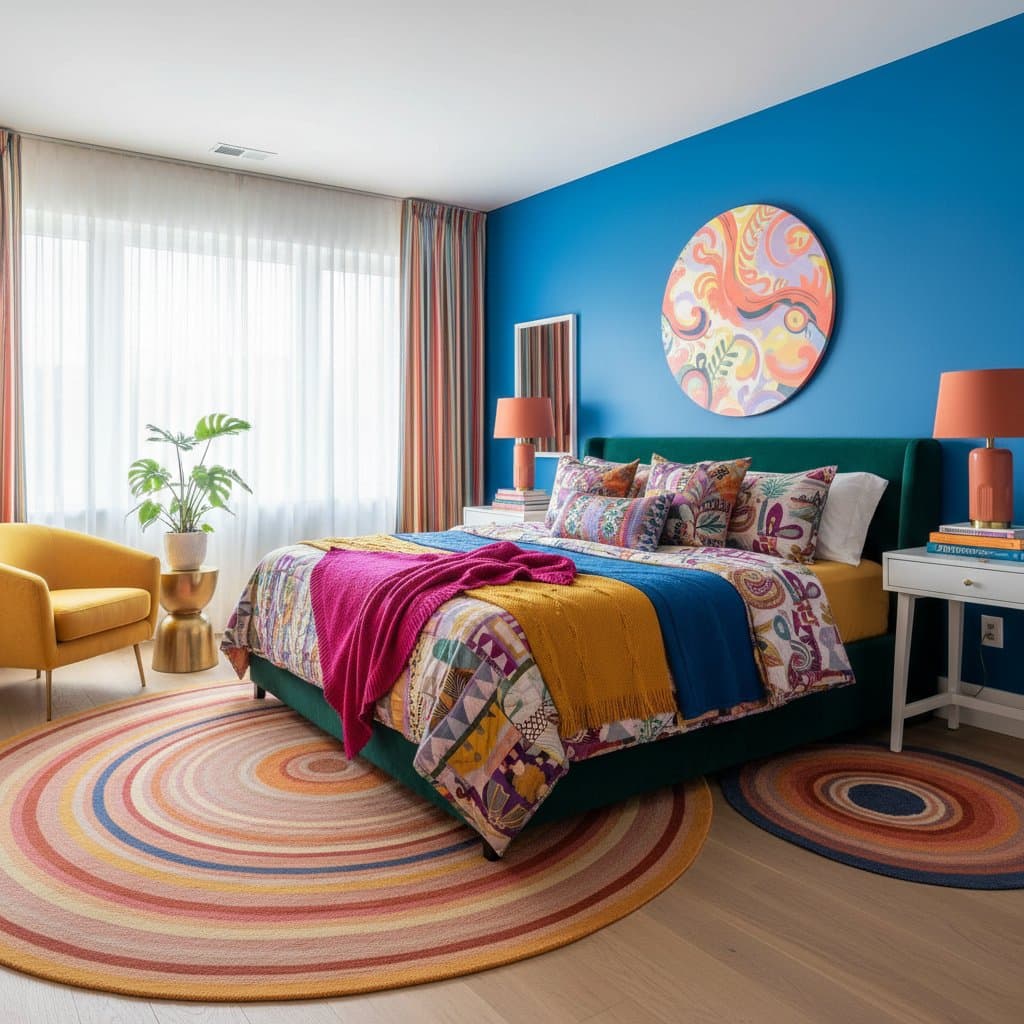
Bedrooms frequently receive minimal attention regarding color amid daily demands such as family responsibilities and household chores. Neutral tones often prevail for their versatility and simplicity. Recent observations among design clients and during travels reveal a notable evolution. Vibrant shades now dominate, supplanting beige and gray with options like coral pink, emerald green, and soft yellow. This shift stems from a fundamental desire: individuals seek environments that uplift their spirits, and color profoundly impacts emotional states.
Essential Insights
- Color influences emotions, particularly in areas designated for relaxation and renewal.
- Saturated, vivid tones gain popularity in bedrooms for their capacity to generate joy and vitality.
Practical methods exist to incorporate color, even in rented or shared living situations.
Cultural elements shape this movement, ranging from Scandinavian pastels to Mediterranean blues.
Dopamine decor extends beyond visual appeal to support psychological health.
Color's Influence on Emotions
Relocating from New York City to the French countryside altered perceptions of color due to changes in natural light. In the urban setting, deep jewel tones suited low-light conditions. In the rural environment, lighter, sunlit shades aligned with the surrounding scenery. This transition highlighted the intimate link between color, mood, light, and daily routines.
Interior designer Carla Simmons, an expert in color psychology, notes that hues affect the initiation and conclusion of daily cycles. "Bedrooms serve as emotional centers. The colors encountered upon waking or retiring can subtly elevate or soothe mental conditions," she states. She recommends viewing color as a mechanism for emotional regulation rather than mere stylistic choice.
Dopamine decor embodies this principle by prioritizing elements that evoke positive responses. Examples include walls in sunny yellow or a coral quilt evoking cherished coastal memories.
Factors Driving the Trend Toward Colorful Bedrooms
Vibrant bedrooms gain traction for their vitality and personalization. Following an era of gray-and-white minimalism, individuals desire warmth and sentiment. This change appears in urban dwellings and rural homes alike. Families seek bedrooms that function as expressive retreats rather than impersonal accommodations.
Industry responses include collections emphasizing diverse hues, from lilac and sky blue to terracotta. Social platforms amplify the movement through accessible displays of colorful, attainable interiors.
During a recent redecoration of a child's bedroom, selecting coral pink and mint green elicited evident delight. Such choices empower users, particularly younger ones, fostering environmental ownership and imaginative growth.
Scientific Foundations of Color and Emotional Response
Emotional language often describes colors, such as "feeling blue" or "seeing red." These terms reflect color's effect on the nervous system, modulating relaxation or arousal levels. Studies in environmental psychology affirm designers' observations: warm shades like red, orange, and yellow foster excitement and positivity, whereas cool tones such as blue and green promote calm and repose.
Context plays a crucial role. Deep navy conveys coziness in well-lit rooms but may appear oppressive in confined, dim areas. Achieving equilibrium proves essential. London-based designer Aisha Laurent advises, "Each color benefits from complementary partners. To temper bright yellow's intensity, integrate creamy neutrals or light wood elements."
In a compact New York residence, modest color applications yielded significant impact. A striking pillow or painted headboard altered the ambiance without extensive alterations.
Strategies for Incorporating Color into Bedrooms
Full-room painting commitments are unnecessary to reap color's advantages. Begin modestly to gain assurance. The following approaches introduce vibrancy affordably and reversibly.
Layering Textiles for Depth
Textiles offer the simplest entry point for color experimentation. Consider quilts, throws, cushions, and rugs. Combining materials enhances tactile interest and coziness. An emerald velvet pillow or coral linen duvet shifts the room's energy promptly. In shared spaces with neutral preferences, maintain serene walls and rotate colorful accessories with seasons.
Accent Walls and Ceilings
Applying paint to a single wall or ceiling delivers striking transformation. A pale sage ceiling in a Cotswolds bedroom evoked serenity by day and intimacy by evening. Select shades that harmonize with current furnishings and linens.
Integrating Artwork and Prints
Artwork serves as an effective color conduit. Abstract prints or framed fabrics infuse character durably. Sourcing vintage posters from Paris markets or local artisan pieces adds narrative alongside hue.
Drawing from Natural Palettes
Nature provides abundant motifs. Gentle greens, azure blues, and terracotta earth tones ground while uplifting. These selections bridge interior and exterior realms, suiting both countryside abodes and city units lacking foliage.
Enhancing with Lighting
Illumination alters color perception. A glass lamp in tinted hues or a linen shade with warm bulbs introduces nuanced glow. In a child's room, an amber fixture yields playful yet calming radiance.
Cultural Influences on Bedroom Color Palettes
Residency in various nations reveals culturally rooted color affinities. French interiors favor subdued countryside-inspired shades like dusty lavender and sage. London residences embrace assertive tones such as cobalt or mustard to infuse personality into modest flats. Scandinavian aesthetics employ color judiciously, contrasting pale bases with accents in forest green or blush pink.
A journey through Morocco inspired admiration for Chefchaouen's vivid blues and Marrakech's ochre walls. These elements continue to inform design decisions. Subtle cultural integrations, via patterned throws or ceramic bases, impart global essence.
Interior stylist Julia Ferri, who styles European homes, emphasizes personalization in such inspirations. "Prioritize evoking a location's essence over replication. Ocean blues might recall seaside bliss, or hot pink could echo Indian travels. Allow recollections to direct selections."
Selecting Colors to Match Desired Moods
Bedrooms fulfill specific functions, and colors refine those intentions. Palettes align with objectives, from invigorating awakenings to tranquil evenings.
Promoting Calm and Repose
- Soft blues and greens emulate natural tranquility.
- Lavender and dusty rose evoke romance and ease.
- Creamy whites with organic textures preserve brightness and serenity.
Igniting Energy and Delight
- Sunny yellows and coral pinks stimulate cheer and innovation.
- Turquoise and teal convey renewal and vigor.
- Terracotta and blush provide warmth and stability.
Achieving Elegance and Richness
- Navy, emerald, and burgundy establish opulence and closeness.
- Charcoal with jewel accents offers contemporary comfort.
- Deep plum or olive delivers refinement without excess.
Reflect on intended sensations upon entering the space. This query guides effective choices.
Adapting Color in Compact or Temporary Spaces
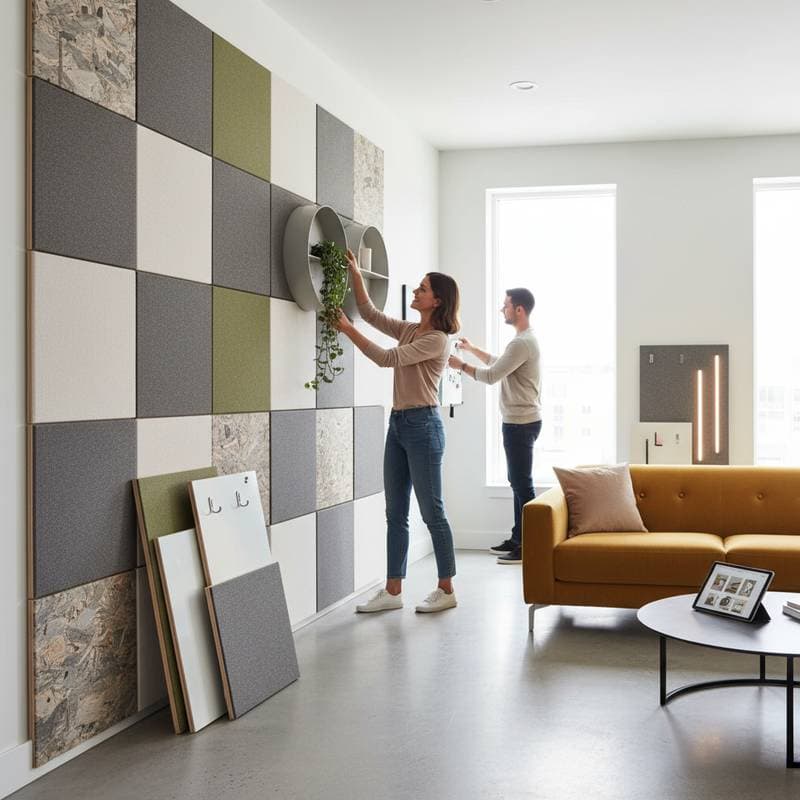
Renters and urban dwellers often face painting restrictions. Fortunately, color flourishes through non-permanent means. Removable wallpapers, vivid headboards, and patterned bedding inject identity effortlessly.
In a London apartment, botanical peel-and-stick wallpaper in green and coral behind the bed enhanced appeal and removed cleanly upon relocation. For students, fabric hangings supply color, texture, and acoustic benefits.
Strategic placement aids petite areas. Darker lower walls paired with lighter uppers create illusory expansion. Color-framed mirrors or painted trim distribute light and vibrancy dynamically.
Sustaining the Benefits of Colored Bedrooms
Adopting color in bedrooms profoundly alters routines. Clients report elevated spirits following minor changes. One family noted that replacing gray linens with saffron evoked brighter mornings. Another individual found lavender walls improved sleep quality.
These transformations underscore color's role in fostering enduring well-being. Personal sanctuaries emerge, reflecting individual essence and enhancing daily renewal.