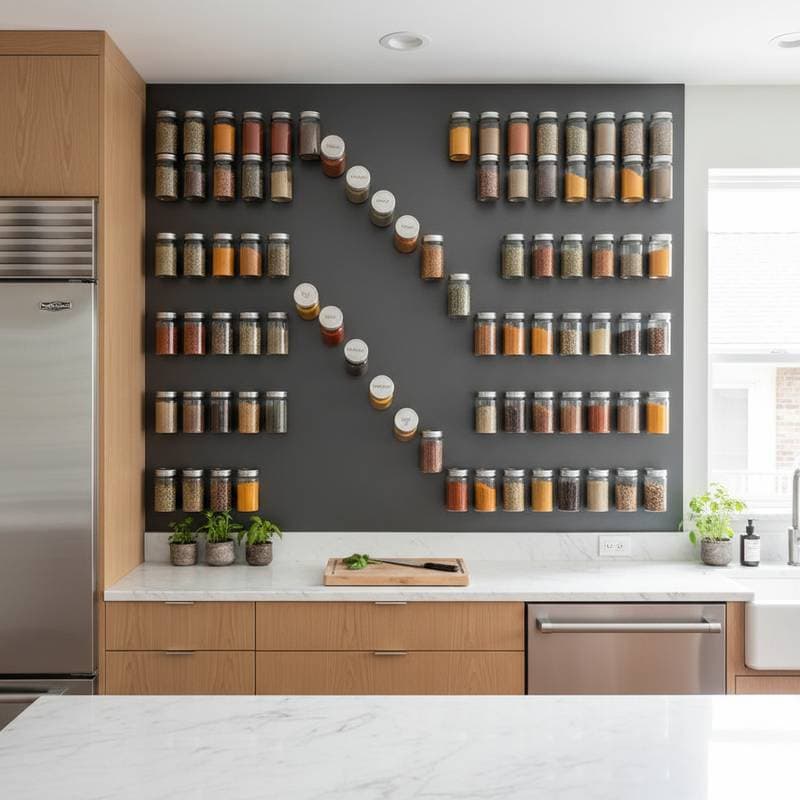
Invisible Storage Solutions: Conceal Clutter and Reclaim Serenity
In the midst of work demands, a partner's irregular travel, and the constant influx of children's shoes, toys, and schoolwork, clutter accumulates rapidly. Upon relocating from a spacious London townhouse to a compact Cotswolds cottage, the limitations of visible storage became apparent. Even attractive baskets and open shelves appeared disorganized when in use. This experience led to an exploration of invisible storage techniques that integrate seamlessly into daily life while maintaining an air of composure.
Invisible storage extends beyond mere design ingenuity; it represents a practical approach to managing household chaos without introducing additional complexity. Applicable to urban apartments, rural farmhouses, or student dormitories, these methods foster a renewed appreciation for one's surroundings.
The Benefits of Invisible Storage in Everyday Living
Innovative Wall and Structural Storage Techniques
Floating Shelves Incorporating Concealed Drawers
These appear as elegant, minimalist ledges at first inspection, yet a subtle tug unveils a slim drawer suited for essentials like keys, correspondence, or device chargers. Encountered initially in a space-constrained Paris residence, they suit tenants seeking discreet solutions without extensive modifications.
Concealed Panels and Recessed Wall Compartments
During renovations, incorporate faux panels behind artwork or reflective surfaces. In one kitchen application, a shallow cabinet masked by a framed chalkboard accommodates cleaning materials. This setup proves functional and undetectable to guests.
Architectural designer Theo Jennings observed: "Individuals overlook the potential capacity within walls. A mere few inches of depth can revolutionize storage in confined areas." His advice extends to bathrooms, where compartments recessed behind mirrors sequester personal care items efficiently.
Utilization of Door Surfaces for Storage
Doors often remain underutilized. Attach narrow racks or tailored panels matching the door's hue for seamless integration. One practical example involves a laundry room door fitted with holders for detergents and linens, thereby optimizing adjacent shelving.
Practical Invisible Storage for Family Environments
In households with children, such storage preserves mental equilibrium. Accessibility encourages participation in tidying, while discretion ensures a serene aesthetic.
Under-Sofa Compartments for Toys
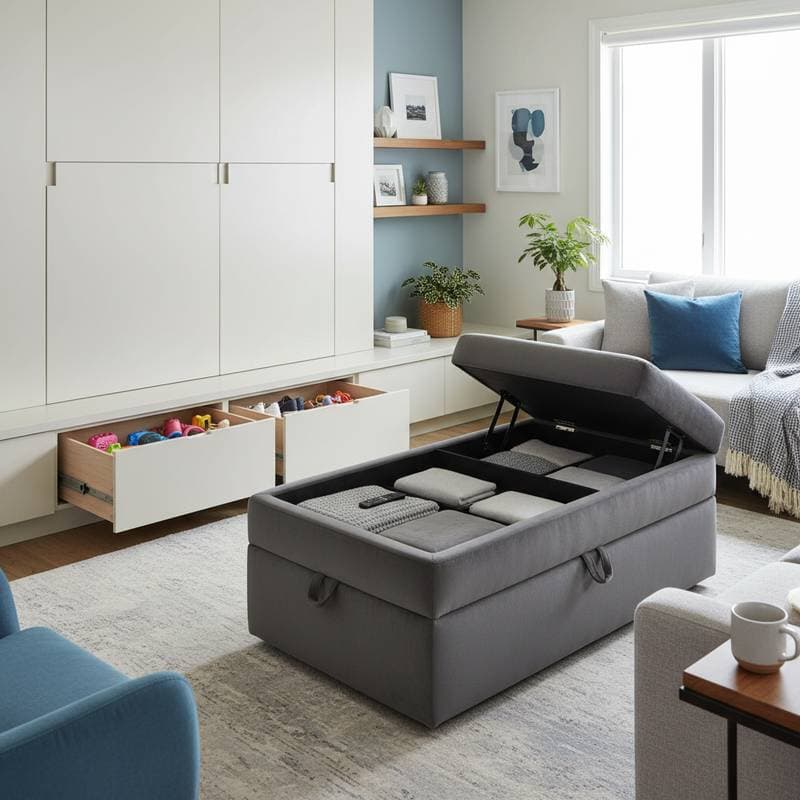
Employ low-height bins on casters that glide beneath sofas or modular seating. Categorize contents with labels to facilitate swift organization by family members. This arrangement keeps items accessible yet unobtrusive.
Magnetic Panels in Sleeping Quarters
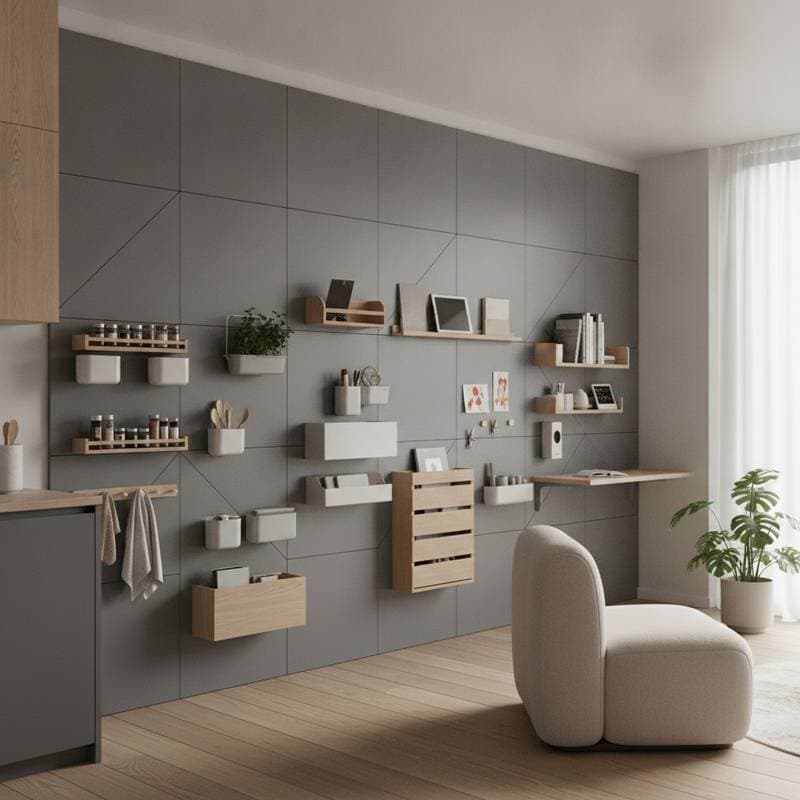
Replace exposed shelving, prone to dust and disarray, with magnetic surfaces overlaid by fabric or wall coverings. These accommodate small vessels or fasteners for lightweight possessions, including jewelry, artistic materials, or office supplies. The design evolves alongside a child's needs.
Integrated Workspaces for Study
Deploy foldable desks that retract into wall units, ideal for juvenile bedrooms or compact living areas. In the closed position, they resemble ornamental panels or reflective elements. Upon extension, they provide a complete, orderly station for academic tasks.
Cultural Approaches to Concealed Organization Worldwide
International experiences highlight that invisible storage predates modern trends, influenced by societal norms and building traditions.
Japanese residences incorporate elevated tatami mats that hinge to expose substantial underfloor storage. In provincial French settings, heirloom wardrobes mask workspaces or utensil collections. British rural homes utilize window benches and recessed nooks to stow literature or horticultural implements. Across these examples, the core tenet persists: orderly habitation via astute hiding.
Implementing Invisible Storage in Key Home Areas
To apply these concepts effectively, target specific zones with tailored solutions.
- Entry Areas: Select benches featuring hinged storage or consoles with integrated drawers to manage outerwear and accessories.
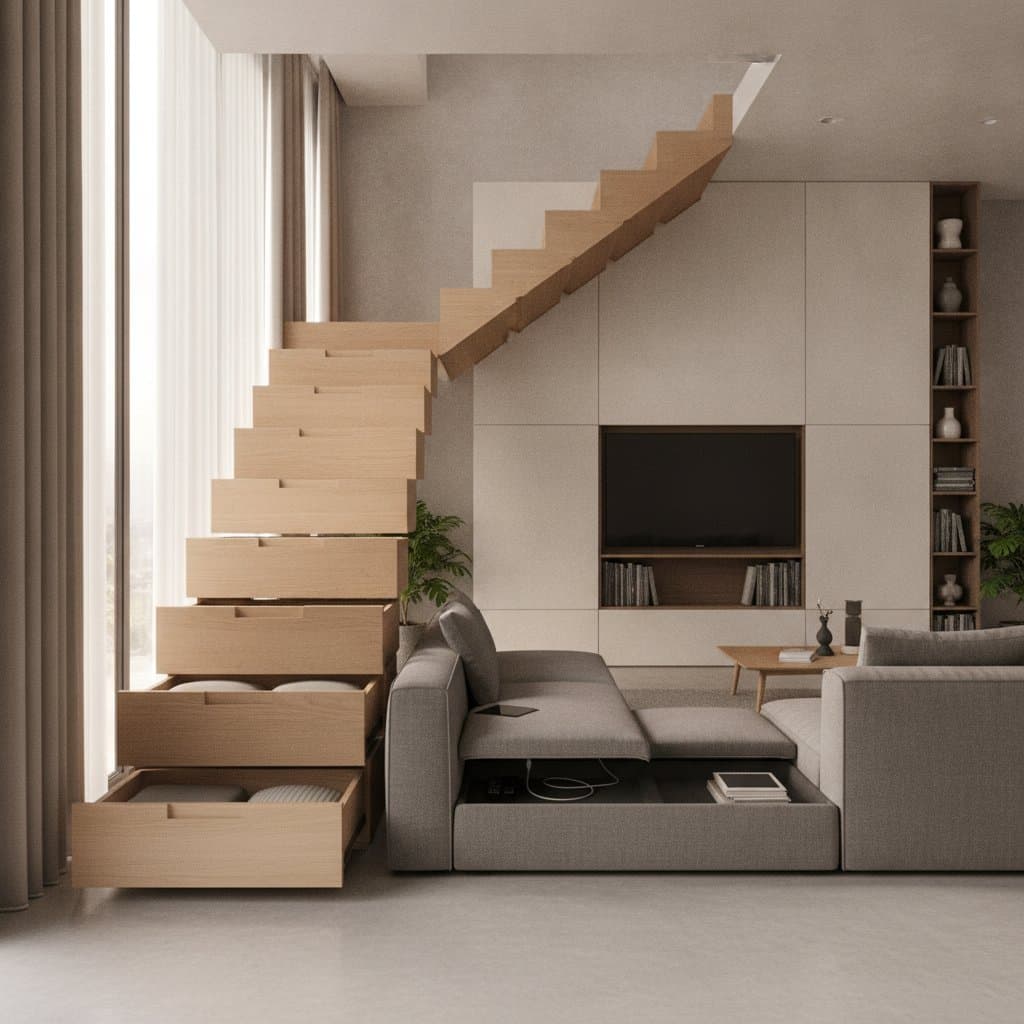
- Communal Spaces: Incorporate ottomans, low tables, or auxiliary surfaces with internal compartments for remotes, periodicals, and throws.
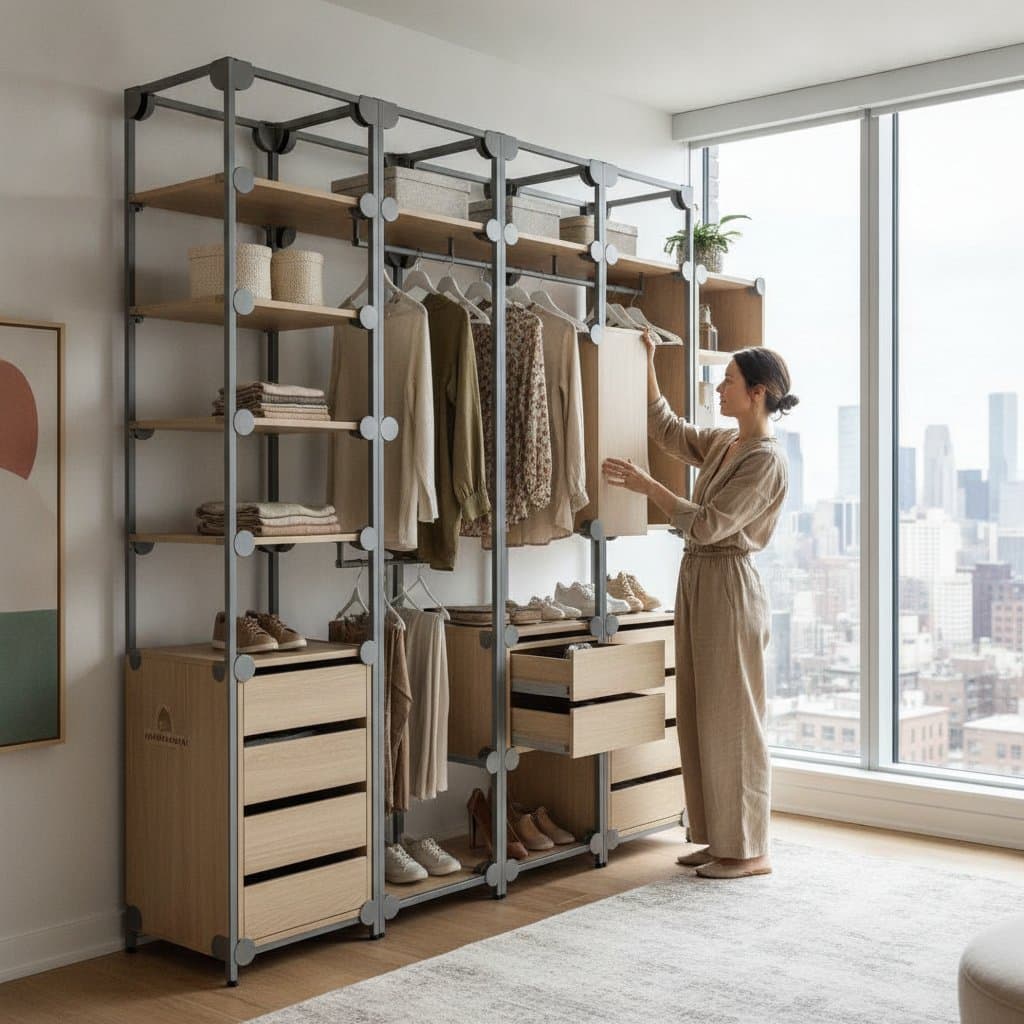
- Sleeping Quarters: Choose under-bed rolling drawers or mounted headboards with recessed pockets for attire and nighttime essentials.
- Culinary Zones: Install false fronts or baseboard-accessible drawers to organize provisions, utensils, and maintenance items.
- Children's Areas: Integrate mobile containers, masked workstations, or furnishings with covert sections to handle playthings and learning materials.
These adaptations not only diminish visible disorder but also enhance the overall harmony and efficiency of domestic life, allowing spaces to reflect intentional design amid routine activities.