Designing Climate-Resilient Front Yards for Drought and Flood Extremes
Homeowners increasingly face unpredictable weather patterns that alternate between prolonged dry periods and intense rainfall. A front yard that flourishes under such conditions requires more than aesthetic appeal; it demands resilience and functionality. Thoughtful landscaping choices enable the creation of a space that remains vibrant, supports environmental health, and minimizes maintenance demands.
Assessing Your Yard's Water Dynamics
Observe water movement in your yard to identify vulnerabilities. Note areas where water accumulates after storms or where soil dries and cracks during arid conditions. These observations guide targeted improvements.
Many areas now encounter both drought and flooding in the same year, highlighting the need for adaptable designs. A resilient front yard retains moisture during scarcity and facilitates drainage during excess. This equilibrium relies on robust soil preparation and precise grading techniques.
Building a Strong Soil Foundation
Strategic Grading for Water Balance
Proper grading directs excess water away from structures while preserving moisture in planting zones. Create gentle slopes of 2 to 3 percent away from the foundation using a level and rake. Install shallow swales—depressions lined with plants—to channel runoff naturally.
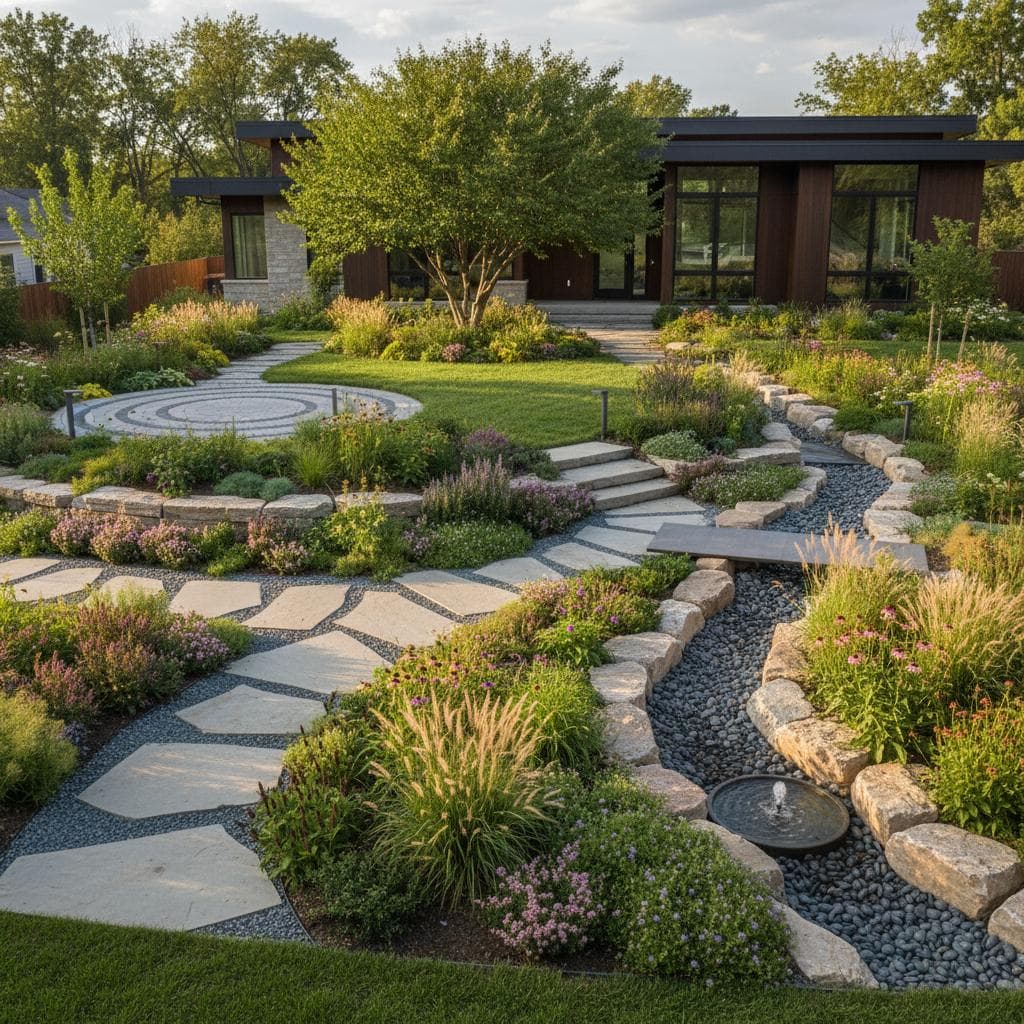
Incorporate permeable pathways with gravel or stepping stones set in sand to allow infiltration. These elements prevent erosion and maintain soil stability, transforming potential problem areas into functional features.
Selecting Adaptable Plants
Opt for plants that tolerate variable moisture levels to ensure year-round vitality. Native species excel in local conditions, requiring minimal supplemental water after establishment. For example, plant deep-rooted perennials like prairie dropseed grass, which stabilizes soil and recovers from both saturation and drought.
Incorporate shrubs such as buttonbush or summersweet clethra, which thrive in wet soils yet endure dry spells with minimal intervention. Use groundcovers like wild ginger or Pennsylvania sedge to suppress weeds and maintain coverage without frequent irrigation. Diversify selections by combining plants with varying root depths and growth habits to build ecological redundancy.
- Grasses: Switchgrass or Indian grass for erosion control and visual texture.
- Shrubs: Inkberry holly or spicebush for year-round interest and wildlife support.
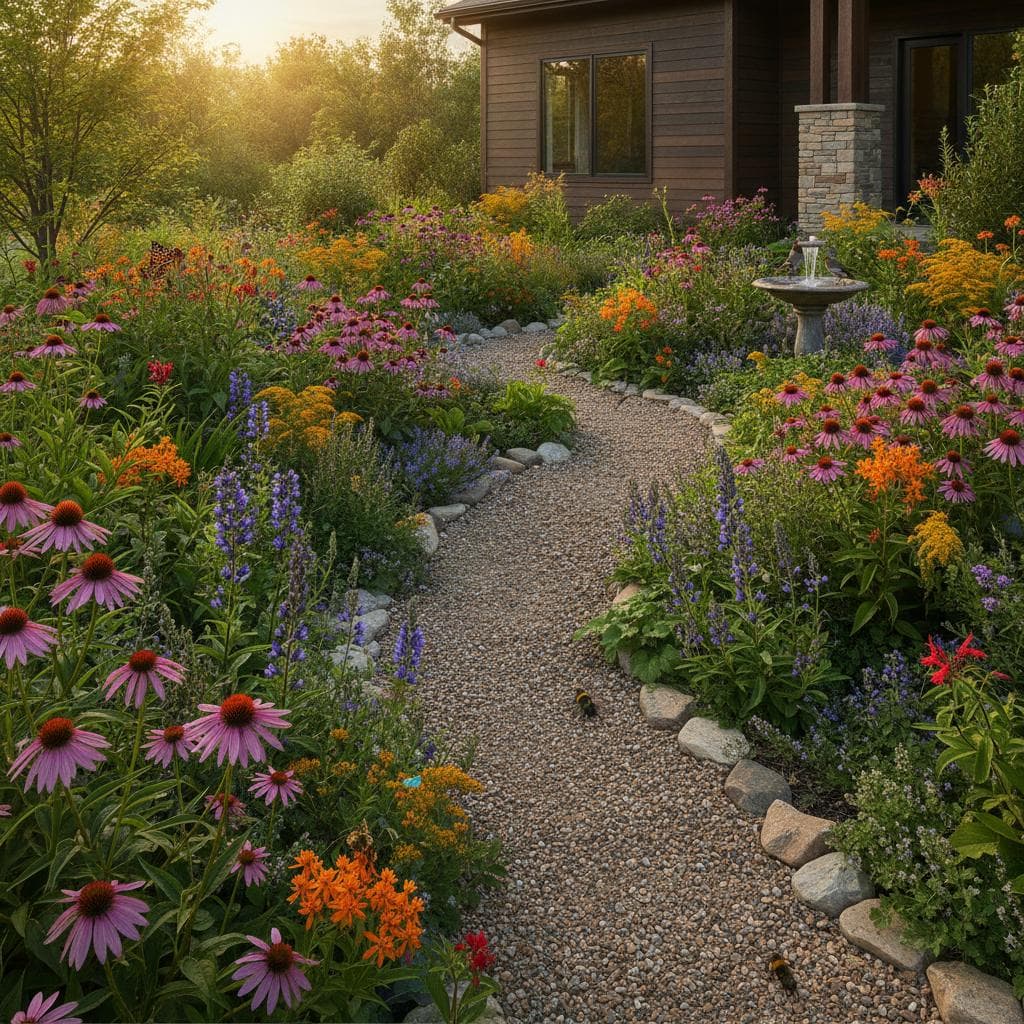
- Perennials: Black-eyed Susan or coneflower for color and pollinator attraction.
This mix fosters a self-sustaining plant community that adapts to environmental shifts.
Integrating Water Management Solutions
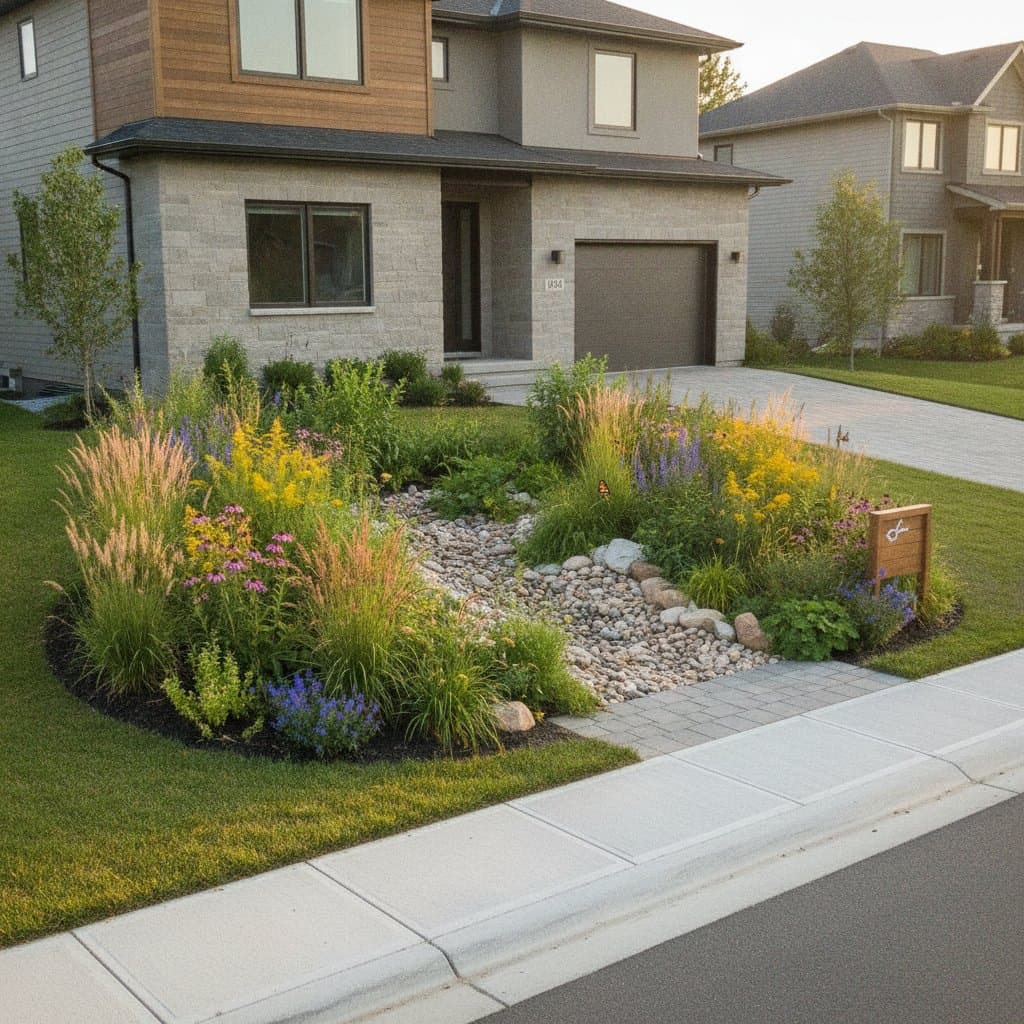
Implement features that capture and redirect water to enhance resilience. A compact rain garden, planted with moisture-loving natives like iris or ferns, absorbs driveway runoff and prevents basement flooding. Position it 10 feet from the house and line the base with amended soil for optimal filtration.
Construct a dry creek bed using rounded river rocks to simulate natural drainage channels. Line the trench with landscape fabric, fill with stones of varying sizes, and border with drought-tolerant plants like yarrow. During dry periods, these beds retain heat less than concrete, benefiting surrounding vegetation.
For irrigation, install drip systems connected to a timer, delivering 1 inch of water weekly to established plants. Harvest rainwater with 55-gallon barrels under downspouts, filtering collected water through screens to supply hoses or soaker lines efficiently.
Choosing Supportive Hardscape Materials
Replace solid concrete with permeable alternatives to promote groundwater recharge. Permeable pavers, installed over a gravel base, allow up to 80 percent of rainfall to infiltrate while providing stable walkways. Decomposed granite paths compact naturally and require occasional regrading for longevity.
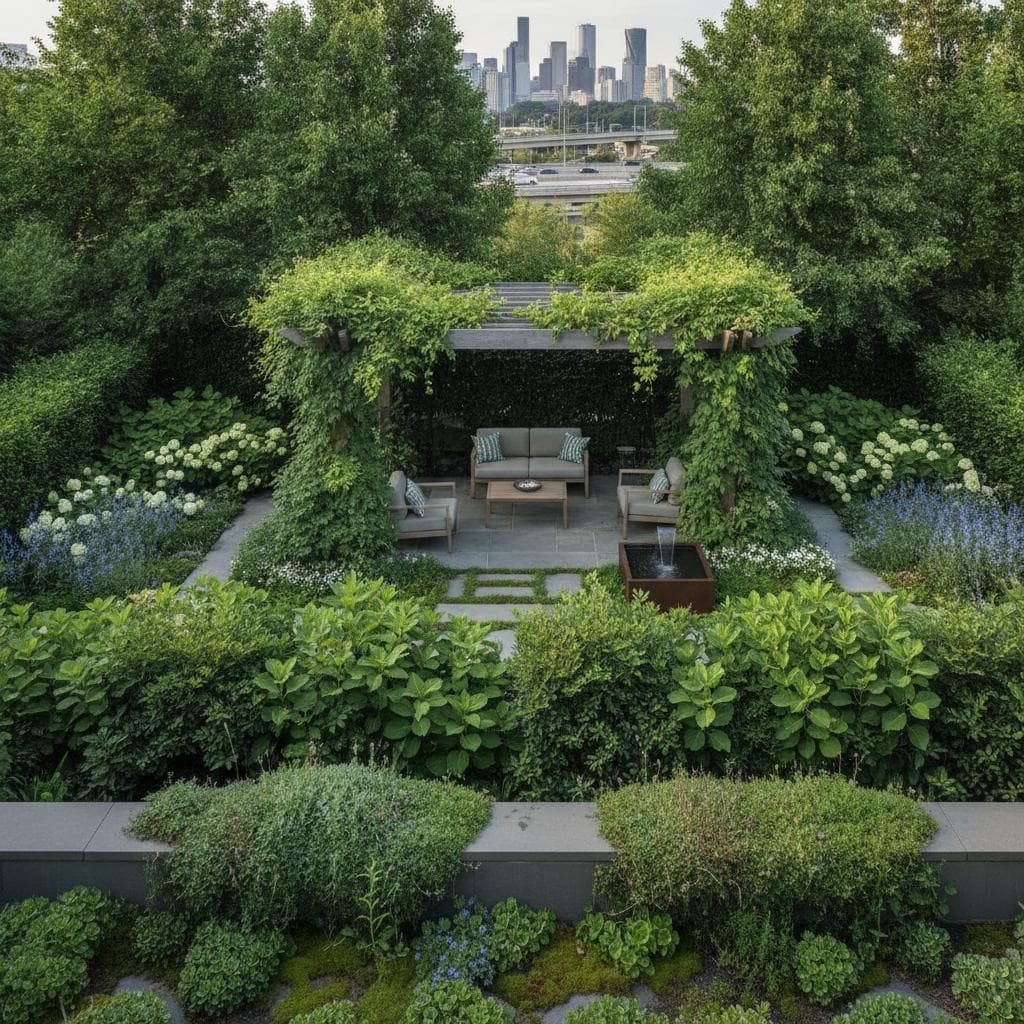
Select light-toned materials like beige sandstone or white gravel to reduce heat absorption, keeping soil temperatures lower by up to 10 degrees Fahrenheit. Add vertical structures such as arbors draped with native vines like American wisteria to offer shade and wind protection, extending plant hardiness.
Maintaining Your Resilient Landscape
Routine care sustains the yard's adaptability. Apply 2 to 3 inches of mulch in spring to suppress weeds and regulate soil temperature. Inspect drainage after each major rain event, clearing debris from swales and adjusting berms as needed to optimize flow.
Prune shrubs lightly in late winter to encourage vigorous growth, and divide perennials every three years to prevent overcrowding. Monitor for pests naturally, using companion planting—such as marigolds near vegetables—to deter issues without chemicals.
Implementing Practical Changes
Begin with targeted updates to build confidence. Convert a 100-square-foot lawn section to a native meadow, seeding with a mix of grasses and forbs for quick establishment. Add one rain barrel and observe its impact on watering needs before expanding.
Track changes with a simple journal, noting plant performance and water usage. These incremental steps yield a landscape that enhances property value, reduces utility costs, and contributes to community sustainability.