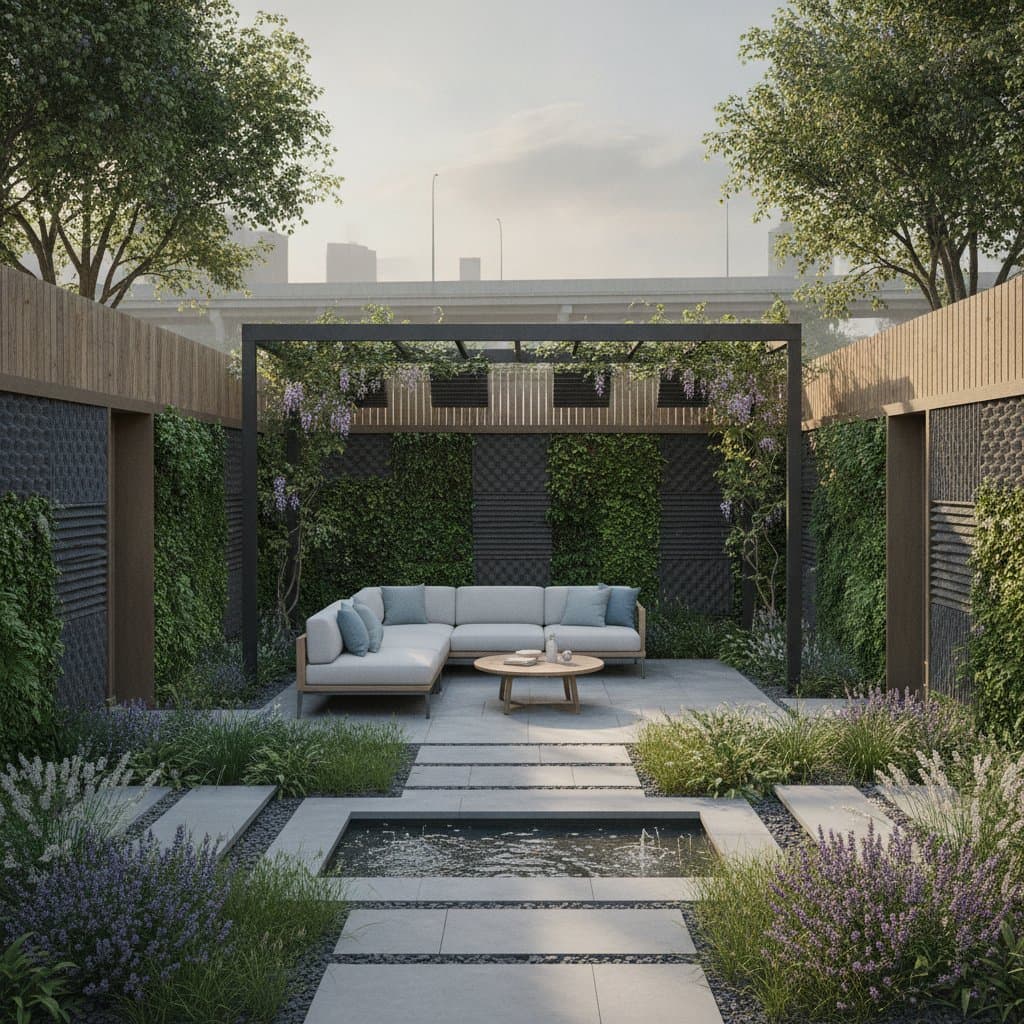
Understanding Noise Reduction Through Plants
Urban environments often bring unwanted sounds into backyards, such as traffic rumble or neighbor activities. Plants offer a natural solution by absorbing and deflecting these noises. This approach creates a more peaceful outdoor space without relying on artificial barriers.
Personal experiences highlight the value of this method. In a busy neighborhood like Staten Island, simple plantings transformed a noisy yard into a calm retreat. Homeowners can achieve similar results by selecting plants with specific acoustic properties.
Mechanisms of Sound Reduction in Plants
Plants interact with sound waves in targeted ways. Leaves and branches scatter high-frequency noises, reducing their intensity as they travel. Dense foliage creates physical barriers that block lower-frequency sounds, much like a wall but with added environmental benefits.
Designing an Effective Plant Barrier
Start with site assessment to identify primary noise sources. Position taller plants along the noisiest edges, such as fences near roads. This setup directs sound upward and away from seating areas.
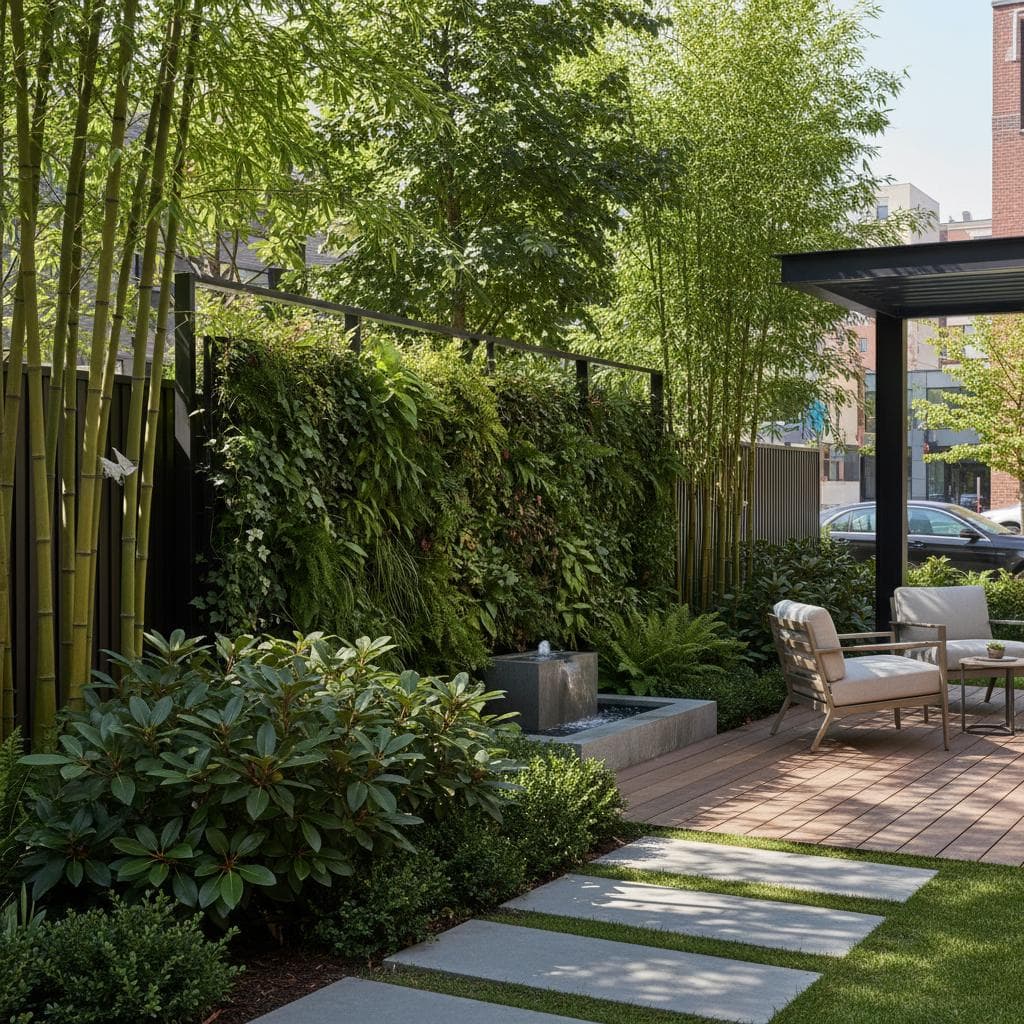
In one practical application, dense shrubs formed the base layer along a back fence. These reached 6 to 10 feet in height, providing year-round coverage. Adding bamboo in contained areas filled vertical gaps, while ivy climbed supporting structures for added density.
Results appeared within months. Street noise softened, and nearby power tools sounded distant. This layered system required minimal upkeep beyond initial planting.
Recommended Plants for Acoustic Benefits
Choose plants based on growth habits and sound-absorbing qualities. Evergreens maintain density through seasons, ensuring consistent performance.
- Arborvitae or Leyland cypress: These tall options grow 8 to 15 feet, forming solid screens against persistent noise.
- Bamboo: Opt for clumping varieties in containers to reach 10 feet quickly; they excel at absorbing mid-range sounds.
- Boxwood or privet: Mid-sized hedges at 3 to 6 feet offer formal barriers with easy pruning.
- Climbing ivy or clematis: Cover fences and trellises to add layered thickness without ground space.
- Hostas and ferns: Low-growing covers mute echoes from patios and paths.
- Hydrangeas or lilacs: Provide bulk and beauty, contributing to overall sound diffusion.
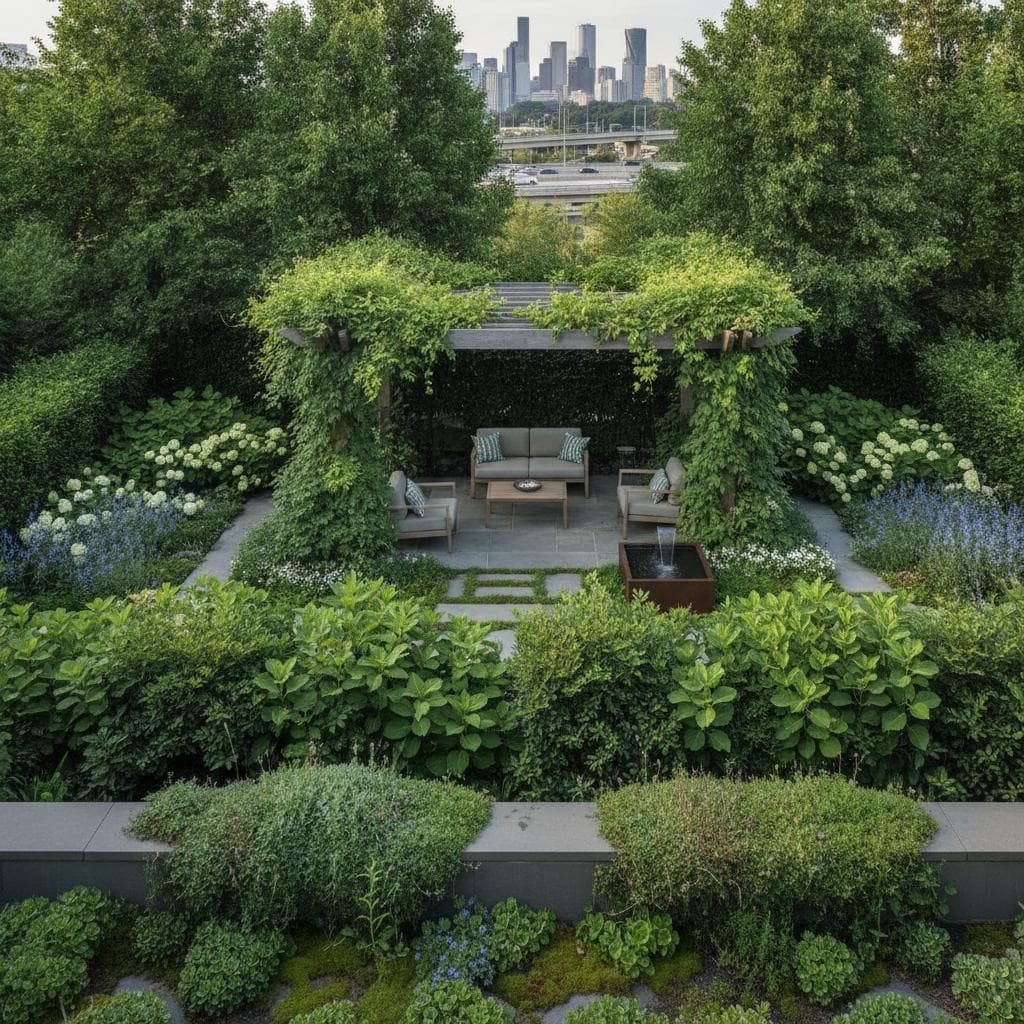
Arrange in tiers: tall plants at the back, medium in front, and low at the base. This configuration maximizes coverage and aesthetic appeal.
Incorporating Vertical Gardens for Noise Control
Space-limited areas benefit from vertical installations. These structures mount on walls or fences, using pockets or panels filled with trailing plants.
For example, a Brooklyn balcony setup used wooden frames with pothos and philodendron. The dense foliage reduced street sounds while improving air quality. Solid backings like wood enhanced absorption by reflecting noise inward.
Position vertical gardens near noise entry points. Ensure plants receive adequate light and water for sustained growth. Over time, they create a bidirectional sound buffer, ideal for urban dwellers.
Acoustic Science Behind Plant Serenity
Sound waves lose energy when passing through plant material. Rough textures break up waves, while soft leaves convert vibrations to heat. This process lowers overall noise levels in enclosed spaces.
Fences and walls can amplify sounds if bare. Plants counteract this by softening reflections. The result fosters a balanced auditory environment, where natural sounds like wind in leaves dominate.
Wellness benefits extend beyond hearing. Reduced noise stress promotes relaxation and outdoor enjoyment. Gradual implementation allows for observation and adjustment.
Setting Realistic Goals for Plant Barriers
Plants mitigate but do not eliminate all noise. High-decibel events like sirens may still penetrate. Focus on overall improvement, where harsh sounds blend into a milder backdrop.
Maintenance sustains effectiveness. Prune shrubs annually to preserve density. Water vertical systems regularly, especially in dry climates. These tasks integrate with routine gardening.
Homeowners report enhanced well-being from these efforts. The shift encourages more time outdoors, deepening appreciation for green spaces.
Implementing Your Noise-Reduction Plan
Identify a focal area, such as a relaxation zone facing traffic. Gather 3 to 5 plant types suited to your climate and soil.
Plant in sequence: establish tall barriers first, then add mid and low layers. Space plants closely for immediate density, allowing room for mature growth.
Observe noise levels after two to four weeks. Adjust spacing or add elements as needed. Mulch bases to conserve moisture and suppress weed competition.
This process builds a resilient garden. Over seasons, it delivers lasting tranquility, enriching daily routines with natural calm.