Key Points
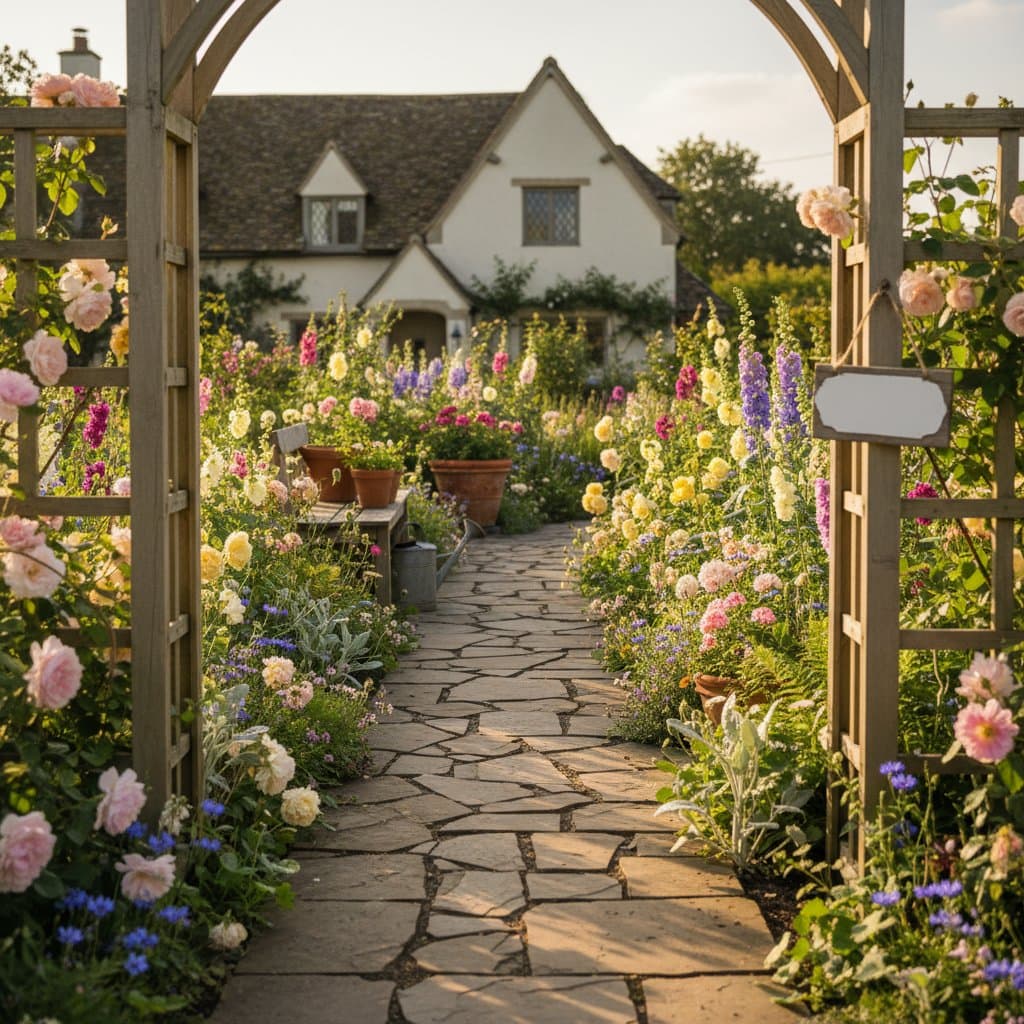
- Vintage florals form the core of grandmillennial garden designs, infusing modern landscapes with warmth and historical appeal.
- This aesthetic appeals to individuals who value classic aesthetics alongside a relaxed, authentic atmosphere.
- Numerous initiatives remain affordable through the use of heirloom seeds, recycled vessels, and self-made garden features.
- Strategic planning and soil management sustain these heritage-inspired gardens with minimal ongoing effort.
- Certain components, including pruning established trees or setting up watering systems, benefit from expert involvement to promote safety and effectiveness.
Project Overview
Working Time: Variable, often spanning multiple weekends for initial planting and assembly
Total Time: One full growing season to reach peak visual appeal
Skill Level: Beginner to intermediate
Estimated Cost: Moderate, influenced by choices in plants and supplies
When to DIY vs Hire
Homeowners possessing fundamental gardening expertise can manage the majority of grandmillennial garden elements. Tasks like planting, preparing ground, installing borders, and adding ornaments suit leisurely weekend endeavors. However, complex operations such as installing drip irrigation or erecting sturdy arbors demand professional input to guarantee structural integrity and user safety. Pruning large trees or reshaping terrain always requires certified professionals, as errors pose substantial hazards.
Materials and Tools
Materials:
- Heirloom or heritage flower seeds
- Organic compost and mulch
- Reclaimed wood or antique containers
- Stone or brick for edging
- Supports for climbers, including trellises or arbors
Tools:
- Garden trowel and spade
- Pruning shears
- Watering can or hose equipped with a soft spray attachment
- Wheelbarrow and rake
- Level and shovel for pathway construction
Thrifty gardeners reduce expenses by obtaining seeds via community exchanges, refurbishing discarded pots, or adapting surplus construction remnants. Transform a flawed enamel tray or aged wooden cask into an enchanting planter through creative placement and minor fixes.
Step-by-Step Process
1. Plan Your Layout
Commence with a basic sketch that echoes cottage garden informality. Incorporate gentle arcs instead of rigid lines, and cluster plants in groups of three or five to foster organic appearances. Evaluate views from indoor spaces to position vivid displays where they enhance primary sightlines.
Where area permits, segment the garden into distinct areas: designate one for harvesting bouquets, another shaded spot for leafy specimens, and a sunlit perimeter for enduring perennials. This organization streamlines access and optimizes growth conditions.
2. Prepare the Soil
Healthy soil underpins vigorous, persistent plant performance. Eliminate persistent weeds, aerate dense zones, and incorporate compost or aged manure to enrich the earth. Target a loose, friable consistency that permits drainage while retaining essential hydration. Although labor-intensive, this preparation averts future issues like poor root development or nutrient shortages.
Test soil pH with an inexpensive kit from a garden center, adjusting toward neutral levels for most vintage blooms. Repeat the process annually to sustain fertility without over-reliance on synthetic amendments.
3. Select Classic Blooms
Heritage florals distinguish the grandmillennial garden. Opt for these reliable options:
- Peonies: Generous, aromatic flowers that perennialize reliably.
- Hydrangeas: Sturdy bushes evoking bygone eras.
- Sweet peas: Ideal for vertical supports, providing fragrance and hues.
- Foxgloves and delphiniums: Introduce height and elegance to edges.
- Zinnias and cosmos: Straightforward cultivators suited for harvest plots.
Balance short-lived annuals with long-term perennials to secure year-round interest. Space selections adequately, allowing 12 to 18 inches between individuals to accommodate expansion without competition.
4. Add Structure and Texture
Authentic grandmillennial designs balance plush greenery with robust forms. Construct a modest timber archway or salvage an antique door as a central element. Line pathways with gravel or bricks, flanked by clipped boxwood or fragrant lavender, to introduce subtle order amid the casual vibe.
For a countryside touch, lay reclaimed bricks or flat stones directly into sand beds, bypassing cement for flexibility. This method facilitates future modifications and aligns with the style's adaptable spirit. Secure loose pieces periodically to maintain even surfaces.
5. Mulch and Water Properly
Apply mulch to conserve water and deter weed growth, yet apply judiciously to avoid smothering roots. Distribute a two-inch covering uniformly at plant bases, maintaining clearance around stems for air circulation. Establish regular watering habits, particularly during establishment phases, favoring thorough drenchings over shallow sprinkles to encourage deep root systems.
Monitor moisture levels by inserting a finger two inches into the soil; irrigate when dry. In arid climates, consider rain barrels to collect rooftop runoff, promoting sustainability alongside cost savings.
6. Incorporate Vintage Accents
Character defines this aesthetic. Integrate rusted iron pitchers, earthenware vessels, or patinated seating to harmonize with the floral layers. Maintain equilibrium by curating accents sparingly, ensuring they enhance rather than overwhelm the planting scheme.
Source items from flea markets or attics, restoring gently with wire brushes or natural oils. Position elements to frame views or provide functional spots for rest, amplifying the garden's narrative depth.
Quality Control for Lasting Beauty
Sustain your grandmillennial garden through routine oversight. Remove faded blossoms to stimulate reblooming, shape bushes with precise cuts, and renew mulch layers seasonally. Alternate annual positions to safeguard soil vitality and prevent disease buildup.
Examine timber features in early spring for decay or instability, addressing issues promptly with sealants or reinforcements. This proactive stance mirrors the enduring quality of artisanal work, preserving the garden's integrity over years.
Maintenance and Seasonal Care
Heritage florals respond well to diligent nurturing. Nourish midseason with compost infusions or equilibrium fertilizers to bolster vigor. Manage insects through organic solutions like neem extracts or mild soaps, steering clear of aggressive pesticides that harm beneficial wildlife.
In temperate zones, trim perennials post-freeze and shield sensitive growth with organic wrappings like straw mats. Shelter ornaments indoors during harsh weather to avert corrosion or fractures, extending their service life.
Pro Tips for Success
- Cluster compatible plants sharing light and hydration preferences to simplify routines.
- Employ companion planting strategies, such as pairing marigolds with roses, to naturally deter aphids.
- Initiate with a compact area and gradually enlarge, permitting organic development.
- Maintain a log of seasonal performers to inform future selections and adjustments.
- Harvest seeds from standout varieties to preserve lineage without repeated purchases.
Building on Your Skills
Developing a grandmillennial garden imparts insights into perseverance, composition, and heritage techniques. Each cycle presents opportunities to perfect elements, from fine-tuning earth blends to enhancing runoff or trialing fresh heirlooms.
Dedicate time to observe growth patterns and adapt accordingly. Over seasons, the space evolves into a testament to craftsmanship and stewardship, mirroring the resilience of fine handcrafted heirlooms.