Moss Walls: Why They Define 2026 Garden Trends
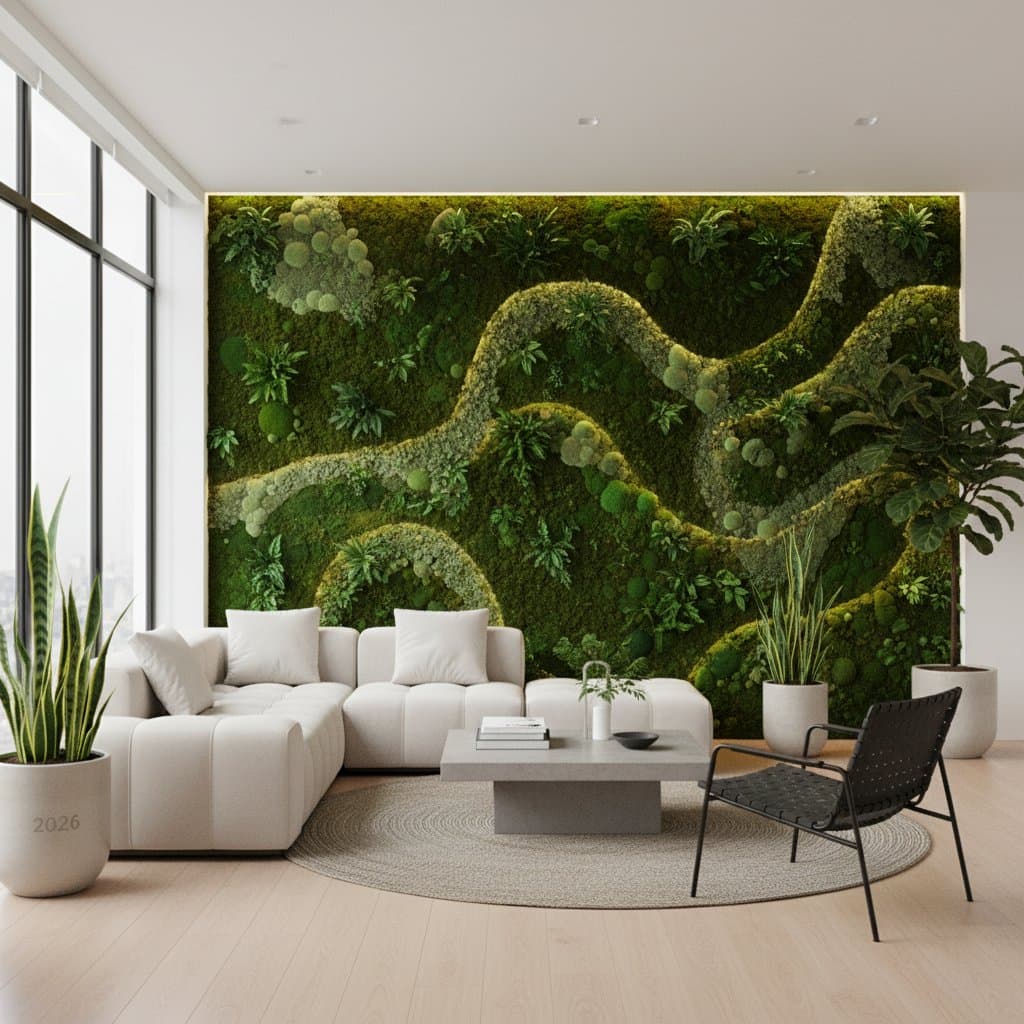
Consider a design studio in Copenhagen where a wall appears alive with velvety green moss. The texture proves lush, the air fresher, and the sound softer. Such an installation demonstrates how a simple element transforms a space completely. In a Cotswolds home, a moss panel in the mudroom adds calming natural texture to a practical entryway. Moss walls extend beyond experiments; they emerge as defining features in modern gardens and interiors.
Moss walls rank among the most discussed garden trends today. They provide sustainability, low maintenance, and visual appeal. Residents of compact city flats or sprawling farmhouses alike benefit from the natural serenity these walls introduce.
Key Takeaways
- Moss walls introduce texture, color, and natural calm to indoor and outdoor spaces.
They demand minimal upkeep through preserved or self-sustaining moss varieties.
The trend aligns with eco-conscious and small-space design movements.
Customization allows adaptation to styles from rustic farmhouse to sleek urban minimalism.
These walls enhance acoustics, air quality, and ambiance in subtle, effective ways.
The Versatility of Moss Walls in Contemporary Settings
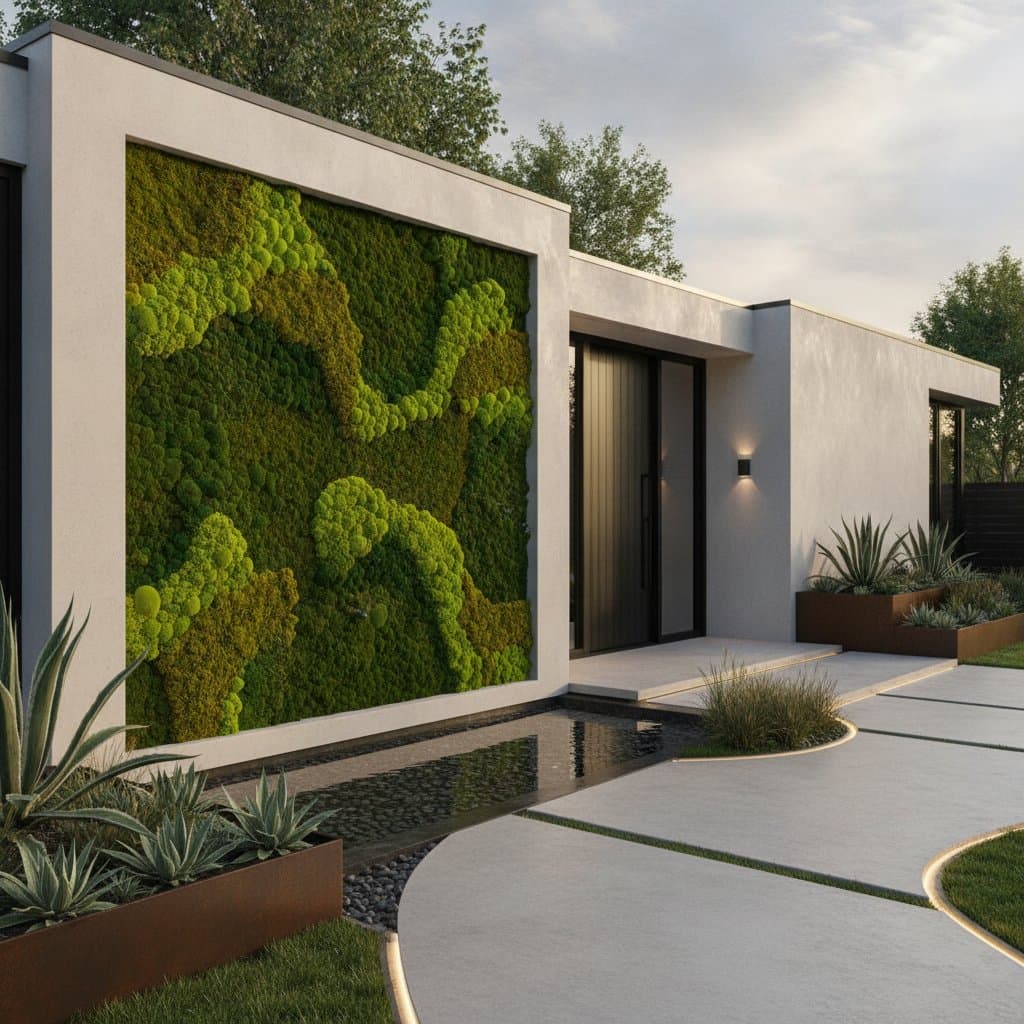
Moss walls excel due to their adaptability. Install them as feature walls, framed panels, or outdoor privacy screens. Diverse moss types yield varied appearances, from deep forest greens to lighter silvery tones.
Several factors make them ideal for modern living:
- Space Efficiency: These walls utilize vertical surfaces often overlooked. In city apartments or narrow gardens, they deliver greenery without consuming floor space.
- Low Maintenance: Preserved moss needs no sunlight, soil, or water. Natural moss requires humidity but little additional care, suiting busy households.
- Acoustic Benefits: Moss absorbs sound and reduces noise in open-plan homes or echo-prone rooms.
- Air Quality Advantages: Although preserved moss does not photosynthesize, natural versions purify air and balance humidity.
- Aesthetic Flexibility: Moss complements rustic, Scandinavian, or industrial styles via color and texture choices.
Moss walls offer multisensory benefits as well. Lush green softens interiors visually, while texture provides depth. Children often engage with the softness, fostering curiosity about the outdoors.
Steps to Install a Moss Wall at Home
Moss walls prove accessible for creation without advanced gardening skills or costly materials. Tailor the process to balconies, entryways, or other spaces based on size and expertise.
Step 1: Select Moss Type
Choose preserved moss, which retains color and texture without light or water needs. Opt for live moss if growth and subtle changes appeal, provided humidity and indirect light remain available.
Step 2: Prepare the Base
Use framed panels for interiors. For outdoors, mount on mesh or wooden boards. Reclaimed wood suits rustic designs; metal grids enhance modern ones.
Step 3: Design the Pattern
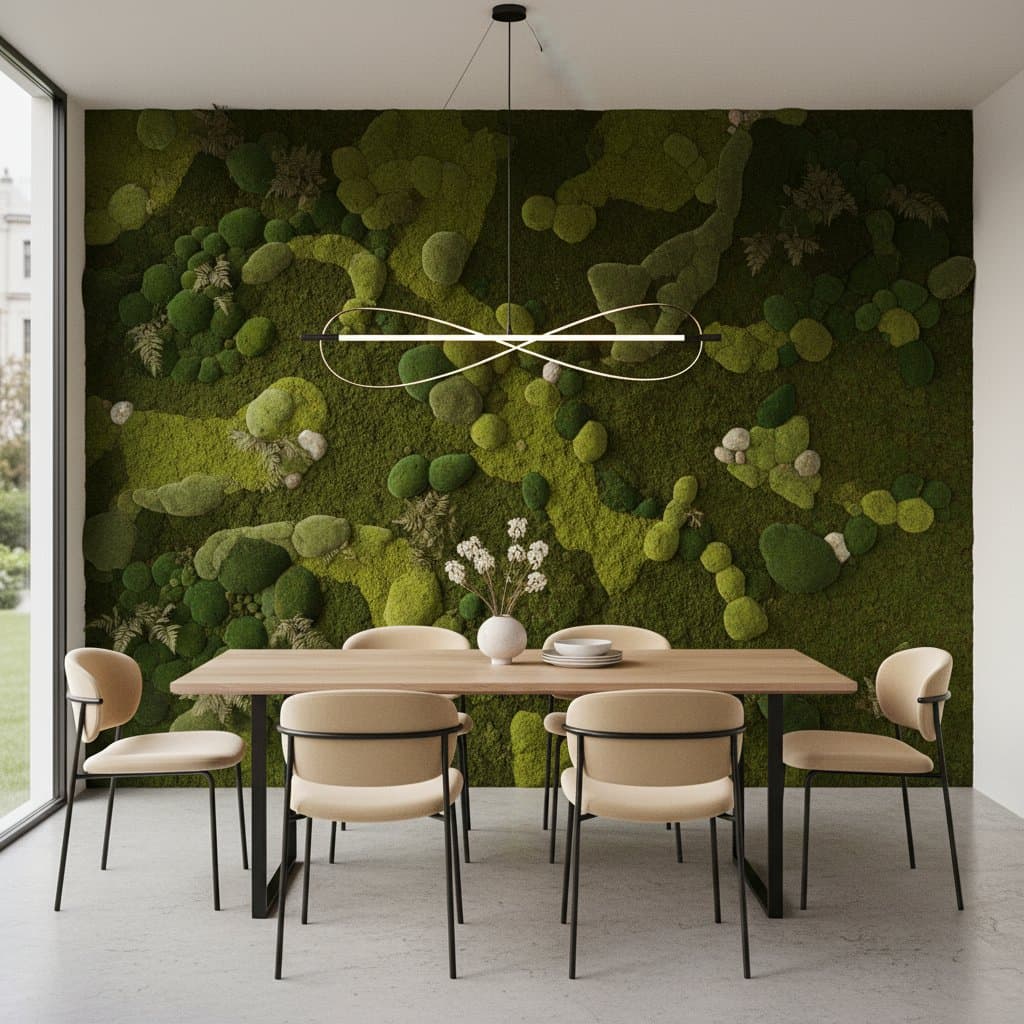
Aim for uniformity or mix moss varieties to mimic a forest. Incorporate stones, driftwood, or small plants to build texture.
Step 4: Secure the Installation
Employ lightweight panels with wall anchors for stability, particularly in larger setups. Renters benefit from removable mounting strips.
Step 5: Establish Maintenance Routine
Dust preserved moss periodically. Mist live moss in dry conditions. Position away from direct sunlight and heating vents.
Complete a small installation in a few hours. The result transforms the space immediately, rewarding the effort.
Drawing Inspiration from Global Moss Traditions
Cultural approaches to indoor nature vary worldwide and inform moss wall designs. Japanese moss gardens serve as living art, emphasizing calm and impermanence. Scandinavian interiors pair moss with minimalism for warmth and balance. In the French countryside, moss grows naturally on stone walls, integrating with surroundings.
Apply these ideas locally. A Japanese style features structured frames with stones and bamboo. Scandinavian versions combine moss panels with pale wood and geometric elements. Rustic farmhouse designs embed moss in reclaimed beams or alongside antique iron.
Moss adapts to modern, traditional, urban, or rural aesthetics. It unifies spaces with calm and texture.
Experiencing the Lasting Impact of Moss Walls
After installation, moss walls alter space perception subtly. Air quiets, colors ground, and guests engage by touching or inquiring about care. For families, these elements spark discussions on natural beauty and mindfulness.
A modest panel integrates into routines as a grounding presence. It withstands daily use like muddy boots or passing hands without issue.
Moss walls transcend trends. They embody conscious living, merging beauty with functionality for enduring value.