Mushroom Paint Gains Ground in Spring Home Updates
Key Points
- Mushroom-based paints use mycelium as a bio-based binder for reduced environmental impact.
- These coatings deliver soft natural tones suitable for farmhouse and modern interiors.
- Homeowners gain lower toxicity levels and biodegradable properties compared with conventional options.
- Application follows standard methods yet supports better indoor air quality.
Renewal Through Considered Materials
Spring prompts many homeowners to refresh interiors. In a London residence, this often involves clearing clutter and tackling at least one paint project. Recent design discussions have highlighted mushroom-based coatings as a noteworthy development.
Initial samples applied to kitchen shelves revealed more than a temporary trend. The coatings reflect a shift toward materials that address waste reduction and visual comfort simultaneously.
Reasons for Rising Interest
Material Properties and Production
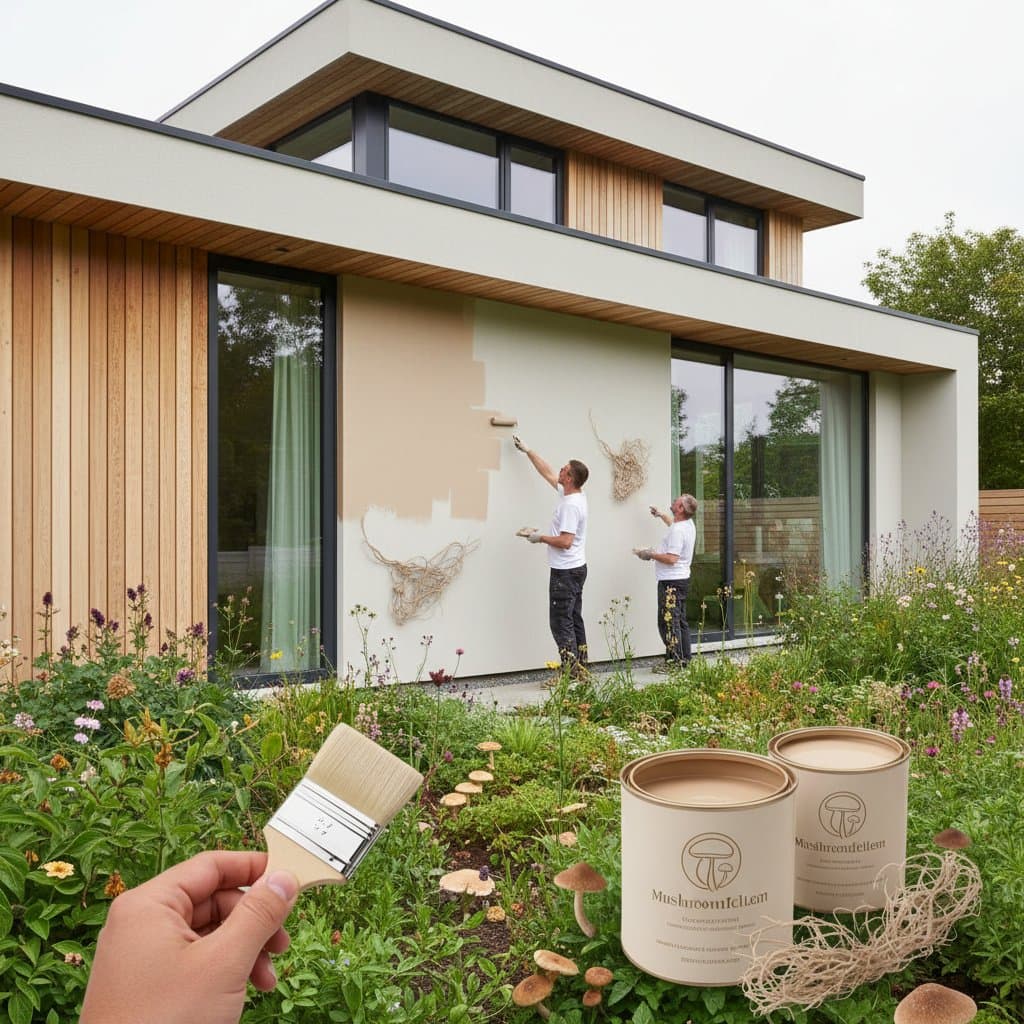
Mycelium replaces petroleum-derived resins found in acrylic or latex formulas. Natural pigments produce a velvety surface that interacts with light to create depth. Production draws on waste straw or sawdust, supporting a circular model.
London chemist Dr. Rachel King emphasizes that the process avoids virgin resources. The outcome is a coating that biodegrades more readily at end of life.
Natural Color Range
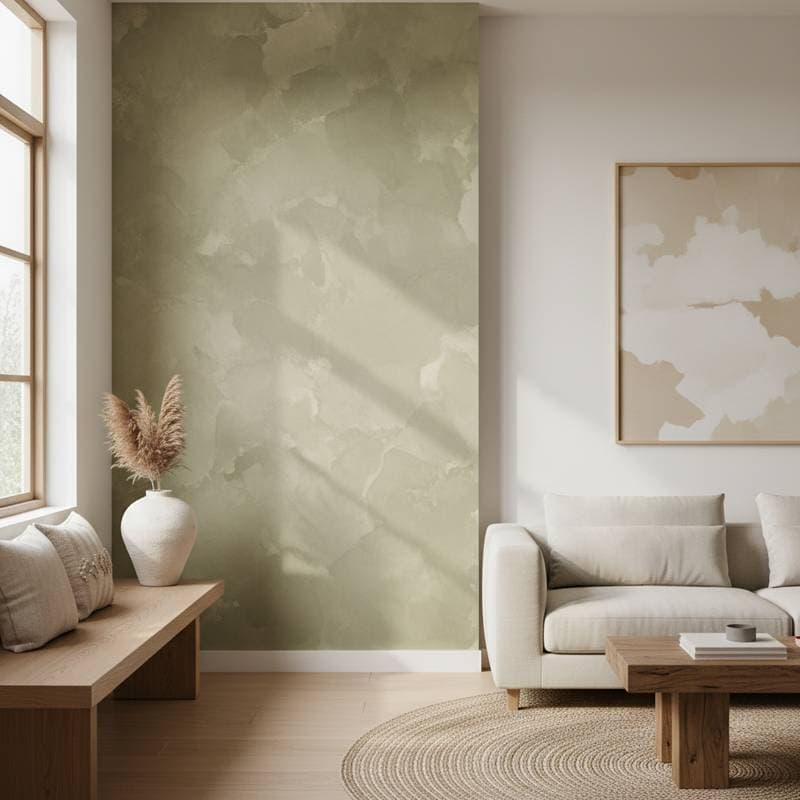
The palette centers on earthy neutrals such as greige, clay, and muted stone. These shades integrate with wood, linen, and woven elements. A single entryway application demonstrated how the matte finish conceals minor marks.
Color consultant Matteo Rossi explains that organic pigments introduce subtle batch variation. This quality lends walls a hand-finished appearance compatible with Scandinavian restraint or urban minimalism.
Advantages for Daily Use
Breathable characteristics help manage moisture and limit mold risk in compact rooms. Low-odor formulas allow furniture to return the same day. Touch-ups blend without visible contrast, which suits hallways and play areas.
Application Steps for Spring Projects
Begin with a contained surface such as cabinetry or a single wall. Natural-bristle tools handle the thicker consistency effectively. Two coats provide complete coverage, with touch-dry results in a few hours.
Consider these placements:
- Cabinet doors refreshed to complement stone counters.
- A bedroom accent wall in soft taupe for a restful setting.
- Hallway surfaces paired with baskets and wood tones.
- Existing furniture given a new sustainable finish.
- Nursery walls treated with minimal chemical content.
Connections to Established Practices
Traditional limewash techniques in rural France and breathable heritage finishes in the Cotswolds share principles with mycelium coatings. The material merges rustic texture, modern sustainability targets, and urban durability.
Danish stylist Sofie Lund observes that demand grows from a preference for honest surfaces after periods of high-gloss synthetics.
Daily Performance and Upkeep
Stir the product thoroughly and apply even strokes. Water-based cleanup requires no solvents. Existing layers accept new coats without sanding, which simplifies long-term maintenance.
Outlook for Bio-Based Options
Mycelium technology already appears in insulation and acoustic products. Expanded paint production should improve cost efficiency as volume increases. Dr. King anticipates broader access as consumer selection drives manufacturing scale.
Results After Installation
Walls finished with mushroom paint show gentle light diffusion that shifts through the day. Durability holds under normal household activity. The finish ages without rapid fading, echoing qualities seen in older natural-plaster surfaces.
Planning an Initial Project
Select one modest surface to test integration with current furnishings. Observe how the tone and texture influence the room over several weeks before expanding to additional areas.