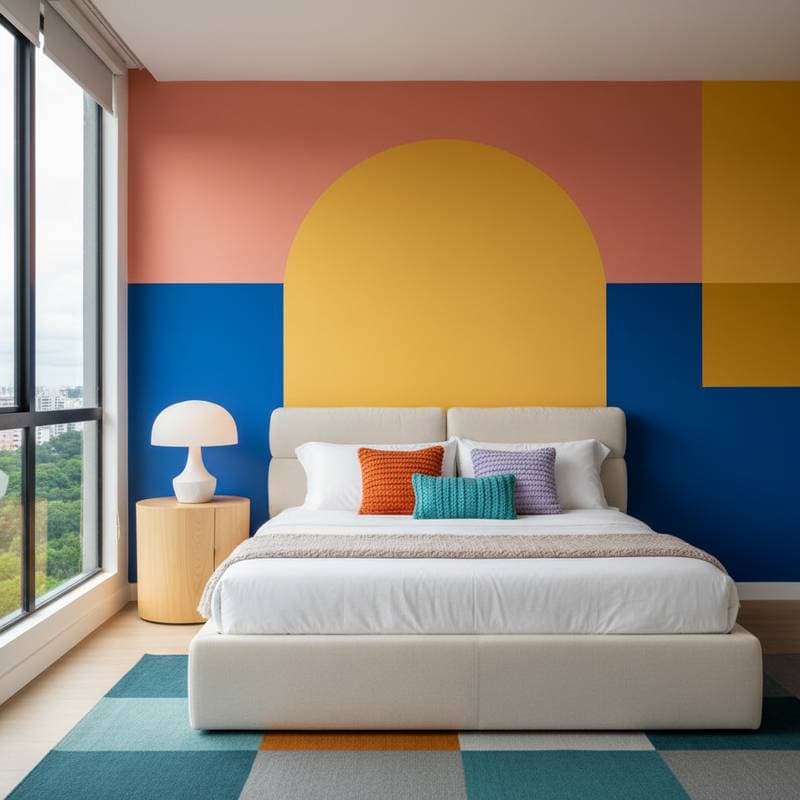
Essential Benefits of AI Paint Matching
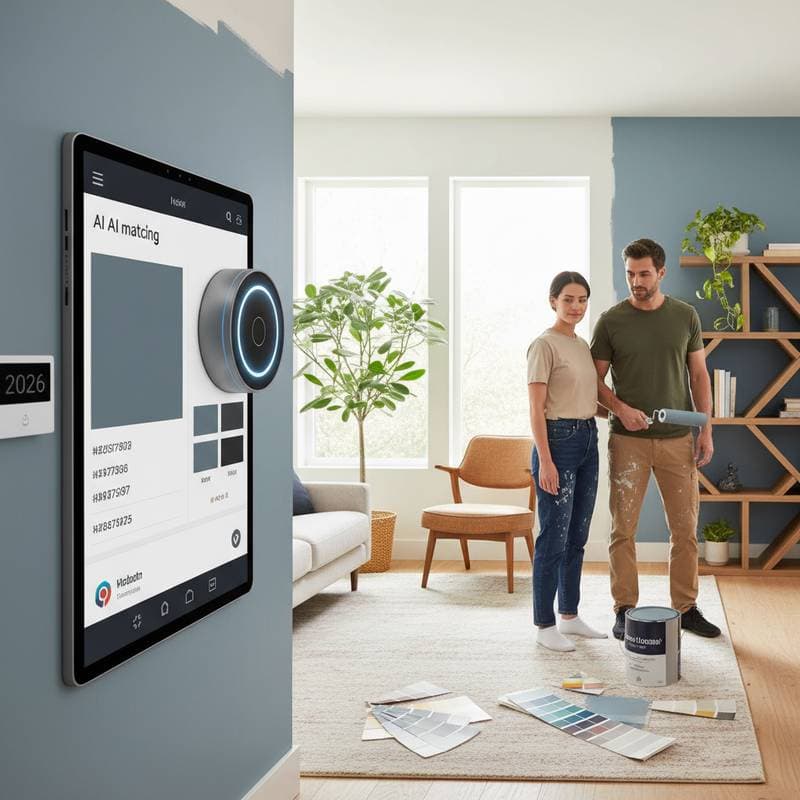
AI-powered tools enable homeowners to capture exact paint shades from existing surfaces or photos with remarkable precision. These systems employ machine learning to analyze color data and suggest coordinating options that enhance overall design. By streamlining the matching process, users save significant time and avoid the frustration of inconsistent results. Integration into DIY routines also promotes sustainability through reduced paint waste.
Understanding the Technology
Conventional methods for matching paint colors depend on visual estimation, which proves unreliable due to variations in lighting and individual perception. Professionals often face challenges in replicating weathered or subtle tones accurately. In contrast, AI solutions leverage computer vision and spectral analysis to quantify colors objectively, bypassing human error.
Preparing for Accurate Matching
Start by assessing the source of the color, whether it originates from a wall, upholstery, or another element. Textured or glossy finishes may skew results, so thoroughly clean and dry the surface prior to scanning. Multiple captures from various angles help account for inconsistencies.
Lighting plays a critical role in the accuracy of readings. Capture samples under both daylight and indoor illumination to capture potential shifts caused by light temperature or reflections. For photo-based matching, adjust the device's white balance settings to maintain color fidelity and prevent unintended alterations.
Gathering Tools and Planning the Project
Required Materials
- AI-enabled paint matching application or portable colorimeter
- Device equipped with a high-resolution camera, such as a smartphone or tablet
- Selection of paint swatches or a brand-specific color deck
- Mild cleaner and soft, non-abrasive cloth for surface preparation
- Dedicated journal to log color formulas, brands, and application notes
Select a tool compatible with your chosen paint supplier to facilitate seamless ordering and mixing. Certain applications produce scannable codes that expedite in-store processing. Factor in project timelines, including coat drying intervals, access to the space, and adequate airflow during application.
Safety Protocols
Ensure proper ventilation in the work area to disperse fumes effectively. Equip yourself with masks, gloves, and eye protection when handling paints over extensive surfaces. In homes built before 1978, test for lead content prior to any scraping or sanding activities to safeguard health.
Step-by-Step Application Process
- Initialize Calibration: Follow the device's guidelines to calibrate, often using a provided neutral reference like a white card for baseline accuracy.
- Capture Color Data: Scan the target area from multiple positions, steering clear of direct shadows or bright reflections that could compromise the input.
- Analyze Outputs: Examine the suggested matches on the interface, including primary recommendations and alternatives for flexibility.
- Validate with Samples: Procure small test quantities and apply them in your home environment, as retail lighting may not replicate actual conditions.
- Document Details: Compile a comprehensive record of selected codes, finishes, and brands to support ongoing maintenance.
Beyond basic matching, explore augmented reality features within these tools to preview color applications on virtual walls. This visualization capability allows experimentation without commitment, helping to avert expensive missteps in large-scale projects.
Ensuring Lasting Quality
Apply a preliminary coat to an inconspicuous area and permit full curing before final judgment. Inspect the hue across different times of day and lighting scenarios to detect subtle discrepancies. Variations might arise from substrate porosity or gloss levels, necessitating adjustments.
If refinements prove necessary, rescan with the AI tool for iterative tweaks or consult store experts for bespoke formulations. Preserve meticulous records of all specifications to guarantee future repairs integrate flawlessly, preserving the aesthetic integrity over years.
Advanced Strategies for Professional Outcomes
Regularly maintain your scanning equipment by cleaning lenses and recalibrating as recommended, particularly across sequential uses. Prime surfaces before testing new colors to reveal their true appearance without interference. Layer AI insights with meticulous environmental controls, such as consistent lighting and thorough prep work, to elevate results to expert standards.
Embracing these technologies empowers DIY enthusiasts with the accuracy of professional studios. Homeowners realize efficient workflows, diminished material overuse, and unified color schemes that enhance every space with confidence and style.