Key Benefits of Limewash Walls
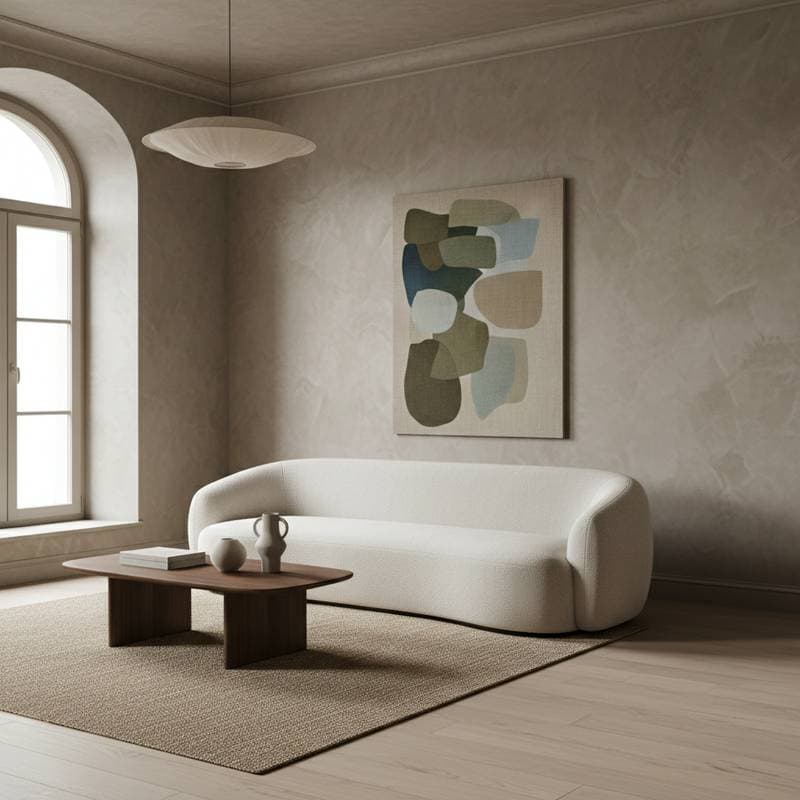
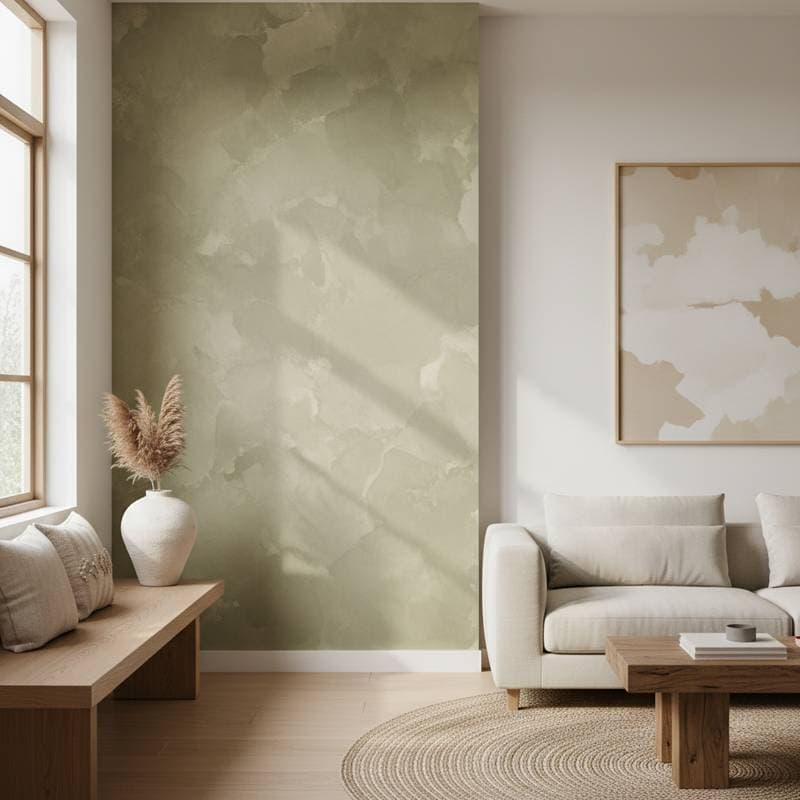
Limewash delivers soft, matte textures that echo historic plaster walls. Crafted from slaked lime and natural pigments, it forms a breathable, environmentally sound layer. Success hinges on thorough surface preparation, precise dilution, and skilled layering for enduring appeal.
Customize the effect for gentle subtlety or bold dynamism through application methods. This option proves economical, emits minimal VOCs, and suits those pursuing a sophisticated European look in contemporary spaces.
Understanding Limewash Fundamentals
Limewash originates from crushed limestone processed through heating and slaking in water to form a putty base. Upon wall application, carbonation occurs as lime interacts with atmospheric carbon dioxide, reverting to calcium carbonate and adhering firmly. This reaction imparts evolving depth and nuance during curing.
Evaluating Wall Readiness
Inspect the target surface prior to beginning. Limewash bonds optimally with porous elements like plaster, masonry, or bare brick. For painted drywall or sealed areas, extra steps ensure compatibility.
Remove glossy paints or synthetic films through stripping or light sanding to reveal an absorbent base. Address cracks or moisture problems, as limewash conceals nothing and dampness hinders curing. Use mineral fillers for repairs to preserve uniformity.
Select your visual goal early. Undyed limewash evokes pristine European plaster, whereas pigments yield earthy warms or soft neutrals. Choices influence not just hue but also layer transparency and textural prominence.
Project Planning Essentials
Organize meticulously for optimal outcomes. Assemble these supplies:
- Limewash concentrate or slaked lime putty paired with mineral pigments
- Wide natural bristle or masonry brush
- Drop cloths, painter's tape
- Mixing container and sturdy stirrer
- Spray bottle for wall misting
- Gloves, safety goggles, respirator
Choose days with temperate conditions and modest humidity to avoid irregular drying that mars the finish. Opt for several light coats over a single thick one, allowing hours between applications.
Trial your formula on an inconspicuous spot. Tweak the water ratio for ideal consistency: thinner mixes foster delicate variations, denser ones amplify stroke definition.
Step-by-Step Application Guide
-
Clear the area by shifting furniture, applying tape to borders, and protecting floors. Lime particles settle as dust, so thorough coverage prevents mess.
-
Clean thoroughly and mend flaws. Eliminate dirt and flaking material; stabilize powdery spots with gentle brushing.
-
Mist the wall lightly with water. Aim for a cool, damp feel without excess moisture to promote uniform absorption.
-
Blend the limewash to a smooth, milk-like thickness. Incorporate pigments completely for even distribution.
-
Brush on the initial coat using wide, intersecting strokes. Skip rollers, which smooth out desired texture; let it air-dry fully.
-
Review after drying, noting any lightening in color. Confirm the pattern and shading align with your vision.
-
Add subsequent coats, two to three total, maintaining technique while varying dilution for enhanced layering.
-
Permit extended curing for carbonation, spanning days. Refrain from contact or cleaning until set.
Ensuring Finish Excellence
Examine under varied lighting, as limewash shifts appearance. Spot and correct streaks or dense patches with a sheer topcoat for harmony.
Test for residue by touch; a cured surface remains matte and residue-free. Persistent powdering signals overly thick mix or incomplete curing, resolvable by light dry buffing.
In busy zones, apply natural wax or mineral sealant post-curing to boost resilience while retaining permeability.
Sustaining Your Limewash Walls
Limewash matures beautifully, gaining patina with years. Dust routinely and wipe gently with a moist cloth for upkeep. Steer clear of abrasives or strong cleaners that erode the finish.
For spot repairs, apply a matching thin layer; its mineral makeup ensures flawless integration.
Expert Techniques for Flawless Results
Prepare excess mixture to sidestep shade inconsistencies from batch differences. Employ broad, random strokes to capture genuine plaster irregularity.
Maintain slight dampness across coats to blend transitions seamlessly. On drywall, prime with a lime-compatible mineral base for secure hold.
Document exact ratios and pigment quantities to replicate or refresh effortlessly.
Embracing the Timeless Appeal
Limewash walls invite daily appreciation through their evolving subtlety and natural vitality. This finish not only enhances aesthetic depth but also supports healthier, more sustainable living spaces. Integrate it thoughtfully to transform interiors into enduring sanctuaries of elegance.