Why Limewash Outperforms Shiplap for Modern Interiors
Key Points
- Limewash provides a breathable, natural alternative to traditional paint or shiplap paneling.
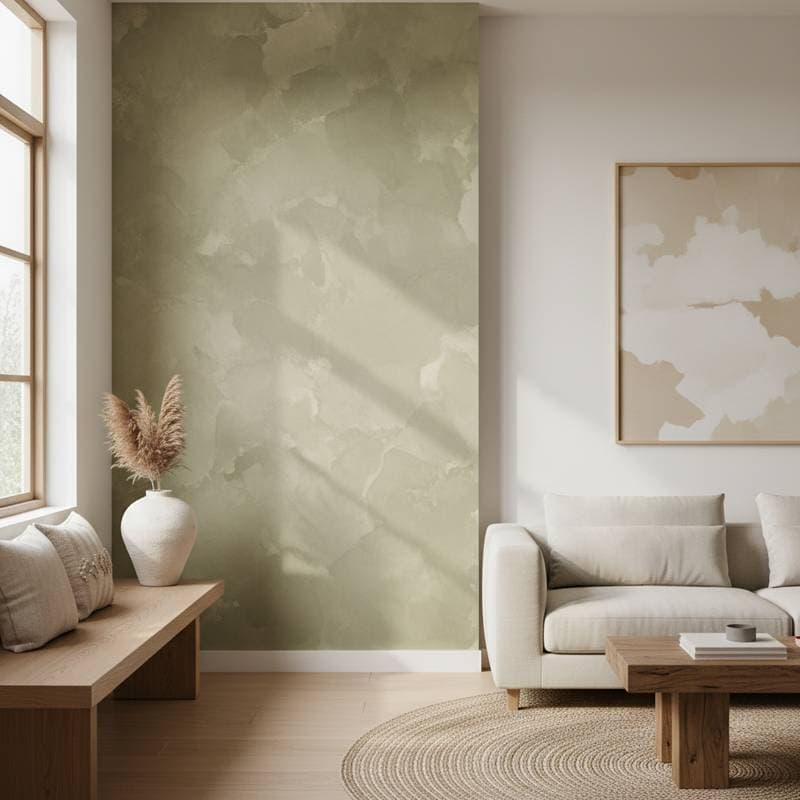
- The finish delivers depth and texture through subtle tonal variations that modernize dated interiors.
- Proper surface preparation and moisture control ensure lasting results during application.
- Environmentally friendly and historically proven, limewash combines beauty with durability.
- Homeowners benefit from a soft, organic aesthetic that aligns with contemporary design trends.
Technical Background
Limewash consists of a mineral-based coating derived from slaked lime and water. Upon application to a porous surface, it penetrates deeply rather than forming a surface layer like standard paint. The lime interacts with carbon dioxide in the atmosphere, undergoing carbonation to form a durable, stone-like finish. This process imparts the characteristic chalky patina and evolving color depth unique to limewash.
Assessment
Evaluate the condition of existing walls before opting to replace shiplap with limewash. Determine if the shiplap overlays drywall, plaster, or masonry. Limewash adheres optimally to porous substrates such as plaster or brick, so removal of shiplap may expose a suitable foundation.
Inspect for these factors:
- Moisture exposure: Verify the absence of active leaks or trapped dampness behind the paneling.
- Structural stability: Ensure the underlying wall remains solid and free of rot.
- Surface texture: Smooth plaster yields a refined European-style finish, whereas brick imparts rustic depth.
If shiplap remains in good condition yet a limewashed appearance appeals, proceed with careful removal, surface patching, and preparation for coating.
Planning Phase
Tools and Materials
Gather these essentials:
- Slaked lime or pre-mixed limewash
- Mixing bucket and paddle
- Natural bristle masonry brush
- Drop cloths and painter's tape
- Protective gloves, goggles, and mask
- Mild detergent solution for cleaning
- Fine-grit sandpaper or scraper
- Moisture meter
- Ladder or scaffolding for tall walls
Time and Cost Considerations
Stripping shiplap and applying limewash to a standard room typically spans several days, accounting for drying intervals between coats. Limewash proves cost-effective relative to complete panel replacement or premium paint options. While material expenses stay modest, preparation and curing demand patience.
Safety and Surface Preparation
Don protective gear during sanding or removal of old finishes. For plaster or masonry beneath shiplap, clean thoroughly to eliminate dust, grease, or efflorescence. Maintain slightly damp surfaces to promote even limewash bonding, but prevent excess moisture that leads to streaking.
Lime possesses high alkalinity, necessitating protection for skin and eyes. Ensure ventilation in the work area and steer clear of metal tools prone to corrosion from lime contact.
Implementation
Step 1: Remove Shiplap
- Pry off trim and baseboards first.
- Employ a flat bar to detach boards gently, avoiding damage to the wall.
- Examine the substrate for cracks or holes.
- Repair flaws with compatible plaster or filler, then allow drying.
Step 2: Prepare the Surface
- Clean the wall using a mild detergent solution.
- Rinse and dry the surface to a slightly damp state, not fully wet.
- Sand glossy spots lightly to enhance adhesion.
- Apply limewash to a small test area to confirm absorption.
Step 3: Mix and Apply Limewash
- Stir the limewash to achieve uniform consistency.
- Initiate application with broad, crisscross brush strokes for an organic effect.
- Use thin coats, permitting partial drying before subsequent layers.
- Schedule at least two coats, or three for intensified color.
Step 4: Control Curing Conditions
Carbonation drives limewash curing, relying on air exposure and moderate humidity. Prevent accelerated drying from heaters or direct sunlight. Lightly mist the surface with water if drying occurs too rapidly, fostering strong bonding and averting powdering.
Quality Assurance
Post-curing, review the wall for uniform coverage and intended texture. Subtle tonal variations emerge naturally in limewash, contributing depth and movement as hallmarks of genuine finishes.
Verify these elements for success:
- Even absorption: Absence of streaks or blotches from moisture imbalance.
- Secure adhesion: No flaking or powdery feel upon light touch.
- Color stability: Uniform tone following complete carbonation.
Address minor inconsistencies with a diluted touch-up coat. Refrain from excessive manipulation, as limewash gains character through natural settling.
Maintenance and Longevity
Limewash demands little maintenance. Its chemical bond with the substrate prevents peeling, unlike conventional paint. The patina softens over time, enhancing visual appeal. Apply a new coat directly over existing layers if refreshment becomes necessary.
Preserve the finish by:
- Cleaning with a dry or lightly damp cloth.
- Avoiding harsh chemical cleaners that disrupt the mineral composition.
- Recoating every few years or upon vibrancy loss.
Breathability in limewash facilitates natural moisture evaporation from walls, curbing mold and mildew, especially in older homes with masonry or plaster.
Design Advantages Over Shiplap
Shiplap imposes prominent horizontal lines that may overwhelm a space, whereas limewash introduces understated texture adaptable to diverse styles. It suits minimalist, farmhouse, or European-inspired settings equally. Soft tonal shifts harmonize with materials like wood, stone, and linen, fostering balance without clutter.
Limewash alters light reflection compared to traditional paint. Rather than flat or glossy effects, it diffuses illumination for a subtle glow that highlights architecture. This quality suits rooms favoring soft light, including bedrooms, living areas, and entryways.
Eco-Friendly and Health Considerations
Limewash ranks among the most sustainable wall treatments. Free of synthetic resins, plastics, or volatile organic compounds, it maintains purity. Its alkalinity naturally deters mold and bacteria, supporting superior indoor air quality.
Conversely, shiplap upkeep or replacement frequently involves treated woods, adhesives, and paints that emit chemicals gradually. Transitioning to limewash diminishes environmental impact while delivering a durable decorative solution.
Pro Tips for Success
- Mist walls with a fine spray prior to application for uniform absorption.
- Select wide natural bristle brushes over rollers to capture authentic texture.
- Work in smaller sections to sustain consistent moisture.
- Experiment with dilution ratios for color testing before full coverage.
- Store excess limewash in sealed containers for future touch-ups.
For extensive projects or historic properties, engage professionals versed in mineral finishes to meet preservation guidelines and attain optimal aesthetics.
Realizing Timeless Walls
Exchanging shiplap for limewash yields a timeless, breathable surface that ages with grace. This update modernizes homes while conferring structural and ecological benefits.
Systematic execution, emphasizing preparation and curing, produces walls rich in texture and vitality. The outcome embodies enduring craftsmanship, infusing spaces with natural breath, soft radiance, and historical depth.