Why DIY Limewash Walls Capture the Viral Texture Trend
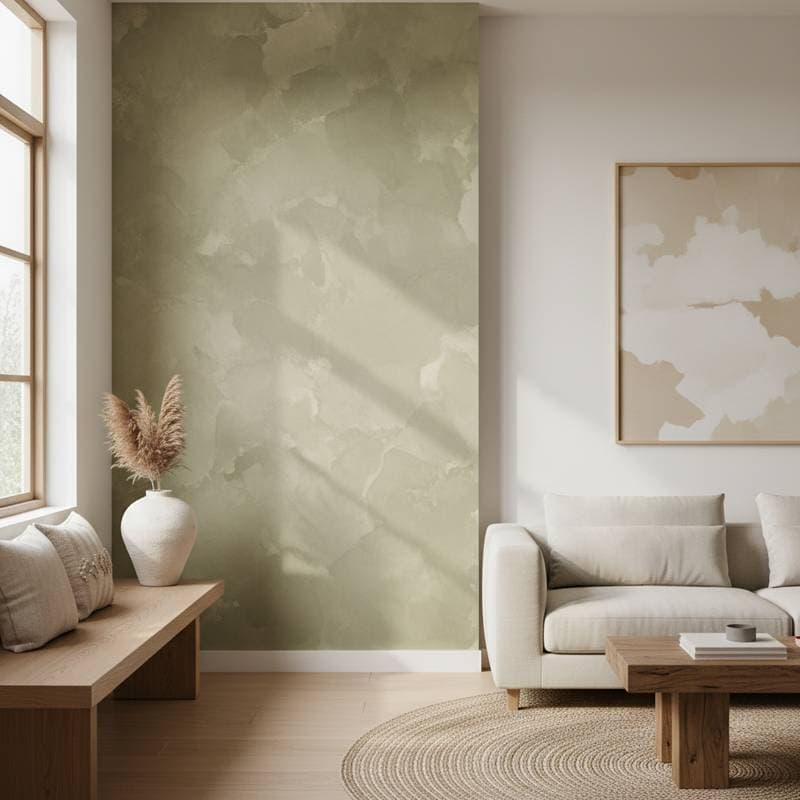
Imagine sunlight filtering through windows and illuminating a soft, cloud-like wall finish that resembles art more than standard paint. This finish features subtle imperfections and tonal variations that evoke old-world charm while harmonizing with modern minimalism. Limewash walls deliver this effect, emerging from historic villas to become a prominent feature in current design trends.
Limewash walls gain widespread popularity for their ability to introduce texture, depth, and natural warmth to otherwise flat spaces. Homeowners achieve these results through a straightforward DIY process that requires basic tools, careful preparation, and creative application. The outcome provides a unique, evolving surface that enhances any interior.
Key Distinctions of Limewash
Reasons for Its Rising Popularity
Social media platforms highlight limewash for balancing rustic authenticity with contemporary elegance. Individuals seek alternatives to uniform, sterile finishes, preferring surfaces that convey narrative and tactile quality. Limewash achieves this without introducing visual clutter, offering inherent character to interiors.
Environmentally, limewash stands out as antibacterial and devoid of synthetic chemicals, promoting healthier indoor air. Walls coated with limewash regulate humidity naturally, reducing the risk of mold growth. For those prioritizing sustainable options, it serves as a superior choice over paints containing volatile organic compounds.
The accessibility of DIY application further boosts its appeal. Unlike extensive renovations, limewashing resembles artistic creation, encouraging experimentation with brush techniques and layering. Each application yields a one-of-a-kind result, infusing spaces with personalized depth that pre-made products cannot replicate.
Preparing for a Limewash Project
Visualize the desired ambiance for the room before beginning. Consider a gentle, chalky white to mimic coastal simplicity or a deeper stone-gray for an aged urban elegance. Limewash accommodates diverse styles, from serene neutrals to vibrant earth tones.
Select appropriate surfaces such as plaster, brick, or unsealed drywall for optimal adhesion. Remove glossy paints or sealants and apply a mineral-based primer to enhance porosity. This preparation ensures the limewash integrates seamlessly with the wall.
Choose a wide, natural-bristle brush to preserve the textured strokes essential to the finish. Rollers produce flat results and diminish the organic variations that define limewash. Gather protective materials like drop cloths and tape to safeguard surrounding areas.
Step-by-Step Application Guide
- Secure the workspace. Cover floors, trim, and furniture to prevent splatters, as limewash requires precise handling despite its natural composition.
- Prepare the mixture. Stir pre-made limewash thoroughly; for custom colors, incorporate pigments incrementally to achieve even distribution.
- Moisten the surface. Spray a fine mist of water on the wall to facilitate uniform absorption of the limewash.
- Apply the initial coat. Employ irregular, crisscross motions with the brush, prioritizing fluid movement over exact coverage. Varied directions enhance the natural texture.
- Allow full drying. Observe the color lighten as the coat sets, typically requiring several hours depending on humidity.
- Build additional coats. Apply two to three layers for optimal depth, allowing each to dry fully. Subsequent applications refine tones and amplify dimension.
This methodical process fosters a sense of calm focus, where each brushstroke contributes to the wall's evolving character. The resulting imperfections integrate into the design, ensuring a finish that defies replication and endures.
Scientific Benefits of Limewash
Limewash offers practical advantages rooted in its composition. As a natural disinfectant, it inhibits bacterial growth and mold formation while managing indoor humidity levels. During curing, it absorbs carbon dioxide, contributing to minor air purification over time.
Sustainability defines limewash production, relying on abundant limestone without energy-intensive manufacturing. The finish develops a patina that matures gracefully, avoiding the peeling or fading common in synthetic paints. This evolution ensures walls retain aesthetic and functional integrity for years.
Design Applications Across Styles
Limewash enhances minimalist environments with subtle neutrals that temper sharp lines and introduce inviting warmth. In bohemian interiors, tones like soft pinks, ochres, or subdued greens ground the space in organic vitality.
For Mediterranean or coastal themes, limewash recalls historic plaster techniques, serving as a understated canvas for materials such as wood, linen, and ceramics. Even in sleek modern designs, it imparts refined texture that elevates simplicity without overwhelming the palette.
Essential Techniques for Optimal Results
- Conduct preliminary tests. Apply limewash to a discreet area to evaluate color shift and texture on the specific surface.
- Accept natural variations. The allure resides in inconsistencies; avoid excessive smoothing to maintain authenticity.
- Incorporate strategic lighting. Daylight accentuates subtle movements, while warm artificial sources emphasize comforting hues.
- Apply sealants judiciously. Use them only on moisture-prone areas like bathrooms if the formula lacks built-in protection.
Experiencing Limewash in Daily Life
Completed limewash walls alter room dynamics by interacting with light across the day, fostering a serene yet vibrant atmosphere. This living surface encourages appreciation for natural irregularity and material authenticity.
Regardless of urban or rural settings, limewash infuses homes with enduring warmth and narrative depth. Initiate your project to craft walls that resonate with timeless craftsmanship and personal expression.