Mushroom Leather: The Sustainable Future of Wallpaper
Peeling old wallpaper often reveals a troubling reality: vast amounts of waste destined for landfills. Traditional options, reliant on vinyl coatings, synthetic dyes, and chemical adhesives, pose significant environmental challenges. Homeowners seek texture, warmth, and character for their walls, yet these materials complicate recycling and responsible disposal. Mushroom leather emerges as a viable solution.
Grown from fungi rather than produced through industrial processes, this material redefines wall coverings. Though it may appear unconventional, mushroom leather demonstrates practicality and sustainability in interior design. Examine its composition, performance, and implications for home aesthetics to appreciate its potential.
Challenges of Conventional Wallpaper
Composition of Mushroom Leather
Mycelium leather derives from fungal root systems. Mycelium forms a robust, fibrous network that interconnects soil, wood, and organics in nature. Cultivated in controlled environments, it develops into sheets resembling leather or dense fabric.
Production utilizes agricultural byproducts like corn husks, sawdust, or hemp as substrates. The fungus consumes these, creating a natural weave. Subsequent shaping, drying, and treatment with botanical compounds enhance strength. The outcome provides an elegant, supple surface that decomposes harmlessly.
Suitability for Wallpaper Applications
Initial impressions suggest delicacy, but processing determines resilience. Decades of renovation experience confirm that finishes, not origins, dictate longevity.
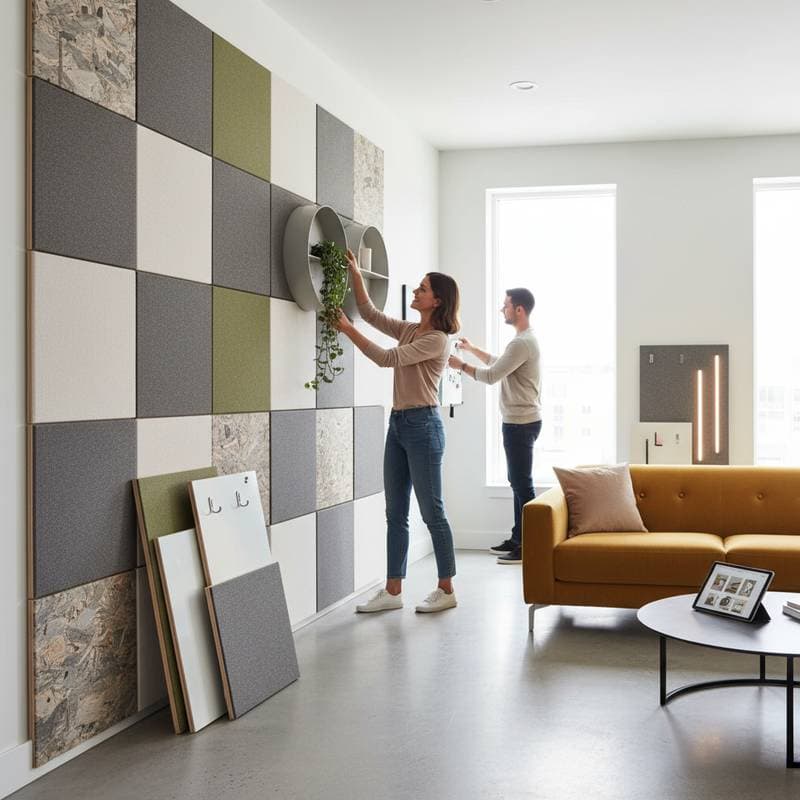
Mushroom leather forms into slim, pliable sheets ideal for panels. It absorbs natural pigments uniformly, enabling diverse hues without synthetics. Botanical sealants provide moisture and stain resistance. Crucially, its permeability prevents humidity buildup, reducing mold risks associated with conventional installations.
The sensory appeal elevates its value. It imparts genuine warmth and depth unattainable with vinyl. Variations evoke suede or display faint, evolving patterns under varying light.
Preparation Essentials
Prior to application, ensure wall readiness. Natural composition responds to environmental shifts, so acclimate panels for 24 hours in the installation space.
Gather these tools:
- Straightedge and utility knife for precise cuts
- Roller and soft brush to eliminate bubbles
- Adhesive formulated for natural fibers, free of toxins
- Level and measuring tape for alignment
Select starch or cellulose-based adhesives, certified for organics. Standard glues compromise breathability and may cause fading.
Installation Guide
- Surface preparation: Repair imperfections and sand irregularities for a flawless base.
- Priming: Apply low-VOC, natural primer to promote adhesion and block underlying stains.
- Cutting panels: Measure accurately; slice from the reverse side with a sharp blade to avoid damage, accounting for thickness.
- Adhesive application: Spread thinly and uniformly via roller, avoiding excess on walls or material.
- Panel placement: Align from ceiling downward, ensuring tight seams without overlap; smooth progressively.
- Edge trimming: Secure panels first, then cut bottoms and corners using a guided straightedge.
- Curing period: Allow 24 hours undisturbed before handling.
Patience yields rewarding results. Familiarity with basic wallpaper techniques eases the process, though texture demands gentle manipulation.
Troubleshooting Guide
Seam separation post-drying: Indicates insufficient adhesive. Carefully lift, reapply with a fine brush, then repress.
Color irregularities: Stem from moisture excess. Maintain with dry methods; for spots, lightly sand and seal with compatible finish.
Air pockets: Arise from incomplete smoothing. Roll from center to edges, expelling air.
Texture variations: Natural growth produces subtle differences. Select consistent batches for uniformity, or value the organic uniqueness.
Professional Installation Considerations
Opt for experts in expansive or precise projects. Heavier panels demand skill to navigate seams, angles, and fixtures without harm.
Address wall flaws or dampness beforehand. Professionals assess and remedy these to ensure optimal performance of any covering.
Sustainability Advantages
True eco-materials excel across their lifecycle. Mushroom leather achieves this through:
- Rapid, renewable growth with low water use and no animal inputs
- Full biodegradability, eliminating toxic release upon disposal
- Natural finishing via oils and resins, bypassing petroleum derivatives
- Potential for recycling through composting or repurposing
It mitigates landfill contributions, emissions, and promotes waste upcycling from agriculture.
Design Versatility
Aesthetic flexibility enhances appeal. Finishes imitate suede, parchment, or weaves, suiting accents, headboards, or ceilings.
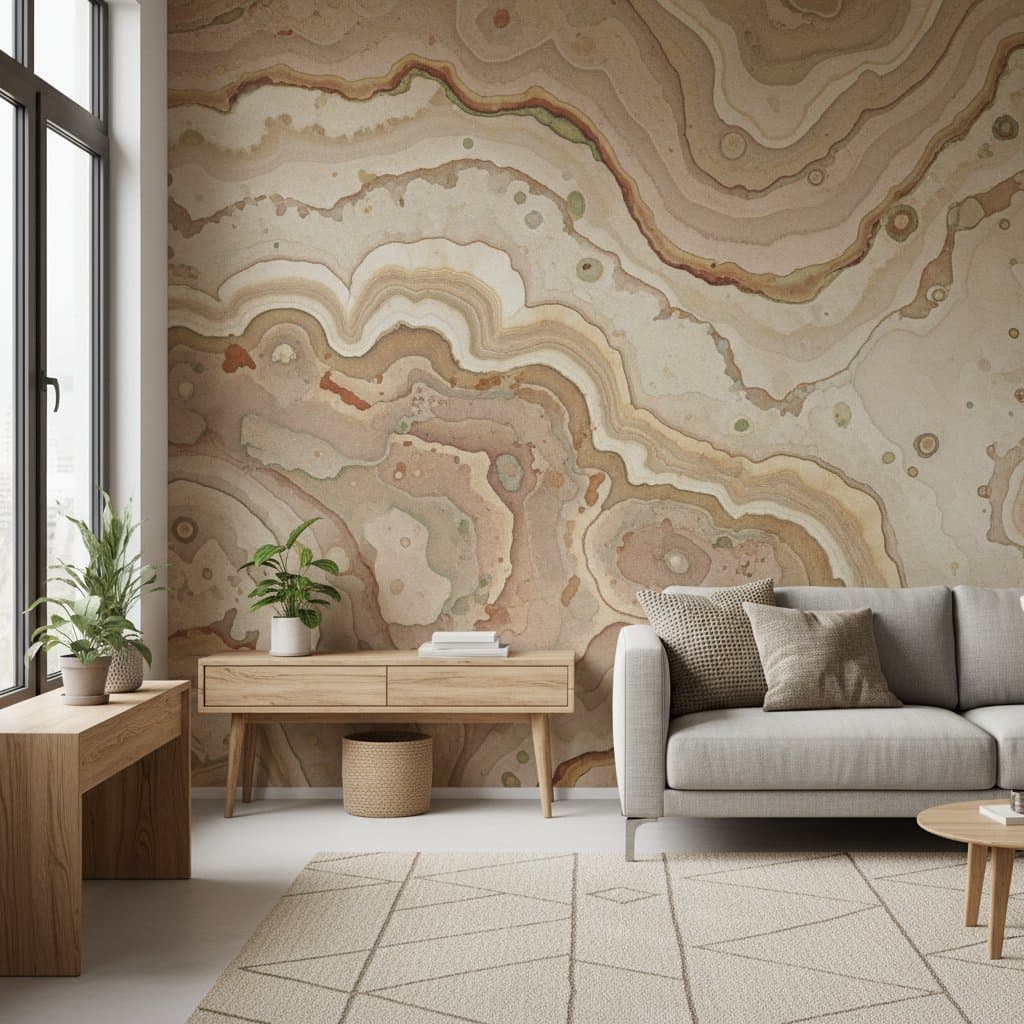
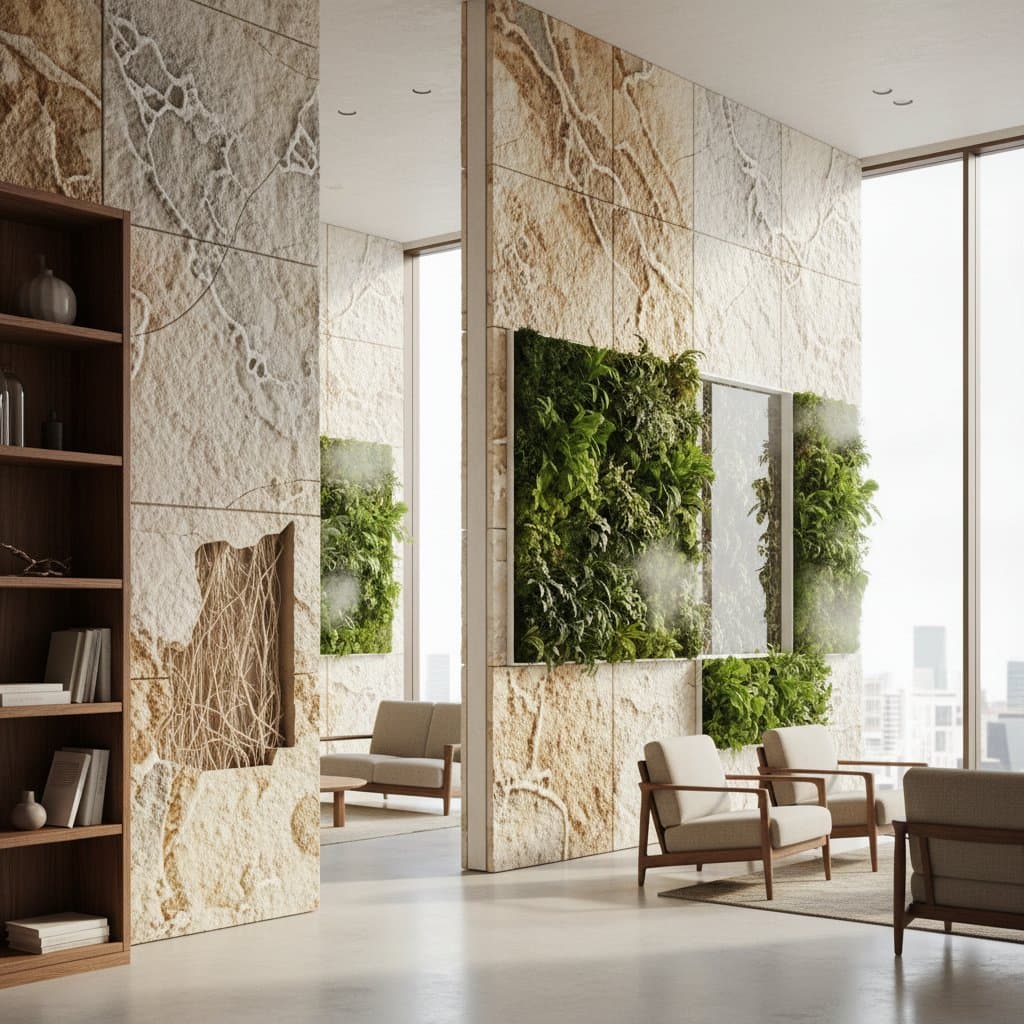
In contemporary settings, it complements woods, concretes, and muted palettes. Rustic environments gain enhanced tactility. Pigmentation yields soft, chemical-free tones. Envision a lounge wall in muted earth shades, with light playing across inherent motifs for refined, authentic luxury.
Pricing and Sourcing
Current costs exceed basic alternatives due to emerging production. Market expansion promises affordability.
For budgets, apply selectively to feature walls, minimizing expense while maximizing impact. Pair with recycled papers for layered effects.
Evaluate durability: Thicker construction extends lifespan, amortizing initial investment through reduced replacements.
Care and Durability
Routine upkeep involves dry dusting or brushing. Steer clear of abrasives and saturation. Restore scuffs via gentle wiping or oil application.
Permeability aids underlying surface preservation by managing moisture. Proper maintenance rivals premium textiles in endurance.
Practical Recommendations
- Purchase surplus for matching repairs
- Adhesive trials on samples precede commitment
- Clean tools promptly to preserve material integrity
- Shield from intense light during setup to maintain even tones
- Store remnants flatly in controlled conditions
Extending Wallpaper Lifespan
Integrate mushroom leather into routines that prioritize longevity. Regular inspections catch issues early, while environmental controls preserve vibrancy. This approach sustains both aesthetic and ecological benefits, fostering enduring, responsible interiors.