DIY Limewash: The Texture Trend Transforming Homes
Walls that convey history possess a unique allure. Flat, perfectly painted surfaces often lack dimension, whereas textured walls evoke craftsmanship and narrative. Limewash captivated attention during time spent in the French countryside, where aged stone cottages displayed their irregularities with elegance. Upon relocating to a New York City apartment, the desire for similar depth prompted exploration of DIY limewash, a natural technique now embraced globally in design.
Key Takeaways
- Limewash imparts immediate character via subtle texture and color variations.
- The material proves eco-friendly and breathable, suiting older walls or areas prone to moisture.
- Application suits DIY efforts when proper preparation, tools, and methods receive attention.
European plaster traditions inspire the finish, accommodating rustic farmhouse aesthetics alongside modern schemes.
Layering and patience yield optimal outcomes, emphasizing authenticity over uniformity.
The Rise of Limewash in Contemporary Design
Europeans have employed limewash for centuries, particularly in Mediterranean regions and rural French settings. The substance derives from crushed limestone blended with water, yielding a matte, chalky surface that appears both historic and contemporary. This revival aligns with preferences for organic materials and authentic textures, as individuals shift from synthetic, high-gloss options to finishes that permit walls to breathe and mature.
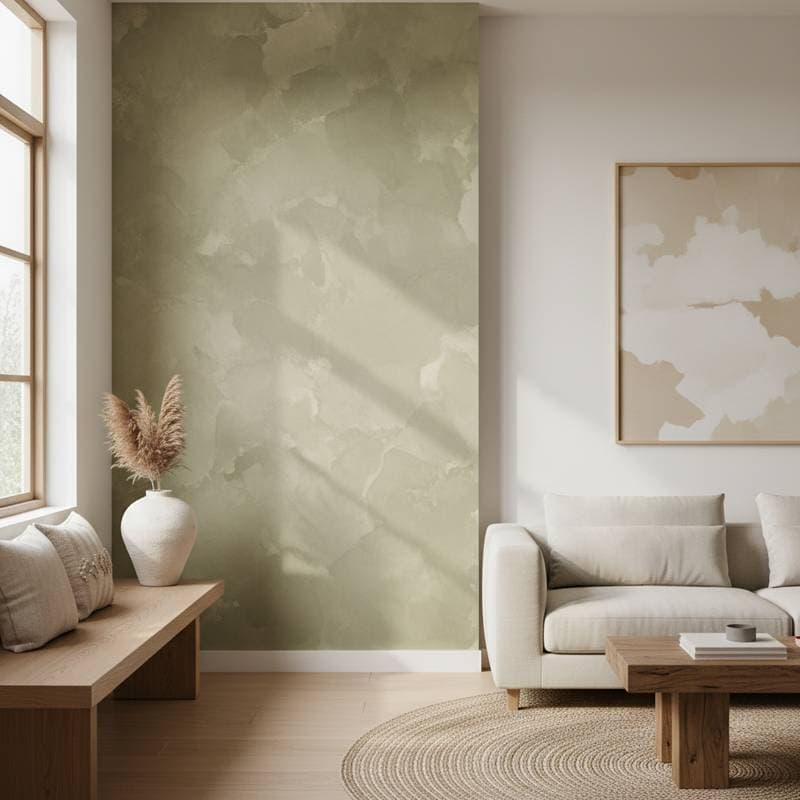
Interior designer Sophie Lambert of Maison du Nord notes that limewash provides a quiet depth unattainable with conventional paint. She suggests it for clients seeking to temper stark modern lines or infuse minimal spaces with coziness. The surface interacts with light variably across the day, generating gentle shifts that animate even simple rooms.
Embracing the Beauty of Imperfection
Limewash appeals to homeowners through its tolerance for irregularity. The finish highlights variation instead of concealing it. Initial application in a Cotswolds cottage raised concerns over streaks and uneven patches as the material dried. By the next morning, however, the walls exhibited a velvety glow suggestive of artisanal work.
Conventional paints pursue evenness, but limewash integrates each brushstroke into the overall effect. This trait suits family environments, where walls endure daily activity. The surface develops patinas over time that enhance rather than detract, evolving positively with use.
Essential Wall Preparation Steps
Preparation forms the foundation of successful limewash application. Professional decorator James Armitage, an expert in heritage finishes, stresses the importance of a clean, matte base. Limewash requires penetration into the substrate for proper adhesion; glossy coatings or non-porous primers hinder this bonding.
Follow these steps to prepare effectively:
- Clean the surface meticulously to eliminate dust, grease, and loose paint flakes.
- Address cracks and imperfections; limewash accentuates texture but exposes unresolved damage, so apply filler and sand to smoothness.
- Apply a breathable, mineral-based primer on drywall or previously painted areas to promote absorption.
- Mist the wall lightly with water to facilitate even uptake of the limewash.
Mixing and Testing Limewash
Authentic limewash arrives as powder or pre-mixed paste. For powder forms, blend with water to achieve a consistency akin to thin milk. Prepare excess volume to account for potential color discrepancies across batches, and stir regularly to prevent settling of lime particles.
Test on a small, inconspicuous area before full application. The material lightens considerably upon drying, with texture emerging more vividly during curing. Such testing prevents errors, as one early attempt revealed a wet color that paled excessively once dry.
Professional Application Techniques
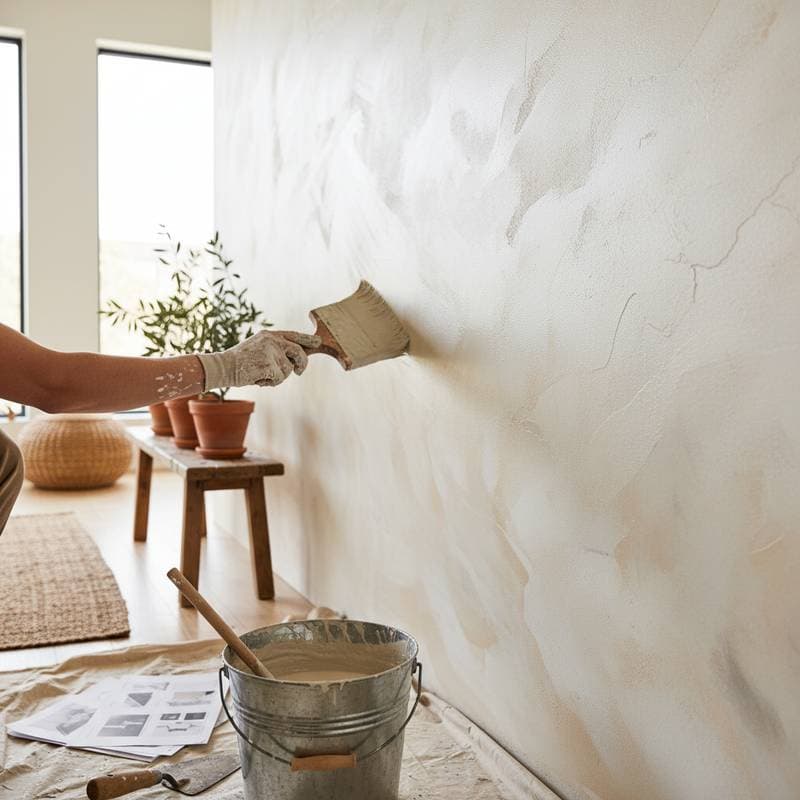
Application reveals the distinctive qualities of limewash. Opt for a wide masonry or block brush rather than a roller to foster visible, organic movement over uniform coverage.
Proceed as follows:
- Apply thin coats using crisscross or sweeping strokes to minimize stark edges.
- Allow each layer to dry fully; typically, two to three coats build desirable depth.
- Work in manageable sections, maintaining slight dampness at edges to blend seams seamlessly.
- Embrace inconsistencies like streaks and tonal differences, which contribute to the finishs appeal.
Interior stylist Clara Voss appreciates limewash in childrens rooms, observing that it conceals fingerprints effectively while imparting a gentle, romantic quality. She recommends layering complementary shades for an understated ombré transition.
Selecting Ideal Limewash Colors
Traditional formulations incorporate earth-derived pigments, resulting in subdued, harmonious tones. Consider options such as soft taupe, stone gray, dusty rose, or pale sage to establish a versatile foundation compatible with diverse styles.
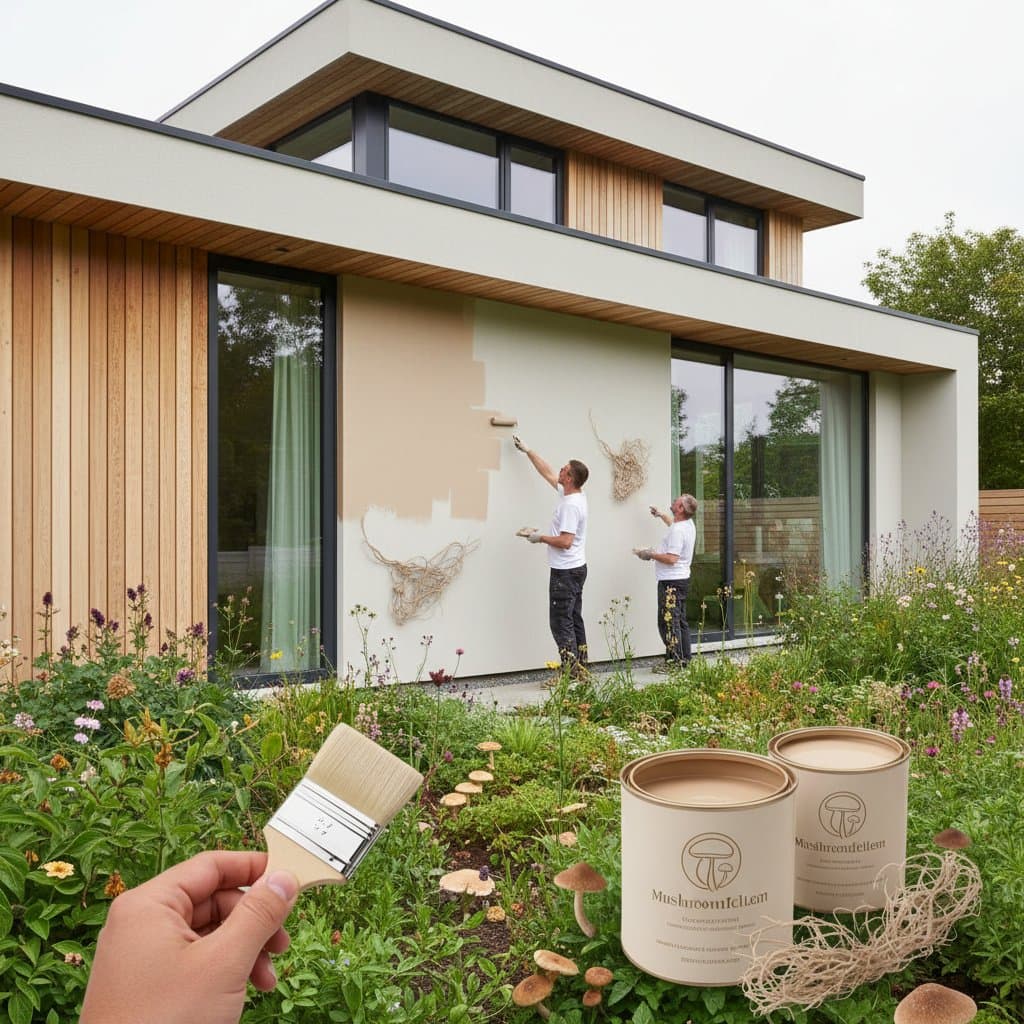
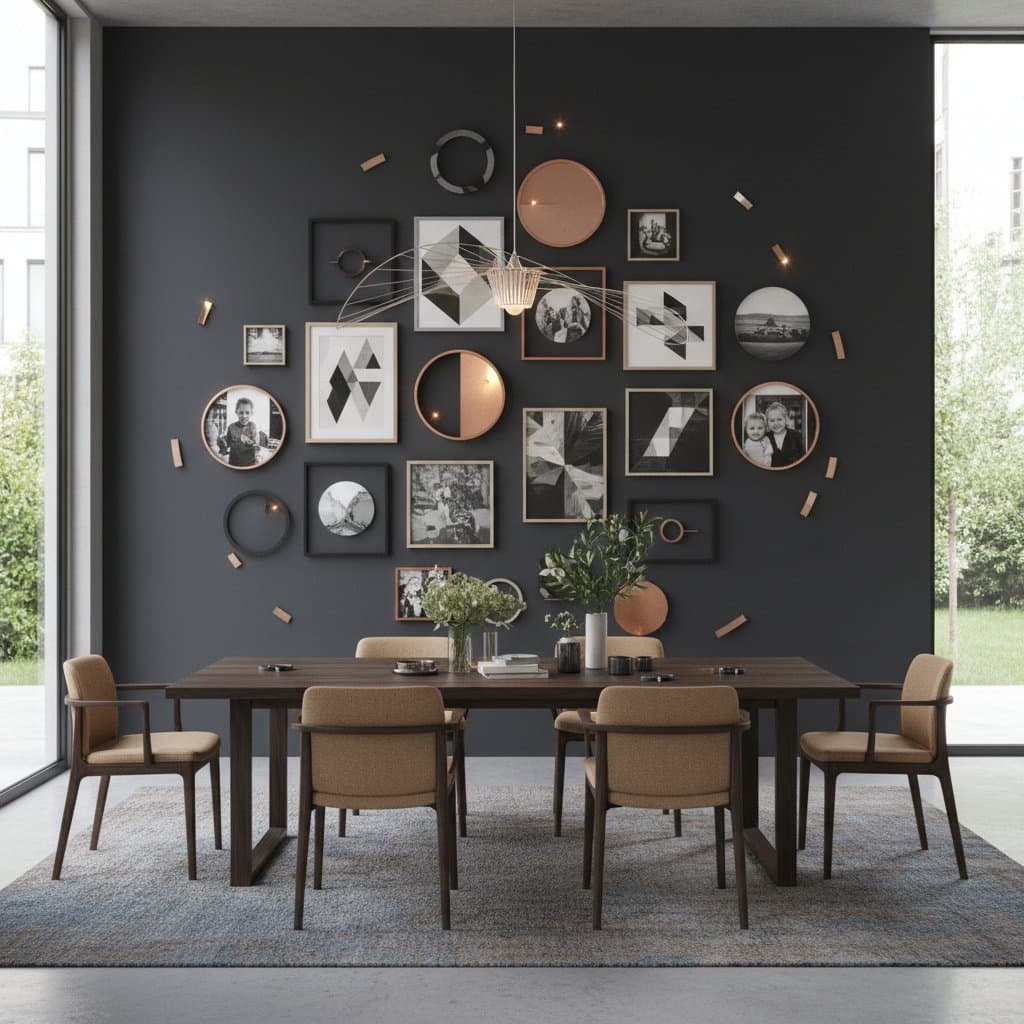
During a London flat renovation, pale mushroom graced the main walls, paired with deeper clay in the hallway for unified yet dynamic textural interest. Lighter hues expand smaller areas, introducing dimension without overwhelming. Bolder shades suit intimate zones like dining spaces, where light play fosters a sense of enclosure.
Drawing from Global Textured Wall Traditions
Textured wall practices vary worldwide, each reflecting local ingenuity. Italian Venetian plaster delivers a refined, burnished sheen. Greek exteriors utilize limewash to deflect heat and promote cooling. Moroccan tadelakt offers a smooth, water-resistant polish ideal for wet areas.
Limewash bridges these methods, providing accessible authenticity without advanced skills. Observations from travels highlight connections, such as the rugged lime surfaces of Provençal farmhouses mirroring the subtle chalkiness of English cottages. These natural approaches endure gracefully, infusing contemporary dwellings with cultural resonance and tranquility.
Maintenance for Limewashed Surfaces
Limewash demands minimal upkeep due to its inherent properties. The high pH deters mold and bacterial growth effectively. For minor scuffs, reapply a diluted layer and blend edges softly; fresh applications integrate smoothly with existing patinas, avoiding the patchiness common in standard paints.
Steer clear of abrasive cleaners. Routine care involves light dusting or damp cloth wiping. Gradual fading over years often enhances the layered, authentic character.
Experiencing the Transformative Effect of Limewash
Limewash elevates room ambiance profoundly. Light interacts dynamically, shadows gain nuance, and spaces acquire a rooted vitality. Children in one home likened the kitchen walls to clouds, capturing the ethereal softness. This finish echoes the restrained elegance of European abodes, where patience cultivates enduring beauty.