Limewash Walls: Achieve Professional Texture Through DIY
The initial encounter with limewashed walls occurred in a historic farmhouse in the French countryside. Those surfaces displayed remarkable depth and subtle movement, shifting with the play of light across the day. Upon returning to a modest flat in London, the desire to replicate that tactile appeal arose, yet without the expense of professional artisans. This pursuit introduced the world of DIY limewash, a method that now stands as a preferred approach for infusing natural texture and enduring character into diverse interiors.
Key Takeaways
- Limewash produces a soft, matte finish with inherent subtle texture that appears organic.
- Natural materials form its base, positioning it as an environmentally conscious choice.
- Layering techniques build essential depth and visual variation.
Proper surface preparation ensures optimal adhesion and appearance.
The process proves affordable and accessible for individuals with fundamental painting experience.
The Appeal of Limewash
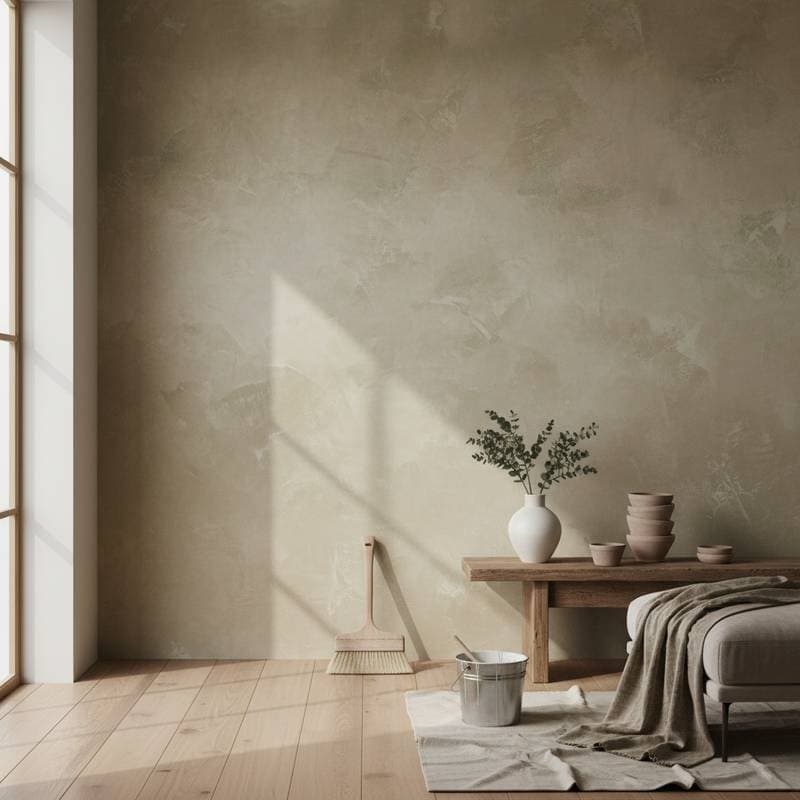
Limewash derives from crushed limestone combined with water, distinguishing it from conventional paints. Artisans have employed it for generations throughout Europe, especially in Mediterranean regions and rural French settings, valuing its aesthetic qualities and breathability. The resulting finish avoids uniformity, instead revealing gentle undulations that impart movement and dimension to walls. Light alterations throughout the day enhance these qualities, revealing evolving nuances in the surface.
Interior designer Sophie Hargreaves characterizes limewash as a finish that animates walls. She notes that the faint streaking and tonal transitions emulate aged plaster, yielding an upscale appearance that remains inviting. This blend of subtlety and refinement explains the renewed interest among homeowners in this time-honored method.
Integrating Limewash into Contemporary Spaces
Limewash adapts seamlessly to various design aesthetics, spanning rustic farmhouses to sleek urban minimalism. In a family kitchen, application softened the lines of contemporary cabinetry and metal appliances. The understated chalky surface introduced warmth and craftsmanship, countering potential sterility.
For those in apartments or rental properties, limewash offers versatility. It bonds most effectively with porous substrates such as plaster, though a suitable base coat enables use over prepared drywall. The inherent matte quality conceals minor flaws while imparting personality, transforming plain urban interiors into thoughtfully layered environments.
Surface Preparation Essentials
Success in limewash application hinges on meticulous preparation. Begin by cleansing the wall to eliminate grease, dust, or residues. For surfaces coated in glossy or synthetic paints, employ light sanding to promote adhesion. Select a mineral-based primer formulated for limewash compatibility; this step facilitates uniform absorption and elevates the overall outcome.
A technique acquired from a Provençal artisan involves misting the wall lightly with water prior to the initial coat. This moisture moderates absorption rates, allowing the limewash to distribute evenly and conclude with ethereal, cloud-like formations that define its allure.
Professional Application Techniques
The application process demands simplicity paired with deliberate pacing. Opt for a broad natural-bristle brush over a roller to capture the essential stroke variations. For the base layer, employ a crisscross motion, varying directions to prevent stark edges. Initial appearances may seem uneven, yet this irregularity contributes to the finish's authenticity.
Allow complete drying between layers before proceeding to subsequent coats, potentially up to three. Thin each additional layer with water to enhance translucency and build complexity. Interior finisher Marco DeLuca recommends full drying intervals, likening the method to watercolor application where overlaps foster depth. To intensify effects, incorporate slight pigment shifts across layers, such as adding traces of ochre or gray, evoking weathered plaster.
Selecting Colors and Final Enhancements
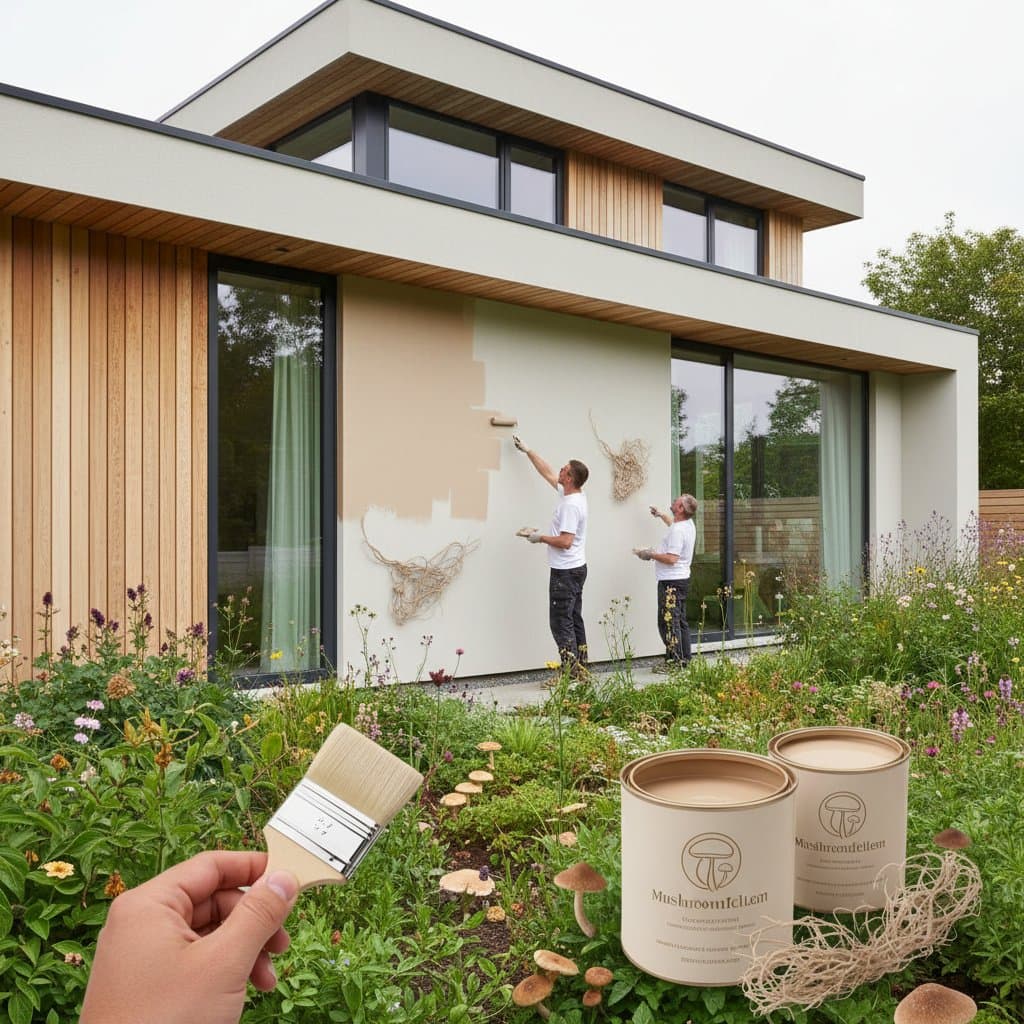
Limewash excels in neutral palettes, including soft whites, beiges, taupes, and subdued greens. These hues accentuate the material's texture and harmonize with elements like wood, linen, and stone. In a Cotswolds cottage living room, a pale mushroom shade was chosen, demonstrating shifts from warm to cool tones under varying light.
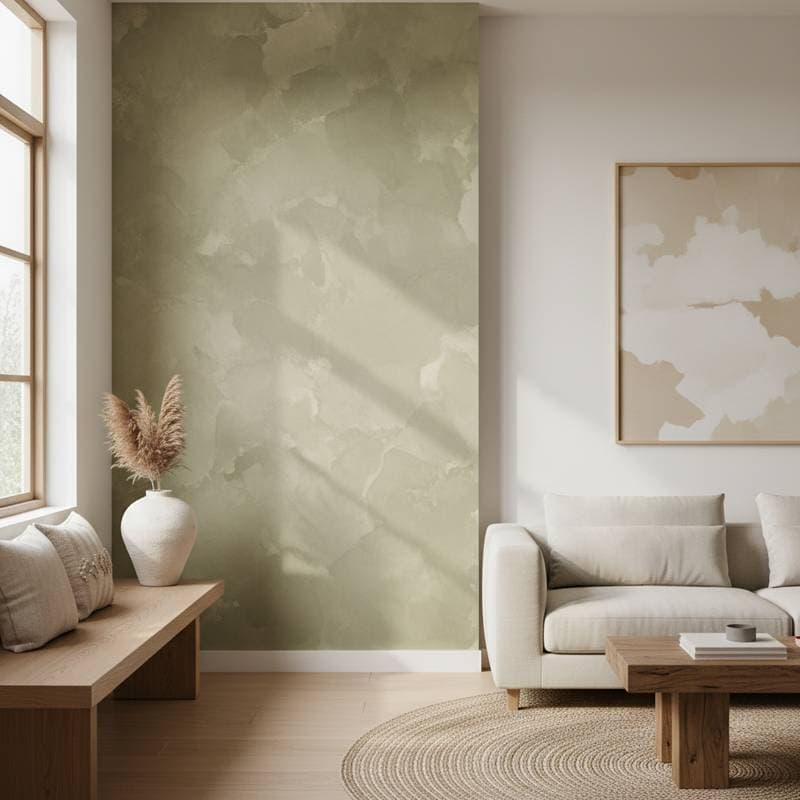
For bolder expressions, consider pale blues or sage greens drawn from Mediterranean influences; these infuse vitality without overwhelming. Prioritize tonal subtlety over bold saturation to preserve the finish's inherent charm.
Upon drying the final layer, refrain from applying glossy sealants, as limewash requires breathability. In demanding areas such as kitchens or corridors, a permeable topcoat for mineral paints provides added resilience without compromising the surface.
Pitfalls to Sidestep
- Omitting primer: Absence of a compatible base leads to uneven patches or flaking.
- Selecting synthetic brushes: Natural bristles alone deliver the desired soft, genuine texture.
- Overloading layers: Thin applications in multiples yield superior results.
- Pursuing flawlessness: The allure resides in natural inconsistencies.
Limewash celebrates those who accept its organic variances. Brush techniques, ambient light, and atmospheric humidity each contribute to a unique narrative on every wall.
Embracing the Evolution of Limewash Surfaces
Limewash distinguishes itself through gradual transformation. Over time, a subtle patina emerges, amplifying depth and character. Maintenance involves straightforward touch-ups, as fresh applications integrate seamlessly with existing finishes.
The sensory aspect of limewash fosters a deeper connection to living spaces, surpassing the limitations of standard paints. It encourages interaction, modulates light effectively, and instills refined elegance suitable for rural homes or metropolitan dwellings alike.