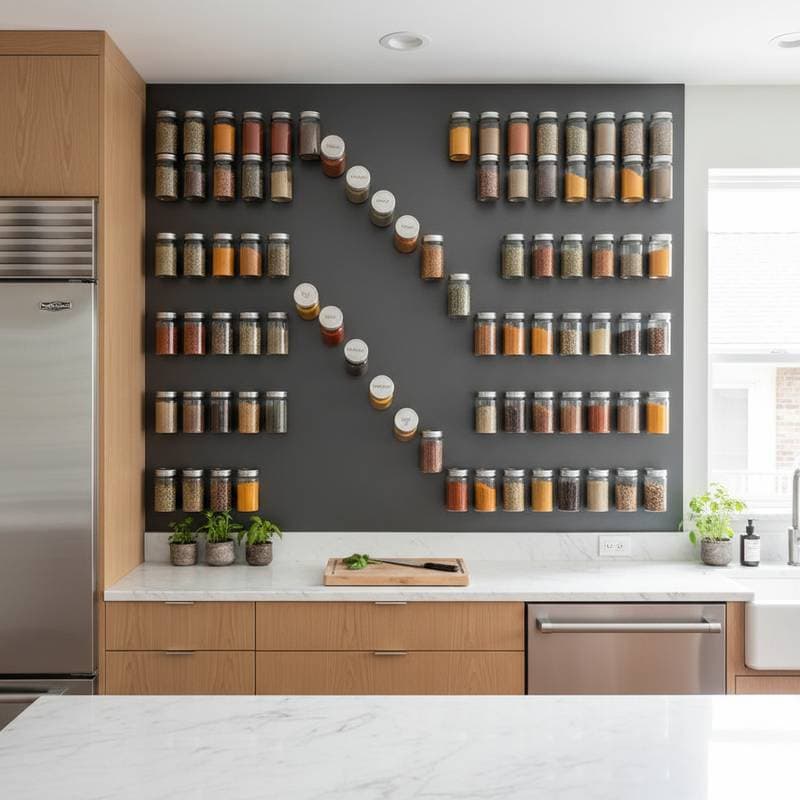
Transform Compact Dining Rooms with Magnetic Walls
Small dining rooms present unique challenges in urban living or cozy homes. Furniture often competes for limited floor space, while daily activities like meals and family projects demand organization. Magnetic walls address these issues by utilizing vertical surfaces for storage and display, freeing up the room without permanent alterations.
This approach draws from efficient designs observed in global settings, such as Parisian cafes that integrate walls into functional elements. Homeowners can achieve similar results, creating spaces that feel larger and more inviting.
Challenges of Limited Dining Space
In apartments or modest homes, dining areas frequently double as workspaces or gathering spots. A table might host meals one moment and homework the next, leading to scattered items and reduced mobility. Traditional storage options, like cabinets or shelves, exacerbate the problem by occupying valuable floor area.
Steps to Install a Magnetic Wall
Creating a magnetic wall requires careful planning to ensure durability and appeal. Select materials suited to the space, and integrate accessories that align with daily needs. The process yields a customizable system that evolves with the household.
1. Select the Optimal Wall
Identify a wall adjacent to the dining table for convenient access. Avoid areas exposed to steam from cooking or direct sunlight, which could affect adhesion or finish. A spot next to a window or above a slim console provides balance between utility and visual flow.
Measure the surface to determine scale; a 4-foot by 6-foot section often suffices for most setups. Ensure the wall is smooth and clean before proceeding.
2. Choose Base Materials
Various options exist to suit different budgets and commitments.
-
Magnetic Paint: This formula incorporates iron particles for subtle magnetism. Apply four to six coats for strength, then top with latex paint in a neutral tone. It integrates seamlessly into existing decor.
-
Metal Sheets: Opt for galvanized steel or aluminum panels, cut to size at a local supplier. Secure them with adhesive strips or screws, depending on the wall type. Finishes like brushed nickel add a modern touch.
-
Adhesive Boards or Wallpaper: These peel-and-stick products appeal to renters. Brands like those from home improvement stores offer vinyl-backed magnetic sheets that remove cleanly, preserving security deposits.
Test magnetism on a small area first to confirm performance.
3. Incorporate Accessories
Enhance functionality with items that attach via strong neodymium magnets.
-
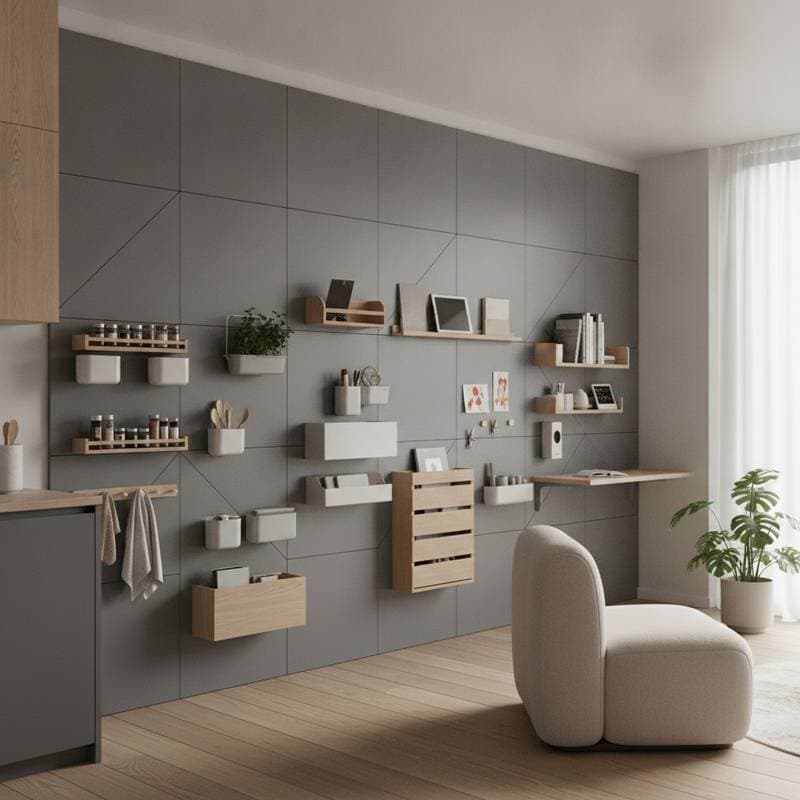
Modular shelves in acrylic or wood hold plates or books, adjustable as needed.
-
Clip systems secure recipe cards, shopping lists, or lightweight trays for utensils.
-
Container sets, such as magnetic jars for spices or bins for napkins, keep essentials within reach.
Systems from manufacturers like IKEA or specialized organizers allow reconfiguration for seasonal changes, such as holiday decor or summer entertaining.
4. Integrate Design Elements
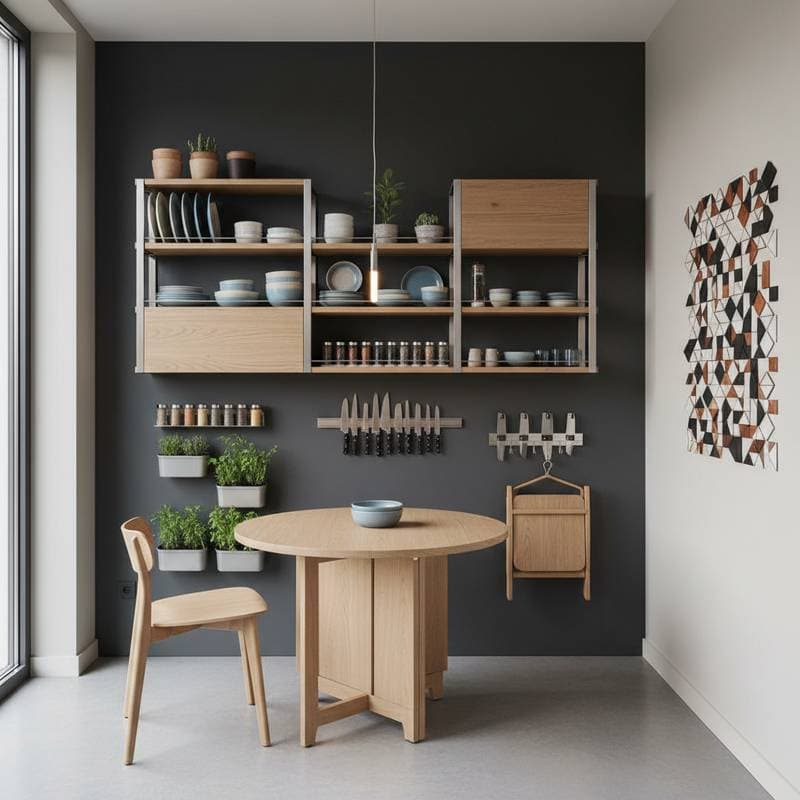
Balance utility with style to avoid a utilitarian appearance. Arrange items in asymmetrical patterns for visual interest, grouping similar colors or shapes. Incorporate non-magnetic elements, like a nearby mirror, to reflect light and amplify space.
For example, hang a row of ceramic mugs alongside botanical prints. This combination maintains order while infusing personality, ensuring the wall complements the room's overall palette.
Design Inspirations from Around the World
Global examples illustrate the versatility of magnetic walls.
In Tokyo's compact residences, slim metal panels line walls near dining nooks, holding cookware and tools with precision. This method supports the konmari philosophy of intentional placement.
Scandinavian interiors pair matte magnetic boards with light oak accents, creating serene environments. The neutral tones promote calm, ideal for family meals.
French provincial homes frame corrugated iron sheets in barn wood, evoking rustic elegance. Such adaptations blend heritage with modernity.
Adapt these to local contexts: in a New York loft, install polished chrome panels for an industrial edge; in a suburban kitchen, use colorful magnetic tiles for playful vibrancy. The key lies in aligning with personal taste while prioritizing vertical efficiency.
Maintenance and Safety Considerations
Regular upkeep preserves the wall's effectiveness and appearance. Dust surfaces weekly with a soft cloth, and wipe magnets clean to prevent residue buildup. Avoid overloading with heavy items; limit each attachment to five pounds to prevent sagging or wall damage.
For safety, position the wall away from high-traffic paths to minimize bumps. Use child-proof magnets if young children are present, and secure panels firmly to withstand vibrations from nearby appliances. In humid climates, select rust-resistant materials to extend longevity.
Annual inspections ensure secure attachments, allowing adjustments as family needs change.
Everyday Benefits and Adaptations
After installation, the dining room transforms into a more efficient haven. Items remain accessible yet out of the way, reducing clutter during routines. The setup accommodates guests by quickly clearing surfaces for entertaining.
This solution proves cost-effective, with initial investments under $200 yielding long-term gains. It suits diverse lifestyles, from solo diners to growing families, fostering spaces that adapt seamlessly to daily demands.
Embrace magnetic walls to reclaim floor space and enhance enjoyment in compact dining areas. The result is a harmonious blend of form and function, elevating ordinary meals into organized rituals.