Creating Acoustic Walls with Plants
Homeowners seek peaceful outdoor spaces free from traffic hum or neighbor conversations. Acoustic gardens offer an elegant solution through sound-absorbing plants and natural elements. These designs transform gardens into serene retreats that provide both visual appeal and auditory calm.
The concept of plants mitigating noise has gained renewed interest among landscape designers and urban dwellers. Living walls, dense hedges, and layered plantings reduce sound levels while enhancing privacy. Unlike rigid barriers, these green features develop over time, integrating seamlessly with the environment.
This article examines the mechanisms behind sound absorption in plants, outlines design principles for effective acoustic walls, and provides steps to implement these features in various settings.
Principles of Sound Absorption in Plants
Strategies for Designing Acoustic Walls
Effective acoustic walls require thoughtful planning to balance aesthetics and function. Begin by evaluating noise sources, such as nearby roads or adjacent properties, to position barriers optimally.
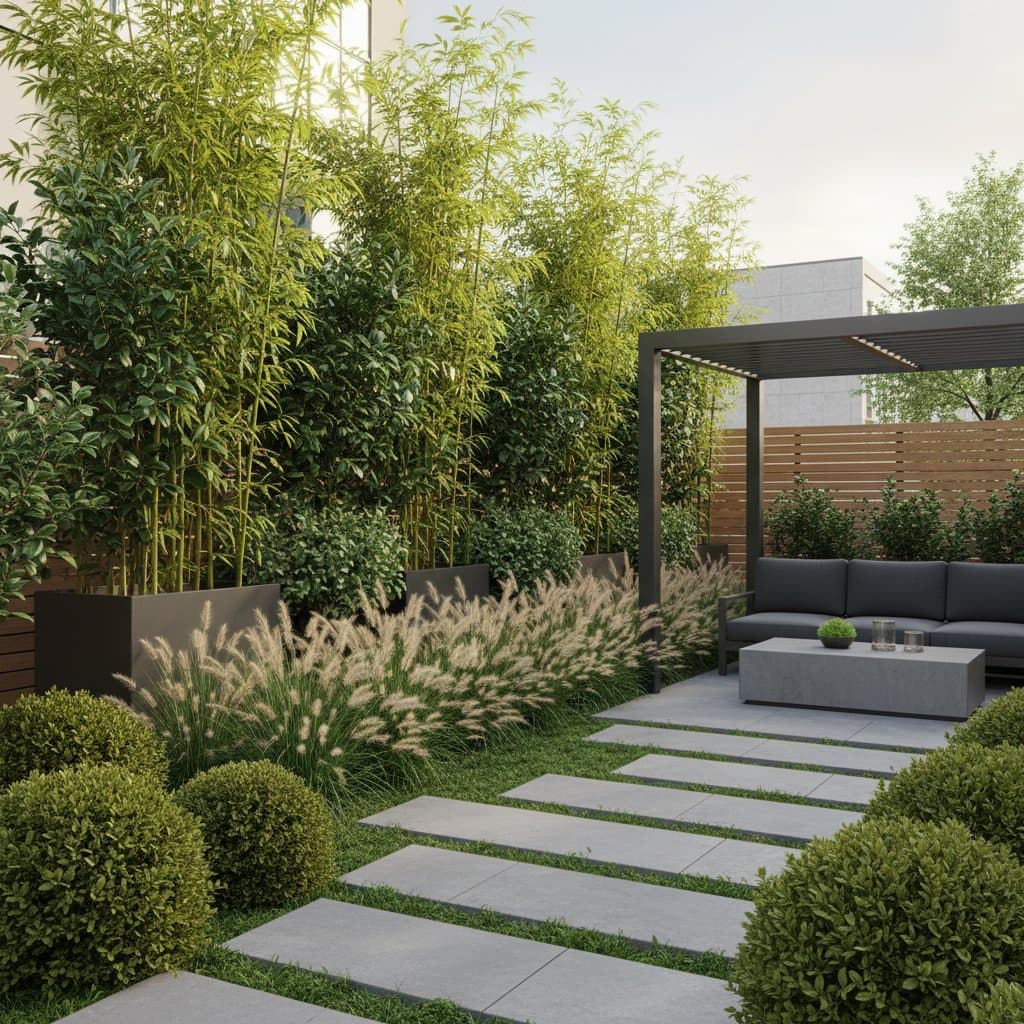
Incorporate vertical and horizontal layers for comprehensive coverage. Tall structures like bamboo or arborvitae form the backbone, reaching 10 to 15 feet to intercept overhead sounds. Mid-level shrubs, such as laurel or viburnum, fill gaps, while low-growing perennials like hostas cover the base.
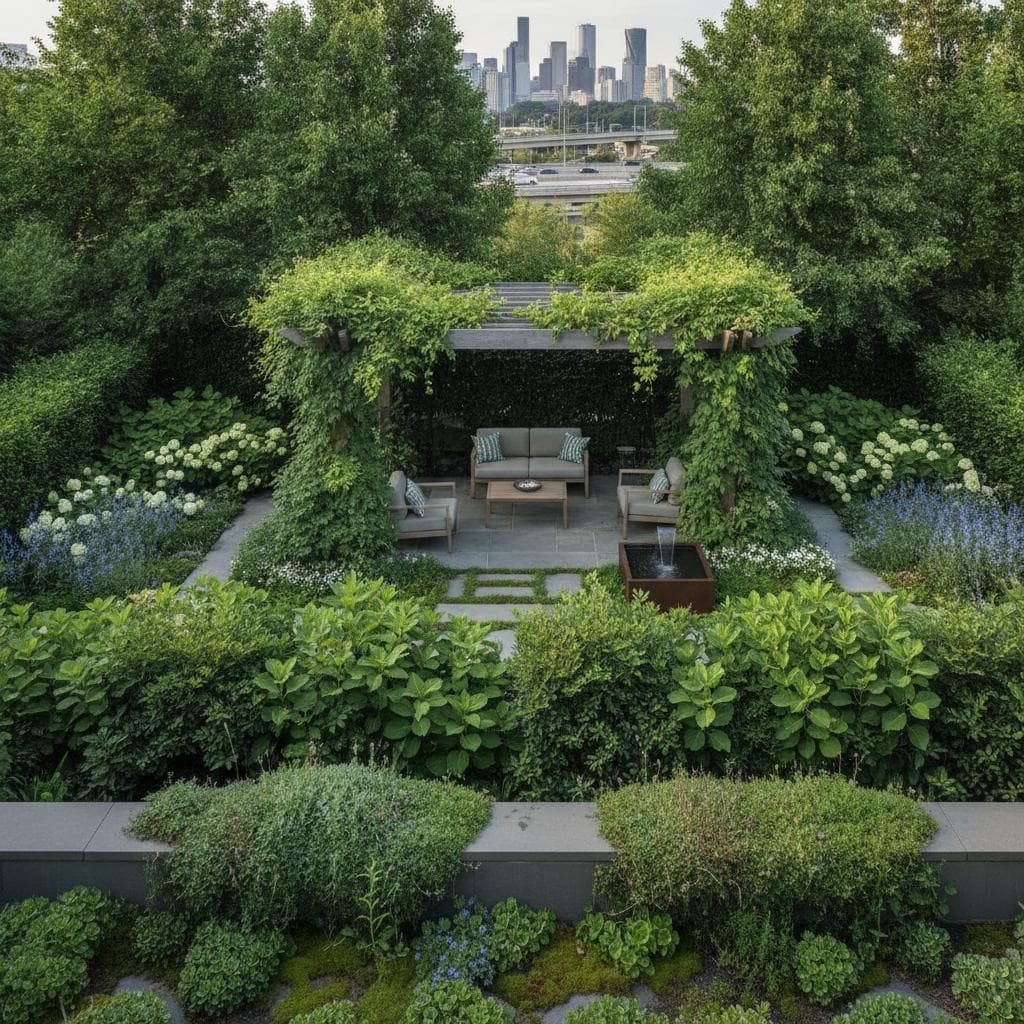
Integrate supportive elements to enhance performance. Wooden fences or stone walls, clad in climbing ivy or clematis, reflect residual sound toward absorbing plants. Ensure plant spacing allows for 70 to 80 percent foliage overlap at maturity to form a continuous screen.
Maintenance sustains efficacy. Regular pruning promotes bushiness, and seasonal fertilization supports vigorous growth. Select species suited to local climate; for example, in temperate zones, choose hardy options like Leyland cypress for year-round density.
These walls not only quiet spaces but also define zones, such as enclosing patios or pathways, creating intimate garden areas.
Recommended Plants for Noise Reduction
Select plants based on their acoustic properties, growth habits, and adaptability. Bamboo varieties, such as Phyllostachys nigra, grow rapidly to form tall, dense screens that absorb mid-range frequencies effectively.
Evergreen hedges like English laurel (Prunus laurocerasus) provide thick, year-round coverage. Their broad leaves and compact branching reduce noise from all directions. Ornamental grasses, including miscanthus or pampas, add movement and soften high-pitched sounds with their airy structure.
For flowering interest, incorporate viburnum or hydrangea, which offer seasonal blooms alongside sound-dampening foliage. In arid regions, opt for drought-tolerant choices like oleander or rosemary to maintain density without excessive watering.
Combine these in mixed borders: position bamboo at the rear, laurel in the middle, and grasses foreground for a multifaceted barrier. Test small sections first to observe performance in your specific environment.
Cost-Effective Options for Limited Spaces
Full-scale redesigns suit established properties, yet smaller interventions yield noticeable results. Portable planters with tall ficus or palm trees serve as flexible screens for balconies or rentals.
Vertical gardens using modular panels filled with ivy or ferns maximize wall space while absorbing echoes in confined areas. These systems install easily and require minimal soil.
Supplement with non-plant elements for added softness. Heavy fabric panels or acoustic quilts draped over railings diffuse sound on patios. Fountains or wind chimes introduce white noise, masking intrusive sounds with soothing alternatives.
Position these features near seating or relaxation zones. For instance, cluster containers around a lounge area to create a localized quiet pocket. Such approaches deliver benefits without permanent changes.
Maintaining and Evolving Your Acoustic Garden
Established acoustic gardens foster deeper environmental connections. The subtle sounds of wind through leaves replace urban clamor, enhancing relaxation and privacy.
Monitor plant health annually to ensure sustained performance. Prune overgrown sections to prevent gaps, and replenish soil nutrients to support dense growth. As plants mature, their expanded canopies increase absorption, often improving quietude by 20 percent within three years.
Address emerging noise by adding targeted plantings, such as fast-growing vines on existing structures. This adaptive maintenance keeps the garden responsive to changing conditions.
Implementing Your Acoustic Design
To achieve a tranquil garden, map noise patterns and select compatible plants. Start with foundational layers using evergreens for structure, then add grasses and shrubs for texture and color.
Consult local guidelines for planting near boundaries. With consistent care, your space evolves into a restorative haven, blending natural beauty with practical noise control for enduring peace.