Sound-Absorbing Plants: Quieting Your Garden Oasis
A calm outdoor space should feel peaceful, free from intrusive background noise. Whether you reside near a busy street, share boundaries with neighbors, or seek a softer soundscape, plants offer more than aesthetic appeal. They actively reduce noise through strategic selection and placement, transforming even a compact patio or balcony into a serene retreat.
Sound-absorbing plants leverage their textures, densities, and growth patterns to dampen unwanted sounds and foster a gentler acoustic environment in your outdoor area.
Establish a Dense Green Perimeter
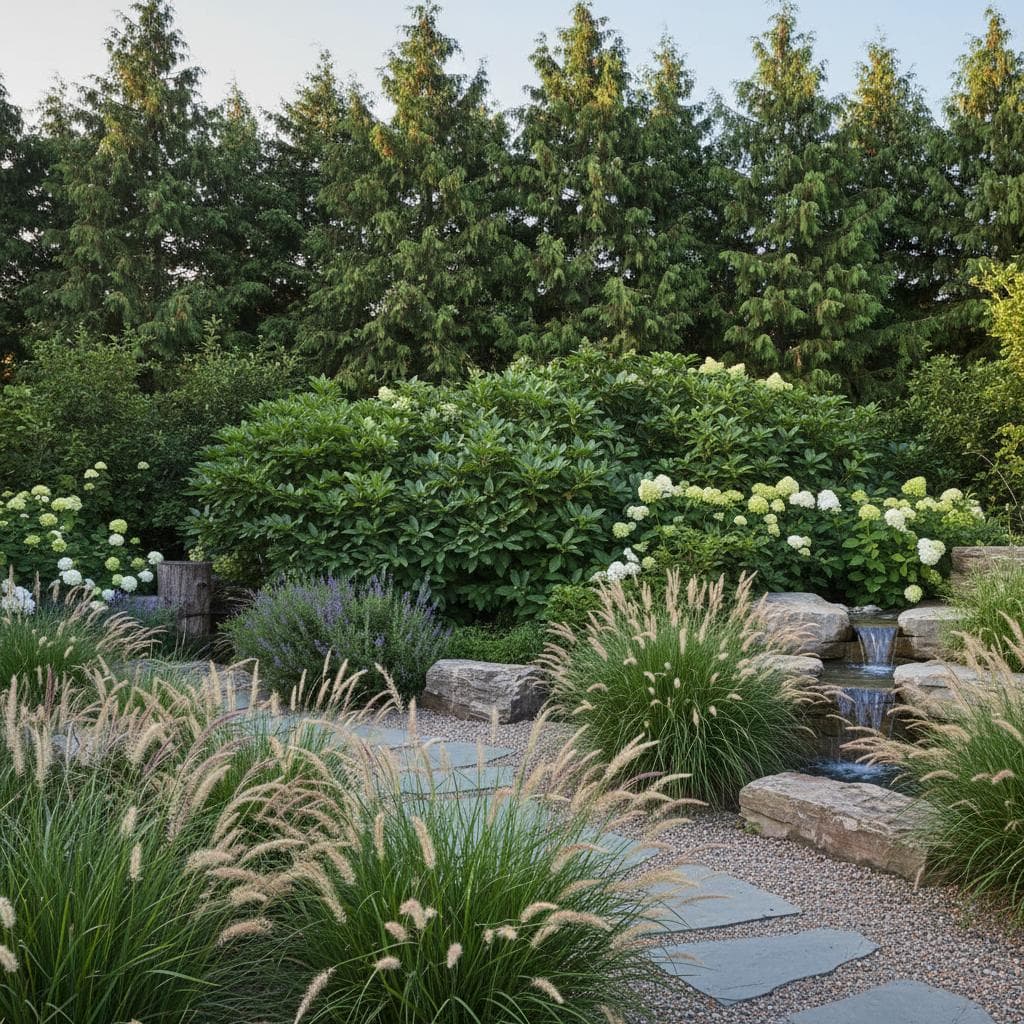
Begin by creating a vegetative barrier to block and absorb noise effectively. Tall, dense plants excel at this task, particularly when arranged in a continuous line along noise sources.
Select these proven options for robust living sound barriers:
- Clumping bamboo varieties, which provide vertical height and thick coverage without invasive spreading.
- Evergreen shrubs such as viburnum, pittosporum, or boxwood, offering year-round foliage density.
- Holly or laurel hedges, which combine privacy, stature, and superior sound absorption.
Garden architect Leo Kent from Kent Outdoor Design advises, "The trick is to create multiple layers of vegetation. One tall hedge alone will help, but combining it with mid-height shrubs and groundcovers creates a deeper buffer that both absorbs and scatters sound."
In constrained spaces, prioritize planting along the primary noise boundary. A single, well-established hedge disrupts direct sound paths and yields noticeable improvements.
Position Trees as Acoustic Anchors
Trees contribute vertical barriers that slow and disperse noise as it propagates. Evergreens like arborvitae or cypress maintain effectiveness throughout the year, while deciduous options such as birch or maple deliver seasonal noise reduction through their leafy canopies.
Proper spacing ensures optimal performance. Landscape ecologist Dana Li recommends, "You want the canopies to overlap slightly once mature. That creates a continuous acoustic wall without leaving open air gaps for sound to slip through."
For enhanced diffusion, plant trees in staggered rows rather than rigid lines. This configuration prompts sound waves to reflect multiple times, diminishing their intensity before reaching relaxation zones.
Incorporate Water Features for Acoustic Harmony
Introducing water elements might seem unexpected, yet they complement plant-based noise control. A modest fountain or recirculating stream generates a steady, soothing murmur that overlays and conceals erratic external sounds.
Position such features near garden edges adjacent to roads to redirect focus from traffic. Maintain a subtle volume, avoiding forceful flows, and pair with companion plants like ferns or hostas to reinforce the organic ambiance.
Sound consultant Mark Ellison observes, "You are not trying to eliminate every noise. You are reshaping what you hear into something more calming."
Design Seating Areas for Optimal Quiet
With foundational plantings in place, refine usage zones to maximize tranquility. The location of seating or dining spots directly influences perceived noise levels.
Site these areas behind hedges or natural screens, away from exposed edges. Employ pergolas covered in climbing vines such as jasmine or wisteria for overhead acoustic softening, or suspend planters to form a diffused canopy.
On compact patios, cluster furniture adjacent to thick plant clusters rather than bare walls. This arrangement envelops users in layered vegetation that intercepts and mutes incoming sounds.
Maintain and Evolve Your Acoustic Garden
As your design matures, benefits extend beyond reduced noise to a cooler, more inviting atmosphere that encourages extended outdoor time. Avian visitors often increase, enhancing the natural serenity.
Recognize that these gardens develop dynamically. Plants expand, densify, and occasionally require trimming to sustain acoustic efficacy. Conduct periodic assessments by traversing the space and evaluating sound clarity in various spots, then refine with additional specimens or repositioned containers.
Designer Leo Kent captures the essence: "Good acoustic design in a garden is never finished. It grows alongside you."
Through deliberate layering and ongoing attention, plants serve as a living, flexible solution. Your garden emerges as both a visual delight and a true sanctuary from daily clamor.