The Grandmillennial Revival: Vintage Garden Charm
Sunlight filters through lace curtains and spills across a table scattered with seed packets, antique teacups, and a well-loved pair of garden gloves. Outside, a riot of blooms tumbles over a white picket fence, while the air hums with bees visiting hollyhocks and foxgloves. This scene captures the essence of the grandmillennial garden, a nostalgic nod to the past combined with the creativity and sustainability of the present.
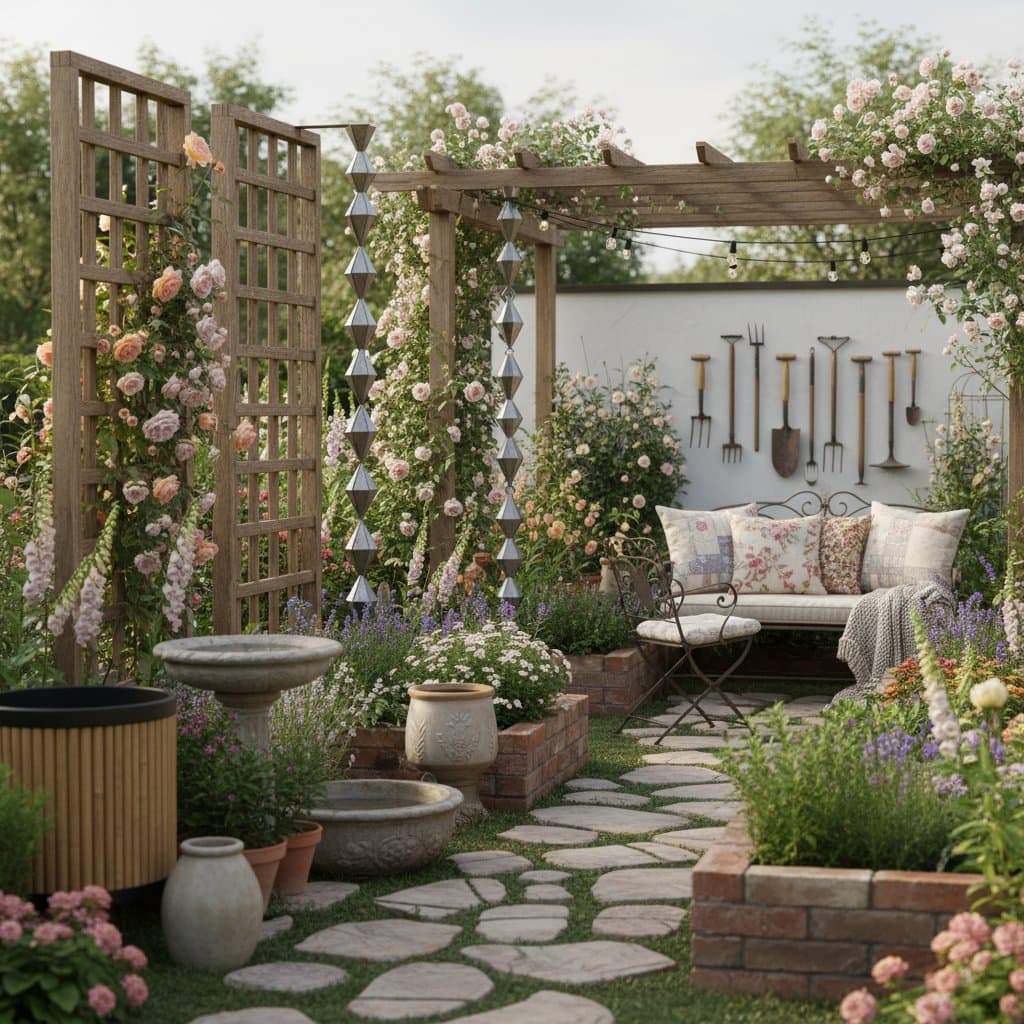
The revival honors a heartfelt return to comfort, craftsmanship, and charm. Gardeners create spaces that feel lived-in, loved, and layered with stories. Floral prints, vintage urns, climbing roses, and reclaimed stone paths all contribute to timeless beauty rooted in authenticity.
What Defines the Grandmillennial Garden
The grandmillennial style, sometimes known as granny chic, thrives on the blend of traditional elegance and modern playfulness. In garden design, this approach produces spaces that appear both curated and spontaneous. Imagine a Victorian border softened by wildflowers or a weathered bench encircled by lush hydrangeas.
- Romantic plant palettes with peonies, delphiniums, and lavender.
- Vintage materials like wrought iron, terracotta, and reclaimed brick.
- Layered textures that mix manicured hedges with natural wild edges.
- Sentimental accents such as heirloom planters, embroidered cushions, or teapot birdhouses.
The objective remains personality over perfection. These gardens evolve as if collected over years, not assembled in a single effort.
The Emotional Pull of Nostalgia
A deep comfort resides in the style's embrace of the familiar. Homeowners rediscover the joy of gardens reminiscent of another era, evoking grandparents' porches, Sunday picnics, and the scent of lilacs after rain. Such spaces foster a sense of continuity and warmth.
This nostalgia extends beyond visuals to influence daily life. It represents a desire for slower rhythms and meaningful rituals. Planting seeds by hand, clipping flowers for a kitchen vase, or sipping tea among roses serves as an act of mindfulness, forging connections to nature and personal memories.
A Natural Approach to Old-Fashioned Beauty
Grandmillennial gardens align closely with environmental principles. Layered plantings draw pollinators, and the aesthetic favors natural materials over synthetic ones. Gardeners often substitute compost or worm tea for chemical fertilizers and seek out flea market finds instead of plastic decorations.
Incorporate these natural elements for genuine charm:
- Prepare homemade compost from kitchen scraps and garden trimmings to enrich soil without additives. Apply it in spring to support root growth in perennials like peonies.
- Collect rainwater in vintage barrels or urns, which provides soft water ideal for acid-loving plants such as hydrangeas and conserves municipal resources.
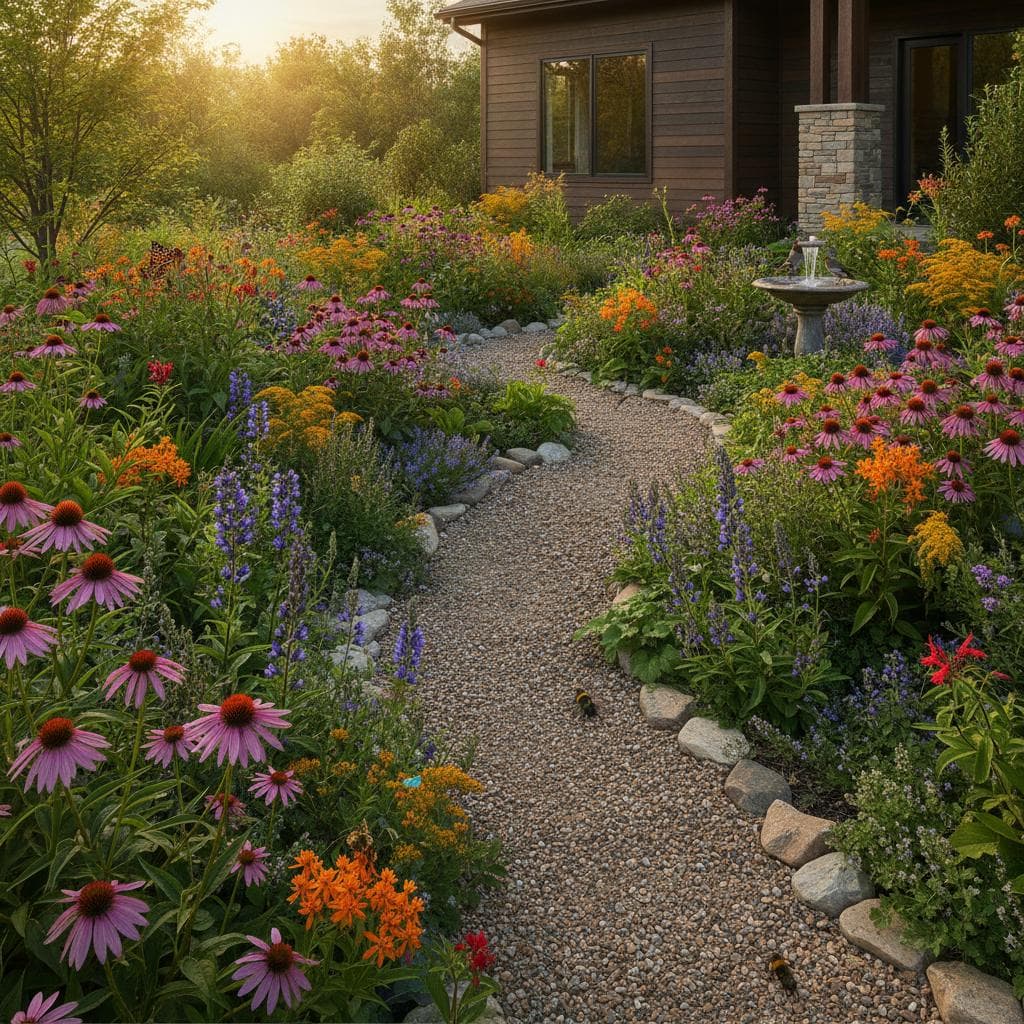
- Plant bee-friendly borders with nectar-rich flowers including coneflowers, asters, and sweet alyssum to boost biodiversity and pollination.
- Promote natural pest control by attracting ladybugs, lacewings, and birds through birdbaths or nesting boxes placed near vegetable patches.
These practices yield a landscape that pleases the eye while harmonizing with its ecosystem.
Layering Old and New
Building a grandmillennial garden involves balancing elements for creative harmony. The appeal emerges from contrasts, such as a chippy-painted bench beside sleek garden lighting or a modern trellis supporting heirloom roses. This fusion prevents the space from seeming dated.
Explore these blending techniques:
- Pair modern planters with vintage accents, like sleek ceramic pots filled with traditional blooms such as lavender for a fresh yet nostalgic vibe.
- Combine colors confidently, matching soft pastels with bold floral prints, for example, blush peonies alongside deep blue delphiniums or mint-green shutters with coral geraniums.
- Introduce patterns through striped cushions, floral tiles, and embroidered fabrics to create visual depth.
- Accept imperfection, as patina on a cracked pot or faded sign adds authentic character.
Each element should evoke a memory or purpose, turning the garden into a living scrapbook.
Designing for Comfort and Connection
A grandmillennial garden serves living, not mere observation. These areas encourage lingering, whether sipping a cool drink on a shaded bench or reading amid whispering leaves. Prioritize comfort in the layout to enhance usability.
Incorporate these design elements:
- Establish cozy nooks with pergolas, trellises, or climbing vines like clematis to form intimate corners shielded from wind.
- Include soft seating options such as vintage wicker chairs, floral-printed cushions, or a hammock suspended between sturdy posts.
- Layer lighting with fairy lights strung along paths, lanterns on tables, and solar candles for pathways to extend enjoyment into evenings.
- Facilitate gatherings via a small bistro table or picnic area positioned near blooming borders for shared meals.
This method transforms an ornamental space into a personal retreat where beauty and belonging converge.
Sourcing the Perfect Pieces
The thrill of grandmillennial gardening includes the search for treasures. Thrift stores, flea markets, and online marketplaces offer items rich in character, from slightly worn terracotta pots to iron gates or enamel watering cans.
Repurpose household objects creatively: convert an old dresser into a plant stand by sealing the drawers against moisture, or use mismatched teacups as planters for succulents on a sunny windowsill. Imagination breathes new life into everyday items for outdoor use.
For a guided beginning, seek handmade pieces from artisans who draw on vintage inspirations. Purchasing from these creators preserves traditional craftsmanship and infuses spaces with genuine authenticity.
Planting the Grandmillennial Palette
Blooms form the core of this style, emphasizing abundance and romance. Layers of color, texture, and scent evolve through seasons, creating dynamic interest.
Select these timeless plants:
- Roses in climbing, shrub, or old English varieties for fragrant arches.
- Peonies with lush, nostalgic blooms that thrive in partial shade.
- Hydrangeas featuring mophead flowers that add cottage-like sweetness in moist soil.
- Lavender as a fragrant border plant that draws pollinators and repels some pests.
- Foxgloves and hollyhocks for vertical accents evoking vintage cottage gardens.
- Herbs like rosemary, thyme, and sage, which offer both ornamental appeal and culinary value.
Integrate native wildflowers for a spontaneous touch. These additions introduce movement, attract butterflies, and align with sustainable practices by supporting local ecosystems.
The Art of Maintenance with Heart
Maintenance in a grandmillennial garden emphasizes presence over perfection. Weeding, pruning, and watering evolve into meditative routines. Consistency and attentive care sustain the space.
Adopt these practices:
-
Nourish naturally by rotating compost applications, mulching with organic materials like bark, and steering clear of synthetic fertilizers.
-
Prune with intention to maintain organic shapes, trimming spent rose blooms in summer to encourage reblooming.
-
Allow self-seeding for natural surprises, such as foxgloves reseeding in gravel paths.
-
Honor seasonal cycles, where fading blooms and fallen petals contribute to the garden's evolving narrative.
The focus shifts from control to partnership with nature.
Living with Vintage Garden Charm
As a grandmillennial garden flourishes, it transcends visual appeal to shape daily life. It promotes slowing down, savoring moments, and appreciating the familiar. Enjoy morning coffee amid roses or twilight dinners under string lights as celebrations of personal creation.
The style's power stems from authenticity. Chipped pots, trailing vines, and humming bees weave a unique story. With changing seasons, the garden grows alongside the gardener, accumulating fresh memories atop enduring ones.
Nurturing Your Personal Garden Story
Develop a grandmillennial garden by expressing emotions through design choices, not mimicking a preset image. Begin modestly, trust instincts, and permit organic growth. Draw inspiration from preferred textures, scents, and colors to guide selections.
Observe how the space influences routines, prompting pauses to breathe and value beauty. Over time, this garden becomes an extension of self, a testament to intentional living.