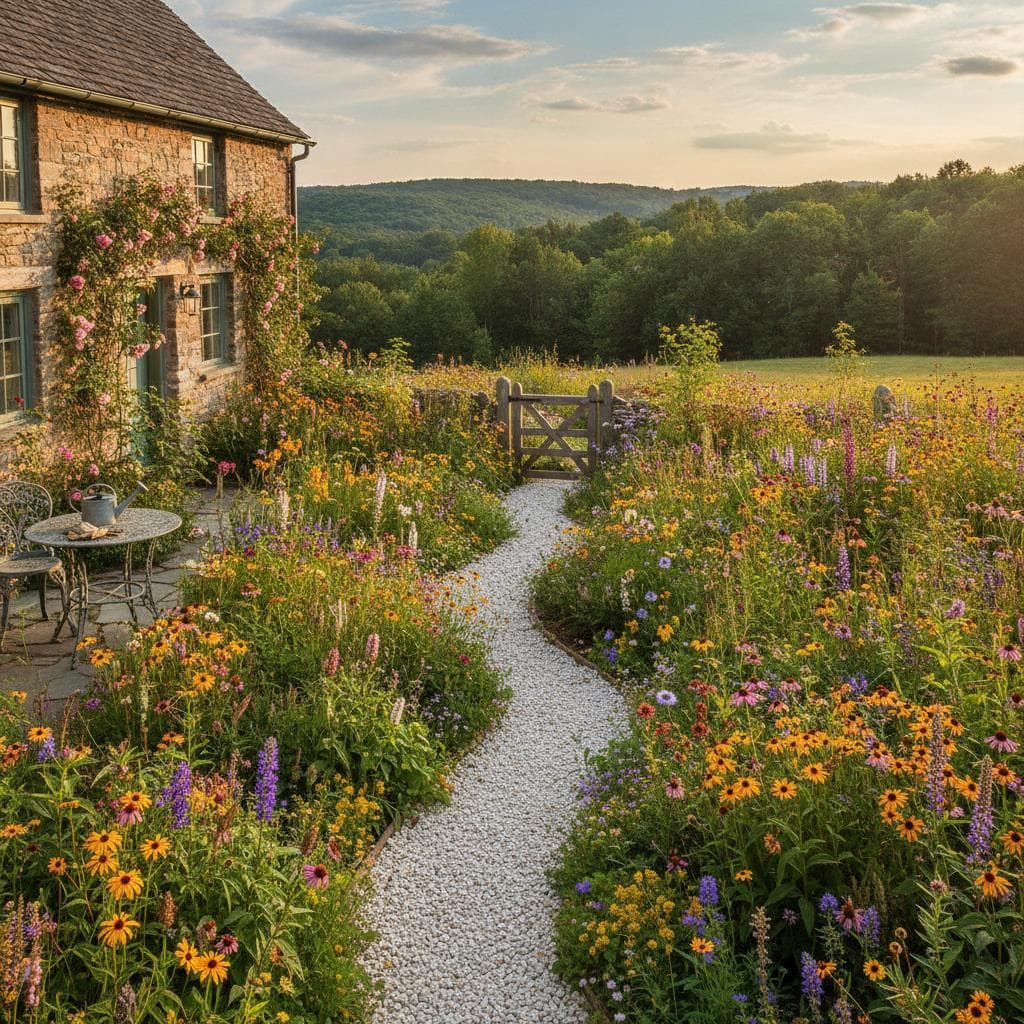
How Acoustic Walls Will Transform Your Garden into a Quiet Retreat in 2026
Imagine attempting to savor a peaceful morning coffee in your garden, only for the rumble of traffic or the whine of a neighbor's lawnmower to shatter the moment. Such interruptions highlight the challenge of achieving outdoor tranquility. When my family relocated from a compact London apartment to a countryside cottage in the Cotswolds, I anticipated serene surroundings. Instead, the blend of natural birdsong and frequent delivery vehicles prompted my deep dive into acoustic garden walls, innovative structures now reshaping outdoor experiences in diverse settings.
Key Takeaways
- Acoustic walls absorb and deflect noise to foster a serene garden atmosphere.
- Construction options include specialized materials, vegetation, or integrated hybrid systems.
Sound-absorbing plants amplify effectiveness while contributing aesthetic appeal.
Rising urban noise pollution positions these solutions as essential for comfortable outdoor use.
Versatile choices suit various budgets and spaces, from basic DIY assemblies to elaborate custom builds.
The Evolving Challenges of Modern Gardens
Urban dwellers cherish limited outdoor areas, yet these spaces often lack peace amid constant din. Rural gardens face similar disruptions from passing vehicles, construction sites, and local activities, undermining their role as sanctuaries. For households with children, such disturbances diminish the joy of al fresco meals or unstructured play.
During my time in New York City, I adapted to the perpetual traffic hum. As a parent, however, I observed how much more relaxed my children became in hushed settings. This insight now guides my garden design philosophy. Acoustic landscaping extends beyond opulence; it supports mental health and strengthens familial bonds.
Distinguishing Features of Acoustic Walls
Conventional fences primarily delineate property lines, whereas acoustic walls serve a specialized purpose. These structures actively absorb, redirect, or scatter sound waves to shield seating areas, patios, or pathways from intrusion.
Landscape designer Olivia Hart, based in London, emphasizes the role of material properties in vibration reduction. “The key is density and texture,” she explains. “Sound waves lose energy when they hit uneven or porous surfaces, so the right combination of materials can make a huge difference.”
Essential Materials
- Timber composite panels finished with sound-dampening coatings for durability and subtlety.
- Concrete or masonry blocks reinforced with internal acoustic membranes to handle low-frequency sounds.
- Recycled rubber or cork elements that provide sustainable, high-performance absorption.
- Living green walls densely planted to naturally trap and disperse auditory disturbances.
Unlike basic barriers, acoustic walls typically feature multi-layered construction. A slatted wooden exterior, for instance, might encase a core of foam or mineral wool, blending visual harmony with superior noise management.
The Role of Sound-Absorbing Plants
My visit to Provence revealed how towering cypress hedges muted the sounds of nearby roads, igniting my interest in botanical noise reduction. Dense foliage, irregular textures, and hydrated leaves work together to capture and fragment sound waves organically.
Acoustics specialist Daniel Reyes of Green Habitat Design notes the potential impact of strategic planting. “Plants can reduce perceived noise by up to 30 percent if layered correctly. The trick is combining height, density, and variety. A single hedge will not do it, but a multi-layered planting scheme will.”
Effective Plant Selections
- Bamboo: Slender vertical stems and whispering foliage effectively scatter mid-range frequencies while introducing dynamic motion.
- Laurel or privet hedges: Their thick, persistent greenery offers consistent, all-season screening.
- Climbing ivy or jasmine: These vining plants soften rigid surfaces, adding a verdant veil.
- Ornamental grasses such as miscanthus or pampas: Plume-like tops disrupt sound propagation with minimal upkeep.
Pairing these elements with acoustic walls yields dual benefits of beauty and silence. The outcome integrates seamlessly into versatile family gardens, serving as both recreational zones and restorative nooks.
Tailoring Designs to Specific Garden Needs
Each garden presents a unique sonic profile. Balconies in dense cities contend with overhead traffic, while suburban plots manage lateral noises from adjacent properties or streets. Effective designs address these variables precisely.
In our former narrow London townhouse, spatial constraints led to vertical innovations. Modular acoustic panels, veiled by a climbing fig, not only subdued ambient clamor but also framed inviting summer gatherings. Expansive rural plots benefit from broad perimeter barriers augmented by tiered vegetation, forming comprehensive buffer areas.
Practical Design Steps
- Pinpoint dominant noise origins, such as vehicular flow, interpersonal sounds, or equipment operation.
- Assess boundary dimensions; elevated structures offer greater attenuation but may require regulatory approval.
- Select techniques aligned with noise type: absorption suits machinery, deflection counters traffic rumble.
- Incorporate diverse plant strata, blending evergreens, seasonal bloomers, and climbers for sustained coverage.
- Position furniture and illumination to capitalize on the enhanced quietude for social or solitary enjoyment.
Outdoor specialist Lila Nguyen compares the approach to interior planning. “Treat your garden like an outdoor room. Acoustic walls are the equivalent of insulation inside a house. They create a sense of enclosure and calm that changes how the space feels.”
Drawing Inspiration from Worldwide Traditions
Cultures globally have employed barriers to modulate sound for centuries. French estates pair rugged stone walls with lavender borders, capturing noise while diffusing soothing scents. Japanese landscapes feature bamboo screens and mossy grounds that promote contemplative hush.
In the French countryside, a neighboring vineyard employed limestone enclosures flanked by robust hedgerows, yielding near-silence despite active machinery. This fusion of constructed and organic defenses informs today's acoustic strategies.
Scandinavian innovators advance the field with upcycled panels that function as both sound barriers and planter boxes. Such multifunctional designs resonate with eco-aware households prioritizing sustainability alongside serenity.
Practical Installation and Budget Considerations
Accessible options democratize acoustic enhancements, eliminating the need for extensive professional involvement or lavish spending. Modular kits from reputable suppliers enable straightforward homeowner assembly.
For those in rental properties, movable acoustic dividers offer adaptability. These units shift with seasonal needs or relocations, suiting confined terraces or elevated decks where fixed alterations prove impractical.
Affordable Choices:
- Rubber panels from recycled sources, screened by bamboo for discretion.
- Handcrafted wooden lattices packed with cork for cost-effective damping.
- Standalone containers insulated with acoustic fabric for targeted zones.
Luxury Alternatives:
- Bespoke multilayered walls merging noise control with hydroponic gardens.
- Artisanal barriers in weathered steel accented by preserved moss.
- Comprehensive setups incorporating automated watering and ambient lighting.
Beyond silence, these investments elevate garden functionality and can enhance real estate appeal.
Ensuring Long-Term Acoustic Efficacy
Outdoor installations demand routine upkeep to sustain performance. Reseal timber elements periodically, and prune vegetative components to preserve thickness. Clear debris from textured surfaces to uphold absorption capabilities.
Vigorous plant maintenance proves crucial; sparse growth diminishes noise capture, necessitating consistent nourishment and shaping. Opt for regionally adapted varieties to ease care while supporting biodiversity.
Seasonal evaluations allow for refinements, such as supplemental plantings or barrier adjustments, adapting to evolving auditory conditions.
Experiencing the Benefits of Quiet Design
On the inaugural night following our acoustic wall installation, a subtle shift emerged. The road's typical drone receded to a faint whisper. My children extended their outdoor playtime, and the fountain's soft trickle overshadowed vehicle passages. This transformation illustrates the profound impact of intentional silence.
Steps to Implement Your Vision
- Monitor your garden's auditory patterns over several days to isolate disruptions.
- Select components harmonizing with your style and financial parameters.
- Layer structural and botanical elements for optimal results.
- Conduct seasonal inspections to sustain effectiveness.
- Integrate quietude as a foundational aspect of your landscape plan.