Why Grandmillennial Gardens Rule 2026 Yards
For years, the vision of a sleek, low-maintenance yard dominated landscaping trends. Clean lines, gravel paths, and precisely trimmed boxwoods promised simplicity. Yet, maintaining such a space often results in an outdoor area that appears polished but lacks vitality.
One spring afternoon, a visit to a friend's cottage-style home on Staten Island changed that perspective. Roses cascaded over a white trellis, vintage planters overflowed with herbs, and solar lights nestled among lavender. The garden radiated joy and invited lingering, far beyond mere admiration. This experience sparked an appreciation for the grandmillennial garden style.
What Exactly Is a Grandmillennial Garden?
The grandmillennial aesthetic draws from elements like floral wallpaper and needlepoint pillows, evoking a grandmother's touch with contemporary refinement. Applied to gardens, it features lush, layered plantings and classic flowers such as peonies and hydrangeas, paired with charming decorative details.
Why We Are Craving Nostalgia in Our Yards
The appeal stems from a desire for depth amid modern burnout. After focusing on streamlined organization and minimalist designs, many seek gardens that evoke emotion. A grandmillennial garden recalls summer days at grandparents' homes, the aroma of tomato vines, and the allure of untamed beauty.
Tending such a space provides grounding without the pressure of perfection. Planting hollyhocks allows them to reseed freely, while climbing roses expand across fences. This approach fosters partnership with nature, rather than strict oversight.
The Look: Layers, Texture, and Sentimental Touches
Grandmillennial gardens embrace abundance, contrasting minimalist restraint with rich layering.
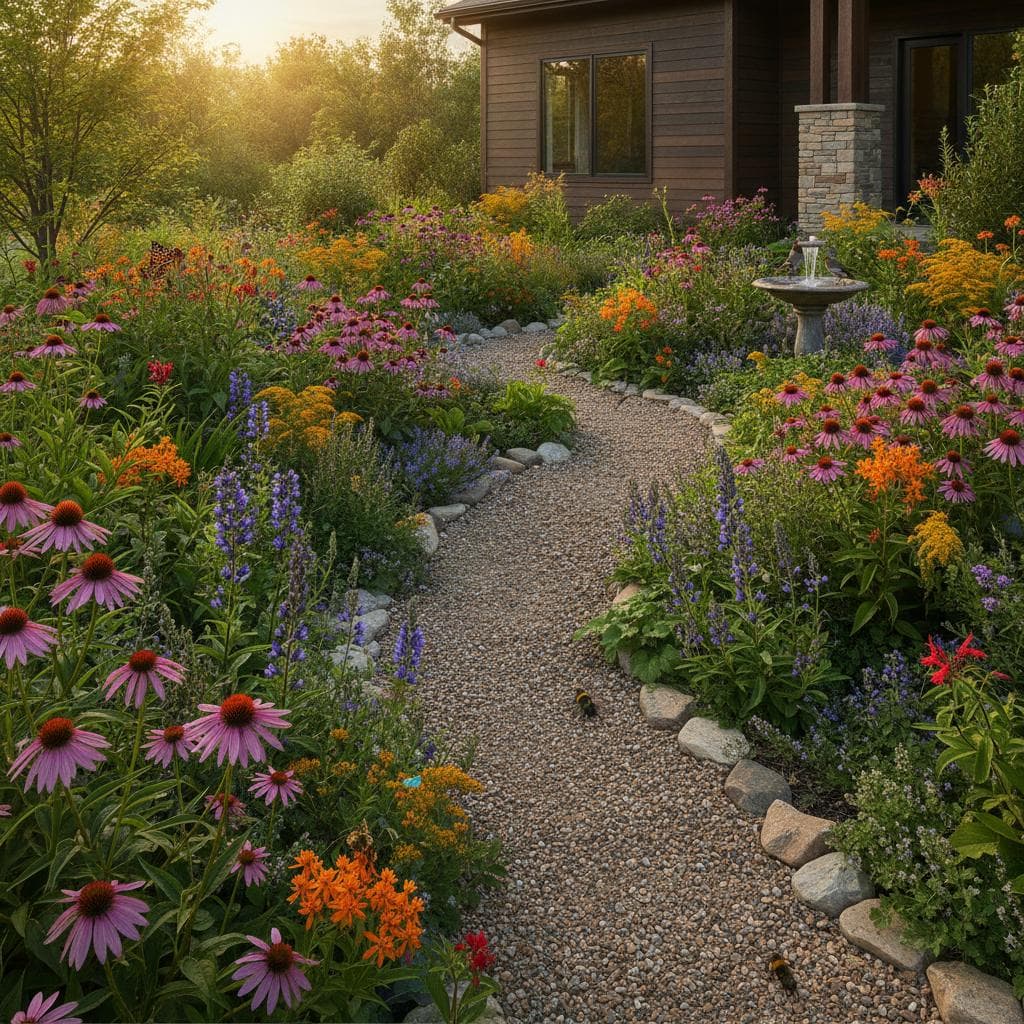
- Lush plantings: Combine perennials like catmint, foxglove, and phlox with climbers such as roses or clematis. Incorporate annuals for vibrant seasonal displays.
- Textural variety: Blend feathery ferns, glossy hostas, spiky salvia, and billowy ornamental grasses to create dynamic surfaces.
- Mix of old and new: Integrate vintage pottery alongside modern planters. Position a traditional white wooden bench near a sleek metal bistro set.
- Sentimental accents: Include birdbaths, stone figurines, or repurposed watering cans as planters to infuse personality.
The forgiving nature of this design shines through. If a plant underperforms, others naturally compensate. Slight color mismatches enhance the overall charm.
The Staten Island Test
Implementing this style began modestly in a compact Staten Island backyard with variable soil. A struggling lawn patch gave way to native wildflowers and herbs, complemented by hydrangea bushes along the fence. The transformation infused the space with life.
The initial summer brought minor chaos, as zinnias encroached on lavender and morning glories weighted the trellis. Yet, these quirks amplified the appeal. Visitors remarked that the garden resembled a storybook scene, highlighting the inviting essence of the grandmillennial method.
How to Create a Grandmillennial Garden of Your Own
Creating this garden requires no vast property or lavish spending, only an openness to layers, nostalgia, and gentle disorder. Follow these steps to begin.
1. Choose Your Palette
Opt for soft, romantic hues like blush pinks, lavender, creamy whites, and subtle greens. Introduce accents of coral or deep purple for interest. Aim for cohesive harmony rather than strict matching.
2. Focus on Classic Plants
Select flowers that convey timeless elegance. Recommended options include:
- Peonies for lush blooms.
- Roses, particularly climbing or English varieties, for vertical drama.
- Lavender for fragrance and pollinator appeal.
- Foxgloves for spires of color.
- Delphiniums for bold height.
- Hydrangeas for fluffy clusters.
- Sweet peas for delicate scent.
- Snapdragons for vertical accents.
Pair these with aromatic herbs like rosemary and thyme to enhance texture and utility.
3. Add Vintage or Sentimental Decor
Infuse narrative through personal items. Repurpose a grandmother's teacup as a succulent holder or incorporate a flea market metal chair. Such elements weave history into the landscape.
4. Create Cozy Seating Areas
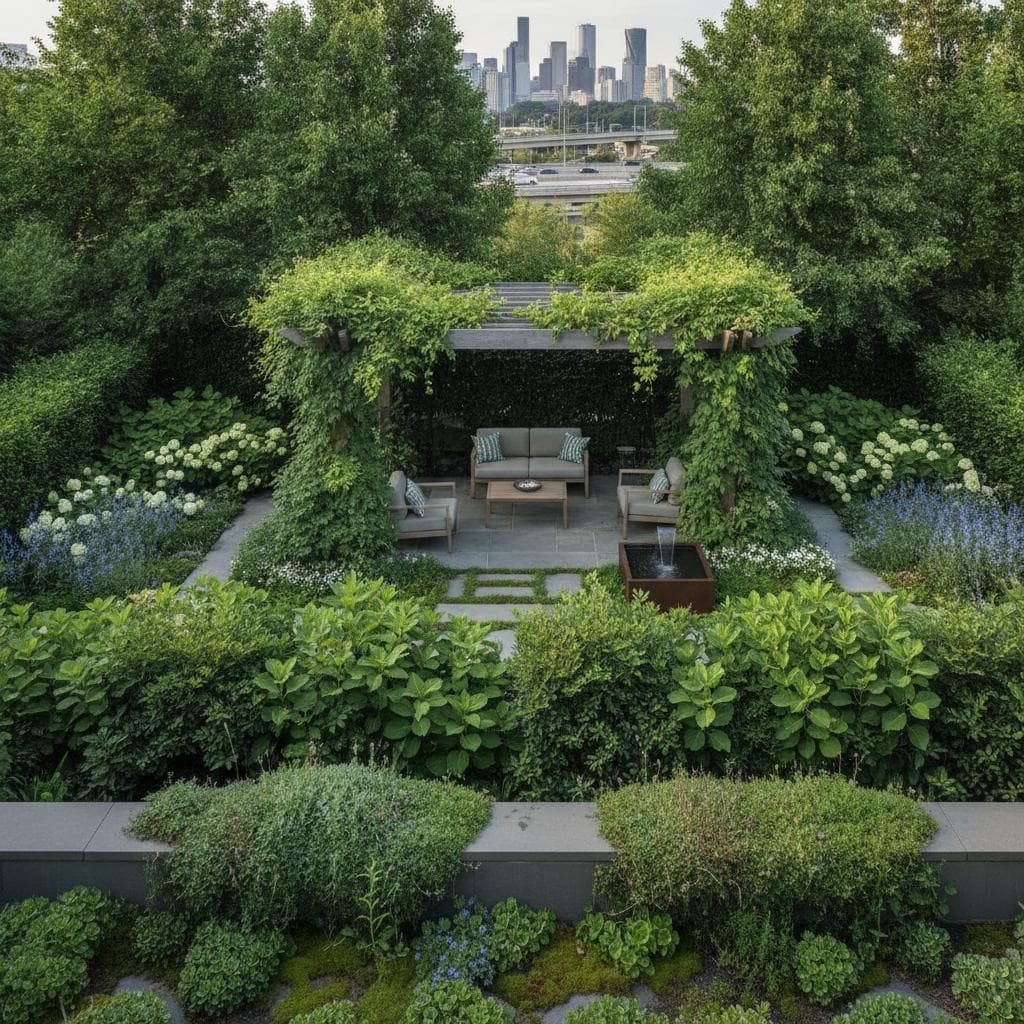
Design for active use with a café table, cushioned bench, or hammock amid foliage. These spots encourage relaxation. Surrounded by buzzing bees and lilac scents, such areas transform routine tasks into serene moments.
5. Layer Your Plantings
Arrange in tiers for depth: tall flowers at the rear, mid-height plants centrally, and trailing varieties along edges. This technique amplifies abundance in limited spaces.
6. Let Imperfection Be Part of the Plan
Resist the urge to symmetrize every bed. A tilted trellis or unexpected daisy cluster adds authenticity. This philosophy allows the garden to evolve organically.
Why It Works for Modern Lifestyles
Despite their vintage appearance, grandmillennial gardens align with current demands. They offer urban and suburban dwellers an escape, fostering tactile connections that counter digital overload.
Practically, perennials return annually with minimal intervention. Layered plantings improve soil health and conserve water by shading the earth and minimizing evaporation.
Harvesting fresh blooms for indoor arrangements elevates daily routines, turning simple coffee breaks into indulgent rituals.
The Emotional Pull of Nostalgic Landscaping
Reflections on a grandmother's modest garden, with its marigolds, tomatoes, and enduring rosebush, underscore the shift from uniformity. Modern garden centers often prioritize identical shrubs and even mulch over character.
Grandmillennial designs restore emotional depth. Planting lilac for childhood memories or suspending parental wind chimes crafts a dynamic archive. This personal investment elevates the space beyond aesthetics.
The Cottage Connection
This aesthetic echoes cottage garden principles of abundance and expression. However, grandmillennial versions introduce refinement, such as edged paths through floral profusion or urns beside trimmed boxwoods.
The interplay of order and whimsy maintains vitality. Curated yet relaxed gardens in this style remain engaging across seasons.
Making It Work in Different Spaces
Adaptability suits varied environments.
- Balcony gardens: Employ stacked containers with herbs, trailing blooms, and vines for vertical interest.
- Front stoops: Enhance with potted hydrangeas, a painted bench, and patterned cushions.
- Community plots: Blend flowers with nostalgic items like vintage watering cans or floral flags.
A window box of petunias, ivy, and sweet alyssum captures the essence in minimal area.
A Garden That Feels Like Home
Beloved spaces reflect personal narratives. Grandmillennial gardens achieve this by welcoming flaws, honoring recollections, and ritualizing care.
Evenings spent outdoors with family, amid climbing roses and distant city sounds, affirm the rightness of such designs. Alive and adaptive, they embody personality over polish.
Living with Your Design
Post-establishment, observe seasonal shifts and plant performance. Adjust as favorites emerge or others fade.
This garden evolves alongside life changes, tastes, and habits. For those seeking a yard that resonates personally and warmly, this approach delivers enduring fulfillment.