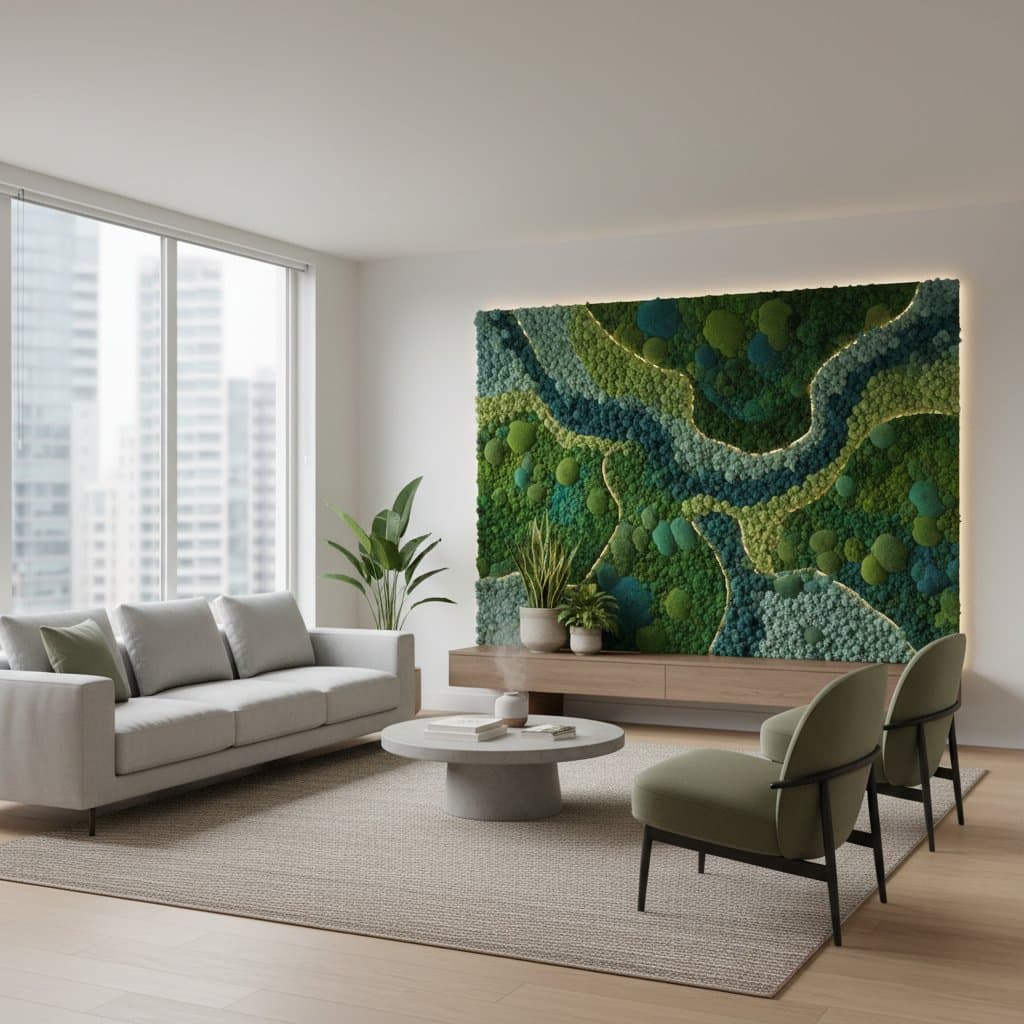
Cost Range: $150 to $1,200, influenced by scale, plant choices, and structural needs.
This project suits individuals with a passion for horticulture and minor building tasks. Begin with a modest shrub border or advance to a purpose-built green wall. Success hinges on aligning plant selection with acoustic principles, such as prioritizing thickness and texture over mere height.
Deciding Between DIY and Professional Assistance
Ground-based options like hedges or raised beds lend themselves to DIY execution using standard tools. These require no advanced skills beyond soil preparation and planting. However, vertical living walls demand secure mounting and integrated watering systems, which may necessitate expert input to avoid structural risks or water issues.
Consult a landscaper for wall-attached projects, especially on masonry or wood surfaces. Engineers can verify load-bearing capacity if the setup exceeds 50 pounds per square foot when saturated. For simpler configurations, homeowners achieve reliable results independently, provided they allow time for plants to mature and fill spaces.
Essential Materials and Tools
- Evergreen shrubs such as arborvitae, juniper, or holly for persistent coverage.
- Vines including English ivy, climbing jasmine, or creeping fig to envelop structures.
- Nutrient-rich compost and well-draining soil mix.
- Organic mulch like shredded bark for moisture retention and added sound dampening.
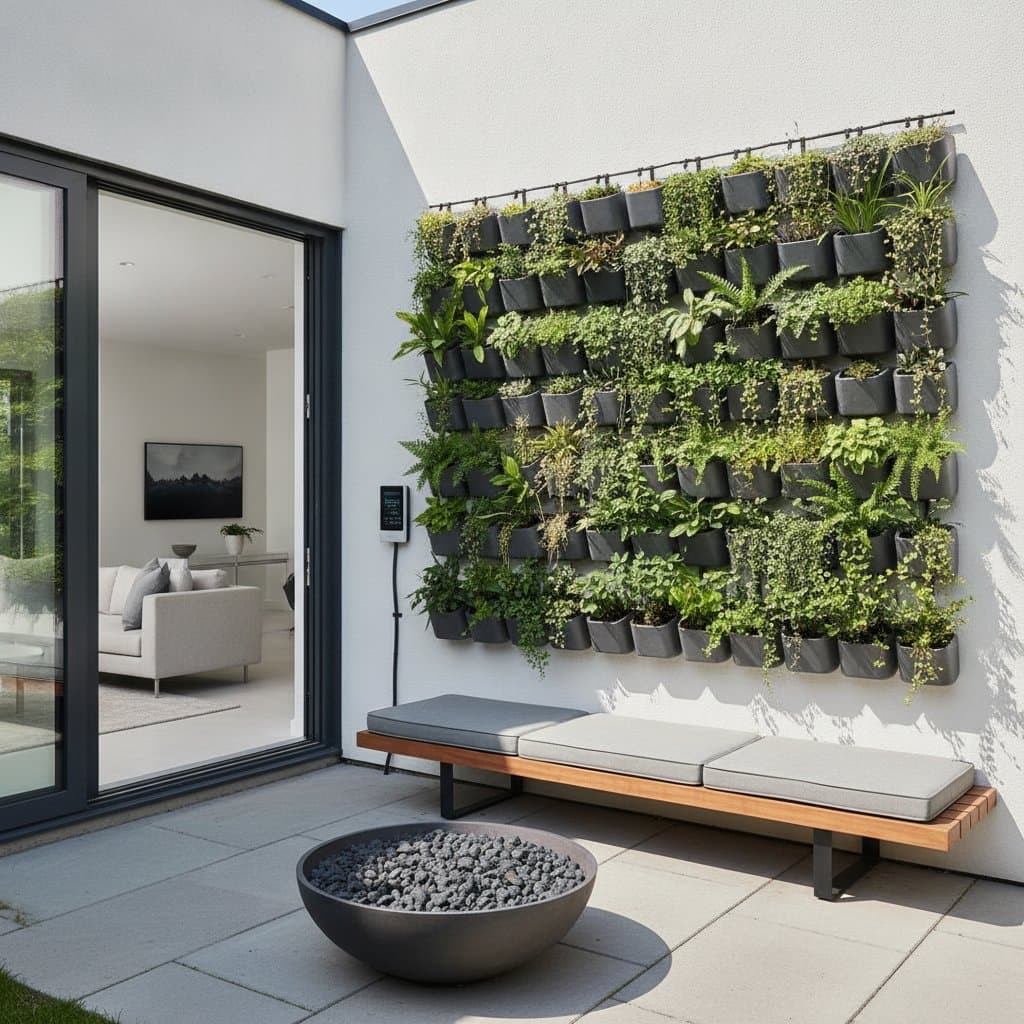
- Modular planters or trellises for vertical elements.
- Automated drip irrigation or soaker hoses for efficient watering.
Recommended Tools:
- Shovel, trowel, and post-hole digger for soil work.
- Pruning shears and loppers for shaping.
- Measuring tape, level, and stakes for precise layout.
- Drill with bits suited to your surface, plus heavy-duty anchors.
- Watering equipment including hoses and timers.
Select plants adapted to your region's USDA hardiness zone to ensure vitality. For example, in temperate climates, pair junipers with ferns for complementary absorption: the former blocks wind and low tones, while the latter captures mid-range frequencies through their fronds.
Detailed Installation Guide
Step 1: Evaluate Noise Origins
Pinpoint primary sound sources using a simple observation period. For highway clamor, orient plantings perpendicular to the flow, forming barriers 1 to 2 meters high. Property-line disturbances benefit from boundary-focused clusters. Measure distances and angles to position interruptions directly in sound paths, maximizing interception.
Step 2: Design Layered Configurations
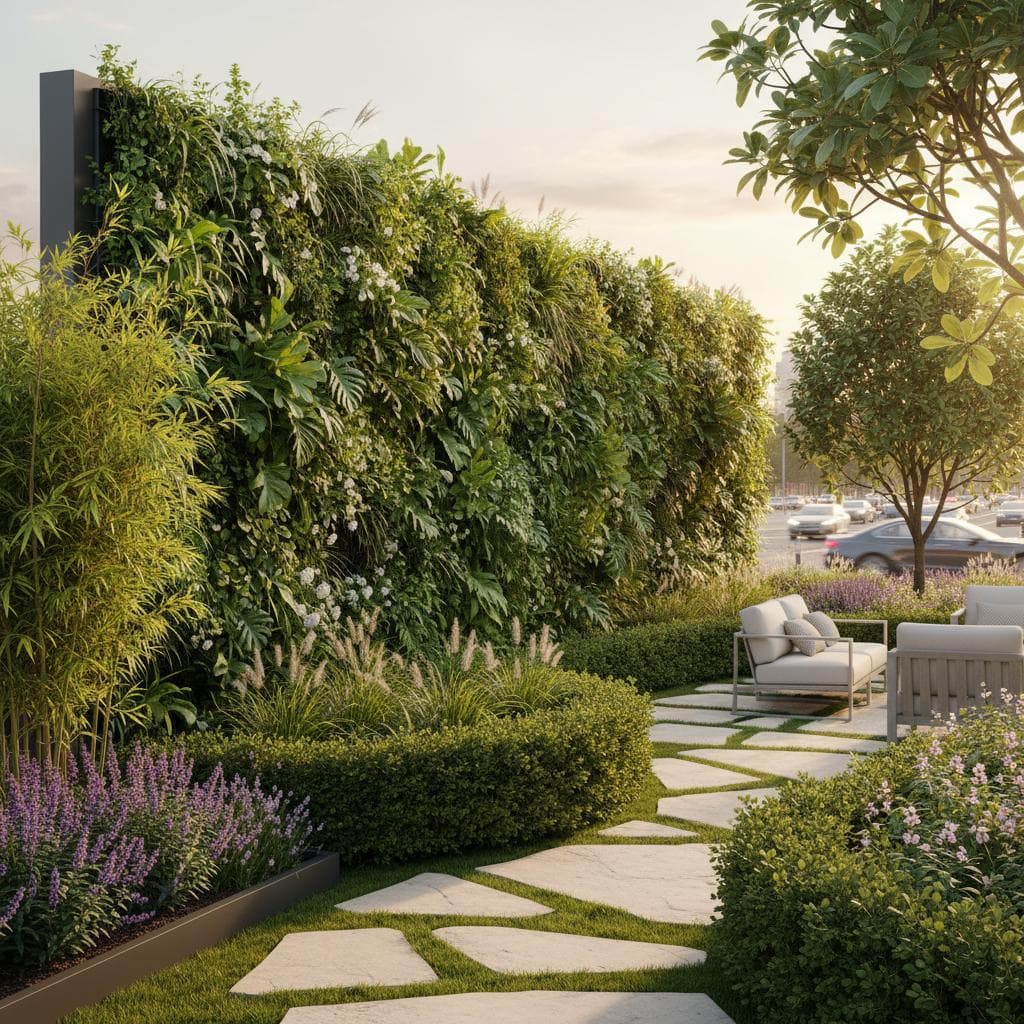
Incorporate at least two tiers for comprehensive coverage. Position tall shrubs or dwarf trees as the frontline, followed by mid-level perennials and low ground covers. Vertical walls require modular grids filled with a diversity of foliage types—aim for 70 percent evergreen to maintain winter efficacy. Sketch layouts on graph paper, factoring in mature plant sizes to prevent overlaps or voids.
Step 3: Optimize Soil Conditions
Conduct a soil test to adjust pH toward neutral (6.0 to 7.0) for robust growth. Amend with 20 to 30 percent compost, tilling to a depth of 12 inches. Ensure slopes drain excess water; install French drains if the site holds moisture. Vigorous roots in aerated soil promote bushy tops that enhance acoustic density.
Step 4: Construct Support Systems
For freestanding elements, erect trellises 6 to 8 feet tall using pressure-treated lumber. Secure wall-mounted frames with lag bolts spaced every 16 inches, verifying plumb with a level. Integrate irrigation lines along the top, positioning emitters to deliver 1 inch of water weekly. Test the assembly under load before planting.
Step 5: Execute Planting with Precision
Dig holes twice the root ball width, planting at the same depth as nursery pots. Space shrubs 18 to 24 inches apart for shrubs to interlock foliage within one growing season. In vertical pockets, insert plugs densely, varying heights for an undulating profile that disrupts sound reflection. Water immediately to settle soil and eliminate air pockets.
Step 6: Apply Mulch and Initiate Care
Spread a 2- to 3-inch mulch layer, keeping it 2 inches from stems to deter rot. Soak the area deeply post-planting, then transition to consistent schedules based on weather—daily for the first two weeks, tapering to bi-weekly. Monitor for wilting and adjust as roots establish.
Step 7: Implement Ongoing Upkeep
Prune selectively in late winter to encourage branching without creating gaps. Apply balanced fertilizer in spring and mid-summer at half-strength to fuel leaf production. Scout for pests weekly; treat organically to preserve the ecosystem. Annual inspections confirm structural integrity and coverage uniformity.
Measuring Effectiveness and Refinements
Assess results by comparing pre- and post-installation noise levels with a smartphone decibel meter app. Target reductions of 5 to 10 decibels for conversational ease. If echoes persist, thicken underperforming areas with additional plantings or textured backings like woven reed panels.
Steer clear of deciduous-only schemes in cold zones, as leafless periods diminish performance. Pair greenery with absorbent substrates, such as cork sheets behind vines, to boost mid-frequency capture. Regular evaluations guide iterative improvements, ensuring sustained quietude.
Cost-Effective Strategies
Commence with a 10-foot hedge using nursery pots under $20 each, totaling under $200 for materials. Scale up gradually, sourcing vines from cuttings to cut expenses. Repurpose shipping pallets for frames, lining them with landscape fabric and sealing against decay—yields professional results for half the price of commercial kits.
Bulk purchasing soil amendments from local suppliers saves 20 to 30 percent. Opt for native plants to minimize watering needs and long-term costs, fostering resilience without imported species.
Ensuring Durability and Expansion
Mature acoustic gardens outperform new ones, with full canopies forming after 2 to 3 years. Water deeply but infrequently to build drought tolerance; mulch annually to suppress weeds and conserve resources. Vertical systems warrant semi-annual checks for corrosion or clogs, replacing 5 to 10 percent of plants yearly to sustain vigor.
Expand by integrating sensory elements: bird feeders draw species that contribute natural soundscapes, while pollinator-friendly blooms amplify ecological value. Over time, these spaces evolve into self-sustaining havens that blend silence with subtle life.
Advanced Techniques for Enhanced Results
- Blend leaf morphologies: Pair needle-like evergreens with palmate perennials to address a broad sound spectrum.
- Incorporate water elements: Position bubblers amid plantings to generate soothing ambient noise that overlays intrusions.
- Deploy dual hedges: Space parallel rows 3 feet apart, filling the corridor with ferns for compounded absorption.
- Orient strategically: Angle denser foliage toward noise vectors, using stakes to train growth patterns.
- Select acoustic mulches: Layer wood chips over soil to attenuate ground-transmitted vibrations.
Building Enduring Tranquility
Acoustic gardens transform disruptive environments into serene extensions of home. Through deliberate design and care, they deliver persistent noise mitigation alongside visual and environmental gains. Invest in these living solutions for outdoor spaces that nurture peace for years to come.