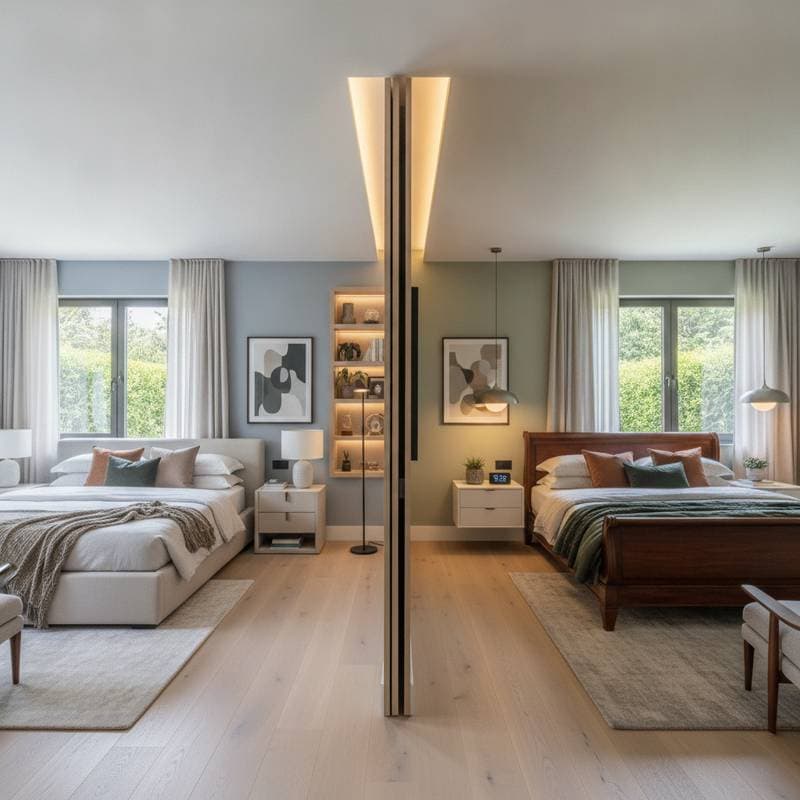
Color-Blocking Bedrooms: The Rise of Dopamine Decor
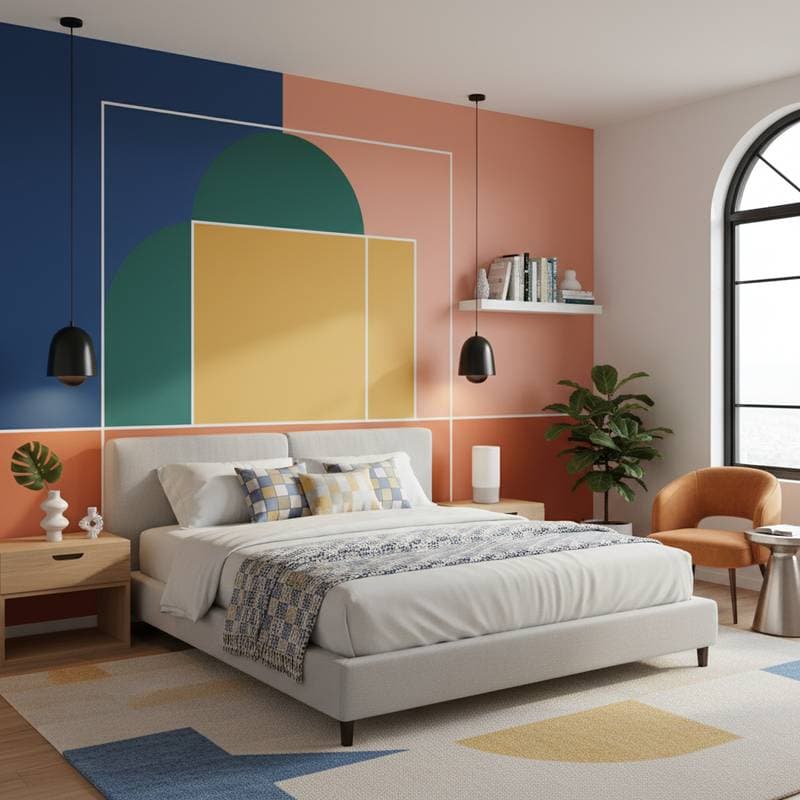
Recent trends in interior design reveal a clear departure from subdued white and neutral bedrooms toward more dynamic expressions. Color-blocking, a method traditionally employed by professional stylists and set designers, now influences everyday home aesthetics. This approach forms the cornerstone of dopamine decor, which emphasizes color choices that evoke positive emotions and personal vitality over restrained minimalism.
The appeal of this style lies in its ability to enhance well-being within living spaces. Following an era dominated by beige and gray tones, individuals seek environments that actively support mental elevation. Effective color-blocking combines disciplined structure with playful elements, yet success demands careful consideration to avoid visual disorder. Understanding the principles behind this technique equips homeowners to implement it confidently.
Defining Color-Blocking in Bedroom Design
Essential Planning for Your Color Palette
Begin the process by identifying the desired emotional atmosphere for the bedroom. Dopamine decor prioritizes psychological impact, where vibrant oranges ignite enthusiasm, serene lavenders promote relaxation, and earthy teals offer renewal. Limit selections to two or three primary colors to prevent overwhelming the senses and maintain serenity.
Gather these tools for execution:
- High-quality painter's tape featuring low-tack adhesive to protect surfaces
- Angled sash brushes for crisp edge definition
- Multiple mini-rollers suited to different paint viscosities for efficient coverage
- A spirit level, drafting pencil, and retractable measuring tape for accurate layouts
Develop a preliminary sketch to visualize divisions, incorporating room measurements and existing features like headboards or artwork. For horizontal splits, align the demarcation at approximately two-thirds wall height to complement furniture proportions. This preparatory rigor distinguishes refined outcomes from unintended errors.
Consider natural light influences as well; south-facing rooms accommodate deeper saturations, while north-facing spaces benefit from warmer undertones to counteract cooler ambient tones. Testing sample swatches in situ during various times of day confirms harmony with the overall environment.
Step-by-Step Guide to Applying Color Blocks
-
Prepare the walls meticulously. Remove dust and debris with a mild cleaner, repair imperfections with spackle, and sand surfaces to a uniform finish. Apply a high-adhesion primer over existing dark colors to ensure even absorption and prevent show-through.
-
Outline divisions precisely. Employ the level to draw guidelines with light pencil strokes, then secure painter's tape along these paths, burnishing edges with a plastic card for a tight seal.
-
Apply colors sequentially. Initiate with the lightest hue to minimize bleed risks from subsequent layers. Use the angled brush for edges and rollers for broad areas, allowing full drying between coats as specified by the paint manufacturer.
-
Remove tape judiciously. Lift it at a 45-degree angle immediately after the paint reaches a semi-dry state, preserving sharp lines without chipping.
-
Refine and inspect. Address any imperfections with fine-tipped brushes, stepping back frequently to evaluate overall symmetry and flow.
Patience proves crucial throughout; rushed drying intervals invite lifting or uneven adhesion. Professional-grade paints with extended open times facilitate smoother transitions, yielding results comparable to custom installations.
Avoiding Pitfalls in Color-Blocking Execution
A frequent error involves disregarding scale and balance, where excessive bold colors dominate compact bedrooms, creating a sense of constriction. Position intense shades lower on walls to anchor the composition, reserving pastels or lights for upper expanses and ceilings to preserve airiness.
Inadequate taping materials often lead to seepage, compromising the geometric integrity. Invest in premium, residue-free options designed for multi-color projects; the initial cost offsets potential rework expenses.
Overlooking furniture integration can further disrupt cohesion. Select pieces that echo or complement the palette, such as upholstery in a blocking hue, to unify the space rather than compete with it.
Engaging Professionals for Complex Designs
For advanced configurations involving angular patterns, mural-scale divisions, or ceiling integrations, consult a specialist in decorative painting. Mastery of techniques like freehand masking or airbrushing around fixtures demands experience that ensures flawless execution without compromising structural elements.
Advanced Strategies for Lasting Impact
Incorporate a grounding neutral, such as crisp linens or oak accents, to temper vibrancy and provide visual respite. Echo a focal color through accessories like ceramic vases, framed prints, or rug borders to reinforce thematic continuity.
Opt for eggshell or matte sheens, which camouflage subtle application variances better than glossy alternatives, enhancing perceived professionalism.
Should preferences evolve, a targeted primer application facilitates straightforward repainting, restoring versatility without extensive labor.
Transforming Your Bedroom into a Vibrant Retreat
Implementing color-blocking elevates the bedroom from a mere sleeping quarters to a personalized haven that nurtures daily rejuvenation. This deliberate infusion of color not only counters the monotony of past neutral trends but also aligns with evolving desires for spaces that reflect individual spirit. With structured planning and precise techniques, homeowners achieve enduring designs that boost mood and inspire ongoing enjoyment.