Understanding Dopamine Decor
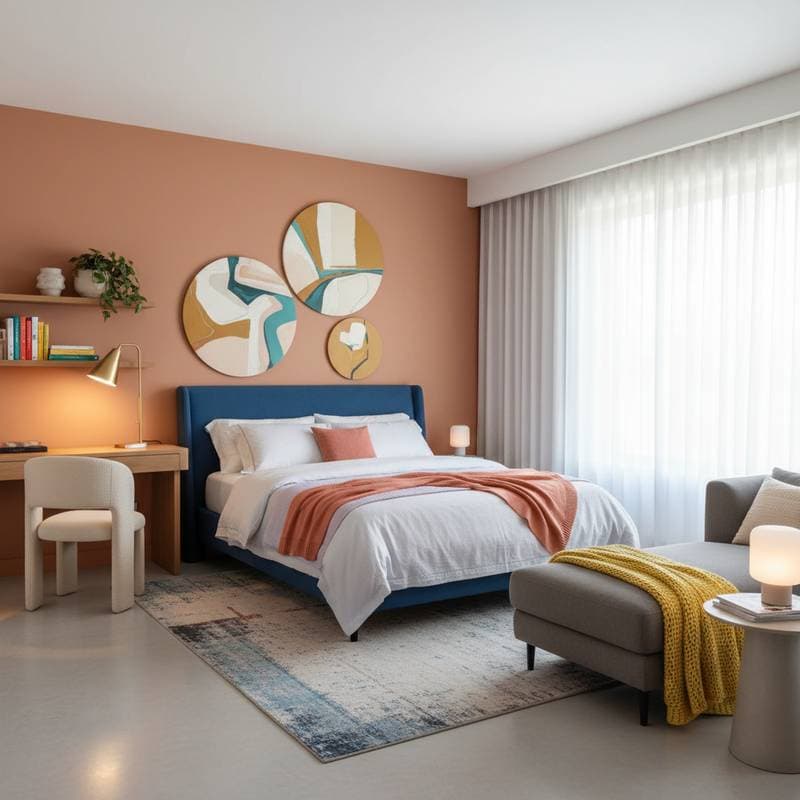
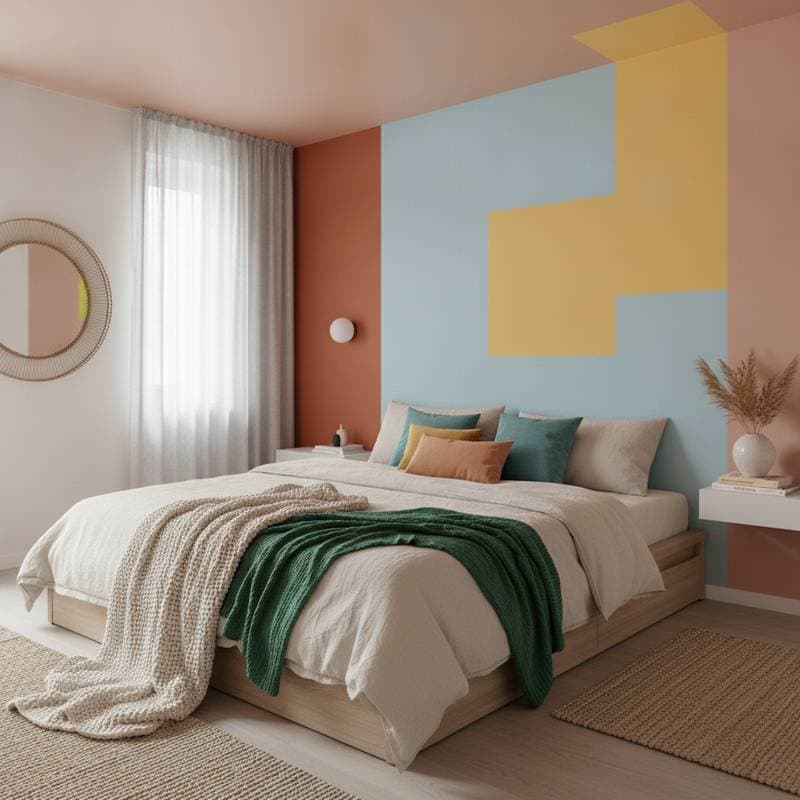
Dopamine decor leverages color psychology to evoke energy, optimism, and satisfaction. In bedrooms, these elements influence mood regulation, sleep quality, and morning motivation. Select warm, saturated colors like coral, sunflower yellow, and peacock blue, then balance them with grounding neutrals to avoid overstimulation.
Layer tones with varied textures to sustain a calm, uplifting environment. Consider how lighting and material finishes alter color perception in daily use. This approach ensures the space supports both activity and relaxation.
The Science Behind Dopamine Colors
Dopamine decor draws from the brain's reward system, where dopamine acts as a neurotransmitter linked to pleasure, motivation, and focus. Positive sensory inputs, such as vibrant colors, elevate dopamine levels and enhance overall well-being. Colors engage vision, emotion, and memory, making them a powerful tool for environmental influence.
Evaluating Your Bedroom Space
Begin by analyzing natural light patterns in your bedroom. Spaces with ample sunlight tolerate deeper shades, whereas low-light areas suit lighter, reflective options. Align choices with personal emotional patterns; for instance, opt for invigorating tones if mornings feel lethargic, or calming ones for high-stress periods.
Review fixed elements like furniture, flooring, and fabrics to ensure harmony. Apply paint samples to several wall areas and observe them across morning, afternoon, and evening light. This testing reveals true color behavior and prevents mismatched results.
Preparing for Your Color Transformation
Essential Tools and Materials
- Paint samples in target hues and a neutral primer
- High-quality brushes, rollers, and extension poles for even application
- Painter's tape, drop cloths, and edging tools
- Base coats in soft neutrals for foundational balance
- Accent items including pillows, throws, rugs, and curtains
Prioritizing Safety
Select low-VOC or zero-VOC paints to safeguard indoor air quality. Ensure proper ventilation by opening windows during and after painting. Allow full drying periods, ideally 24 to 48 hours, before resuming regular use of the room.
Managing Budget Effectively
Achieve impactful results without a complete overhaul by targeting one or two feature walls. Introduce bold colors via removable accessories like bedding or wall art. This method minimizes expenses and simplifies future adjustments.
Step-by-Step Implementation
-
Choose an Anchor Hue. Identify a color that matches your emotional goals. Coral infuses warmth and sociable energy, sunflower yellow fosters optimism and clarity, while peacock blue encourages creative concentration.
-
Build Balance with Neutrals. Complement the anchor with shades like creamy white, soft gray, or warm beige. These foundations mitigate intensity and preserve the room's restful essence.
-
Layer the Application. Apply the neutral base coat first and let it cure fully. Follow with accent colors on focal walls or select furniture, using techniques like sponging for subtle depth.
-
Integrate Textures Thoughtfully. Incorporate materials such as velvet for richness or linen for softness to temper bold colors. Diverse textures guide the eye gently and enrich sensory appeal.
-
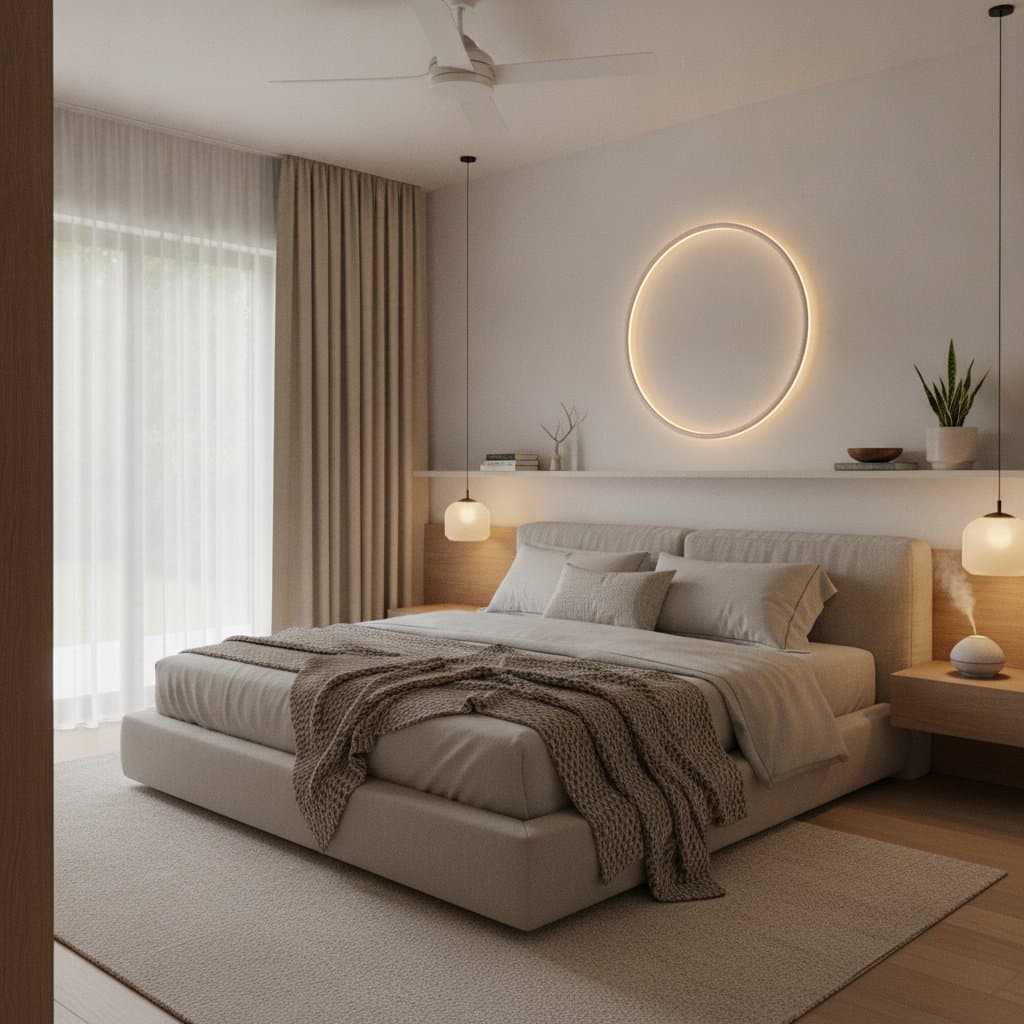
Fine-Tune Lighting. Install warm-toned LED bulbs to intensify color vibrancy without harshness. Blend ambient fixtures for relaxation with adjustable task lights for versatile daily needs.
Ensuring a Flawless Finish
Once dry, evaluate the room under varied lighting from dawn to dusk. Colors should energize without overwhelming; if needed, introduce neutral frames or wooden elements to soften edges. For subdued effects, amplify with geometric patterns or subtle metallics in textiles.
Verify smooth transitions between surfaces, free of streaks or inconsistencies. Confirm uniform sheen levels across walls and accents. A polished execution amplifies psychological rewards by promoting order and tranquility.
Expert Strategies for Lasting Impact
- Ease into bold colors by starting with small items like lampshades or duvet covers, then expand to walls as confidence grows.
- Blend warm and cool tones for harmony; try coral details alongside sage green linens for grounded vitality.
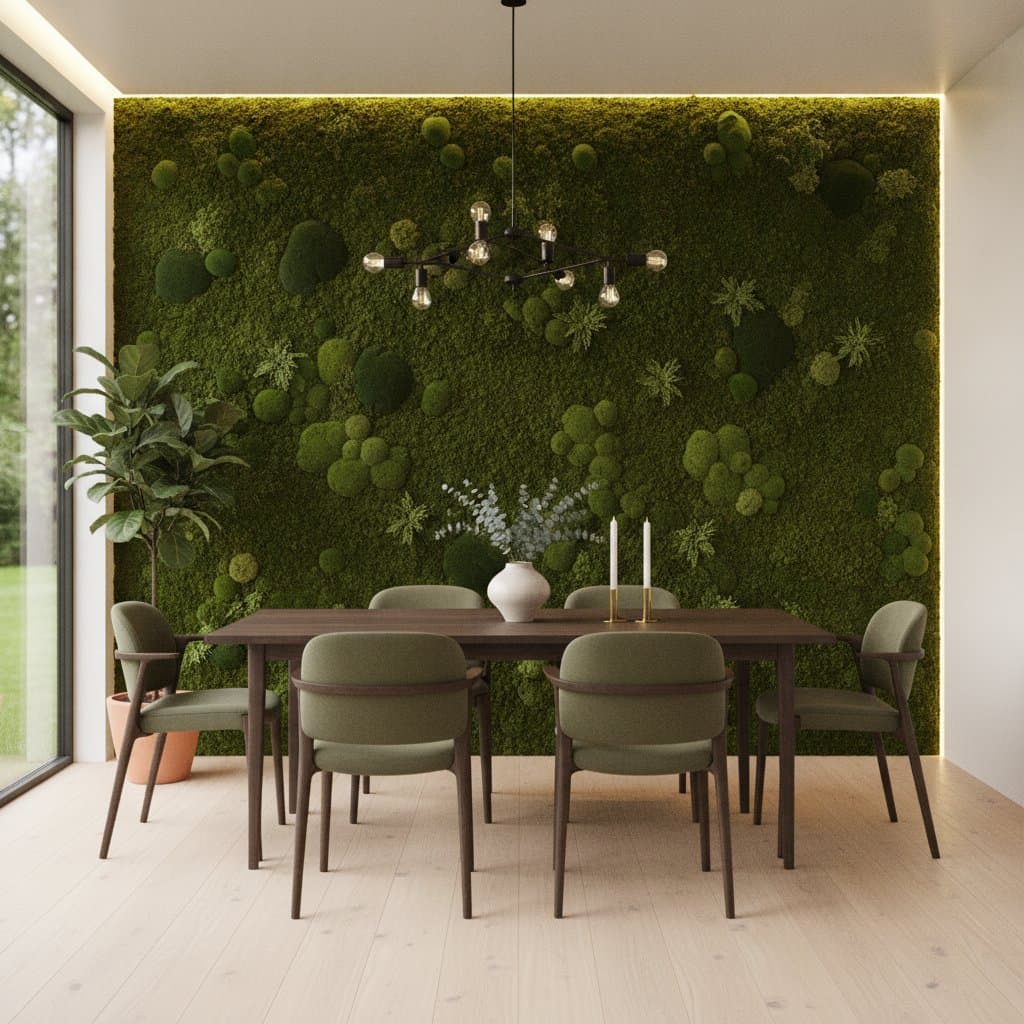
- Add houseplants to stabilize moods, as their organic forms refresh bold palettes and purify air.
- Eliminate excess items to let colors shine; organized spaces amplify the invigorating qualities of dopamine design.
Sustaining Your Bedroom's Vitality
Maintain vibrancy by wiping walls gently with a damp cloth to clear dust buildup. Refresh textiles seasonally to preserve the palette's lively character. Regular care ensures the space continues to nurture joy and peace.
A thoughtfully designed bedroom with dopamine colors becomes a daily source of renewal. Through precise selection, balanced execution, and ongoing attention, it delivers sustained energy alongside profound rest.