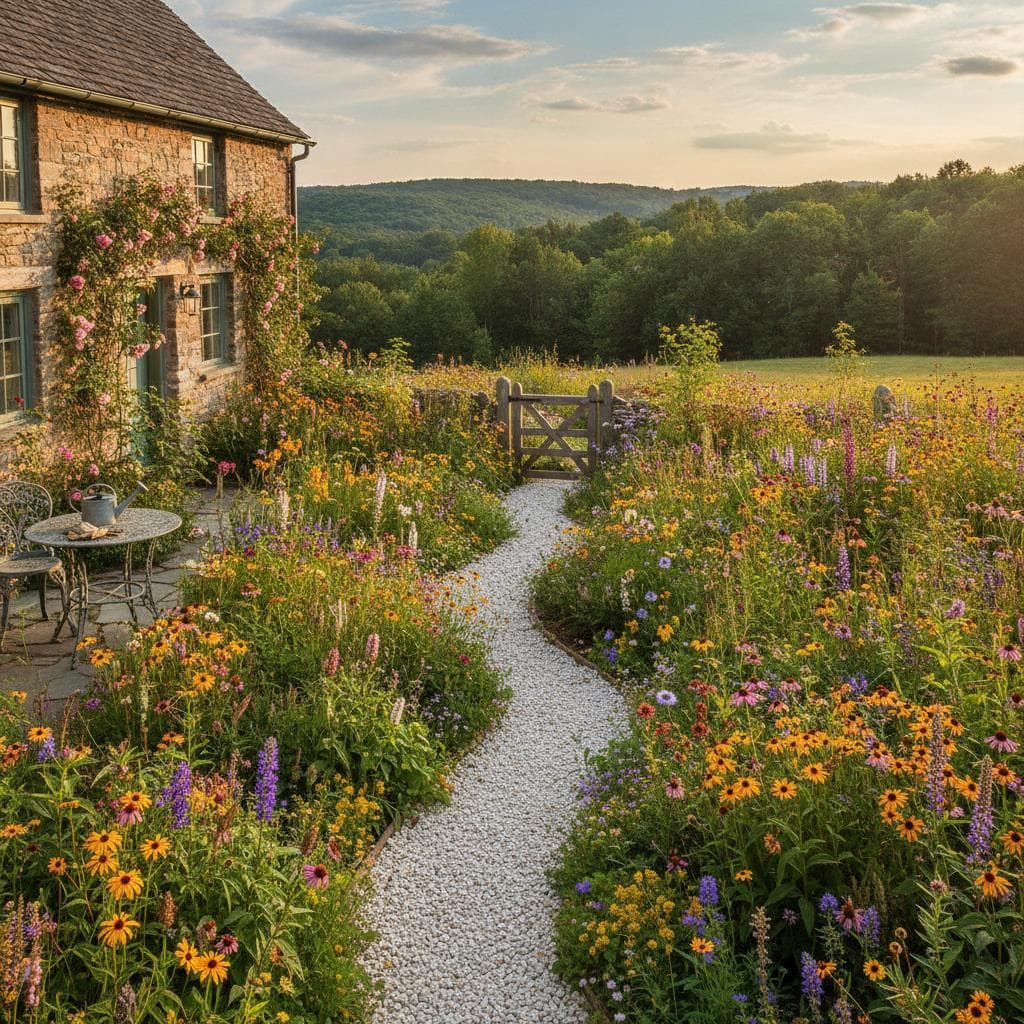
Living Sound Barriers: Harness Acoustic Plants for Peaceful Outdoor Spaces
Key Points
- Dense, leafy plants serve as effective natural absorbers and deflectors of unwanted noise from traffic, neighbors, or urban environments.
- These barriers offer a cost-effective alternative to traditional fences, requiring no heavy construction or permits in most residential settings.
- Suitable for beginners with basic gardening knowledge, they promote sustainability through improved air filtration and biodiversity.
- Optimal performance relies on careful selection of plant species, strategic placement, and maintenance to ensure year-round density.
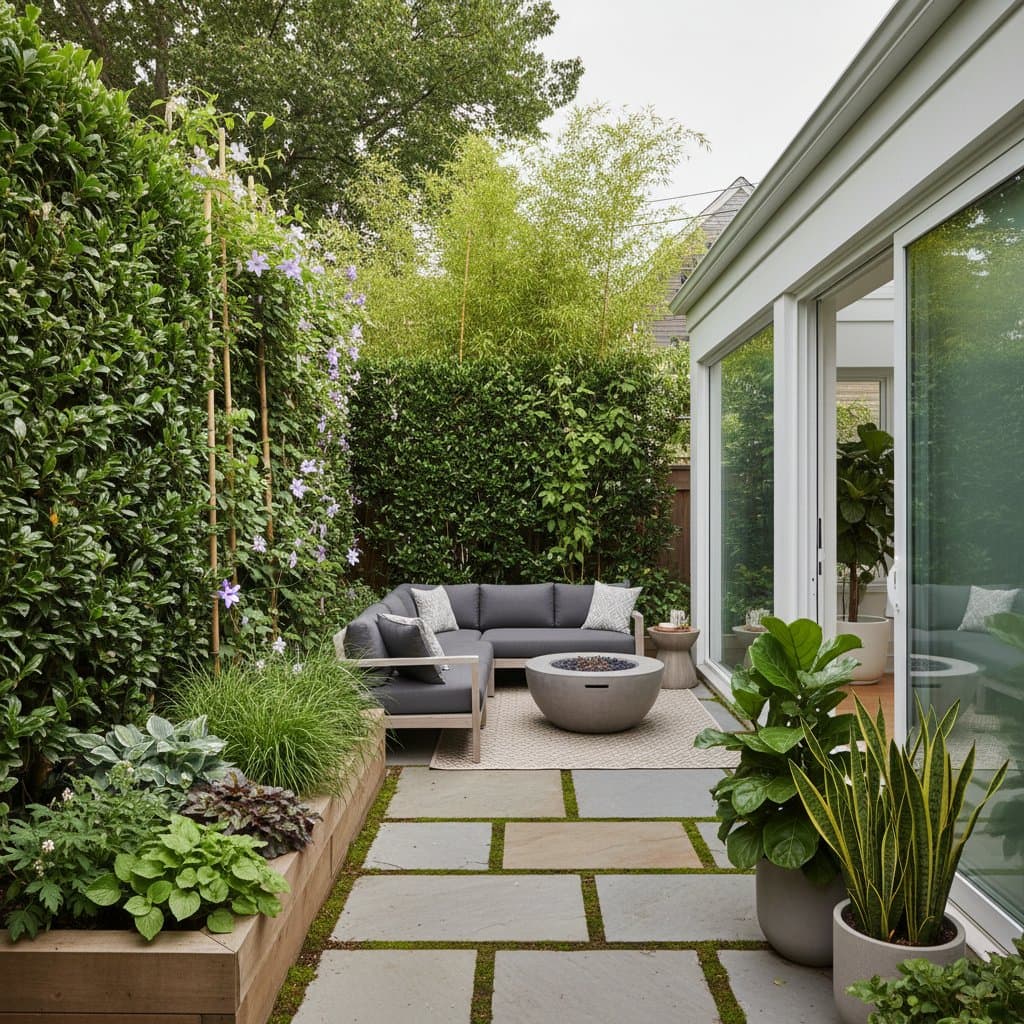
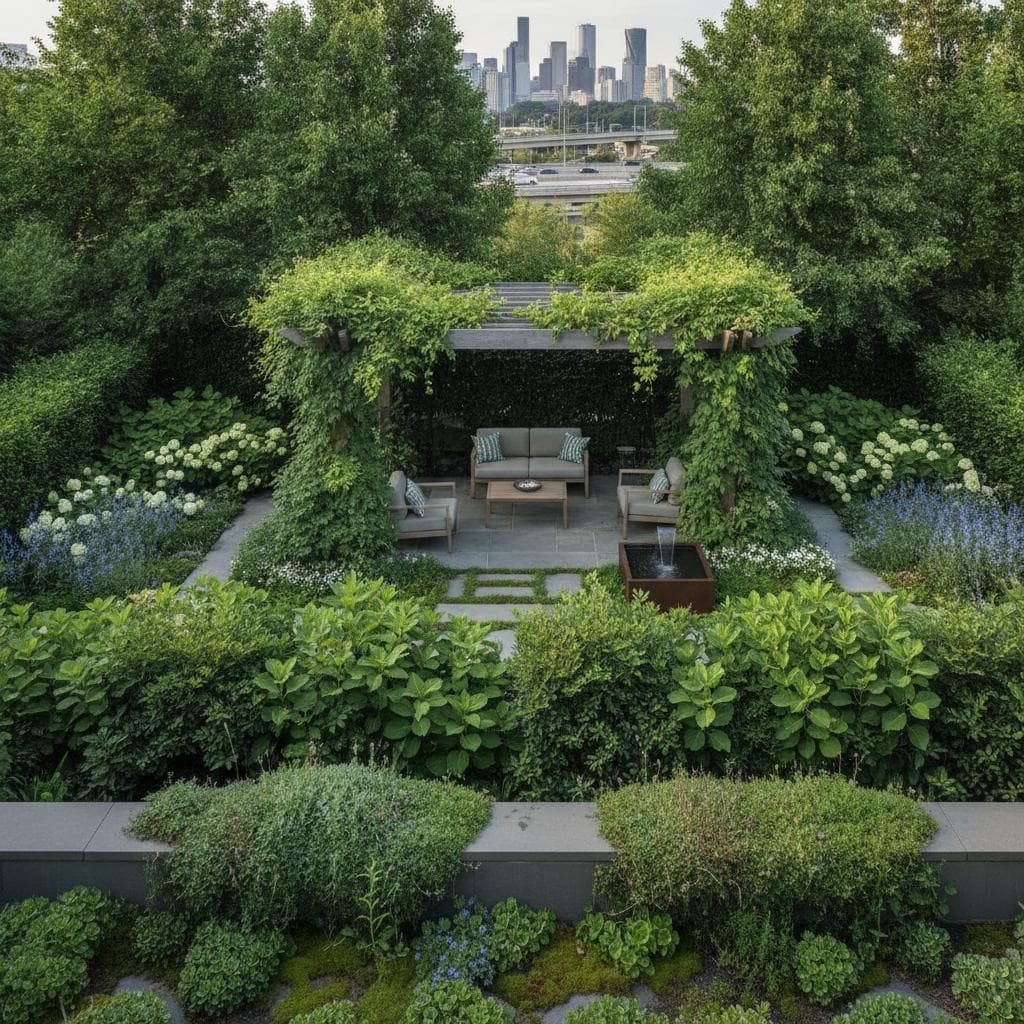
Urban noise erodes quality of life, yet solutions exist that integrate seamlessly with your landscape. Acoustic plants form living sound barriers that mitigate these disturbances while enhancing aesthetic appeal. Homeowners achieve up to 50 percent noise reduction with proper implementation, creating serene environments that support well-being.
Project Overview
When to DIY or Engage Professionals
Most homeowners manage this project independently if they possess comfort with outdoor labor such as digging and planting. Basic tasks like soil tilling and irrigation setup fall within reach for those with limited experience. However, consult a landscaper for complex sites featuring poor drainage, rocky terrain, or expansive areas requiring machinery.
Professionals excel in crafting layered designs that maximize sound diffusion through varied plant heights and textures. Opt for DIY in compact yards targeting straightforward hedges. Larger installations or those near property lines benefit from expert oversight to comply with local regulations and optimize acoustics.
Materials and Tools
Materials:
- Evergreen shrubs like arborvitae, which reach 10 to 15 feet tall with thick foliage, or compact boxwood for lower profiles.
- Ornamental grasses such as miscanthus or switchgrass, growing rapidly to 6 feet for added density.
- Organic compost and mulch to enrich soil and conserve moisture.
- Permeable landscape fabric to prevent weed intrusion without blocking water flow.
- Drip irrigation tubing or soaker hoses for efficient watering.
Tools:
- Sturdy shovel and rake for soil preparation.
- Sharp pruning shears for trimming during installation.
- Wheelbarrow to transport materials.
- Measuring tape, string, and stakes to outline planting rows.
- Gardening gloves and safety glasses for protection.
Source plants from reputable nurseries to ensure healthy stock. Select bare-root options for savings, noting they establish slower than potted varieties but yield fuller growth over time.
Step-by-Step Process
1. Assess Your Noise Source
Identify the primary noise origins, such as highway traffic at ground level or rooftop HVAC systems. Measure the distance and intensity to determine barrier height, aiming for plants that exceed the sound path by at least 2 feet. Consider prevailing winds, as they influence noise direction and plant suitability.
2. Plan Your Layout
Sketch the barrier path on paper or use garden software for visualization. Position plants in staggered double rows, spacing evergreens 3 to 5 feet apart and grasses 2 to 4 feet to foster interlocking canopies. Account for mature sizes to avoid overcrowding, ensuring the wall aligns perpendicular to the noise vector for superior blocking.
3. Prepare the Soil
Test soil pH and texture; most acoustic plants thrive in neutral to slightly acidic conditions. Till the top 12 inches, incorporating 2 to 3 inches of compost per square yard to boost nutrient retention. For clay-heavy soils, add sand or gypsum to enhance drainage, preventing root rot that compromises plant vigor.
4. Plant and Water Thoroughly
Dig holes twice the width of root balls, positioning plants at the same depth as in their containers. Backfill with native soil mixed with compost, firming gently to eliminate air pockets. Irrigate immediately with 5 to 10 gallons per plant, maintaining consistent moisture for the first month to promote deep root systems.
5. Mulch and Maintain
Apply a 3-inch layer of organic mulch around bases, extending to the drip line but avoiding stem contact. Monitor for pests and prune selectively in the second year to promote bushiness. Introduce filler plants like ferns in sparse areas to achieve uniform coverage within the first season.
Quality Control Measures
Regular inspections ensure the barrier remains robust against sound leakage. Check for foliage gaps quarterly, replacing underperformers with disease-resistant varieties. Maintain a minimum density of 70 percent coverage to sustain acoustic efficacy. Diversify species to mitigate risks from pests or weather extremes that could affect monocultures.
Maintenance and Seasonal Care
Annual pruning in late winter shapes plants for denser growth without stressing new shoots. Reapply mulch each spring to sustain soil fertility and temperature regulation. Supplement watering during droughts, targeting 1 inch per week for established barriers. In colder climates, wrap young plants to shield against frost damage.
Budget and Longevity Considerations
Initial expenses cover plants and amendments, totaling far less than concrete walls that demand ongoing repairs. Over 10 years, maintenance costs average $50 annually for tools and replacements. These barriers endure 20 to 30 years with care, appreciating in value as they mature and require no demolition for updates.
Pro Tips for Success
- Pair evergreens with deciduous grasses to balance seasonal coverage and visual interest.
- Orient rows at a 10 to 15-degree angle toward noise sources to enhance deflection.
- Incorporate sinuous curves in layouts to diffuse sound waves more evenly than rigid lines.
- Build a 1-foot-high berm or low stone wall at the base to amplify ground-level blocking.
- Prioritize native plants like red osier dogwood for adaptation to local conditions and reduced watering needs.
- Integrate birdhouses or pollinator-friendly blooms to boost ecological benefits.
Cultivate Lasting Tranquility
Beyond noise mitigation, these barriers foster private oases that invite relaxation and nature connection. They filter pollutants, support local wildlife, and elevate property aesthetics with minimal environmental impact. Invest time in this green strategy to yield a resilient, evolving sanctuary that enriches daily life.