Why Gen Z Embraces Vintage Florals in Grandmillennial Gardens
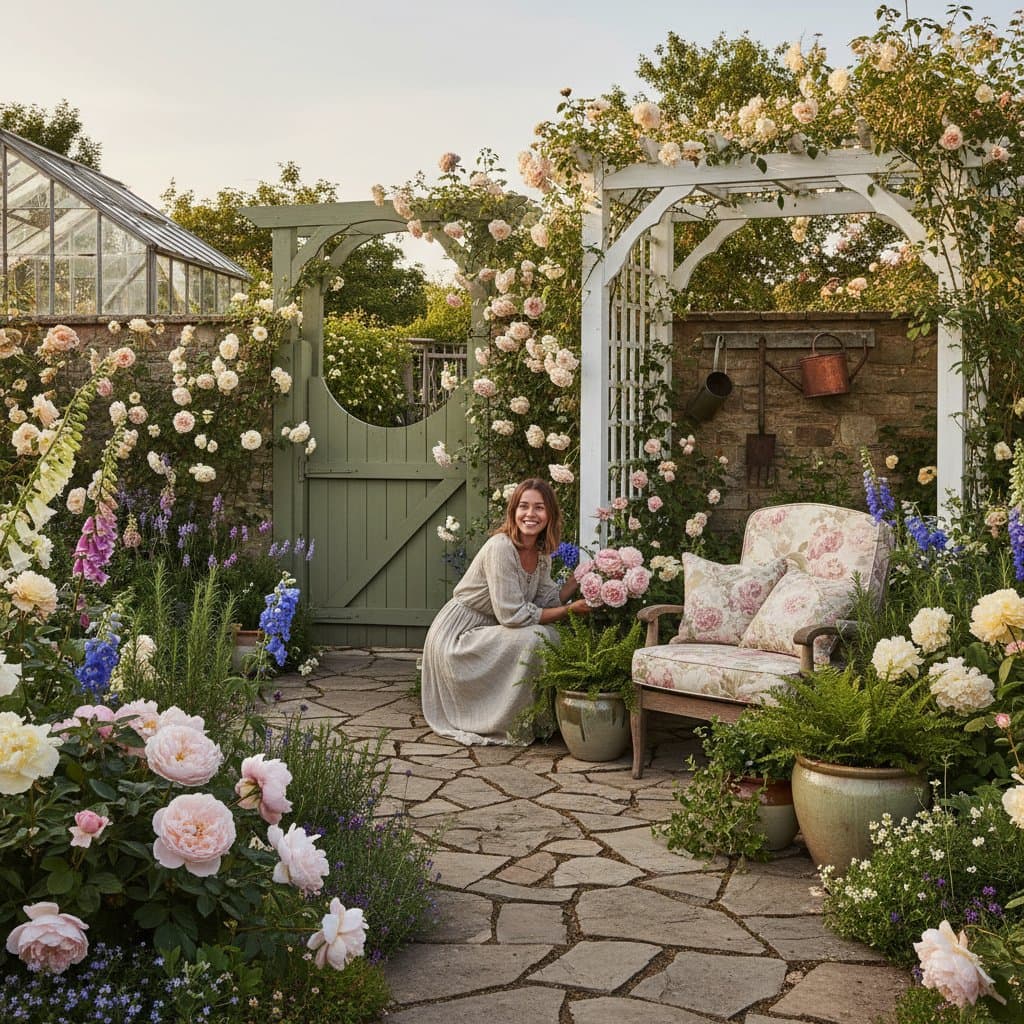
Observers have noted a clear trend. Young homeowners and renters populate their patios and balconies with climbing roses, mismatched terracotta pots, and faded floral cushions reminiscent of items from a grandmother's attic. This choice stems from more than irony or superficial nostalgia. Gen Z adopts vintage florals and grandmillennial gardens because these designs provide grounding, expression, and profound humanity amid a world dominated by excessive polish.
The Appeal of Comfort and Character
Minimalism enjoyed widespread popularity for a time. White walls, sleek furniture, and sparse arrangements appeared striking on digital screens yet often conveyed chilliness in physical spaces. The grandmillennial garden reverses this approach entirely. Layered, verdant, and individualized, it evokes comfort through elements rich in narrative, such as a chipped teacup repurposed as a planter or a weathered bench entwined with climbing ivy.
Reasons Gen Z Adopts Grandmillennial Style
This aesthetic might initially seem suited to older demographics. However, Gen Z claims it as their signature. They fuse traditional English cottage influences with current perspectives, yielding results that charm, innovate, and invite participation.
Several factors explain its strong pull:
-
Authenticity over uniformity
Gen Z prioritizes uniqueness. They reject standardized environments stocked with factory-made items. Vintage florals in garden layouts deliver immediate character. Each specimen carries a backstory, ensuring no two gardens replicate one another.
-
Sustainability and deliberate pacing
Cultivating heirloom varieties or transforming salvaged furniture into garden features promotes eco-conscious habits. Rather than purchasing fresh outdoor pieces, individuals seek secondhand options or engage in upcycling. This practice benefits the environment and fosters personal fulfillment.
-
Relief from digital overload
Extended online engagement sparks a desire for sensory interactions. Gardening fulfills this need. Sowing seeds, trimming stems, and composing arrangements restore connections to the natural world in tangible, stabilizing ways.
-
Nostalgic self-expression
The grandmillennial aesthetic allows fusion of heritage and whimsy. Recreation of history demands no exactitude. Instead, reinterpretation occurs with wit and assurance.
Integrating Pattern and Texture Effectively
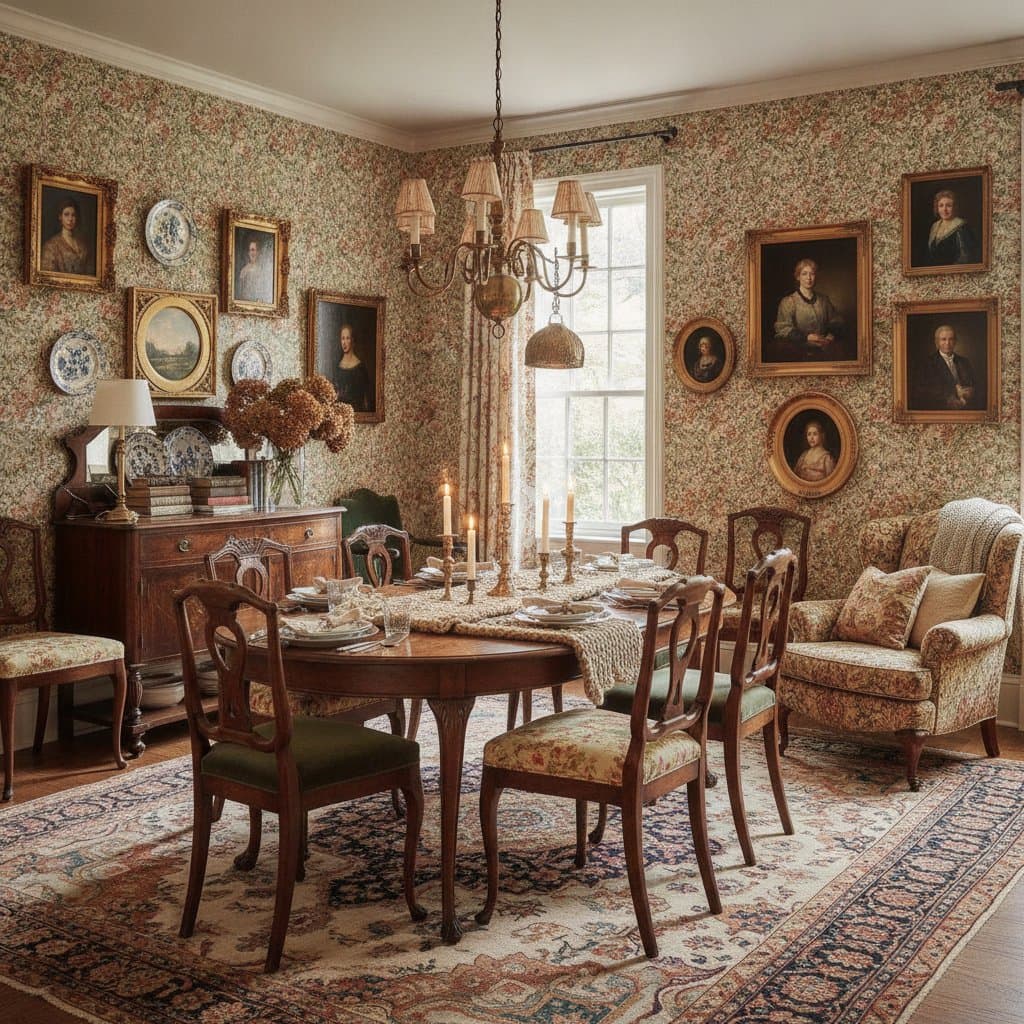
Design specifics reveal the true enchantment. Vintage florals extend beyond living plants to shape broader outdoor styling. Envision chintz cushions, toile tablecloths, and softened botanical prints alongside wicker seating and painted iron surfaces.
Floral motifs introduce dynamism and vitality. Combined with diverse textures such as rattan, linen, and cotton, they build visual richness. Balance remains key to avoid excess. Aim for a sense of thoughtful selection over clutter.
To incorporate this style, begin modestly. Select a dominant floral textile, perhaps for exterior cushions, and reflect its palette in nearby flora. Soft pink roses can echo blush shades in the pattern, while lavender or sage leaves provide equilibrium. Consistent hues unify the composition organically.
Reviving Heirloom Plants
Heirloom plants form the core of grandmillennial gardens. These cultivars pass through family lines, valued for distinctive aromas, forms, or durability. Free from genetic alterations for sameness, they exhibit natural variations that enhance their vitality.
Gen Z cultivators cherish these heritage selections for aesthetic allure and deeper significance. Nurturing a century-old heirloom rose or sweet pea variety links individuals to broader legacies. This effort represents subtle stewardship.
For beginners in heirloom cultivation, consider these foundational options:
- Peonies: Offer abundant, romantic blossoms in spring.
- Sweet peas: Provide fragile scents and elegant vertical growth on trellises.
- Foxgloves: Deliver stature and theatrical impact along pathways.
- Old garden roses: Supply enduring hues and fragrances across seasons.
- Hydrangeas: Bring classic elegance and persistent structure.
These plants gain appeal from minor flaws. A fallen petal or subtle mark contributes to their genuine quality.
Blending Modern and Vintage Components
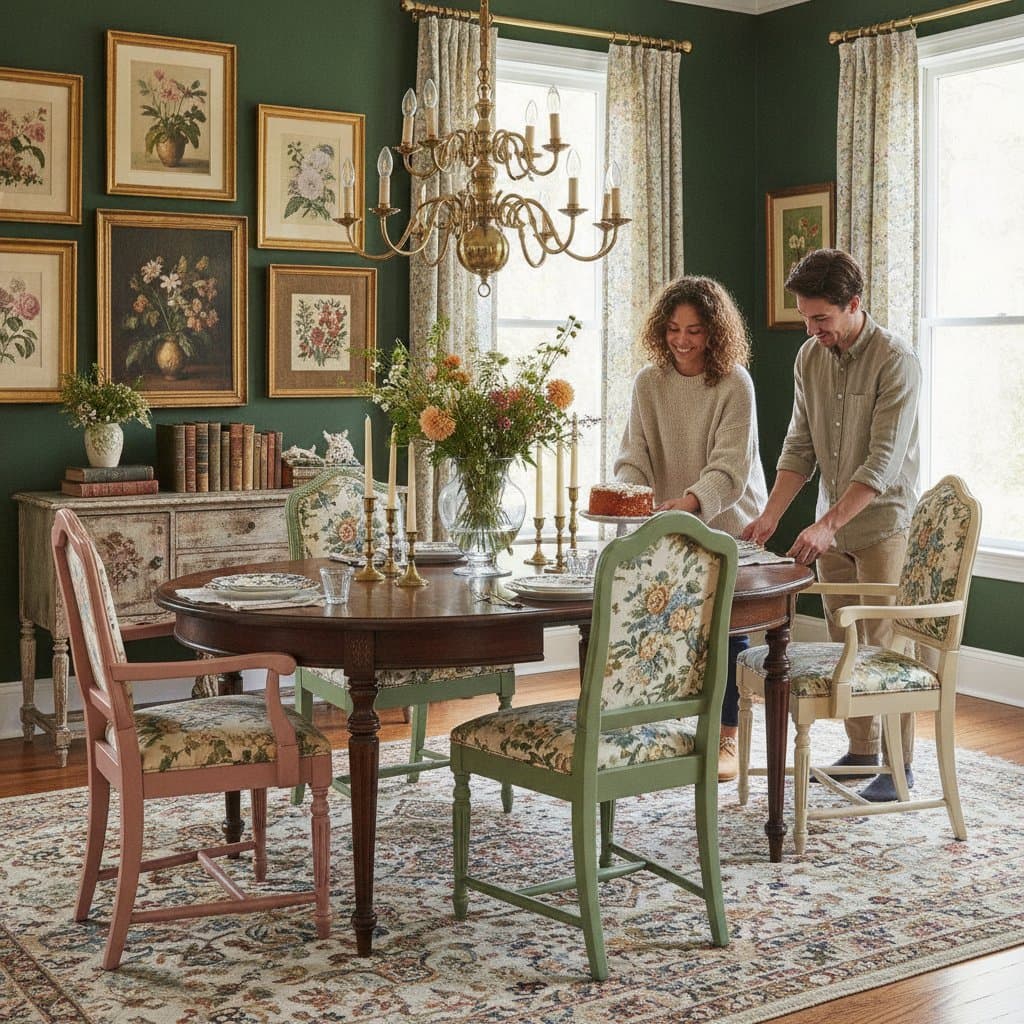
Gen Z excels at thoughtful hybridization. Time-bound replicas hold little interest. Their grandmillennial gardens pair antique vessels with streamlined metal fixtures or layer vintage floral linens over contemporary outdoor tables. Such combinations appear purposeful and vibrant.
Illumination enhances the scene significantly. String lights, solar-powered globes, and diffused candle glow infuse coziness without dominating finer points. Focus on ambient allure rather than harsh exposure. The goal involves an inner radiance that emanates from the space itself.
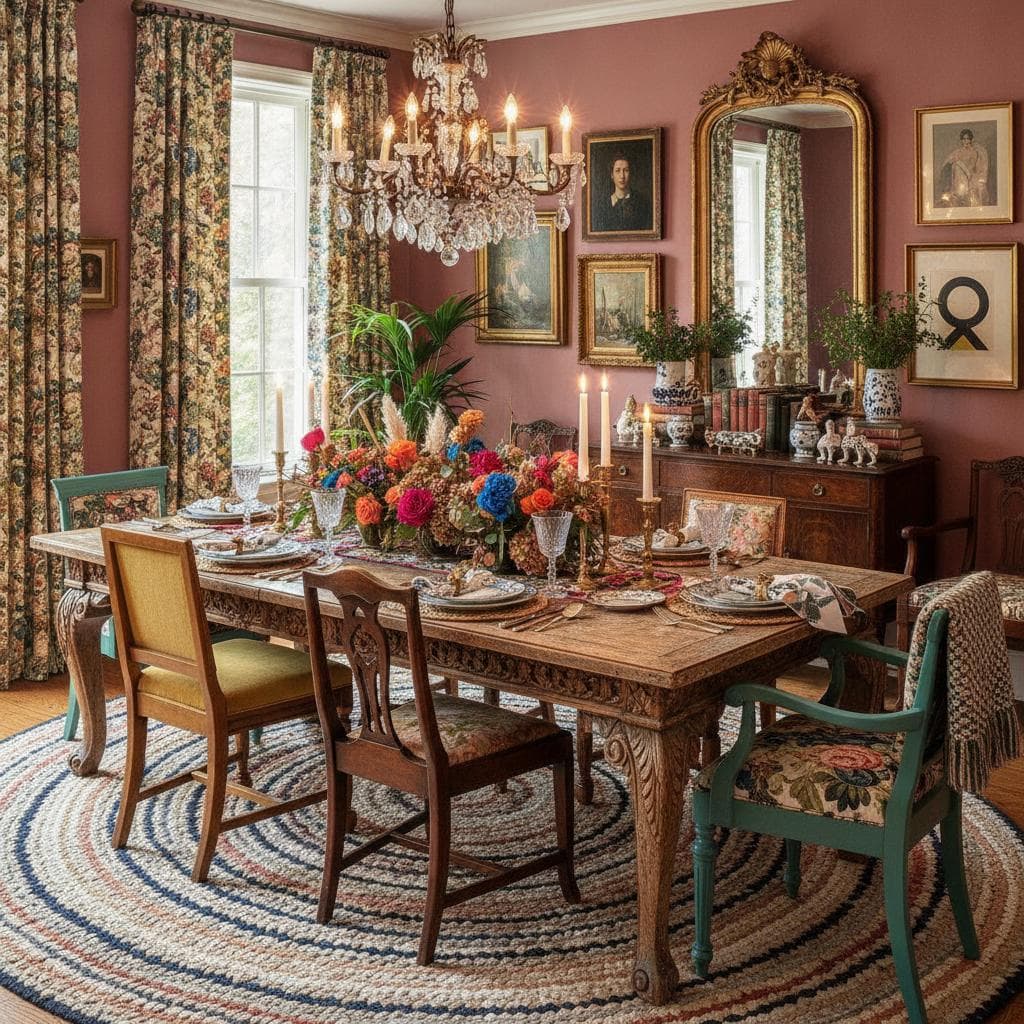
Palette decisions influence the outcome as well. Classic cottage schemes favor pastels, yet updated versions incorporate richer shades like deep plum, forest green, or rust for dimension. This interplay of eras prevents staleness and promotes vitality.
The Emotional Anchor of This Aesthetic
This phenomenon transcends horticulture. It addresses sentiment. Gen Z navigates eras of instability, and the grandmillennial garden delivers reassurance, solace, and ingenuity within one sanctuary. It promotes deceleration, cultivation of growth, and appreciation of flawed beauty.
Vintage florals, through their comforting familiarity, affirm that allure need not derive solely from novelty. Roots often lie in recollection and enduring elements. These qualities render the gardens profoundly gratifying on an emotional level. They prioritize connection over spectacle.
Cultivating and Sustaining Your Grandmillennial Garden
To realize a grandmillennial garden that feels organic rather than contrived, release expectations of flawlessness. Gardens develop over time. Blooms emerge, wane, and reappear in cycles that embody their inherent grace. Embrace this rhythm.
Practical steps ensure lasting harmony:
-
Layer with purpose. Combine aged and recent items, coarse and smooth surfaces. Allow tactile contrasts to guide the narrative.
-
Select for aroma and seasonality. Opt for perennials and annuals that evolve throughout the calendar, maintaining perpetual vibrancy.
-
Repurpose existing resources. Transform vessels, seating, and textiles from household stores or markets instead of acquiring anew.
-
Infuse personal elements. Incorporate an eccentric vintage fountain or a patinaed market find. These accents render the area distinctly yours.
-
Maintain flexibility. Delight lies in observation and adaptation. Monitor progress, refine placements, and celebrate organic variations.
A grandmillennial garden emerges not as a replicated fad but as a dynamic testament to ease, invention, and attentiveness. Encountering one, whether personal or observed, conveys its essence instantly. It evokes historical tales while flourishing now. This timeless, sincere, and individualized quality defines its enduring draw.