Understanding Dopamine-Boosting Colors
Dopamine plays a key role in feelings of pleasure and motivation. Certain colors in your bedroom can stimulate this neurotransmitter, fostering an environment that promotes energy and emotional equilibrium. Designers now emphasize warm, vibrant shades over bland neutrals to evoke joy and tranquility.
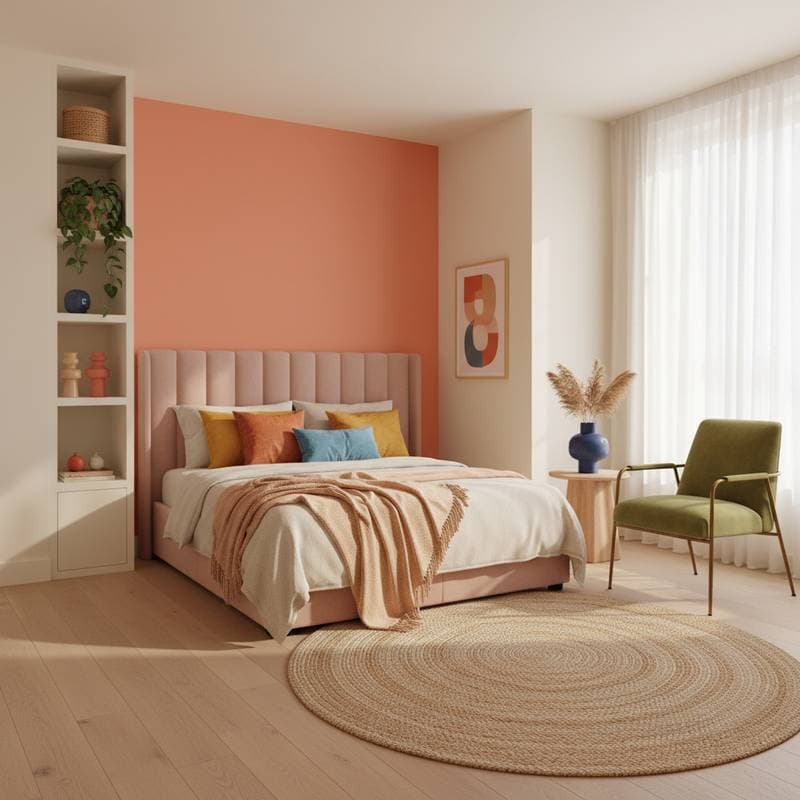
These hues, often called dopamine colors, include terracotta reds, sunny yellows, and soft peaches. They draw from nature and psychology to create spaces that feel alive yet restful. By incorporating such elements, you transform a simple room into a daily source of uplift.
Project Overview
Working Time: One weekend for basic painting and accents; extend for furniture updates or custom elements.
Total Time: One to two weeks, accounting for preparation, drying periods, and final arrangements.
Skill Level: Beginner to intermediate, with options for advanced touches like trim installation.
Estimated Cost: $150 to $800, varying by material choices and project scale.
Selecting Your Color Palette
Begin with colors that align with your desired mood. For energizing effects, choose warm tones such as burnt orange or mustard yellow for accent walls. Pair these with grounding neutrals like creamy beige or soft gray to prevent overstimulation.
Consider the room's natural light. North-facing bedrooms benefit from golden yellows to counteract dimness, while south-facing spaces can handle deeper corals without fading. Test samples on walls at different times of day to observe how light shifts their appearance.
Incorporate variety through layers. Use a bold hue on one wall, then echo it in smaller doses via pillows or rugs. This approach maintains balance while introducing playfulness.
Materials and Tools
Essential Materials
- High-quality interior paint in selected dopamine shades, such as semi-gloss for durability.
- Primer matched to wall type, like oil-based for previously painted surfaces.
- Painter's tape for crisp edges and drop cloths to shield floors.
- Sandpaper in medium grit for smoothing imperfections.
- Rollers with extension handles, angled brushes for details, and sturdy trays.
- Bedding sets, throw pillows, and curtains in coordinating fabrics like linen or cotton.
- Adjustable lamps or LED strips for customizable lighting.
Optional Additions
- Moldings or chair rails to add depth and frame colors effectively.
- Sanded and repainted furniture pieces to unify the scheme.
- Framed prints or draped textiles for subtle color pops.
Budget-Friendly Options
- Pot-sized paint samples for testing or small feature areas.
- Repurposed items coated with residual paint for cohesion.
- Hand-painted wall hangings using basic supplies like canvas and acrylics.
Step-by-Step Implementation
Prepare surfaces first. Clean walls thoroughly, repair cracks with spackle, and sand for adhesion. Apply primer evenly, allowing full drying time to ensure paint bonds properly.
Paint in sections, starting from the ceiling and moving downward. Use a W-pattern with the roller for uniform coverage, applying two coats minimum. For accents, employ brushes to achieve precision around edges and fixtures.
Integrate textiles next. Select bedding in your palette's secondary tones, such as a terracotta duvet with neutral shams. Hang curtains that filter light softly, enhancing the room's warmth without blocking views.
Install lighting strategically. Position dimmable sconces near the bed for reading, or add warm LED bulbs to mimic sunlight. These elements amplify color vibrancy and support circadian rhythms.
Achieving Professional Results
Professionals prioritize precision for enduring appeal. After painting, examine surfaces under various lights for inconsistencies like lap marks or drips. Lightly sand and recoat problem areas promptly.
For any refinished pieces, seal with multiple layers of polyurethane, sanding lightly between coats. This creates a resilient barrier against daily wear. Allow full curing, often 24 to 48 hours, before placing items back.
Maintain harmony in the design. Limit bold colors to 20 percent of the space, using neutrals for the remainder. Introduce textures like rattan or wool to add dimension, ensuring the room feels cohesive and serene.
Decide on DIY versus expert help based on scope. Tackle painting solo if experienced, but consult painters for textured walls or intricate patterns. Electricians handle wiring for new fixtures safely.
Long-Term Care Strategies
Preserve your investment through routine upkeep. Wipe walls with a mild soap solution to remove dust without stripping sheen. Avoid harsh cleaners that could alter color intensity.
Refresh fabrics periodically by washing according to labels and storing spares away from direct sun. This prevents uneven fading and keeps options versatile for mood shifts.
Address wear immediately. Keep spare paint in a cool, dark place for quick scuff repairs. Monitor humidity levels with a dehumidifier to avert bubbling or mold on painted areas.
For wood elements, apply maintenance coats annually. Use natural oils like tung for nourishment, buffing to a subtle luster. These steps sustain the room's inviting quality over years.
Advancing Your Design Expertise
Mastering this project equips you for broader endeavors. Apply learned techniques to craft bespoke elements, such as a stained headboard in a warm mahogany that echoes wall tones.
Experiment with installations like recessed shelving to display accents. These additions boost utility while reinforcing the palette's impact.
Each effort sharpens your intuition for harmony. You gain proficiency in blending materials and shades, tailoring spaces to nurture well-being and creativity.
Realizing the Benefits of Your Refresh
With completion, step back to absorb the transformation. The updated bedroom serves as a vital sanctuary, promoting restorative sleep and renewed vigor each morning.
Notice how colors influence your routine, sparking motivation for the day ahead. This intentional space not only pleases the eye but also nurtures mental clarity and joy.
Over time, it evolves with you, offering a foundation for ongoing personal expression.