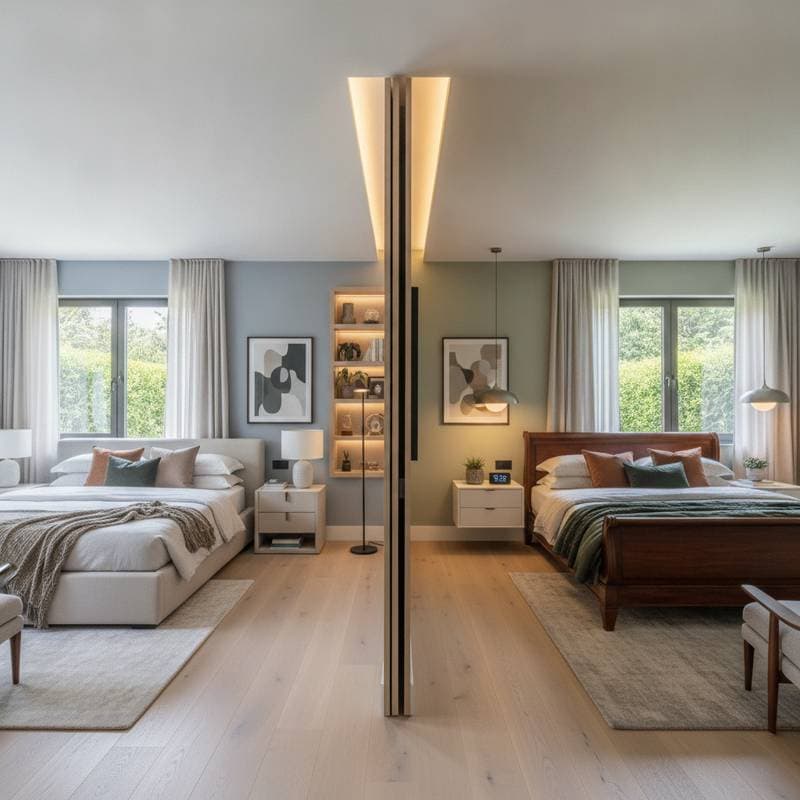
Bedrooms Bursting with Dopamine Decor Magic
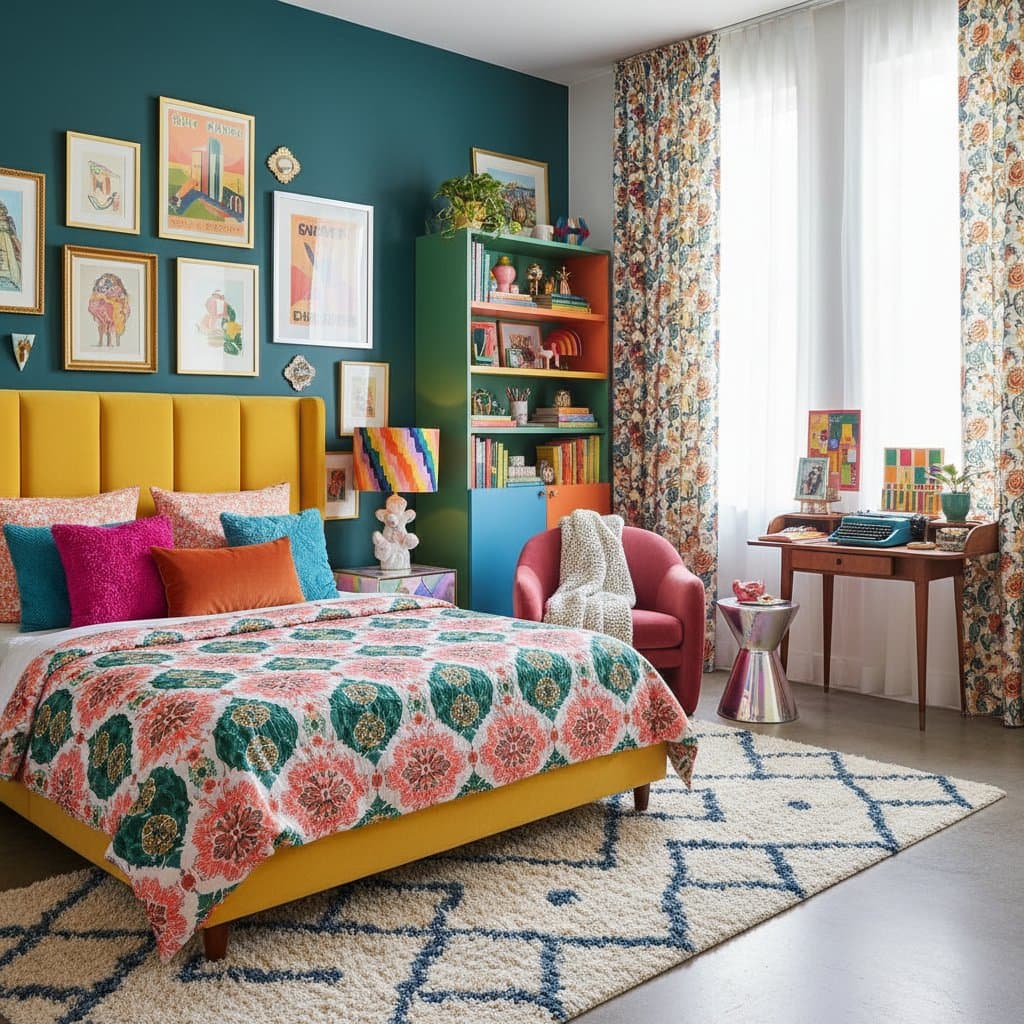
When you wake up in a space that radiates joy, the morning alarm seems less harsh. Picture opening your eyes to a wall painted in citrus yellow, a velvet fuchsia headboard, and an array of patterned pillows that evoke happiness. This is the core of dopamine decor, a design method grounded in the science of color, emotion, and personal expression.
Key Points
- Dopamine decor emphasizes joy through bold colors, playful patterns, and personal elements that ignite happiness.
- The approach rejects perfection and restraint in favor of maximalism, imperfection, and emotional bonds.
- Bedrooms serve as prime spaces for dopamine design experiments, given their intimate nature and the profound influence of color on mood and energy.
- Experts advise incorporating nostalgic items, varied textures, and uplifting lighting to tailor the space.
The aim focuses on crafting a visual collection that uplifts you upon entry, rather than impressing others.
The Color Chemistry of Happiness
Psychologists have established that colors shape mood. Bright, saturated shades stimulate the brain's reward centers, prompting dopamine release for sensations of pleasure and drive. In design, this manifests practically: orange fosters warmth and creativity, pink sparks playfulness, and green instills calm and equilibrium.
Dopamine decor applies these principles expansively. Rather than perfect coordination, it welcomes purposeful disorder. A turquoise wall paired with a magenta chair may appear intense, yet intentional execution yields a delightful sensory effect.
Interior designer and color expert Marina Ellis notes that dopamine decor prioritizes emotional resonance over tonal matches. She guides clients to select hues tied to cherished memories, such as a summer sky, a vintage album cover, or birthday wrapping from youth.
From Minimalism Fatigue to Maximalist Freedom
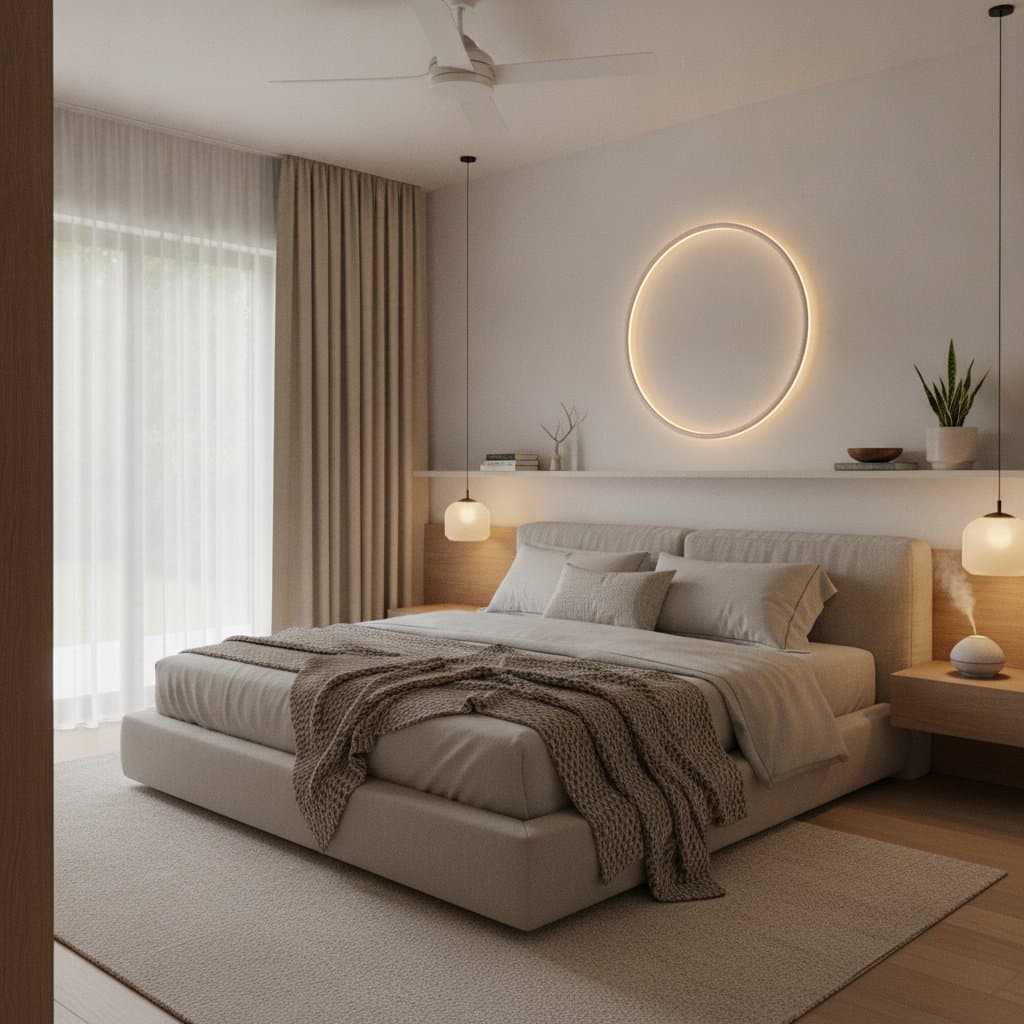
Design trends long favored minimalism, with white walls, neutral linens, and sparse plants representing order and tranquility. Prolonged exposure to beige and gray spaces left many seeking vitality.
Dopamine decor counters this shift. It challenges the notion that calm requires silence, proposing instead that joy arises from abundance and signs of vibrant living. Bedrooms, as private realms, provide ideal venues for exploration.
View a maximalist bedroom as a film scene. The bed commands attention, adorned in layered colors and textures. Supporting elements include patterned drapes, eclectic lamps, and bold artwork that speaks volumes. Each component contributes to the narrative of its owner.
The Art of Controlled Chaos
Dopamine decor appears impulsive, yet effective implementations feature underlying order. Designers recommend anchoring with a focal point, like a vivid wall, large artwork, or patterned bedding. Surrounding items then complement without conflict.
Tips for Balancing Energy and Rest
- Select a core palette of three colors for emotional cohesion. Coral, teal, and white, for example, blend invigoration with repose.
- Combine textures such as linen, velvet, and rattan for sensory depth minus visual excess.
- Employ lighting for atmosphere control. Warm bulbs temper bold shades, while LED strips or tinted lamps alter the mood effortlessly.
- Integrate patterns with care. Stripes alongside florals succeed when sharing a common hue.
- Incorporate nostalgic touches. Display a framed ticket stub, childhood keepsake, or travel memento to anchor the vibrancy in reality.
Ellis observes that dopamine decor excels when it conveys spontaneity with intent. She describes it as joy erupting in the room, with each element positioned precisely.
Cultural Context: Why We Crave Color Now
Cultural changes surface in fashion before influencing homes. Dopamine dressing, where vibrant attire elevates mood, has spilled into interior styling. Social media accelerates this, transforming colorful bedrooms into quick mood enhancers amid endless scrolls.
Beyond visuals, the appeal stems from emotional fortitude. Vivid designs act as self-nurturing, enabling creative control amid uncertainty. A colorful room provides joy-based steadiness.
Psychologist Dr. Leila Grant states that color's sensory input aids emotional regulation. She explains that personalizing spaces with memory-evoking shades builds an emotional buffer. Bedrooms hold special potency as bookends to daily experiences.
Real Rooms, Real Stories
Jamie, a freelance illustrator, revamped her subdued bedroom into a confectionery haven. She applied mint green to one wall, introduced a cherry-red throw, and mounted vintage posters in a gallery. She shared that it externalizes her imagination, boosting creativity and improving sleep through personal resonance over bland serenity.
Marcus and Eli, a couple, embraced dopamine decor after grayscale rentals. They coated the ceiling in lavender, chose mustard linens, and overlapped patterned rugs that theoretically clash yet practically unite. Marcus remarked that their space evolved from clinical to heartfelt, turning mornings into celebrations rather than chores.
These cases highlight dopamine decor's adaptability. It ranges from overt to understated, unified by genuine emotion.
Expert Integration: The Science Behind the Spark
Design psychologist Clara Rivera terms dopamine decor visual sustenance. She details how vivid pairings engage neural routes akin to art or melody. Rivera emphasizes equilibrium: excess stimulation leads to weariness, so vibrant highlights paired with neutrals sustain engagement without strain.
Lighting influences the dopamine effect. Daylight intensifies colors for greater liveliness. Rivera proposes mirrors facing windows to boost natural glow. For nights, adjustable or hue-shifting lights transition from energizing to soothing while preserving essence.
Practical Application: Your Blueprint for Joy
To introduce dopamine decor into your bedroom, begin modestly. Avoid full overhauls; build layers that develop gradually.
- Initiate with bedding. Opt for a comforter in a shade that prompts smiles.
- Introduce wall art with personal significance. Affordable posters, prints, or fabric swatches deliver swift change.
- Test colored lampshades or fixtures for hue infusion without dominance.
- Experiment via accessories. Replace plain drapes with patterned versions or add a striking rug.
- Follow intuition. Emotional alignment trumps strict rules in dopamine decor.
The objective centers on a space that both stimulates and soothes, distinct from any idealized image.
Evolving Your Joyful Sanctuary
With your dopamine bedroom established, maintenance involves adaptation. Refresh accessories with seasons or sentiments. Maintain core stability while varying details like clothing items.
If a hue fades in appeal, refresh a single accent wall. Exchange covers, rehang images, or reposition pieces. Dopamine decor flourishes through change, embracing expansion, delight, and inquiry.
Such bedrooms transcend mere rest areas. They function as emotional workshops, constant cues that joy demands design, nurturing, and immersion.