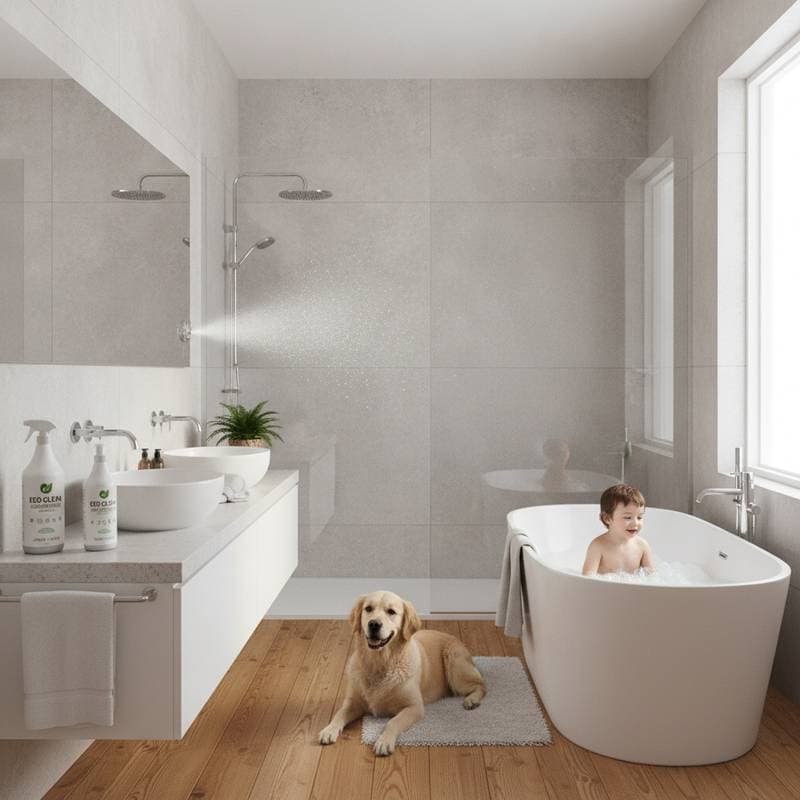
Revolutionize Home Cleaning with Chemical-Free Steam
Many households rely on an array of cleaning products, each designed for specific surfaces and stains. These solutions often contain strong fragrances and irritants that can affect air quality and health. Steam cleaning offers a straightforward alternative, using only heated water vapor to achieve superior results.
This method transforms routine tasks into efficient processes. It eliminates the need for multiple bottles and reduces exposure to potentially harmful substances. Readers discover practical ways to integrate steam cleaning for lasting cleanliness.
The Science Behind Steam Cleaning
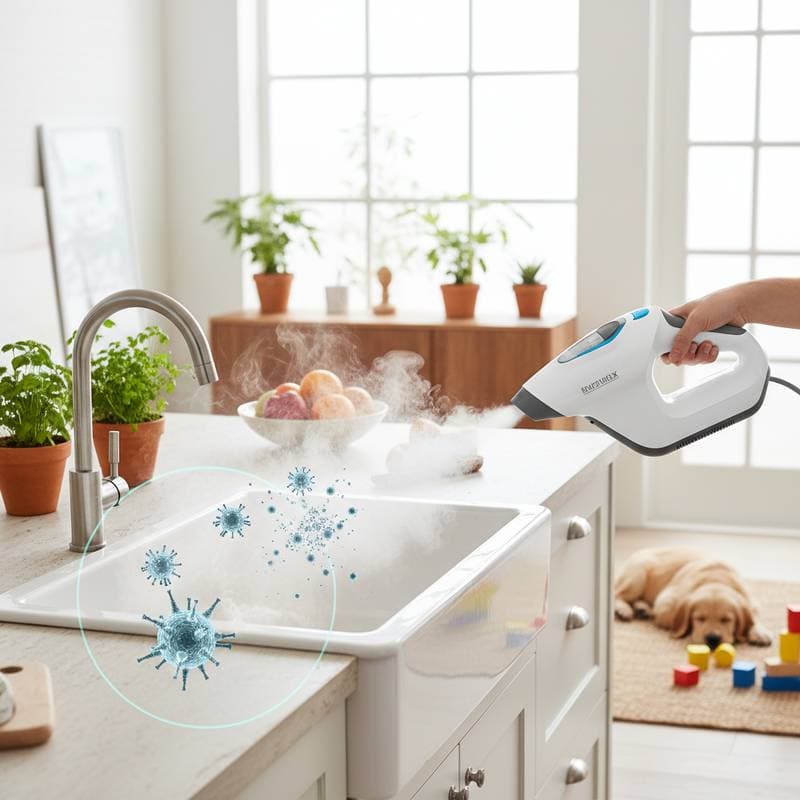
Steam cleaning harnesses the power of superheated water vapor, typically reaching temperatures between 212°F and 250°F. At these levels, the vapor penetrates microscopic crevices, disrupting the cell walls of bacteria, viruses, mold, and dust mites. This thermal action denatures proteins essential for microbial survival, achieving up to 99.9% elimination on contact.
Initial Applications and Results
Begin with high-traffic areas like kitchen floors to observe immediate effects. Fill the device's reservoir with water, allow it to heat for 30 seconds to two minutes depending on the model, and apply even pressure while moving in straight lines. Grout lines and tile surfaces reveal renewed vibrancy as embedded soils dissolve.
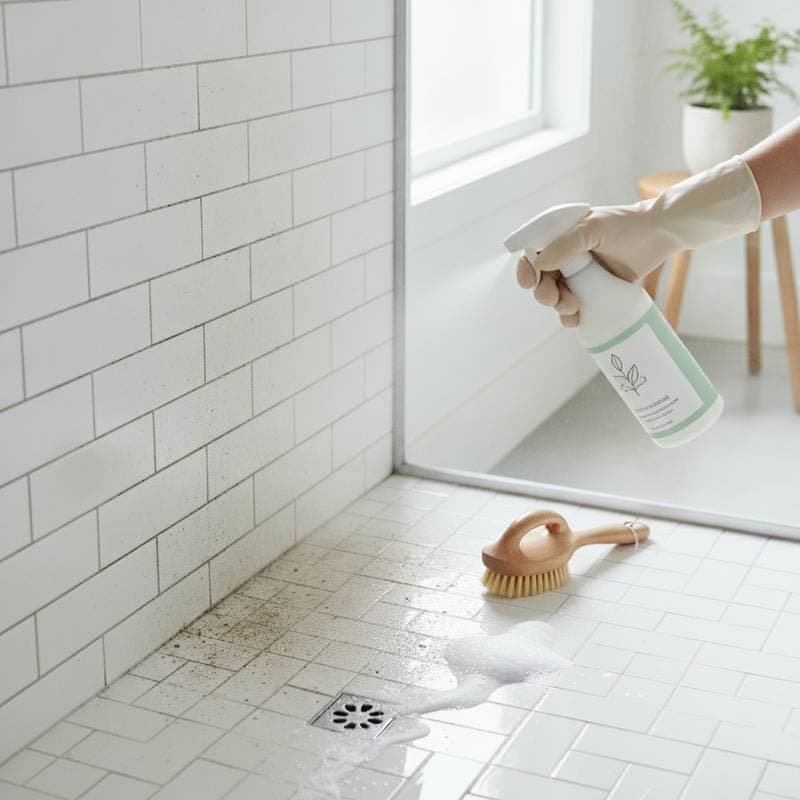
Extend to bathroom fixtures next. Direct steam at soap scum accumulation on glass doors or porcelain, holding the nozzle 1-2 inches away for 10-15 seconds per section. This softens buildup for effortless wiping, reducing physical effort compared to traditional scrubbing.
Benefits for Everyday Households
Steam cleaning suits diverse living situations, particularly where sensitivity to irritants exists. Families with young children or pets benefit from its non-toxic approach, minimizing risks from ingested residues. Individuals with allergies experience reduced airborne particles and odors.
Key advantages include:
- Natural germ elimination through heat, bypassing synthetic disinfectants.
- Compatibility with common materials such as sealed stone, ceramic, and synthetic fabrics when guidelines are followed.
- Long-term cost efficiency, as a single device replaces ongoing purchases of specialized cleaners.
- Improved indoor air quality by avoiding volatile compounds.
- Reduced cleaning time, with heat accelerating dirt removal.
These features promote consistent maintenance without compromising well-being.
Selecting an Appropriate Steam Cleaner
Evaluate options based on intended use and home size. Handheld units suit targeted tasks, such as detailing grout or sanitizing small appliances, with portable designs weighing under 5 pounds. Canister models provide extended reach via hoses up to 10 feet, ideal for upholstery and vertical surfaces like cabinetry.
Floor-specific mops feature rotating pads or microfiber cloths that capture loosened debris, best for large areas. For beginners, select a model with adjustable steam output and a 10-15 ounce water capacity for sessions up to 20 minutes. Test on inconspicuous areas to confirm surface tolerance.
Safe Usage Practices
Prepare surfaces by removing loose debris with a vacuum or broom to optimize steam penetration. Consult manufacturer specifications to identify compatible materials, avoiding direct application on unsealed wood or delicate laminates that may absorb moisture.
Opt for distilled water to minimize scale deposits in the boiler. Apply steam methodically, pausing 5-10 seconds on stubborn spots, and maintain a distance of 2-4 inches from fabrics. Allow treated areas to cool and dry fully before use, typically within 1-2 minutes.
One common oversight involves overlooking ventilation; ensure rooms remain aired during and after sessions to dissipate any mobilized particles.
Optimal Areas for Steam Cleaning
Bathrooms respond exceptionally well, with steam dissolving mineral deposits on fixtures and revitalizing grout without abrasives. In kitchens, target grease-prone zones like exhaust fans and countertops, applying short bursts to avoid water pooling.
Floors benefit from broad sweeps, restoring shine to vinyl or sealed wood while extracting allergens from carpets if using an attachment. Upholstery and window treatments refresh through gentle steaming, neutralizing odors from spills or pets.
Pet zones, including bedding and enclosures, achieve sanitation without chemical traces, supporting hygiene in multi-animal homes.
Environmental and Health Advantages
Steam cleaning aligns with sustainable practices by conserving resources and reducing waste. It requires no disposable wipes or bottles, lowering household contributions to landfills. The absence of synthetic additives decreases water contamination risks from drain runoff.
Health-wise, it fosters safer environments by eliminating irritants that trigger respiratory issues. Families report fewer allergy flare-ups and improved overall comfort. This shift encourages mindful consumption, prioritizing efficacy over excess.
Limitations and Complementary Methods
While versatile, steam cleaning requires caution with heat-sensitive items. Electronics, leather, or silk demand alternative approaches to prevent damage. Wallpaper and certain adhesives may loosen under moisture exposure.
Supplement with mild solutions like diluted vinegar for non-heat tasks, such as glass polishing. Integrate steam as a core tool within a balanced routine, reserving it for sanitizing and deep cleaning.
Implementing Steam Cleaning Routines
Introduce steam weekly on floors and bi-weekly on fixtures for maintenance. Track progress by noting reduced recurrence of stains or odors. Adjust techniques based on results, such as increasing steam intensity for heavy grease.
This integration yields cleaner, healthier spaces with minimal effort. Readers gain confidence through consistent application, achieving professional-level outcomes at home.