Key Points
- Nano coatings form microscopic barriers that repel dust, water, and oil, which keeps surfaces cleaner for extended periods.
- These coatings apply to glass, metal, tile, and other household materials, which reduces the frequency of cleaning tasks.
- Proper preparation of the surface and accurate application ensure long-term effectiveness.
- Homeowners benefit from a cost-effective approach that promotes cleaner, healthier living spaces with minimal ongoing effort.
Technical Background
Nano coatings rely on particles so small that they bond to surfaces at the molecular level. These particles fill tiny pores to form a smooth, nonporous layer that resists adhesion of contaminants. The hydrophobic properties repel water, while oleophobic qualities push away oil, causing dust, dirt, and liquids to form beads and roll off rather than adhere.
Surface Assessment
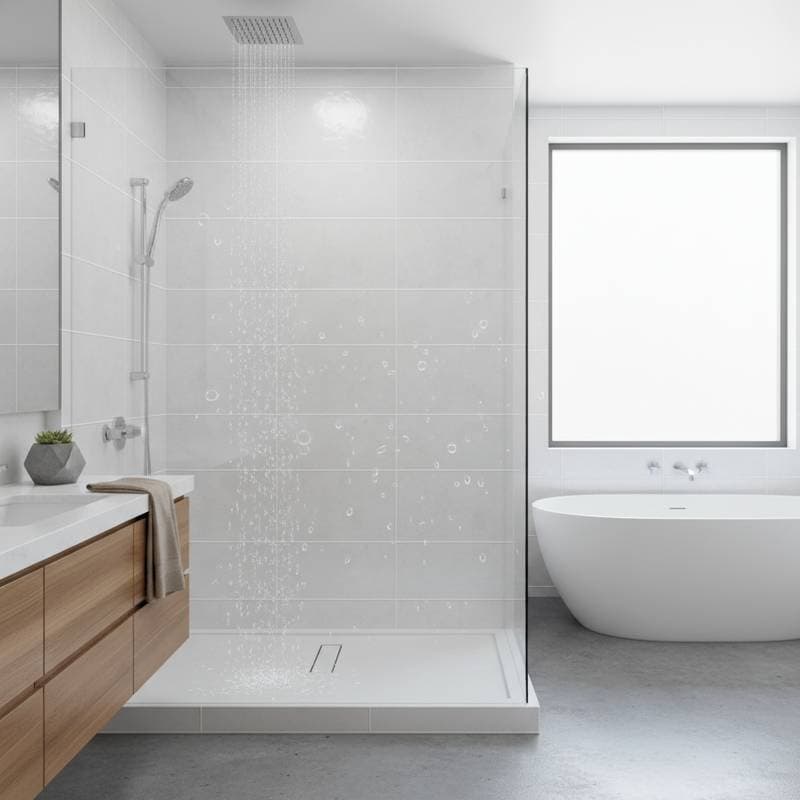
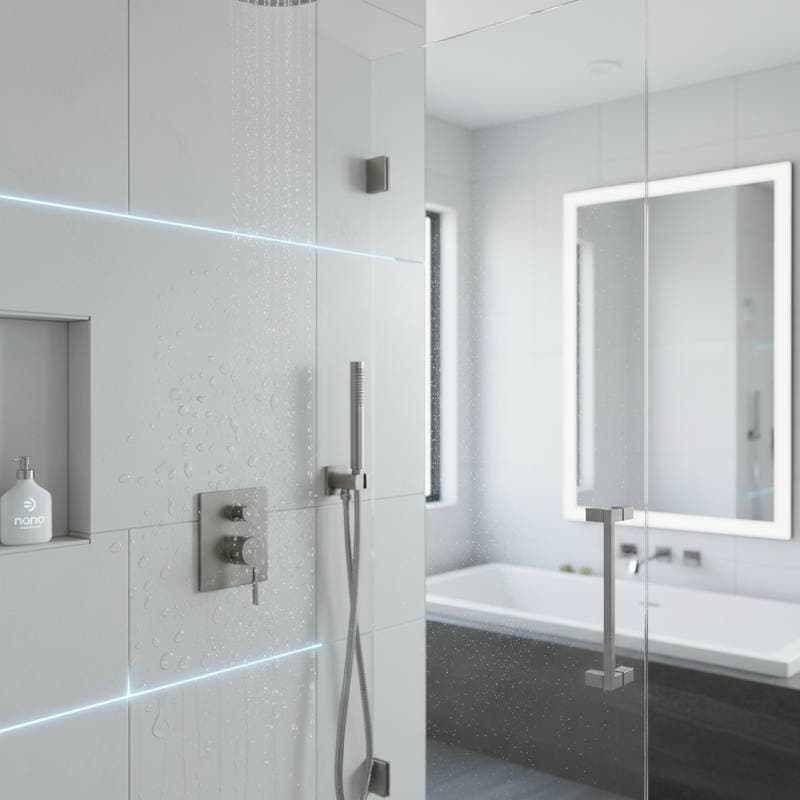
Homeowners should first identify surfaces that accumulate dust quickly or demand regular cleaning. Ideal locations include bathroom mirrors and shower doors prone to water spots, kitchen backsplashes and appliances affected by grease and steam, window glass, baseboards, and furniture that gather airborne particles, as well as metal fixtures like faucets, handles, and railings.
Examine each surface for residues, corrosion, or prior treatments. Such contaminants weaken the bond of the new coating, which makes thorough pre-cleaning and inspection vital. Remove any wax, polish, or silicone completely to prepare the area for optimal adhesion.
Planning the Application
Gather essential items for household use to streamline the process.
Tools and Materials
- Select a nano coating product matched to the material, such as formulations for glass, metal, ceramic, or wood.
- Prepare microfiber cloths or lint-free applicators for even distribution.
- Stock a surface cleaner or degreaser to eliminate residues.
- Use nitrile gloves to safeguard skin during handling.
- Employ masking tape and plastic sheeting to shield adjacent areas.
Safety and Preparation Guidelines
Choose a well-ventilated space for application. Steer clear of humid environments or damp surfaces, as they hinder proper bonding. Sequence the work to allow freshly coated areas to cure without disturbance; most products need several hours before contact with moisture or regular use.
Step-by-Step Implementation
Follow these steps to apply the coating effectively.
- Clean the surface thoroughly. Select a cleaner that eliminates oils, fingerprints, and dust particles. Ensure the surface dries fully before proceeding.
- Mask surrounding areas. Cover sections not intended for treatment, particularly around joints or movable parts, to prevent unintended application.
- Apply the coating evenly. Dispense a few drops onto the applicator cloth and distribute in small circular motions. Achieve uniform coverage without excess pooling.
- Buff for clarity. Wait a few minutes, then polish gently with a dry microfiber cloth until the surface appears clear and free of streaks.
- Cure the coating. Adhere to the manufacturer's instructions for drying and curing durations. Refrain from exposing the area to water or cleaning agents in the interim.
Process each section systematically, moving room by room. Mark treated surfaces to monitor progress, especially across multiple areas.
Verifying Application Quality
After curing completes, conduct a water test to validate the coating. Mist the surface with clean water; beads should form immediately and slide away with ease. If water spreads or adheres, apply a thin additional layer to that spot.
Check surfaces at intervals for signs of dullness or residue accumulation. An effective nano coating retains its clear appearance and repellent action for months, contingent on exposure to environmental factors.
Sustaining Performance
Coated surfaces demand less vigorous scrubbing and reduced reliance on chemical cleaners. Remove loose particles with a dry or lightly damp microfiber cloth. Refrain from abrasive tools or strong detergents, as they may compromise the protective layer.
When repellency fades, evident by water no longer beading properly, perform a deep clean and reapply the coating. The straightforward, economical nature of reapplication integrates seamlessly into standard home care routines.
Expert Techniques for Optimal Results
- Choose mild temperatures for application to promote even curing.
- Dedicate separate cloths to cleaning and coating tasks to prevent cross-contamination.
- Seal any remaining product securely to avoid evaporation or degradation.
- Pair nano coatings with enhanced air filtration systems for superior indoor dust control.
Homeowners who integrate nano coatings shift cleaning from daily drudgery to occasional maintenance. Through diligent preparation, precise application, and routine checks, these treatments deliver pristine surfaces, lower allergen levels, and enhanced living comfort with little ongoing investment.